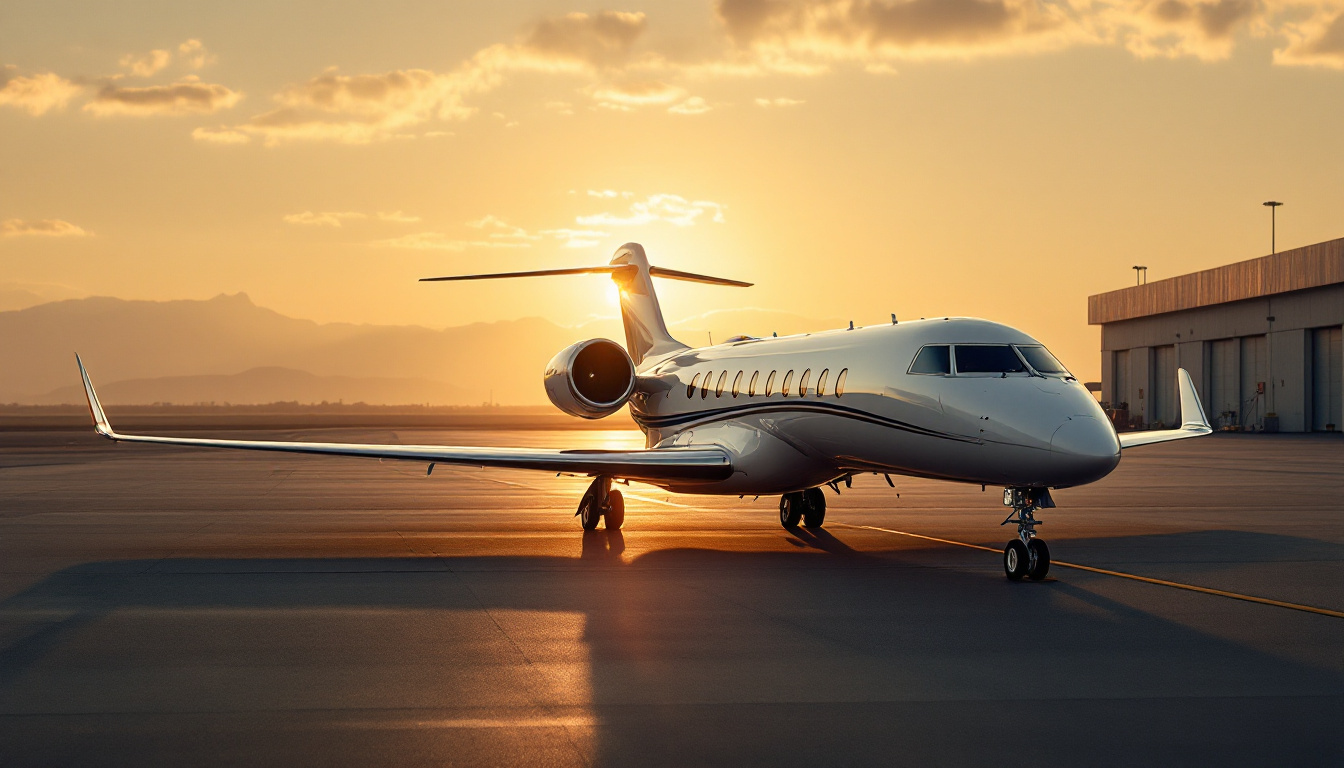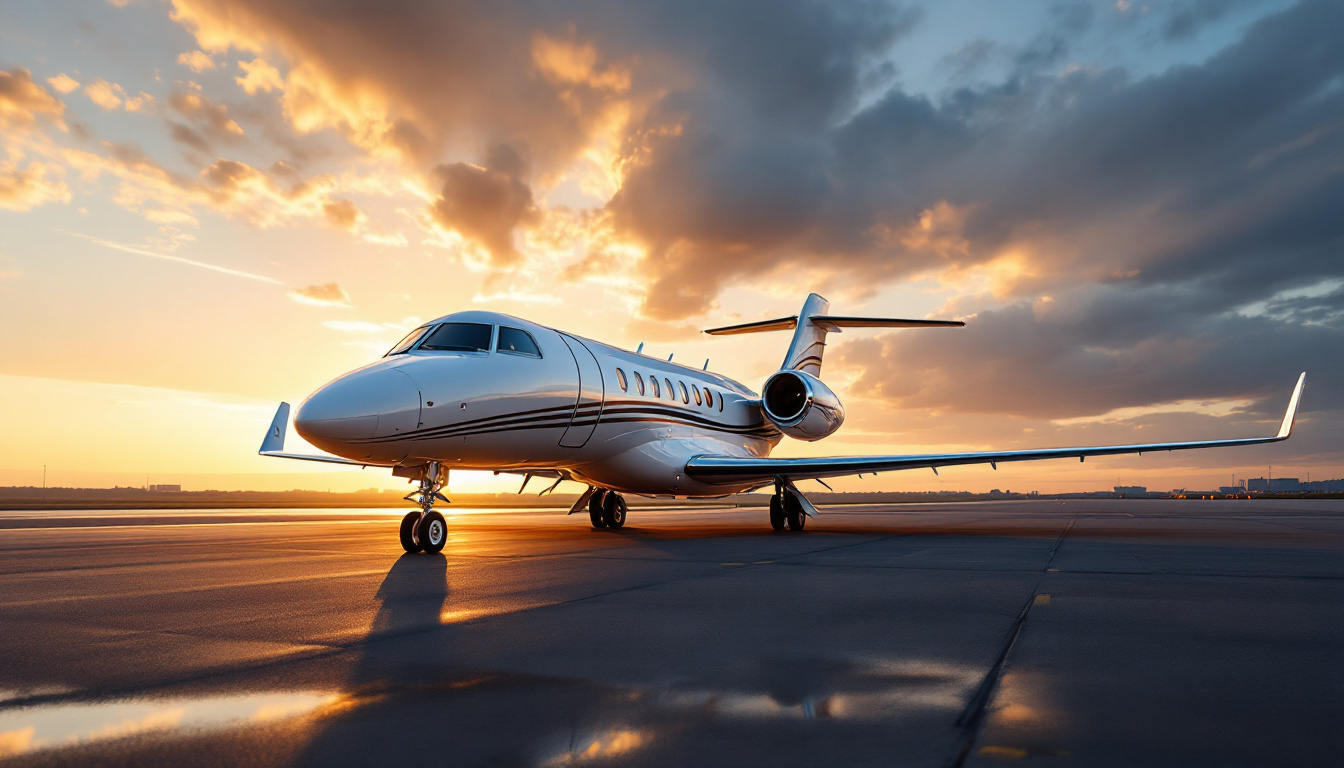
The Citation Longitude rarely shows up on best-of lists. The Praetor 600 wins the magazine-cover comparisons, the G700 wins the desk conversations, and the Bombardier Challenger 3500 has the legacy halo in the super-midsize tier. The Longitude does the work. It has booked over 175 NetJets sales since its 2019 certification, it has run a clean operational record in fractional service, and it continues to anchor Textron’s super-midsize position through 2026.
From this desk, the under-appreciation of the Longitude is more about Textron’s marketing posture than the airplane’s merits. Textron does not promote the Longitude with the same intensity that Embraer applies to the Praetor 600. The result is that the Longitude wins on quiet metrics — fractional fleet share, reliability data, residual values — and loses the brochure war.
The 175+ NetJets number is the structural fact
The 2019-onward NetJets order tally for the Longitude exceeded 175 airframes as of recent disclosures, making NetJets by an enormous margin the type’s largest operator. That concentration matters in two ways. First, it gives the Longitude a fractional service footprint that any other super-midsize except the Challenger 350/3500 simply does not have. A buyer who joins NetJets at the super-midsize tier is most likely flying a Longitude — the type’s tail count, route familiarity, and operational maturity are unmatched in the fractional super-midsize segment.
Second, the NetJets concentration shapes residual values. Pre-owned Longitudes coming off NetJets retirement are predictable inventory with documented maintenance histories. Buyers know what they are getting, which compresses the asking-price negotiation window. That is good for sellers and acceptable for buyers — the market is more efficient at this tail count than at the smaller production runs of the Praetor 600 or the older Challenger 350.
The broader structural commitment is the 2023 NetJets-Textron fleet agreement covering up to 1,500 Citation jets over 15 years, encompassing the Latitude, Longitude, and the newer Ascend. That is the longest forward visibility any Textron Citation line has ever had. Even if NetJets’ annual Longitude intake plateaus through 2026 as it ramps Ascend deliveries, the multi-year commitment underwrites the production line.
The Citation Ascend is not displacing the Longitude
Textron delivered the first three Citation Ascend midsize jets to NetJets by early May 2026 — these are fleet-launch airframes. The Ascend is the successor to the Citation XLS+ and competes in the midsize tier against the Citation Latitude and the Embraer Praetor 500. It is not a super-midsize and it is not a Longitude replacement. Coverage that conflates the two is misreading the product hierarchy.
The Ascend’s relevance for the Longitude is indirect. Textron’s overall NetJets fleet pipeline now spans three Citation variants — Ascend (midsize), Latitude (midsize-large), Longitude (super-midsize). That broader pipeline is what gives Textron pricing power and supply chain priority across the entire Citation line, and it benefits Longitude buyers as much as Ascend buyers.
Range, cabin, and what reviewers actually notice
The Longitude is certified for 3,500 nm at long-range cruise with four passengers and NBAA IFR reserves. That covers New York to almost anywhere in Western Europe with reserves, transcontinental US with margin, and most one-stop trans-Pacific routings. Maximum cruise speed is Mach 0.86. The Honeywell HTF7700L engines have proven durable in fractional service — direct maintenance costs are running consistent with Textron’s pre-entry projections.
The cabin is the flat-floor super-midsize benchmark. Stand-up height of 6 feet, flat floor across the cabin length, and a layout that supports both an eight-seat double-club and a galley-forward configuration. The acoustic treatment is genuinely quiet — I have spent block time in the cabin and the noise floor at cruise is closer to a large-cabin jet than to most midsize types.
The Garmin G5000 flight deck is current and well-supported. It is not the most recent OEM cockpit in the segment — the Praetor 600’s Symmetry-derived deck has a slight edge in feature density — but it is mature, familiar to pilots transitioning from other Citations, and benefits from Garmin’s deep training and software-update ecosystem.
Comparative position: Longitude versus Praetor 600 versus Challenger 3500
The super-midsize tier as of mid-2026 reduces to three serious offerings. The Praetor 600 wins on range (4,018 nm versus 3,500), fly-by-wire, and the more recent type certificate. The Challenger 3500 wins on cabin acoustics, the in-flight Bluetooth voice control system, and the deep operational legacy of the Challenger 300/350 line. The Longitude wins on fractional availability and operating cost predictability.
For an owner-operator with mission profiles that include occasional transatlantic flying, the Praetor 600 is the better airplane. For a buyer who wants the security of a major fractional operator’s mature program, the Longitude is the better acquisition path — buy fractional hours, not the airplane. For buyers prioritizing cabin acoustics and the Challenger ramp presence, the 3500 is the right choice.
My desk-level summary: the Longitude is not the best super-midsize on every dimension, but it is the most reliable acquisition path in the tier given its NetJets concentration. If you want consistent access to a well-flown super-midsize without owning the asset, NetJets-Longitude is the most efficient route.
Pre-owned market and acquisition economics
Pre-owned Longitudes from NetJets retirements began appearing in meaningful numbers in 2024 as the earliest NetJets airframes hit the five-year mark and entered scheduled retirement rotation. Asking prices have held firm through the broader pre-owned tightening; JETNET’s Q1 2026 data shows industry pre-owned inventory at 5.9% of active fleet, well below the 10-year average of 7.3%. The Longitude has been part of that tightening.
A 2020-build Longitude with NetJets pedigree and under 3,500 hours is currently trading in the high teens to low-twenties of millions, depending on cabin configuration and maintenance status. Factory-new positions run 18 to 24 months out depending on completion choices.
What I am watching through year-end 2026
Two indicators. The first is Textron’s Longitude production cadence — if quarterly deliveries hold above eight airframes through Q3 and Q4 2026, the line is healthy. The second is NetJets’ Longitude intake versus Ascend intake; a sustained Longitude order pace through 2026 confirms the type’s long-run position in fractional, while a sharp Longitude tapering would suggest NetJets is concentrating future super-midsize growth elsewhere.
My base case is steady production through year-end. The Longitude is not a glamorous airplane, but it is the super-midsize tier’s most reliable workhorse, and the structural NetJets commitment will keep it in production well past the current planning window.
Standing Questions
- How many Citation Longitudes has NetJets ordered?
- NetJets has booked over 175 Citation Longitudes since the type's 2019 certification. That commitment is embedded within the broader 2023 NetJets-Textron fleet agreement that covers up to 1,500 Citation jets over 15 years — spanning the Longitude, Latitude, and Ascend variants.
- What is the Longitude's certified range?
- The Longitude is certified for 3,500 nautical miles at long-range cruise with four passengers and NBAA IFR reserves. That covers most transcontinental US missions and meaningful one-stop transatlantic routings.
- How does the Longitude compare to the Praetor 600?
- Both are super-midsize jets in roughly the same range and cabin class. The Praetor 600's stand-out advantage is fly-by-wire and a longer 4,018 nm range; the Longitude's edge is the flat-floor cabin and a more conservative, in-service operational profile. Fractional operators have split — NetJets concentrated on Longitude, Flexjet on Praetor 600.
- Is the Longitude being phased out?
- No. The Longitude continues in production. Textron's newer Citation Ascend is a midsize, not a super-midsize replacement — it competes against the Citation Latitude. The Longitude remains Textron's super-midsize offering with continued production through 2026.
- What is the hourly cost to operate a Citation Longitude?
- Direct operating costs (fuel, maintenance reserves, engine reserves) run roughly $3,800 to $4,500 per hour depending on utilization and fuel pricing. NetJets jet card pricing for super-midsize aircraft starts near $310,000 for a 25-hour card in 2026, which works out to approximately $12,400 per hour all-in including the Marquis/NetJets Card structure.