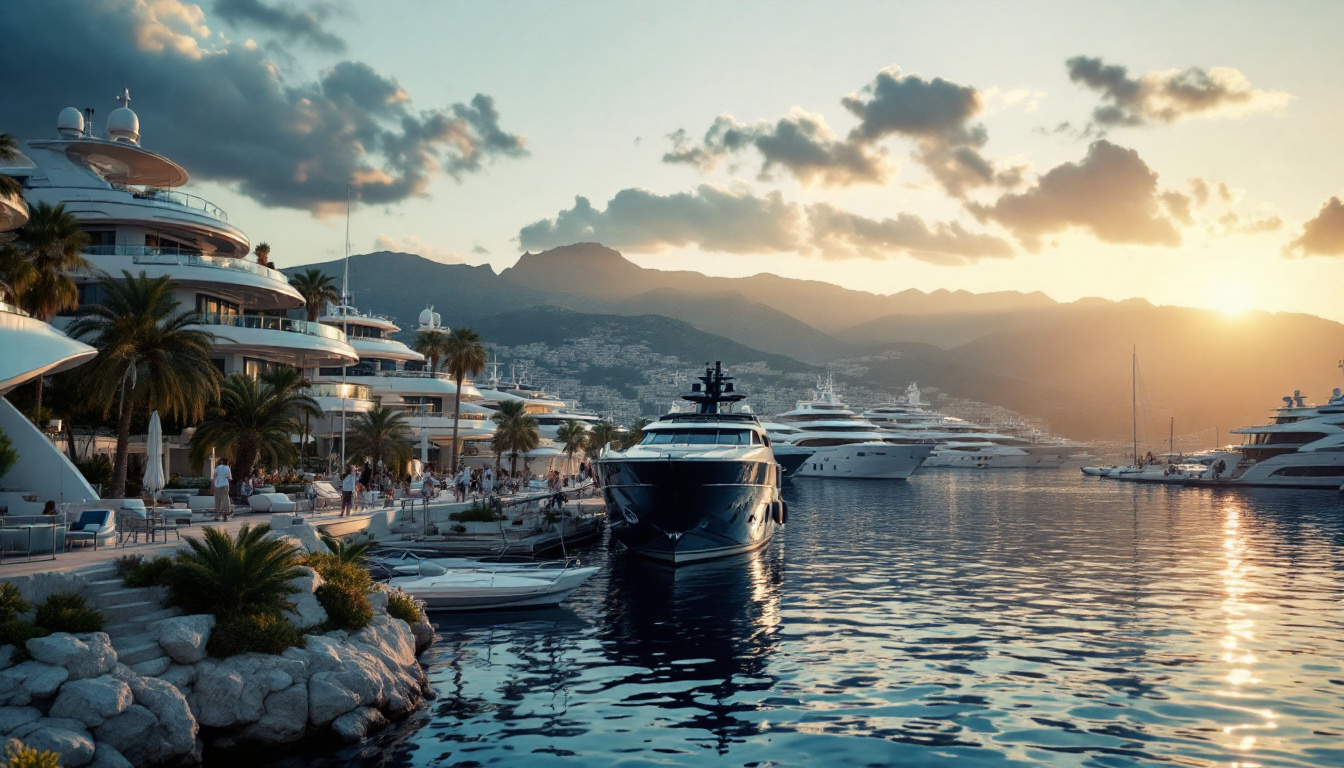
Six o’clock at Le Sirenuse is a moment the hotel manages with care. The afternoon sun is just off the terrace, the last swimmers are climbing out of the pool, and a small army of staff in white linen begins the work of converting one room into another. Pool towels into table linens. Sun loungers into chairs. The Champagne and Oyster Bar at the terrace level opens its sliding doors and the first ice bucket of the evening is set out on a small table by the door.
This dispatch is from one such evening — a mid-May Friday, the season still warming.
The walk up
I had spent the afternoon in town and walked back up the steep stone street from Marina Grande around quarter to six. The walk is one of the small obligations of staying at Le Sirenuse — there is no driveway, no parking lot, just a sloping street and a small unmarked door that opens onto a marble staircase. The door is propped open in season. A doorman nods. You climb four short flights of stairs and emerge into the lobby, which on a May evening is empty and cool and smells faintly of jasmine and the lemon trees in the courtyard.
A staff member at the desk — an older man in a dark linen jacket, name tag Salvatore — said good evening by name and asked if I would be joining the bar before dinner. I said yes. He nodded, picked up a phone, and said something in Italian that I assume was telling the terrace to expect me.
The Champagne and Oyster Bar
The bar room is small. Perhaps a dozen low tables on the terrace, a few stools at a marble counter inside, a single ice well at the door where the oysters are kept in shaved ice with a lemon wedge cut every fifteen minutes by the bartender. The terrace at this hour faces almost due west; the sun has dropped behind the cliffs above town but the sea is still bright. The dome of Santa Maria Assunta — the green-and-yellow majolica dome that puts Positano on every postcard — sits exactly in the middle of the view.
I was given a corner table on the rail, which the maitre d’ said was the one Antonio Sersale himself sits at in the off-hours. I do not know if this is true or if he says it to everyone, but it is the right size of small gesture to begin an evening with.
The waiter — Giuseppe, who has worked the room for twelve seasons — brought a small carafe of acqua frizzante before I ordered anything, and laid out two small plates: a few green olives, two thin slices of cured tuna, a single grissini. The aperitivo plate at Le Sirenuse is not a snack. It is a signal that the evening has officially begun.
The negroni
I ordered the house negroni, which Giuseppe constructs at the table from a small wooden trolley. The trolley is not the spectacle that the Connaught Bar’s martini trolley is in London — it is a quieter, more domestic instrument — but it does similar work. A heavy crystal lowball, a single large ice cube cut from a clear block, equal measures of Campari, a Sicilian dry vermouth from Marsala, and a London dry gin that the bar has bottled exclusively for them. A long strip of orange peel cut at the table, expressed over the glass, and dropped in.
The negroni at Le Sirenuse is slightly drier than the Roman standard, which I like. The bitterness sits at the front of the palate; the citrus oils carry the finish. It is a drink built to be slow.
The oysters
The oyster service is the room’s other anchor. The Champagne and Oyster Bar is named in that order, but in practice most tables order both. The oysters are flown in twice a week from Brittany — Speciales de Claire, mostly, with a smaller selection of the meatier Gillardeau when the bar can get them. Six oysters are presented on a small bed of crushed ice with a single lemon wedge, a mignonette in a small glass dish, and a separate small plate of dark sourdough already buttered.
The pace is deliberate. Giuseppe shucks at the bar — I could see him from my seat — and brings the plate himself. The first oyster arrives perhaps six or seven minutes after the order. The remaining five arrive over the next fifteen minutes, not on a second plate but as part of the same plate that gets gently refreshed with new ice each time.
This is the small Le Sirenuse trick: the room is built to slow you down without ever appearing to.
The light at seven
By seven o’clock the bar was full but not crowded. Perhaps eight tables occupied. Most of the guests were in-house — I recognized a couple from the breakfast room and another from the pool. The conversations were low. A French family of four had taken the table at the opposite rail; the two grown daughters were drinking spritzes, the parents had ordered a half-bottle of Krug. An older Italian couple at the inside counter were on what looked like a second negroni each. Antonio Sersale himself came through the room around 7:15 — a tall, lean man in a navy linen jacket and white shirt, no tie — and stopped at four tables before disappearing back toward the restaurant. He did not stop at mine, which felt correct. House guests get the courtesy; new arrivals get the room.
The light at seven is the reason the bar exists. The sun, by then well below the cliffs, was hitting the sea on a flat angle that made the water silver rather than blue. The dome was lit by a side light that picked out the green tiles. The cliffs above town turned a pale pink for perhaps twenty minutes and then went dark.
This is the moment the Sersales — Antonio, Carla, and the whole staff — have built the room around. The Champagne and Oyster Bar is not designed for the noon hour or for late-night. It is designed for the 45 minutes between the sun going behind the cliff and the dinner reservations downstairs at La Sponda. Everything in the room — the orientation of the tables, the pace of the service, the size of the menu, even the temperature of the water in the ice well — is calibrated for that window.
What I came away with
I finished my negroni at twenty past seven, paid the bill (slipped into a small leather pouch and placed face down, the standard old-world move), and walked downstairs for an eight o’clock dinner at La Sponda. I had been in the bar for an hour and twenty minutes, had eaten six oysters and most of an olive plate, had spoken perhaps three sentences to anyone besides the staff, and felt as though the evening had been thoroughly begun.
The Champagne and Oyster Bar is not the best bar in Italy. It is not even necessarily the best bar in Positano. What it is is a room that has been doing the same thing in the same way, at the same hour, with broadly the same family in charge, for a long enough time that the ritual itself has become the product. You are not buying a drink. You are buying the version of the evening that this room has worked out, across decades, is the right one for this view at this hour.
Standing Questions
- When is Le Sirenuse open?
- Le Sirenuse operates seasonally, typically from early April through late October. Antonio and Carla Sersale — Antonio is the third generation of the family to run the hotel — are in residence in Positano for the full season.
- Where is the pre-dinner bar?
- The Champagne and Oyster Bar sits on the terrace level adjacent to the main pool, with views over Positano and the sea. It is the principal pre-dinner room. Aldo's Cocktail Bar and Seafood Grill is the late-night room, with a different menu and a different mood.
- Can non-guests visit the bar?
- Yes, with a reservation. The Champagne and Oyster Bar accepts non-residents subject to availability, especially in the shoulder months. In July and August the room runs at capacity and house guests are prioritized.
- What is the signature cocktail?
- The bar is known for a house Negroni and for Champagne service by the glass, but the cocktail program has been expanded under the current bar team to include a 'Golden Hour' aperitif using bergamot, prosecco, and a house bitters.