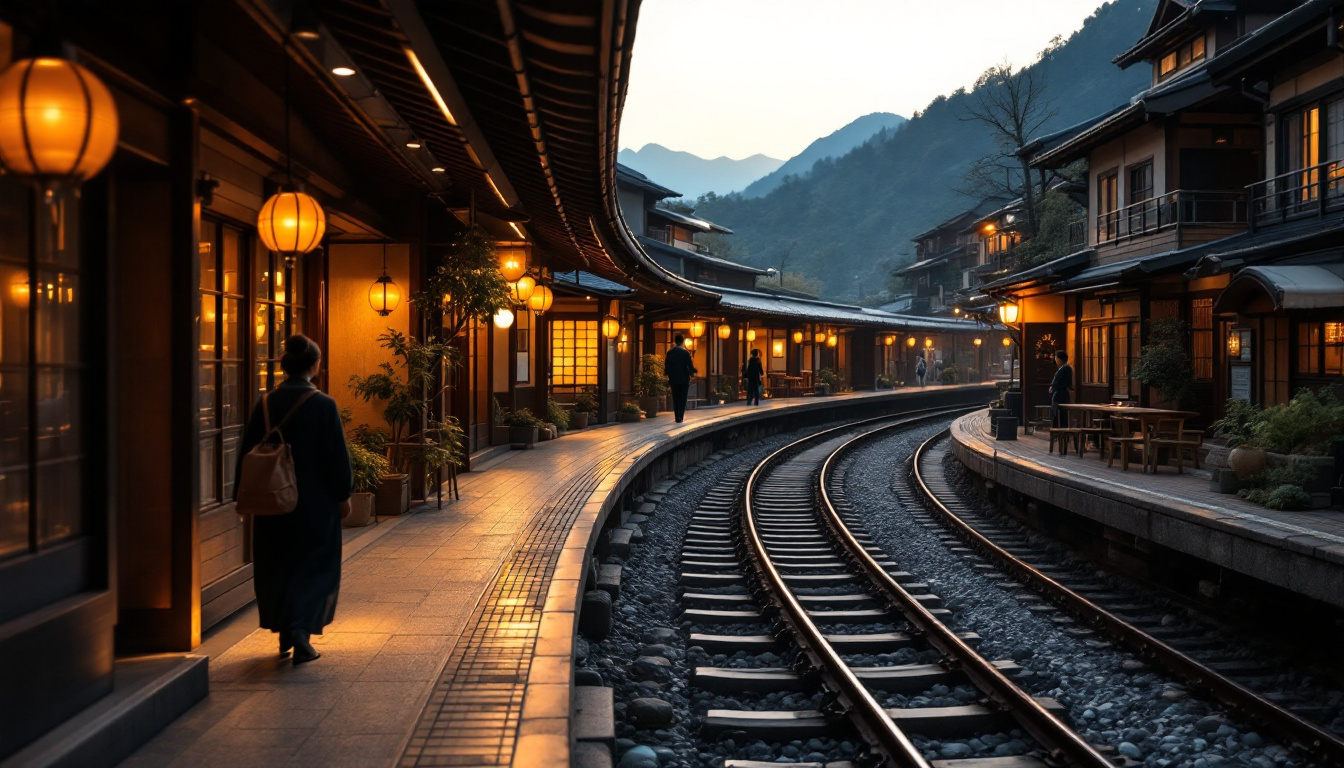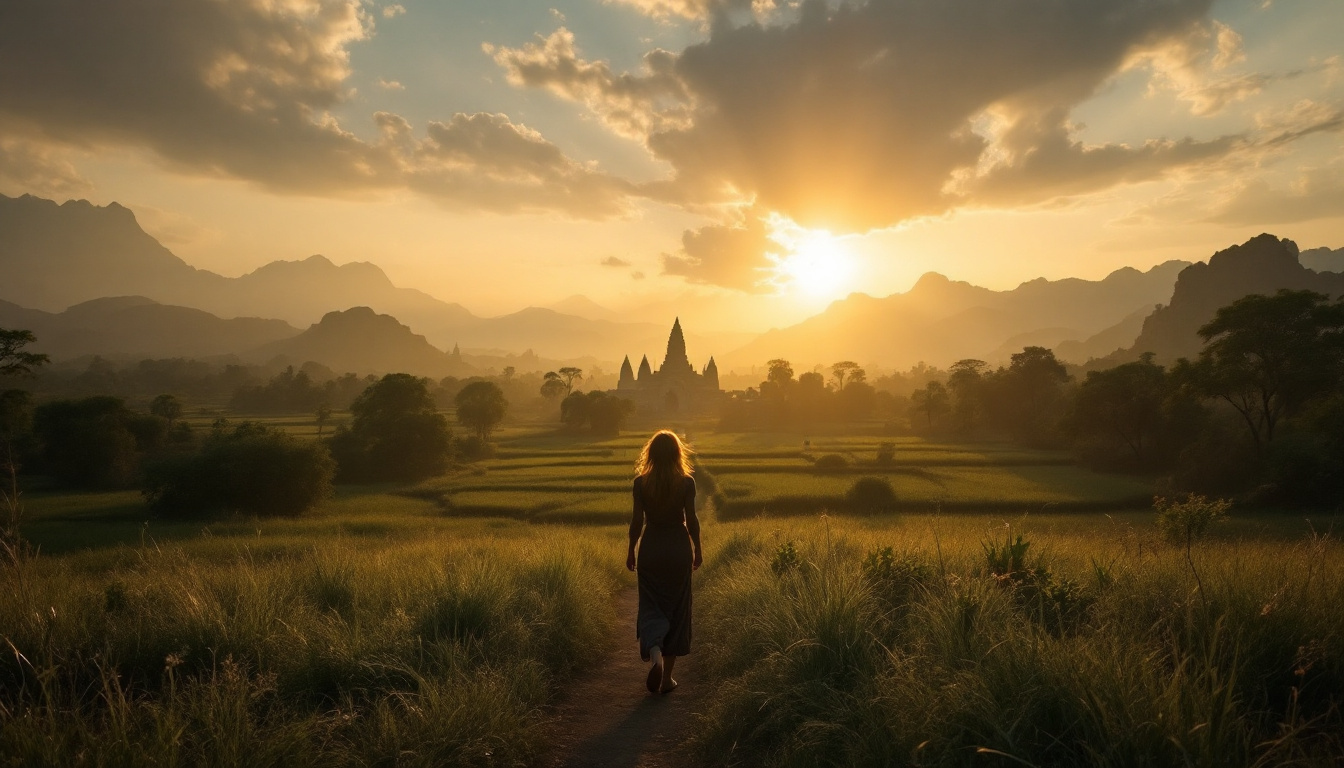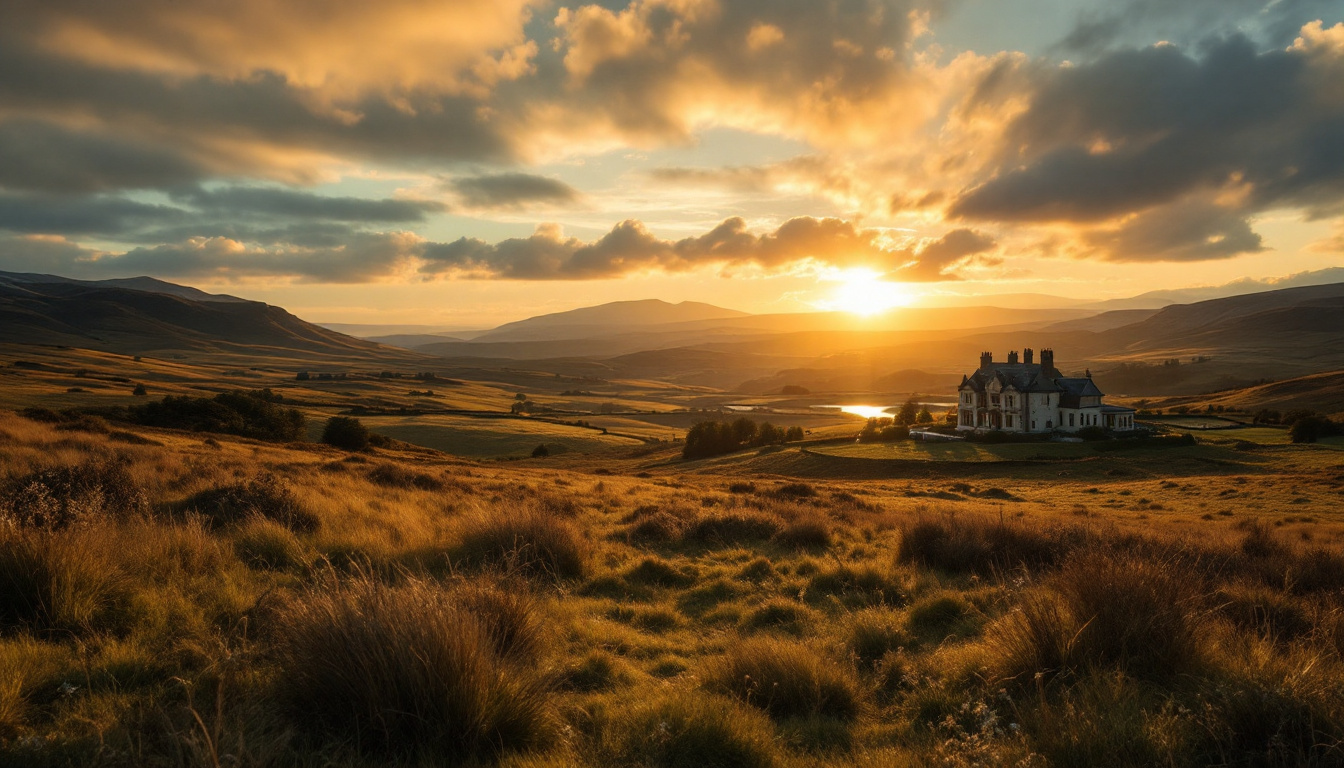
The premise
Twelve nights in Chilean Patagonia, structured as 6 nights in the remote Aysén region (the Chacabuco Valley around Patagonia National Park) and 6 nights in Torres del Paine, with the austral summer window (November through March) as the only viable target. The brief is for guests who have done at least one shorter Patagonia trip or who are willing to commit a full 12 days to the region — Patagonia does not reward the 4-night drop-in, the weather windows are too volatile and the activity programmes too rich for a short stay.
The two anchor lodges below are both Explora properties because Explora runs the most consistent all-inclusive lodge programme in Chilean Patagonia and because the cross-lodge transfer logistics are simplified when both stays are inside one operator’s system. The alternative configuration (Explora in the south, a non-Explora property in Aysén — there are limited credible options — or a Tierra/Awasi swap in the south) is briefly addressed below.
The logistics
Arrival is into Santiago (SCL). The long-haul connection from the US east coast is usually via Lima (LIM) on LATAM or via Sao Paulo (GRU) on LATAM or Gol. The European connection is via Madrid (MAD) on LATAM or Iberia. Plan a buffer night in Santiago at the Mandarin Oriental, the W, or the Singular Santiago — the in-country onward connection to Patagonia is the first morning flight the following day.
The two in-country flights:
- SCL-Balmaceda (BBA) on LATAM or JetSmart, approximately 2 hours 30 minutes. BBA is the gateway to Aysén; Explora collects guests at the airport and the lodge transfer is roughly 4 hours along the Carretera Austral.
- SCL-Punta Arenas (PUQ) on LATAM, approximately 3 hours 15 minutes; PUQ onward to Puerto Natales by Explora-arranged road transfer, roughly 3 hours.
The inter-lodge transfer: BBA-PUQ via Santiago is the most reliable routing (BBA-SCL-PUQ same day, with a roughly 6-hour transit total including the Santiago connection). The BBA-Coyhaique-Puerto Montt-PUQ routing on smaller regional aircraft is the alternative but is weather-dependent and adds a full travel day. The Carretera Austral overland alternative takes 4-5 days each way and is structurally incompatible with a 12-day lodge itinerary.
Ground in each region is entirely handled by the lodge — guides, drivers, equipment, and all logistics are bundled in the all-inclusive rate.
Nights 1-6: Explora Patagonia National Park, Aysén
The 13-room Explora Patagonia National Park lodge sits in the Chacabuco Valley inside Patagonia National Park, in the most remote of the three regions Explora operates in. The lodge was designed with locally sourced stone, reclaimed wood, and copper roofing and integrates into the valley landscape rather than dominating it. Patagonia National Park was created in 2018 from the consolidation of Lago Cochrane National Reserve, Tamango National Reserve, and the former Estancia Chacabuco — a multi-decade rewilding project led by Doug and Kristine Tompkins (Tompkins Conservation) — and the wildlife density inside the park is the highest in Chilean Patagonia. Puma sightings on the morning game drive are routine in season; the huemul deer population (Chile’s national animal, endangered, slowly recovering) is the conservation success story of the park.
The Explora model is the small-group guided exploration. Each day the lodge offers approximately 8-12 exploration options — half-day and full-day hikes, horseback rides, mountain bike routes, gentle walks for the slower-paced guests, and the dedicated wildlife outings for puma tracking. You select your activity at the daily 18:00 briefing the night before and groups form around the chosen activity. Maximum group size is approximately 8 guests per guide.
The six-night programme:
Day 1: Arrival via the BBA collection and the 4-hour Carretera Austral drive to the lodge. Welcome dinner and the activity briefing.
Days 2-5: The exploration days. The desk’s standing pick of the activities: the full-day Chacabuco Valley wildlife drive on day 2 (the morning puma window is 06:00-09:00 and the lodge runs an early breakfast on game-drive days); a full-day hike to Lago Chico on day 3; the horseback day to the estancia ruins on day 4; the gentler Avileve canyon walk plus an afternoon at the lodge spa on day 5.
Day 6: A final shorter morning hike and the late-afternoon transfer back to BBA for the inter-lodge flight day.
Nights 7-12: Explora Torres del Paine
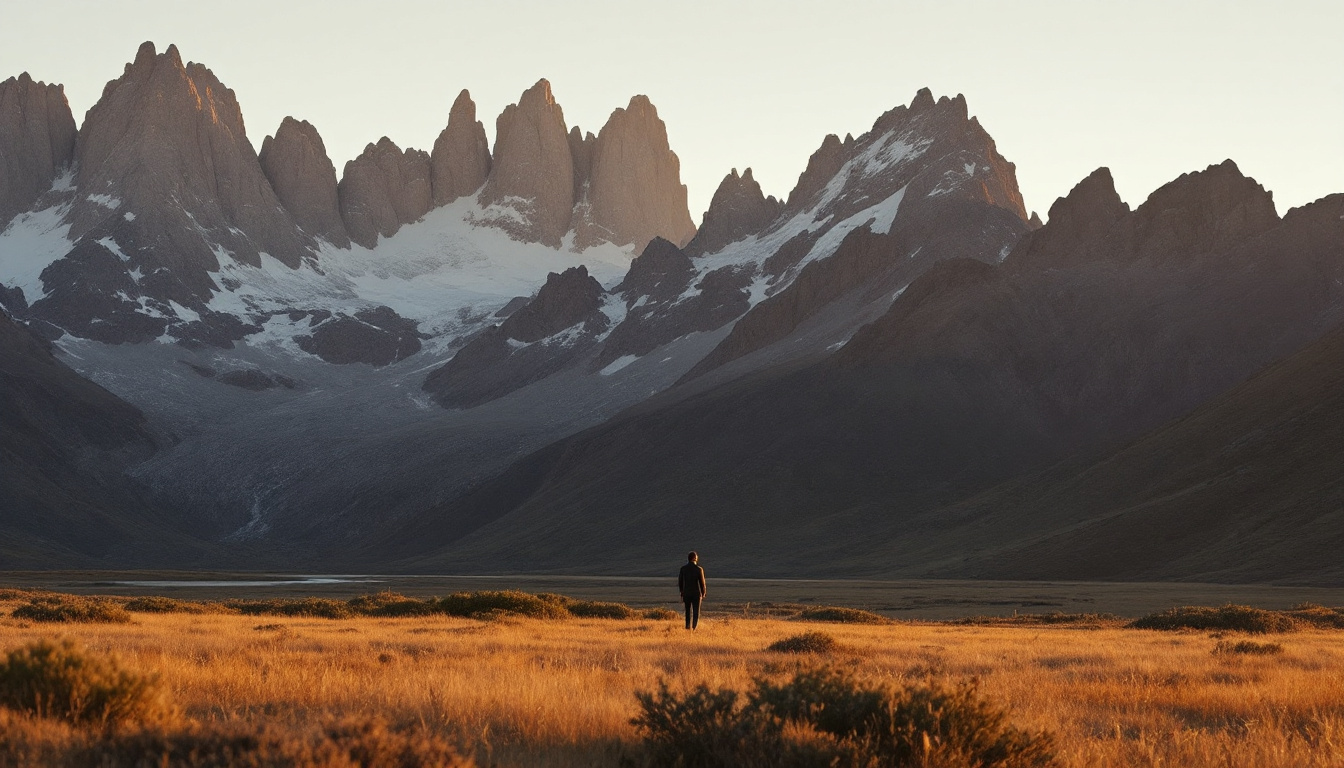
The 50-room Explora Torres del Paine sits on the shores of Lake Pehoé inside Torres del Paine National Park. The lodge is the original Explora property (opened 1993, redesigned and expanded since) and runs the most extensive activity programme of any lodge in the park — approximately 40 guided explorations are on the menu across the week, spanning the iconic park walks (the Towers base hike, the French Valley, the Grey Glacier viewpoint, the Cuernos lookout) plus the gaucho-culture and the gentler-pace alternatives.
The six-night programme:
Day 7: Arrival via the PUQ-Puerto Natales transfer (3 hours) and the onward lodge transfer (1 hour 30 minutes). Welcome dinner and the activity briefing.
Days 8-11: The exploration days. The desk’s standing pick: the Towers base hike on day 8 if the weather window holds (approximately 9 hours, 22 km, 800 m of vertical, the iconic Patagonia day); a Lake Grey kayak or zodiac to the Grey Glacier face on day 9; the gentler Salto Grande and Mirador Cuernos walk on day 10; the French Valley day on day 11 if you have the legs left.
Day 12: Final shorter morning activity and the late-afternoon transfer to Puerto Natales for the onward PUQ flight back to Santiago and the long-haul out.
The alternative configurations
The most common alternative to the Explora-Explora pairing is Explora in the north (Aysén) and Awasi in the south (Torres del Paine). The Awasi model — 14 private villas, each guest party assigned a dedicated guide and Toyota Land Cruiser for the full stay — is the most service-intensive in the park and is the desk’s pick for guests who do not want to be in a group activity format. The trade-off is the absence of the broader Explora activity menu and a meaningfully higher per-night rate.
The Tierra Patagonia substitution is the design-led alternative — 40 rooms on Lake Sarmiento at the eastern edge of the park, the Cazú Zegers architecture (a long single-story wood-clad ribbon that follows the lake’s edge), and a different view register (the Massif from outside the park’s western enclosure). Activity programming is comparable to Explora in scope.
The standing recommendations
For the in-country flight buffer: build a full night in Santiago on the inbound and a full night on the outbound. The Patagonia weather windows can delay either of the in-country flights by half a day, and the long-haul international connection cannot be missed.
For the wind kit: bring your own Gore-Tex shell with hood drawstring, a synthetic insulation mid-layer (Patagonia Nano Puff or comparable), a waterproof pant, gloves, and a wind-shell hat. The lodges loan all of these but the personal fit matters on the longer hikes.
For the puma tracking at Patagonia National Park: book this in advance with the lodge — the dedicated puma-tracking outings (with the park’s contracted trackers, who scout the morning before) are limited per day. Aysén’s window is genuinely the best in Chile for the puma sighting.
For the Towers base hike at Torres del Paine: the early start is non-negotiable. Lodge breakfast at 05:30, on the trail at 06:30, summit by 11:00, back to the lodge by 17:00. The standard 9-hour-day window leaves no margin for slow pacing and the wind risk increases through the afternoon.
For the dinner programme: the Explora lodge dining at both properties is competent rather than gastronomic — the kitchens are designed to feed a full lodge of 50+ guests through a single 90-minute window — and you are not at a hotel for the food. Bring no expectation of a Michelin-style programme.
The reservations math
Explora pricing is all-inclusive — accommodation, all meals, all drinks (including wine), all guided activities, all in-country transfers from BBA or PUQ.
- Explora Patagonia National Park, 6 nights, double-occupancy standard room: approximately US $2,000-2,400 per person per night in shoulder, US $2,400-2,800 in peak; total per person approximately US $12,000-16,800
- Explora Torres del Paine, 6 nights, double-occupancy standard room: approximately US $1,800-2,200 per person per night in shoulder, US $2,200-2,600 in peak; total per person approximately US $10,800-15,600
- In-country flights (SCL-BBA, BBA-SCL-PUQ, PUQ-SCL): approximately US $900-1,400 per person
Total per person, all-in for the 12-night lodge programme: approximately US $24,000-34,000 (excluding the long-haul international flight, the Santiago buffer nights, and gratuities).
For the Awasi substitution at Torres del Paine, add approximately US $1,000-1,500 per couple per night versus Explora. For the Tierra substitution, the per-night is roughly comparable to Explora.
Deposit terms: 30 percent at booking, balance 60 days before arrival. Cancellation inside 60 days is 50 percent; inside 30 days is the full balance. Travel insurance with weather-related coverage is the desk’s standing recommendation.
Lead times: 9-12 months for January peak; 6-9 months for December and February; 4-6 months for November and March shoulder. The 13-room Aysén lodge is the structural bottleneck — book Aysén first and back-solve the Torres del Paine dates.
Standing Questions
- Aysén or Torres del Paine if you can only do one?
- Torres del Paine for the first-time Patagonia trip — the granite towers and the Grey Glacier are the visual signature of the region and the lodge programme is more established. Aysén for the return trip — the Chacabuco Valley around Patagonia National Park is structurally less visited, the wildlife density (puma, huemul deer, guanaco, condor) is higher, and the Explora Patagonia National Park lodge at 13 rooms is the more intimate operation.
- Best window in the austral summer?
- Late November through mid-March. The peak month is January when the day length is at maximum (16-17 hours of daylight) and the winds are at their most predictable. December is the second-best window; February is the third (the winds start to lift). November is the shoulder window with fewer crowds and unpredictable weather; March is the autumn shoulder with the start of the autumn colour in the lenga forests.
- Internal flight or overland between Aysén and Torres del Paine?
- Internal flight. The Balmaceda (BBA) to Puerto Natales (PNT) routing involves a connection at Punta Arenas (PUQ) and takes approximately a half-day. The Carretera Austral overland route between the two regions is the iconic Patagonia road trip but takes 4-5 days each way and is not compatible with a 12-day lodge itinerary unless you give up most of the lodge time.
- Explora, Tierra, or Awasi for the Torres del Paine leg?
- Three distinct propositions. Explora Torres del Paine on Lake Pehoé inside the national park is the most established (50 rooms, the largest lodge, the deepest activity programme with 40-plus guided explorations). Tierra Patagonia on Lake Sarmiento outside the eastern edge of the park (40 rooms, the architecturally striking property by Cazú Zegers, the broader views of the Paine Massif from outside the park) is the design-led alternative. Awasi Patagonia at the south-east edge (14 private villas, each guest party assigned a dedicated guide and 4x4) is the most service-intensive.
- Wind preparation — how much does it actually matter?
- It is the structural climate variable of the trip. Sustained winds of 40-60 km/h are routine in summer and gusts of 100-130 km/h are not unusual in the Paine Massif. The lodges all stock wind-shell layers for guest loan, but a personal Gore-Tex shell with hood drawstring, plus a synthetic insulation mid-layer, plus a waterproof pant, are the minimum kit. The guides will not run the longer hikes (the W trek, the Towers base hike) in winds above the lodge's safety threshold.