A Wednesday dispatch from the village of Axpe, written from a bench in the main square at 16:40 with the light starting to slant and the church bell doing its half-hour work behind me. I have just finished lunch at Asador Etxebarri. I have a half-glass of txakoli still in my hand because the kitchen sent it out at the end and I forgot to drink it on the patio.
Etxebarri is, currently, ranked second in The World’s 50 Best Restaurants. It has been on or near the top of that list since 2009. Bittor Arguinzoniz, the chef, grew up around the corner from where the restaurant now stands, in a house without electricity or gas where his mother and grandmother cooked on the hearth. He opened the restaurant in 1989 in a building nearly 300 years old whose name — Etxebarri — means “new house.” None of that backstory matters until you taste the food, at which point all of it matters.
The drive in
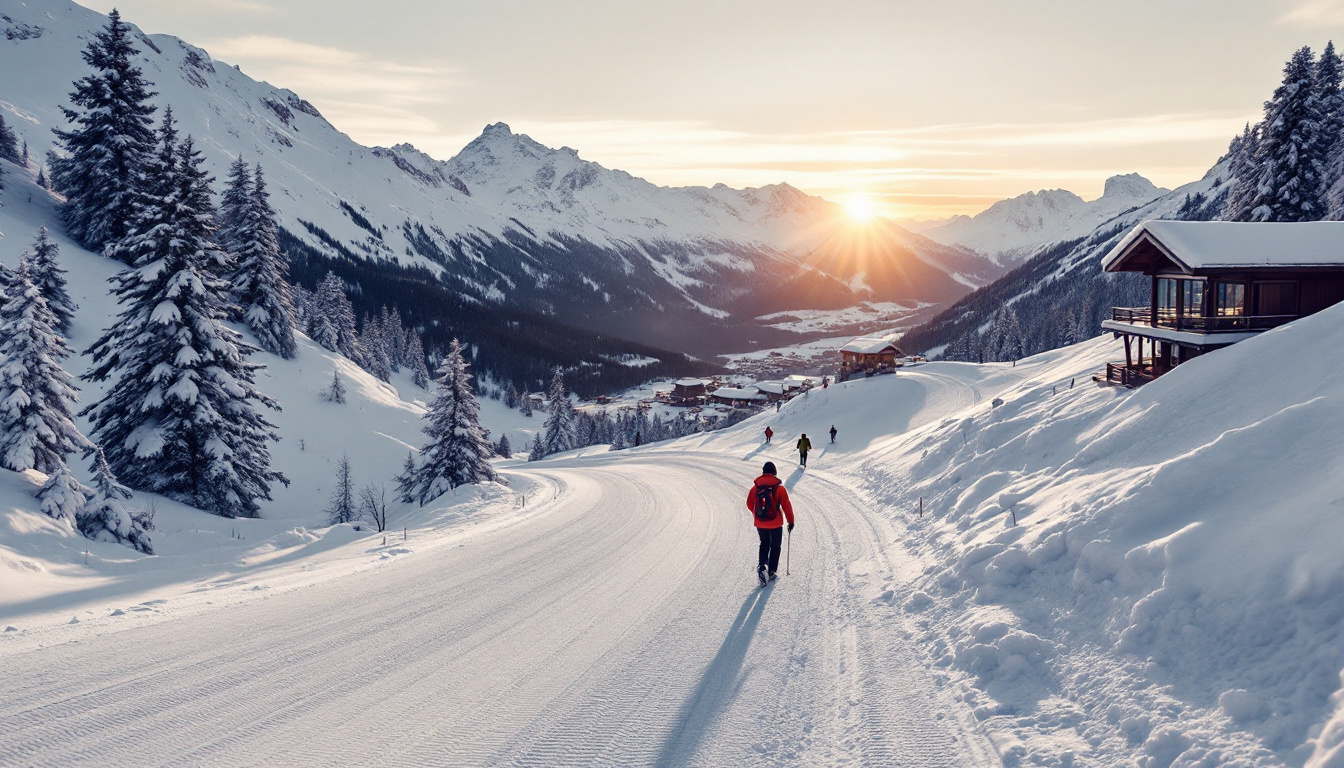
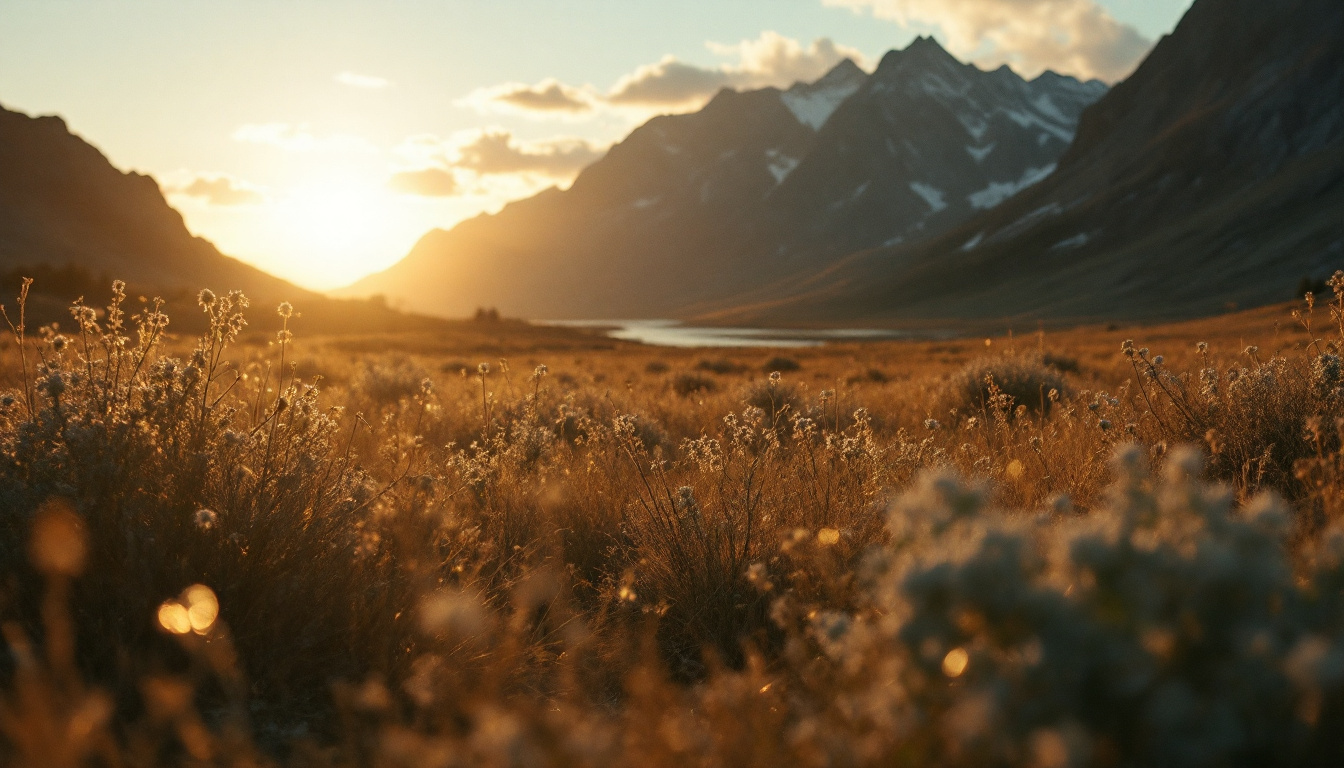
I came from Bilbao at 11:30, which is too early. You should leave Bilbao at 12:00 for a 13:00 sitting and that is plenty. The first half of the drive is the A-8 motorway and the BI-635, neither of which prepare you for the road into the Atxondo valley. The valley opens up suddenly, the mountains close in, and Axpe is a village of perhaps four streets tucked under the western flank of Anboto.
The restaurant sits on the main square. The square is small. The square is also the parking lot. There are perhaps fifteen spaces.
The arrival
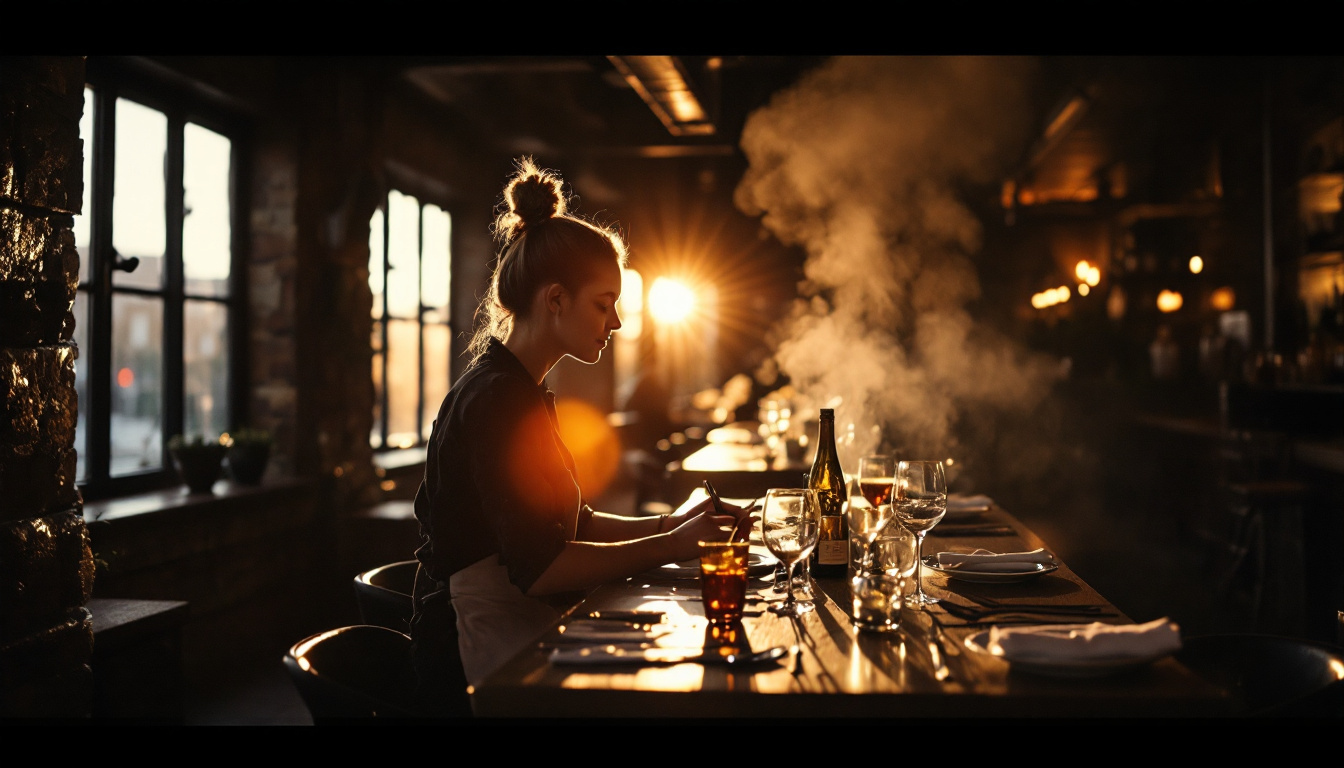
You walk in and the room is not what you expect. The downstairs is a working Basque tavern that runs as a regular asador for villagers and walkers. The restaurant is upstairs. You climb a stone staircase, turn at the landing, and are led into a low-ceilinged dining room with bare wood floors and white walls and tables set wide apart. There are not many tables. The room sits perhaps thirty people in total.
There is no music. There is no design statement. The art on the walls is restrained to the point of disappearance. Everything in the room is calibrated to push your attention onto the plates.
The service is led by Mohamed, the long-time maître d’, who I had read about and who is exactly what the food writers say: precise, warm, fluent in four languages, and capable of conducting a forty-table service without raising his voice. There is a sommelier whose name I did not catch. The wine list runs deep into the Spanish whites and is the right list for the food.
The menu
A single set menu. About a dozen courses. The structural arc — and this has held across visits — runs sea, then land, then the famous milk ice cream. The menu adjusts with the seasons. I will not list every course in order because the menu will change before this dispatch is read, but I want to flag four moments.
The anchovy on toast. This is the opening dish in every version of the menu I have seen. House-cured anchovy on a thin piece of toasted country bread. The anchovy is barely warmed by the grill. The point of the dish is the discipline of the curing — the salt level, the time, the moment of touching it to the heat. You eat it in one bite. It sets the rules for everything that follows.
The grilled prawn. Carabineros from Huelva, brought to the grill alive, cooked over the right coal for the right number of seconds. The shell is crisp. The flesh is barely cooked. The head, which you suck out, is the dish. The plate is the prawn and a small mound of sea salt. Nothing else. There is no garnish because a garnish would be a defeat.
The chuleta. The famous one. Aged Galician beef, cut thick, grilled long enough for the crust and no longer for the centre. Served sliced on a wooden board with the bone in. Two pieces of bread and a small pile of grilled spring onion. The crust is dark, salt-flecked, almost confectionery in the way it shatters. The interior is cool, not cold, with the iron-and-grass flavour that the long-aged carcasses produce. It is the best piece of beef I have eaten this year and probably last year too.
The milk ice cream with beetroot. This is the dish you remember six months later. A small scoop of pure milk ice cream — milk from a herd of cows on a single farm a few kilometres away — set on a thin smear of reduced beetroot. The beetroot is smoky from the grill. The ice cream is barely sweet. The dish is two ingredients and the discipline that it took to put them on a plate. There is nothing else to say about it.
The grills
You cannot see them from the dining room. The kitchen is downstairs and adjacent and the grills — pivoting steel constructions, custom-fabricated, with movable grates that Arguinzoniz designed and which have been copied around the world — are the property’s signature engineering. The fuel is gnarled old vine trunks burned down to coals. Different ingredients get different coals. The whole programme is one chef’s calibration, and you can feel the calibration in every plate.
I went down to see the kitchen at the end of service. I had asked at the beginning and Mohamed said he would see. He saw. It was brief and unceremonious and a privilege.
The wine
A txakoli to begin, a white Rioja from a producer I had not had before to follow, and a glass of older red Rioja with the chuleta. The sommelier did not push. The pours were correct. The pairing arrived without theatre.
The bill
I will not print the number. I will say this: the meal cost less than dinner at a comparable three-star in Paris or Tokyo, more than a meal at a serious Basque sagardotegi, and exactly what it should cost.
After
I sat on a bench in the square for forty minutes. The light moved across the church wall. A village dog walked past and sat for a while at my feet, then left. A woman in a long apron came out of a doorway, swept a stone step, went back inside. The valley was quiet in the way Basque valleys are quiet.
This is the part of the Etxebarri experience that the rankings do not capture. The cooking is the answer to the question why you came. The forty minutes on the bench is the answer to the question why you stay.
Where to sleep
Mendi Goikoa is the inn above the village. Six rooms, simple, with a view down the valley. Book it with the table. The walk down from Mendi Goikoa to Etxebarri in the morning takes about ten minutes. The walk back up after lunch takes longer. Bring flat shoes. Bring nothing else.
The drive back to Bilbao at dusk is its own pleasure if you have not been drinking. If you have been drinking, sleep in Axpe. There is no third option.
Standing Questions
- How do you actually book Etxebarri?
- Online through the restaurant's reservation system, opened on a rolling basis several months in advance. Tables release at midnight Spanish time on the opening date and go within minutes. Lunch service is easier than dinner. Mondays are closed.
- How far is it from Bilbao?
- About 45 minutes by car, southeast of the city. The drive takes you out of the conurbation into the Atxondo valley and the road narrows considerably the last fifteen minutes. There is no public transport that gets you there in time for a 13:00 sitting.
- Is the menu still the tasting only?
- Yes. The kitchen offers a single set menu — about a dozen courses, all touched by the grill. There is no à la carte. The menu changes with the seasons but the structural arc (sea, then land, then the milk ice cream) is consistent.
- Where do you stay nearby?
- Mendi Goikoa, the small inn directly above the village, is the natural answer for anyone who does not want to drive back to Bilbao after a long lunch with wine. There are perhaps six rooms. Book together with the table.