A three-night dispatch from Castello di Reschio, written from the loggia of my suite on the third night with a glass of Sagrantino at my elbow and the bell from the estate chapel doing its eight o’clock work somewhere below me.
Reschio is not a hotel in the way a hotel is a hotel. It is an estate. The hotel — the castle, with its 36 suites — sits at the centre of a 3,500-acre working landscape that includes restored farmhouses, a vineyard, a horse stable, an organic garden, an apiary, and the small chapel I can hear from this loggia. The Bolza family has been here since the mid-1990s, when Count Antonio Bolza bought the estate. The current shape of the hotel is the work of his son, Count Benedikt Bolza, a London-trained architect who has spent two decades restoring the castle and the farmhouse portfolio alongside his wife, Donna Nencia. The hotel opened to the public in 2021.
That is the necessary context. What follows is what three nights looked like.
The drive in
I came from Cortona, which is about forty-five minutes north. The road climbs through hill country in long curves, the surface is good, and the last twenty minutes are through Bolza-owned land. You can tell. The verges are mowed in a way that public roads are not. The cypress lines are planted not at random. The signage is restrained in a way that suggests someone has thought about it.
You arrive at the castle through a long olive-lined approach. The castle sits on a hill — it has sat on this hill for nearly a thousand years — and the road brings you up to a small forecourt where a single member of staff is waiting. No clipboard. No iPad. He had my name and he had my key.
The room
I was in a Loggia Suite on the south side of the castle. The room is large and the proportions are right: high ceiling, deep window reveals, a long fabric headboard, a bath that is its own room with a window onto the loggia. The colour palette is the Bolza palette — warm whites, terracotta, raw linens, the occasional accent of a Bolza-designed object. Count Benedikt’s design studio produces much of the furniture, lighting, and textile in the property. The pieces are quietly identifiable once you have walked the public rooms.
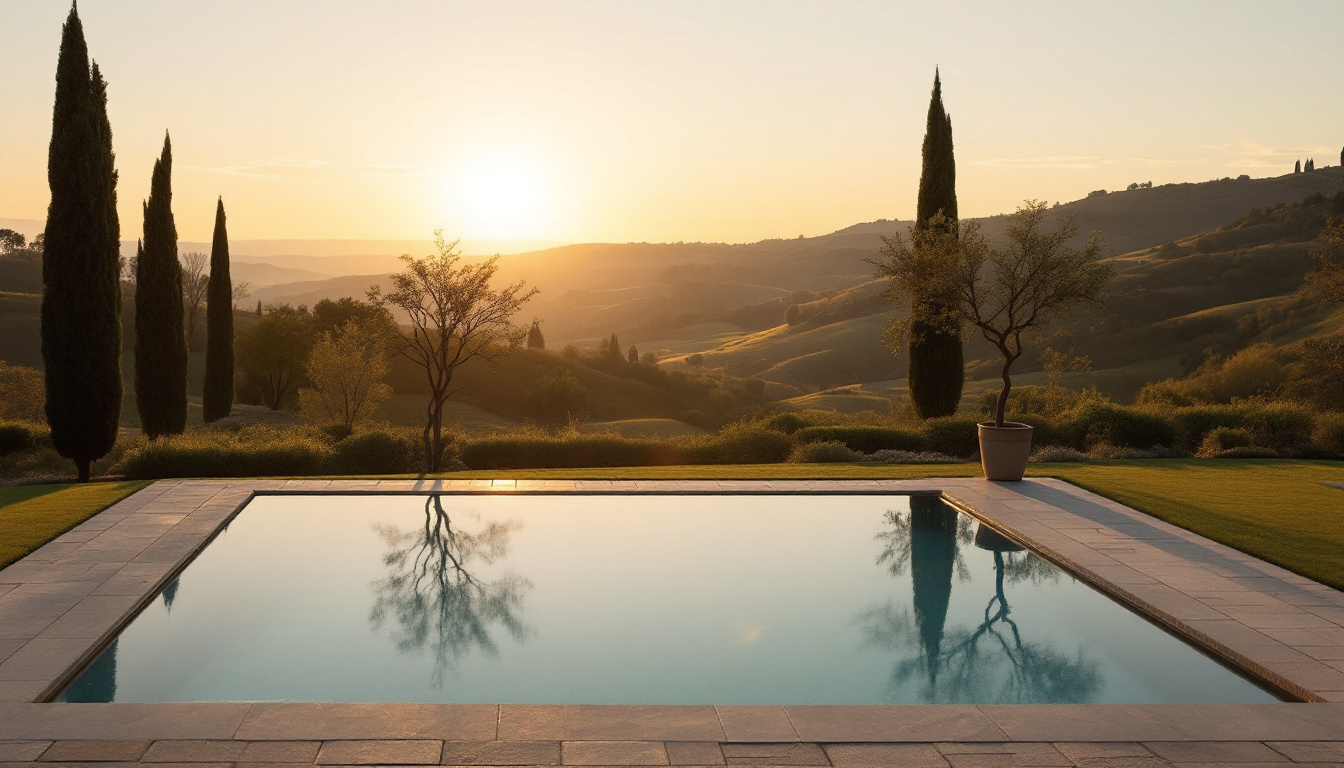
The loggia is the moment. A long, deep, arched terrace running the south face of my floor, with a wrought-iron seating set and a small dining table. The view falls away across the estate’s olive groves and continues to the next set of hills. I had breakfast on the loggia each morning. I had a glass of wine on the loggia each evening. The loggia is the room.
The first morning
Breakfast in the castle’s dining room or on the loggia, your choice. I took it on the loggia. The pastry programme is the right pastry programme — house-baked cornetti, a small loaf of pane casereccio with estate olive oil, a bowl of estate yogurt with estate honey. Eggs cooked any way you ask. A single small pot of coffee, refilled without prompting.
I walked the gardens after breakfast. The kitchen garden is run by a head gardener who has been with the estate for fourteen years and is happy to talk if you happen to be there at the right time. She walked me through the bed she was about to plant out — early summer salad greens, three varieties of basil, a row of finocchio for the late summer kitchen. The kitchen uses everything she grows. Nothing in the dining room is sourced from more than fifty kilometres away.
The horses
Reschio’s stables are a serious operation. The estate maintains a string of horses for guest riding and runs a small breeding programme. The morning ride I took on day two was guided by a stable hand who had been at the estate since the early restoration years and knew every farmhouse on the property by the family that had once farmed it. We rode for two hours through olive grove, past two of the restored farmhouses, and across a ridge that gave the long view east toward Lake Trasimeno. I am not a strong rider; the horse was matched to me carefully. The pace was correct.
Dinner at the castle
Dinner is in the castle’s principal dining room or, in good weather, on the upper terrace. The kitchen is led by a chef who joined the property the year it opened and who cooks an Umbrian-leaning seasonal menu that does not strain to be more than it is. Pasta course is the strong course. The handmade umbricelli with a slow-cooked pork ragu was the dish of my first night. The second night I had a grilled local trout that was correctly cooked and correctly seasoned and required nothing else.
The wine list is the estate’s list — heavy on Umbrian and Tuscan production, with a thoughtful selection of small-grower Sagrantinos that are not on every restaurant list. The sommelier is patient. The pours are correct.
The cellar dinner
On the second night I ate a private menu in the castle’s lower cellar. This is bookable. It is a smaller, slower meal in a vaulted stone room with no natural light and a long communal table that takes eight. There were four of us, paired by the maître d’. The conversation was the kind you only get in low light with strangers and good wine, which is to say frank, slightly indiscreet, and easy to remember.
The spa
The spa is built into the castle’s lower vaults. It is not a vast spa. There is a long pool with vaulted stone overhead, a steam room, a sauna, and a small number of treatment rooms. The pool is the moment. The water is warmed but not hot. The ceiling is the original vaulting. You can swim laps under stone that is older than every other thing you have ever swum under.
I took one treatment, a deep-tissue session calibrated to a long flight and a longer drive, and it was the right treatment.
What the property is for
Reschio is for a particular kind of trip. It is not a quick visit. It is not a one-night stop on a Tuscan loop. It is not a coastal extension. It is its own destination, and three nights is the minimum. Four is better. Travellers who treat it as a base for day trips to Cortona and Assisi and the Trasimeno towns are missing the point — the point is the estate itself, the slow movement through olive grove and cypress line, the breakfast on the loggia, the unhurried dinner, the morning ride.
The economics reflect this. Reschio is not the most expensive property in central Italy but it is among the more deliberate. The cost per night reads correctly once you stop thinking of it as a hotel and start thinking of it as access to a private estate that happens to also keep beds.
A note on the farmhouses
I did not stay in a farmhouse on this visit. I walked through two of them with the property’s villa coordinator. The villas are bookable separately, are larger than the castle suites, and come with separate staff. For a family group of six or more they are the correct answer. The villas closest to the castle share the castle’s restaurant access; the more distant villas come with a private chef option.
Leaving
I leave at 09:30 in the morning. The drive back to Florence is about two hours and the light at the leaving end of the cypress approach will be the right light. The chapel bell is doing its hour now. The Sagrantino is finished. The loggia is the room.
Standing Questions
- When did Castello di Reschio open?
- The hotel opened in 2021 after a long restoration by the Bolza family. The estate itself was acquired by Count Antonio Bolza in the mid-1990s; the hotel is the culmination of a multi-decade project led architecturally by his son Count Benedikt.
- How many rooms are in the castle?
- Thirty-six suites in the castle proper. Separately, the estate operates a portfolio of private restored farmhouses across the wider 3,500 acres, which are bookable as standalone villas with separate service.
- Is it on the Tuscany side or the Umbria side?
- The estate straddles the Umbria-Tuscany border. The castle and the principal estate buildings are on the Umbrian side. Driving distance from Perugia is about an hour, from Cortona around forty-five minutes.
- Is it family-friendly?
- Older children, yes. The estate is well-suited to multi-generational stays in the private farmhouses. Very young children fit less easily in the castle's quieter public rooms but the property does not exclude them.