A pre-dawn dispatch, written by the light of a small lamp on the veranda of the main lodge at Singita Sasakwa with a cup of black coffee and a single cardigan over my safari jacket because the morning air at this altitude is colder than the marketing photographs ever show. It is 05:25. The sky to the east is the colour you get only at the moment before you can see colour. The Serengeti plains below the ridge are still in shadow.
Sasakwa sits on a high ridgeline above the Grumeti Reserve in northern Tanzania. It is Singita’s flagship property — the architectural anchor of the brand’s Grumeti concession, which runs to more than 350,000 acres of the Serengeti Mara ecosystem in partnership with the Grumeti Fund. The lodge has ten cottages. It is built in the manner of a 1920s East African homestead, with deep verandas, polished parquet floors, silver candelabras, and the right kind of restraint about it all.
The veranda
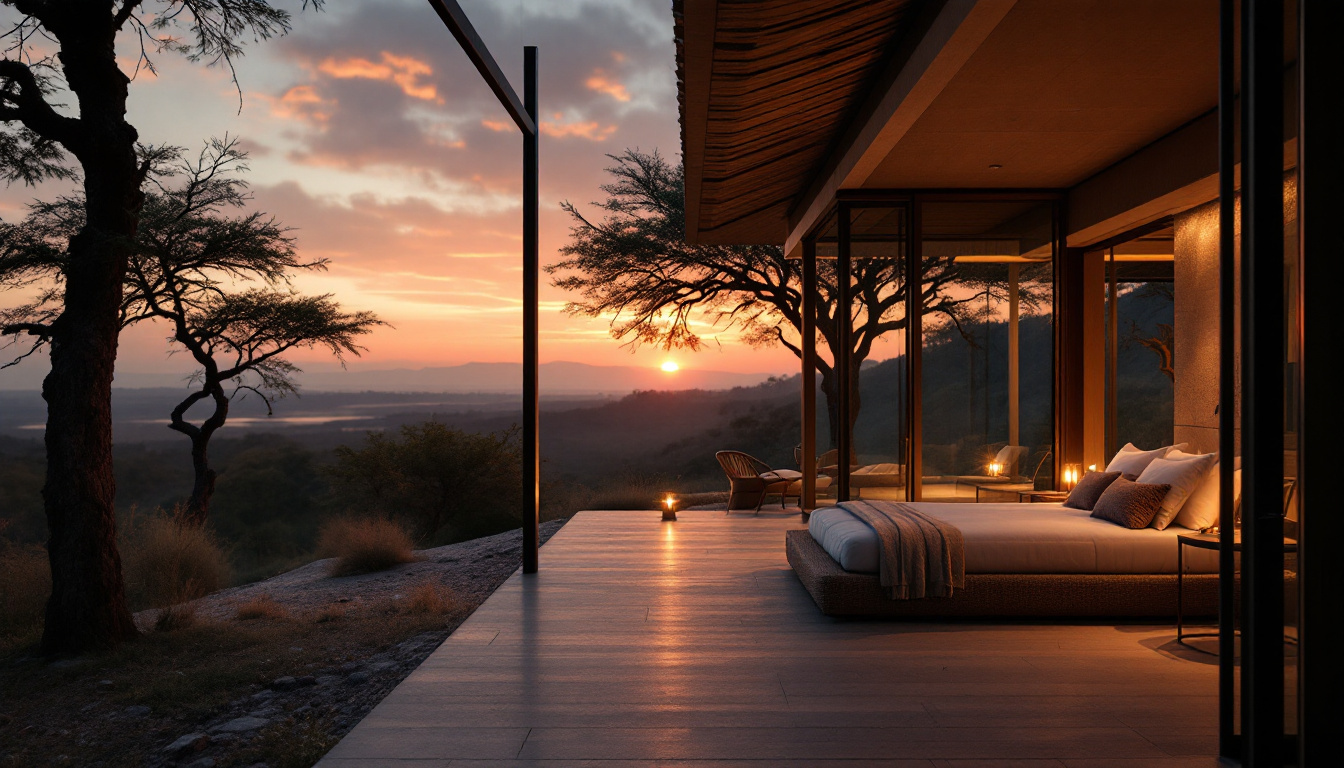
The veranda is the building’s defining gesture and the reason I am up at 05:15. The lodge runs along the spine of the ridge, the main public room is essentially a long room that opens onto a wraparound deck, and the deck looks south across an immense unbroken expanse of plain. On a clear morning — and most mornings here are clear in March — the curve of the horizon is visible.
Coffee is brought out at 05:15 by the night staff. It is a small ritual and it is conducted with the precision that Singita conducts most of its rituals. A French press, a small jug of hot milk, a plate of rusks. You take the coffee, you sit, you wait. The wait is short. The sky begins to show colour at 05:35. The sun is up at 06:10. In between, the plain below the ridge wakes up in stages.
This morning I watched a small herd of elephant come out of the acacia thicket directly below the ridge and walk west across the open ground. Four adults, two juveniles, one calf. The calf was working hard to keep up. The matriarch — I am assuming a matriarch — set a pace that was deliberate without being slow. They were below me for perhaps twelve minutes before they cleared the open ground and disappeared into the next belt of trees.
Behind them, at a distance, a pair of zebra. Behind the zebra, the morning thermals starting to build.
The cottage
I am in one of the ridge-side cottages. The building is large and the proportions are correct: a wide entrance, a high ceiling, a vast bedroom that looks south through tall doors, a separate sitting room with its own fireplace, a deep bath with the same southern view from the tub. The decor is what the Singita brand has been doing for two decades — vintage collectables, tribal cushions, polished local woods, a few well-chosen photographs. The room does not strain to be impressive. The view does the impressive work.
There is a private plunge pool on the deck. I have not used it. The water in March is warmer than I would like for swimming and the deck is the right place to sit dry.
The morning game drive
The 06:00 game drive starts at the front of the lodge with the same long-tenured driver-guide I had the day before. Singita’s guide retention is one of the brand’s quieter advantages. My guide has been with the property for eleven years. He knows the territory the way you know your own street. He knows where the lions are because he saw them three days ago and has been tracking the pride since. He knows where the cheetah was sighted at last light because the radio call came through at 18:40 and he was the one who took it.
We left the lodge gates at 06:14. We were back at 11:00 with a thermos of tea drunk on the road, two distinct lion sightings, a long stretch of giraffe in the morning thermals, and a single distant cheetah on a termite mound that we watched for thirty minutes through binoculars while it watched the plain for what we could not see.
The conservation story is woven into the drive without ever being lectured. The Grumeti Fund’s anti-poaching work, the rehabilitation of the river system, the prey-base recovery — all of it comes out across three hours in small pieces. The guide does not perform it. He explains it when the moment in the landscape asks for it.
Brunch
Brunch at Sasakwa is served on the lawn in front of the main lodge when the weather allows. The kitchen runs a generous spread that leans Mediterranean with East African accents. The local-source detail is real; the vegetables are from a garden on the property, the eggs are from the property’s hens, and the bread is baked in the kitchen each morning. I had a soft-boiled egg, a piece of grilled tomato, a slice of the morning’s bread, and a long glass of water. The afternoon’s heat is real and I wanted to be light for it.
What surprised me
The discretion of the property. Sasakwa could easily lean into the grandeur of its setting and its architectural choices — the silver candelabras, the parquet, the wraparound veranda — and become a Hollywood-set version of itself. It does not. The staff are calm, the public rooms are quiet, the music in the dining room is absent. The ten-cottage capacity is the right capacity for the architecture. Even at full occupancy you do not see other guests on the veranda at dawn. The deck is large enough that you do not need to.
The kids’ programme. Singita has a serious children’s offer at Sasakwa, with a dedicated guide team and a programme that is designed to actually engage children with the ecology rather than to occupy them. I do not have children with me on this trip; I noticed the programme because two of the morning’s other guests did, and the children at the next table at brunch were animated about a track-identification exercise from the morning’s drive in a way that suggested it was the right exercise.
What I would change
The road from the airstrip is bumpy in a way that is normal for the Serengeti and unhelpful for travellers with back problems. There is no fix for this — the landscape is the landscape — but the marketing material under-prepares guests for the thirty-minute transfer.
The wine list is good but the South African selection could be deeper. This is a small note in a long dispatch.
The afternoon
The afternoon programme is open. I will read in the cottage, walk the grounds, possibly take a session in the spa, and be back at the veranda at 16:30 for the start of the long Tanzanian sundowner. The evening game drive is at 17:00. The light at 18:00 in March is the photographer’s light and it will do its work without my help.
I will leave Sasakwa in three days. The veranda will still be here, the dawn will still arrive at 05:35, and the elephants will still come out of the thicket. The property is the steward of a ritual that pre-dates it.
Standing Questions
- How many cottages are at Sasakwa?
- Ten cottages. The architecture takes its cue from a 1920s-style homestead, with grand entrance, wraparound verandas, polished parquet floors, and a careful mix of vintage collectables and locally-sourced craft.
- Where exactly is the Grumeti Reserve?
- Northern Tanzania, west of the Serengeti National Park and part of the broader Serengeti Mara ecosystem. Singita is custodian of more than 350,000 acres of this landscape in partnership with the Grumeti Fund.
- Is this a wildebeest migration camp?
- The Grumeti is on the western corridor of the migration route. The river-crossing season is typically May through July, with the timing varying year to year. Sasakwa is excellent for predator viewing year-round; the migration is a seasonal addition.
- What about Singita Faru Faru or Sabora?
- Both are also on the Grumeti Reserves and run as smaller, lower-key alternatives to Sasakwa. Faru Faru is the river-edge lodge, Sabora is the tented camp on the plains. Sasakwa is the flagship and the most architecturally substantial of the three.