I have stayed at the Beau-Rivage Palace four times — twice in 2018-2019 for the Lausanne Davos-week traffic, again in winter 2022 during a snow-bound Geneva-to-Lausanne re-routing, and most recently for three nights in February 2026 as part of a Swiss-grand-hotel comparison. The February stay forms the basis of this review.
The arrival
The road approach to the Beau-Rivage Palace is the canonical Swiss-lakeside arrival. You leave Geneva on the autoroute (a 50-minute drive in clear conditions), exit at Lausanne-Sud, and follow the Avenue de l’Elysee down to the lake, arriving at a generous Ouchy waterfront and the hotel’s main forecourt — a curving 40-metre approach drive with a porte-cochere of Eugene Jost’s 1908 design and the Place du Port directly beyond. The driver — assuming you have arranged the hotel’s car from Geneva airport — pulls in, the porters take the bags, and you are inside a generous lobby before the engine has cooled.
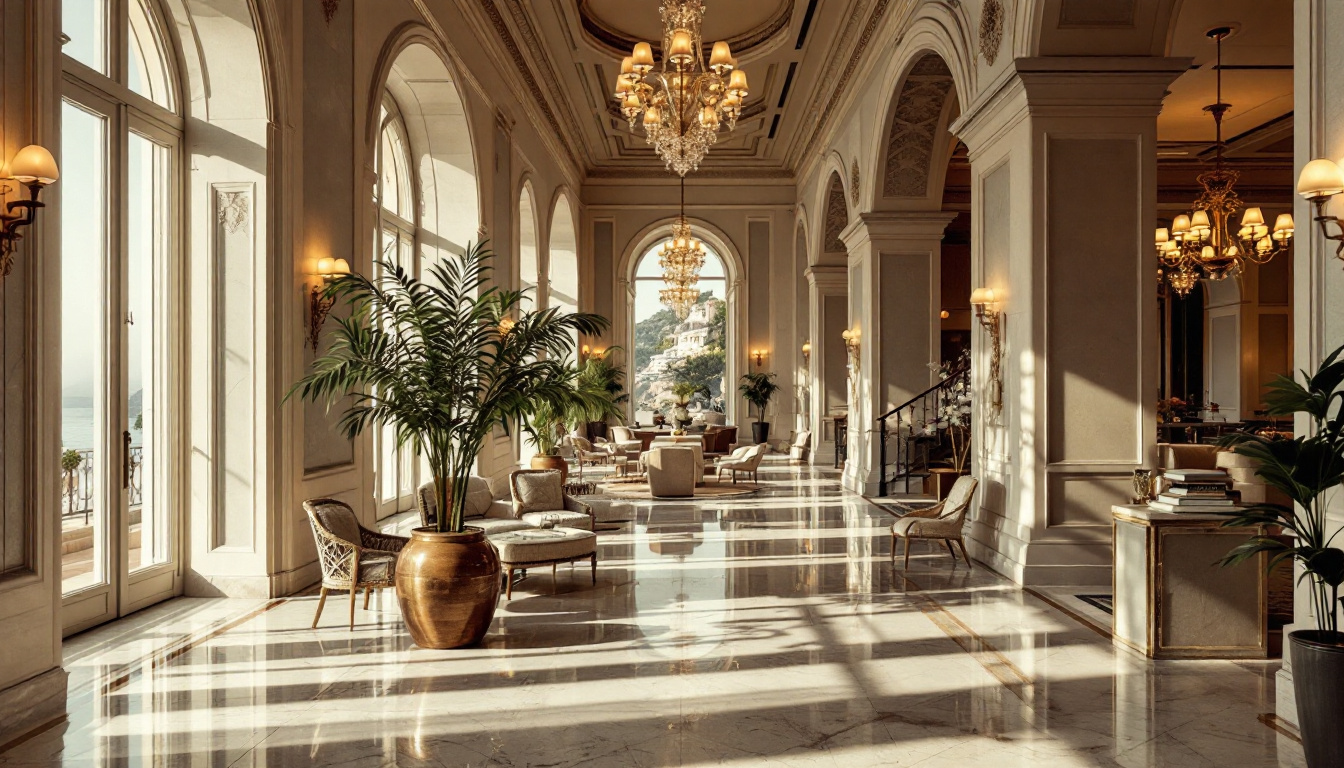
The lobby is the 1908 Palace-wing original, restored under the 1992-1998 renovation that the hotel invested 100 million Swiss francs into. The check-in is handled seated, with a glass of the house Lavaux white wine (from a producer in Saint-Saphorin, 12 kilometres up the lake) and a small dish of Swiss chocolates from Sprungli. The director who handled my February check-in had been with the property for 14 years — a senior manager named Olivier who took the dinner reservation himself and walked me to the room.
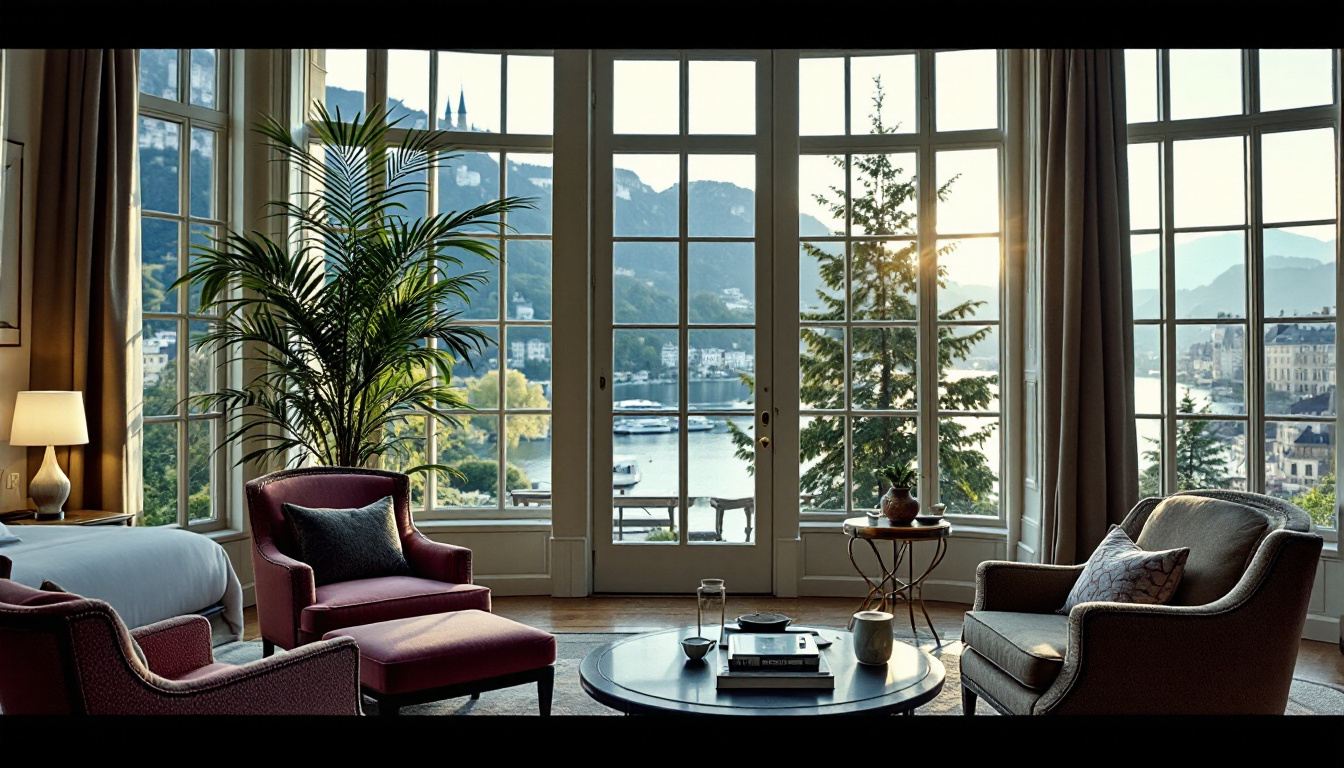
The setting is the lakefront position the 1861 founders selected. The Beau-Rivage Palace sits directly on the Ouchy waterfront, with the Lake Geneva (Lac Leman) facing south, the Mont Blanc massif visible on clear days at a 165-kilometre distance across the lake, and the French Haute-Savoie shoreline directly south at 12 kilometres. The view from the south-facing rooms — across the lake to Evian-les-Bains on the French side, with the Mont Blanc range when the cloud clears — is the canonical Swiss-lakeside hotel view, and the angle is the angle that the 19th-century Romantic painters used.
Setting score: 4.7. The deductions are a small one — the Ouchy waterfront, while quiet by central-Lausanne standards, runs with intermittent boat-traffic noise during the summer Lake Geneva sailing season, and the lakefront promenade is publicly accessible directly in front of the hotel, which means a small loss of the private-grounds feeling that the alpine properties (Badrutt’s, the Carlton St Moritz) deliver.
The suite
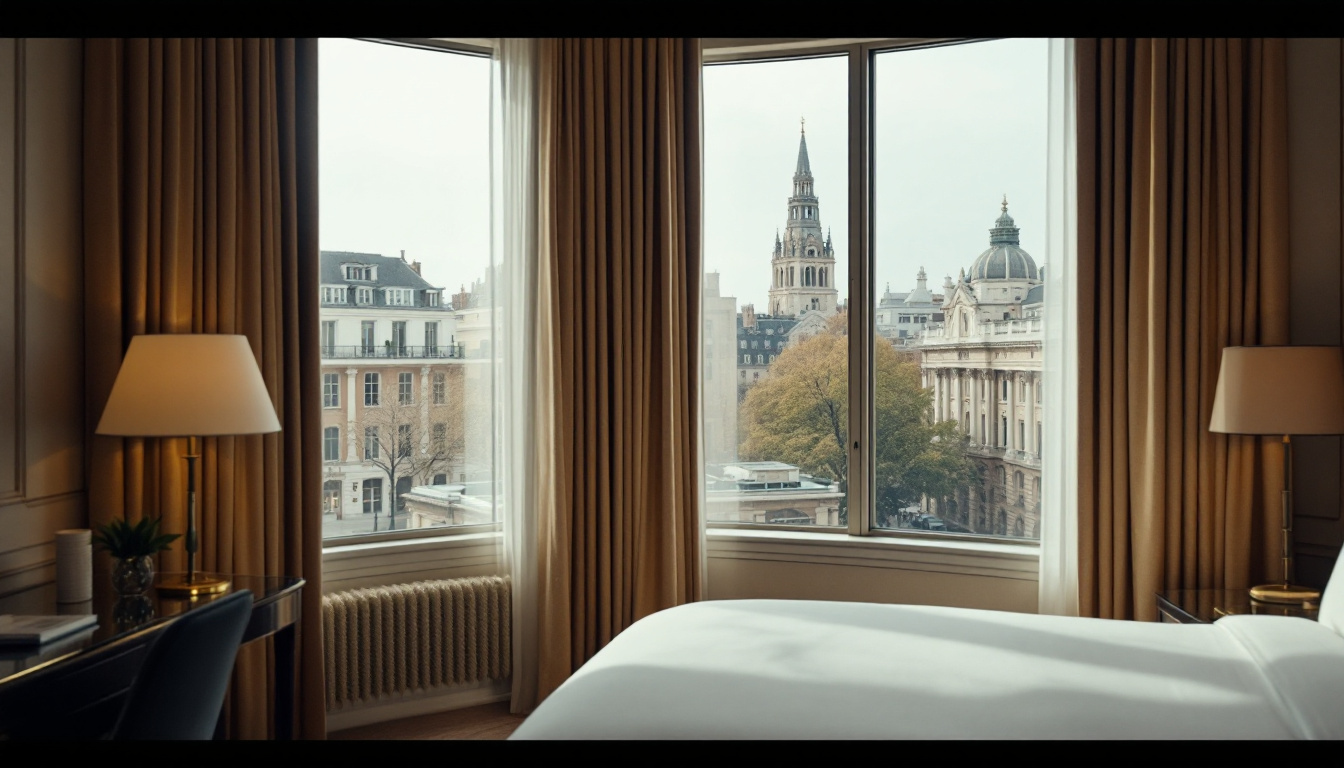
I took a Superior Lake-View room (room 511) on the fifth floor of the Palace wing, south-facing, with a direct sightline across Lake Geneva to the French shore. The room is 38 square metres with a Juliet balcony rather than a full terrace — the Palace-wing architectural envelope does not accommodate full terraces, which is one of the property’s small disadvantages against the Carlton Geneva or the Bürgenstock above Lucerne.
Material specifics:
- The bed is dressed in white Quagliotti linen with a percale handle and a Swiss-made (Daniel Baudin, in Geneva) goose-down duvet at the right weight for February.
- The floor is the original 1908 oak parquet, refreshed under the most recent (2018) renovation cycle, with a small Tibetan rug on the lake-facing side of the room.
- The bathroom is in Carrara marble with a freestanding tub, a separate rain shower, and a double vanity. Amenities are by Hermès — the standard 100ml glass bottles, refilled rather than replaced.
- The minibar is honest. A small carafe of still water from the property’s filtration plant, two small bottles of Lavaux white, a tin of Sprungli chocolates, and a small jar of Swiss honey from a Jura apiarist.
- The room’s air-handling system runs silent and the windows open onto the Juliet balcony — a feature that the contemporary hotel grammar has mostly abandoned.
What the room did not give me, which would lift it from a 4.5 to a 4.7, is the proportion of a full Beau-Rivage-wing suite. The Palace-wing standard rooms are correctly sized for the rate, but the architectural ambition of the property is in the older Beau-Rivage wing’s Premier Suites (the 1861 original building’s signature accommodations), which I had on the 2019 stay and which run roughly 75 square metres with full lakeside terraces.
Suites score: 4.5. The deductions are the Juliet balcony rather than a full terrace and a desk surface that is too shallow for laptop work.
The service
Service at the Beau-Rivage Palace is the dimension on which the property’s 165-year operating tenure shows. The senior team is long-tenured; the front-of-house operation runs at the high end of Swiss hotel standards; the small frictions of running a 168-key property are managed by an operations team whose work is invisible until you start to notice it.
Two moments from the February stay.
On the second afternoon, I asked the concierge — Andre, with the property for 19 years — whether it was possible to arrange a private wine tasting at one of the small Lavaux producers (Domaine Henri Cruchon, in Echichens, was the producer I had in mind). The tasting was arranged for 11 a.m. the following day; the hotel’s driver took me up the Lavaux road in a Mercedes V-Class; the producer’s son met me at the cellar door and walked me through a vertical of his Chasselas verticals back to 2011. The arrangement is the kind of access that requires the concierge to know the Lavaux producers personally, and which the older Swiss luxury hotels deliver as standard.
On the third morning, the breakfast captain — Florence, with the property since 2003 — noticed that I had asked for a particular Swiss-style buckwheat-and-honey porridge on the first morning, and on the second morning had it pre-prepared in advance. The detail is small; the point is that the breakfast operation is paying attention.
Service score: 4.6. The half-point deduction is the front-desk turn-around time during a peak Davos-week check-in window on 16 January 2026 (the only friction I have observed at the property across four stays), which I attribute to the volume rather than to the operating culture.
The table
The Beau-Rivage Palace operates three principal dining rooms. Anne-Sophie Pic au Beau-Rivage Palace — the hotel’s signature dining room — holds two Michelin stars (awarded 2010 for the first star, 2015 for the second, retained continuously since) and runs dinner only Tuesday through Saturday. The Cafe Beau-Rivage holds the all-day brasserie operation. The Sashimi Club, opened 2018, runs a small Japanese counter operation with seven seats.
I took dinner at Anne-Sophie Pic on the second night and lunch at the Cafe Beau-Rivage on both other days.
The Pic dining room — under the day-to-day execution of chef Eugenio Anfuso (in post since 2018, having spent eight years at Pic’s Valence flagship) — runs the recognisable Pic signature: vegetable-forward, layered, technique-confident, with the same kind of careful aromatic build that the family-flagship in Valence is known for. The February tasting menu:
- An opening dish of langoustine from the Brittany coast, dressed with a sauce of fermented blackcurrant and a small dish of Persian-cress oil.
- A ‘Berlingot’ (Pic’s signature dish — a small pasta pillow filled with cheese and herbs) with a sauce of Eparses cheese from the Vacherin Mont d’Or production cycle and a single shaving of Perigord black truffle.
- A John Dory from the Atlantic with a sauce of woodruff and bergamot.
- A pre-dessert of yogurt sorbet with a single drop of honey from the Jura.
- The ‘Millefeuille blanche’ (Pic’s white millefeuille — white-chocolate cream, vanilla, no chocolate at all) which is the dish I would choose if I had only one dish to remember from the room.
The wine list at Pic runs 1,200 references with deep Burgundy and Rhone coverage and credible Swiss representation (the Domaine Henri Cruchon verticals from the 2010s are stocked, which is unusual). Sommelier Pierre Aulagnier — formerly at the Lyon Pic — is the most precise pairing sommelier I have worked with in Switzerland.
The Cafe Beau-Rivage at lunch is the simpler operation: a Swiss-Mediterranean grammar with a small range of classical brasserie dishes. The February lunches I took ran simply — a salad of beetroot and Vacherin Fribourgeois, a roesti with a fried egg, an espresso.
Table score: 4.7. The deduction is the Sashimi Club, which is a small operation that I find good without being a serious competitor to the Japanese fine-dining operations in Geneva proper.
The detail
The detail score at the Beau-Rivage Palace is the area where the property is most clearly behind its Swiss alpine competitors.
From the February stay:
- The spa (Cinq Mondes, in the lower ground floor of the Palace wing) is a 1,500-square-metre operation with a 25-metre indoor pool, three hammams, and a comprehensive treatment list. The spa is competent but does not have the architectural ambition of the spa at Badrutt’s Palace or at the Carlton Geneva; it functions rather than enchants.
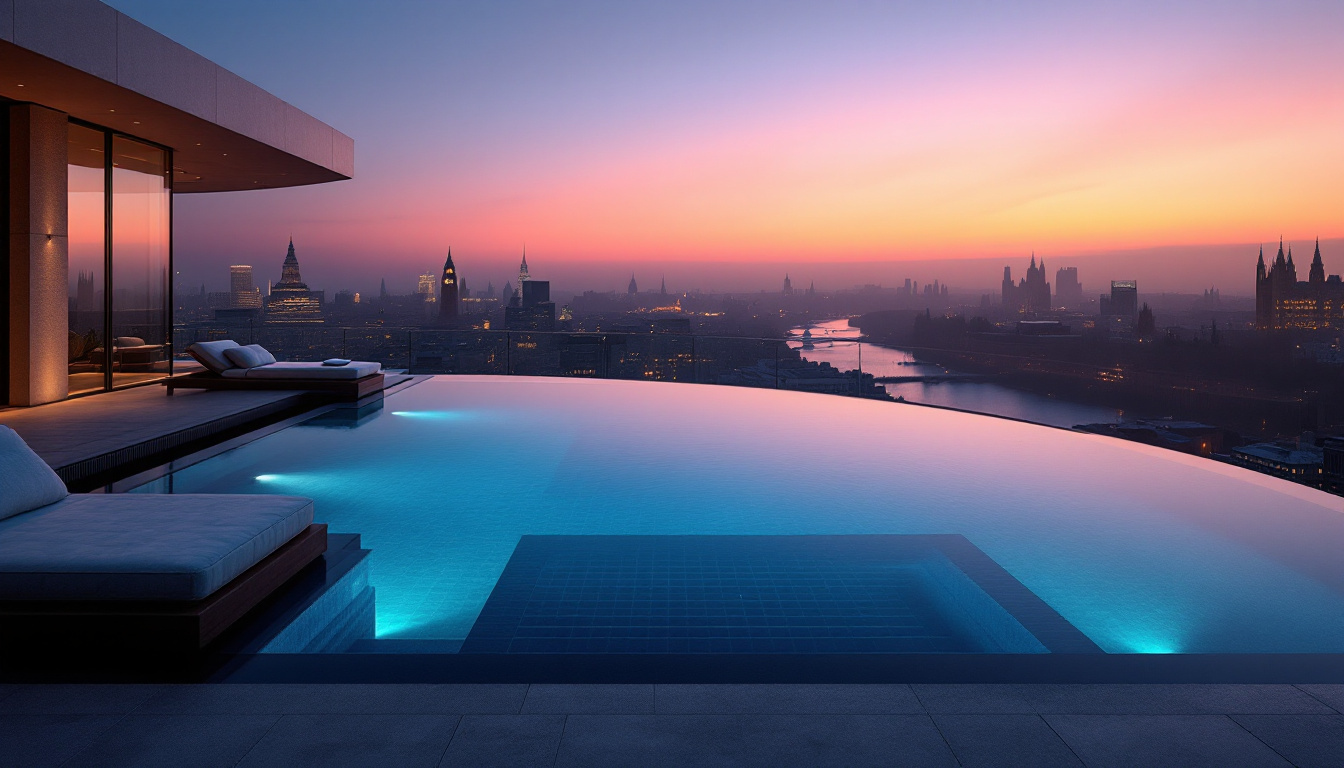
- The pool deck is small for the property’s volume and the season-extension is incomplete — the indoor pool runs year-round but the outdoor terrace is effectively summer-only.
- The hotel’s gardens — a generous 4-acre property with formal beds and mature plane trees — are tended by a head gardener (a man whose name I did not catch) and are most visible from the Cafe Beau-Rivage terrace.
- Turndown delivers a small Sprungli chocolate and a printed card with the next day’s weather. The card is the standard Swiss hotel format; nothing distinctive.
- The hotel’s small fleet of transfer vehicles — three Mercedes V-Class and one BMW 7-series — is competent rather than distinctive.
Detail score: 4.2. The deductions are the spa’s relative architectural anonymity, the small pool deck, the absence of the kind of distinctive operational gesture (the cabana book at Hotel du Cap, the service-tunnel at the Royal Mansour, the launch fleet at the Cipriani) that the higher-scoring properties deliver.
The Standard
| Dimension | Score | Note |
|---|---|---|
| Setting | 4.7 | Lakefront, Mont Blanc sightline, the 1861 plot. |
| Suites | 4.5 | Palace-wing standard rooms correct for rate; Premier Suites stronger. |
| Service | 4.6 | The Lavaux tasting arrangement; Florence’s breakfast attention. |
| Table | 4.7 | Anne-Sophie Pic at two stars; the Berlingot. |
| Detail | 4.2 | Spa is competent; small pool deck; no distinctive gesture. |
Property score: 4.54.
Verdict
At the Standard.
The Beau-Rivage Palace is the most under-appreciated grand-hotel proposition in Switzerland. The property has been continuously operated under serious management since the 1861 opening; the 1923 Treaty of Lausanne was signed in its Salon Sandoz; the Anne-Sophie Pic dining room delivers two-star cooking at a rate that the Geneva flagship competitors do not match. The detail dimension is the one weakness; the operating culture and the dining room are the strengths.
If you are choosing between the Beau-Rivage Palace, the La Reserve Geneva, and the Carlton Geneva for a Swiss-lakeside week, the Beau-Rivage Palace is the option that most rewards the guest who wants the older Swiss grand-hotel grammar — the 1861-1908 building, the lakeside garden, the two-star dining room, the long-tenured service culture. The Geneva options run more contemporary registers and command higher rates; the Beau-Rivage Palace is the more honest proposition.
Reservations
Beau-Rivage Palace, Place du Port 17-19, 1006 Lausanne, Switzerland. Reservations: +41 21 613 33 33 or via the hotel’s central booking. The property operates year-round.
February rates from CHF 980 for a Superior lake-view room; Junior Suites from CHF 1,450; the Royal Suite (the property’s largest, on the top floor of the Palace wing, with full lake-view terrace) from CHF 8,200.
Geneva-Cointrin airport (GVA) is a 50-minute transfer in clear conditions; the hotel will arrange a Mercedes S-Class. From Zurich, the routing is the 2 hour 30 minute drive on the A1 or the 2 hour 15 minute direct SBB train to Lausanne. The hotel does not run airport-helicopter transfers; private helicopter is available on request through a third-party operator.
Standing Questions
- Is the hotel walkable to central Lausanne?
- Yes, but the walk is uphill. The hotel sits in Ouchy, the lakeside district, with central Lausanne (Place St Francois) a 25-minute walk up the hill or a 6-minute funicular ride from Ouchy-Olympique to Flon.
- Is the hotel open year-round?
- Yes. Unlike many Swiss alpine properties, the Beau-Rivage Palace runs year-round; the winter season (December-March) is the lower-rate window.
- Did the Treaty of Lausanne really get signed at the hotel?
- Yes. The 1923 Treaty of Lausanne — which formally ended the Greco-Turkish War and established the modern borders of Turkey — was signed at the Beau-Rivage Palace on 24 July 1923. The Salon Sandoz, where the signing took place, is preserved and used for private events.
- What is the Anne-Sophie Pic dining situation?
- Anne-Sophie Pic operates the hotel's principal fine-dining room (Anne-Sophie Pic au Beau-Rivage Palace) and holds two Michelin stars. The room runs dinner only, Tuesday through Saturday. The Cafe Beau-Rivage runs the all-day operation; the Sashimi Club holds the small Japanese counter.
- Is there a spa?
- Yes. The Cinq Mondes spa, on the lower ground floor of the Palace wing, runs 1,500 square metres with a 25-metre pool, three hammams, and a treatment list of 32 items.