I have stayed at Hotel Cipriani three times — first as a journalist at the 2017 Biennale, again on a private four-night booking in October 2021, and most recently for five nights in April 2026, deliberately scheduled to overlap with the opening week of the 2026 Architecture Biennale. The April stay forms the basis of this review.
The arrival
You do not arrive at the Cipriani by car. There are no cars in Venice; this is the first thing every Venice review has to address, and at the Cipriani the answer is more elegant than at any of the city’s mainland-side competitors.
The hotel keeps a launch berth at the Calle Vallaresso landing in San Marco — a 50-metre walk from the Hotel Danieli and 200 metres from Piazza San Marco itself. The launches are Riva-built (mostly the Aquarama and the Iseo models), polished, captained by a small team of full-time boatmen, and run on a 24-hour basis. The 13.30 launch I took on 12 April carried four guests and three porters, and made the Giudecca Channel crossing in four minutes flat. The arrival angle — coming around the tip of Giudecca with the Salute on the right and the Cipriani’s gardens opening up on the left — is the single best hotel arrival in Europe. There is nothing in Paris, Rome or London that compares.
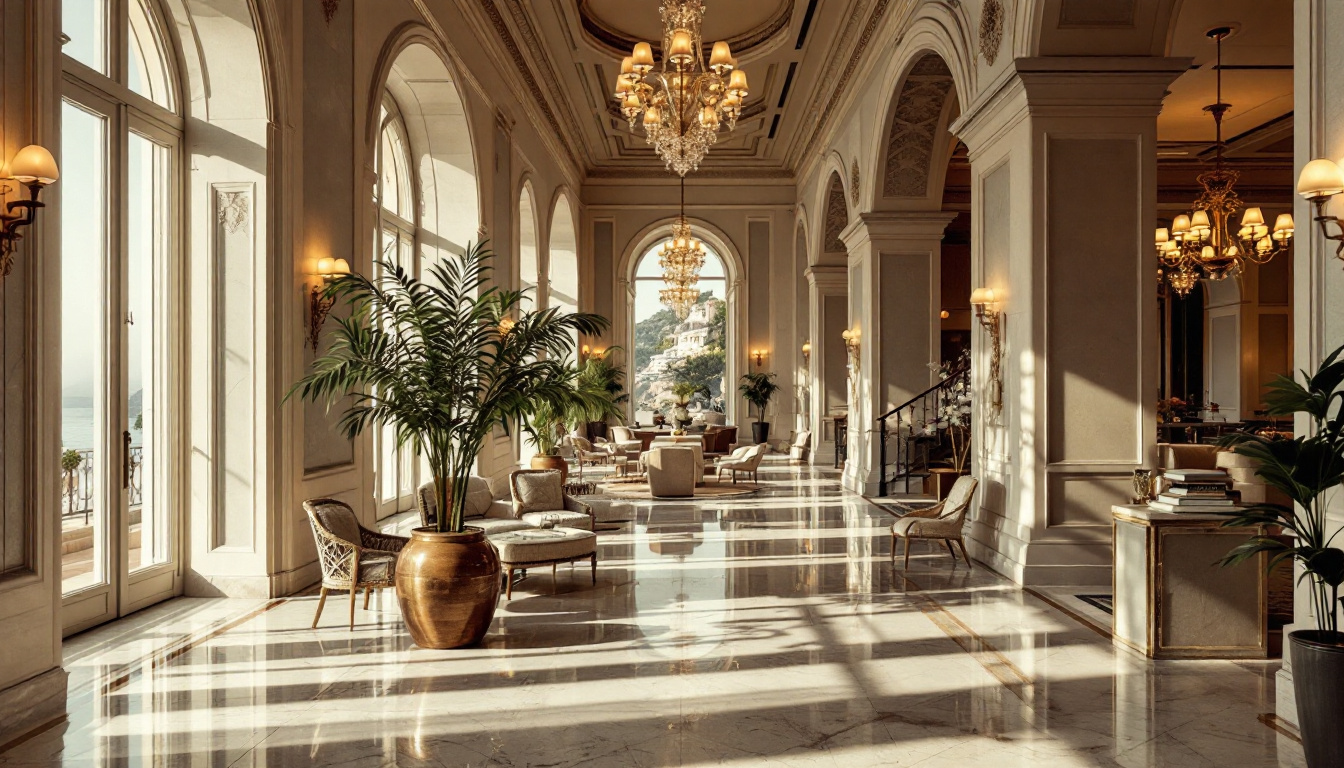
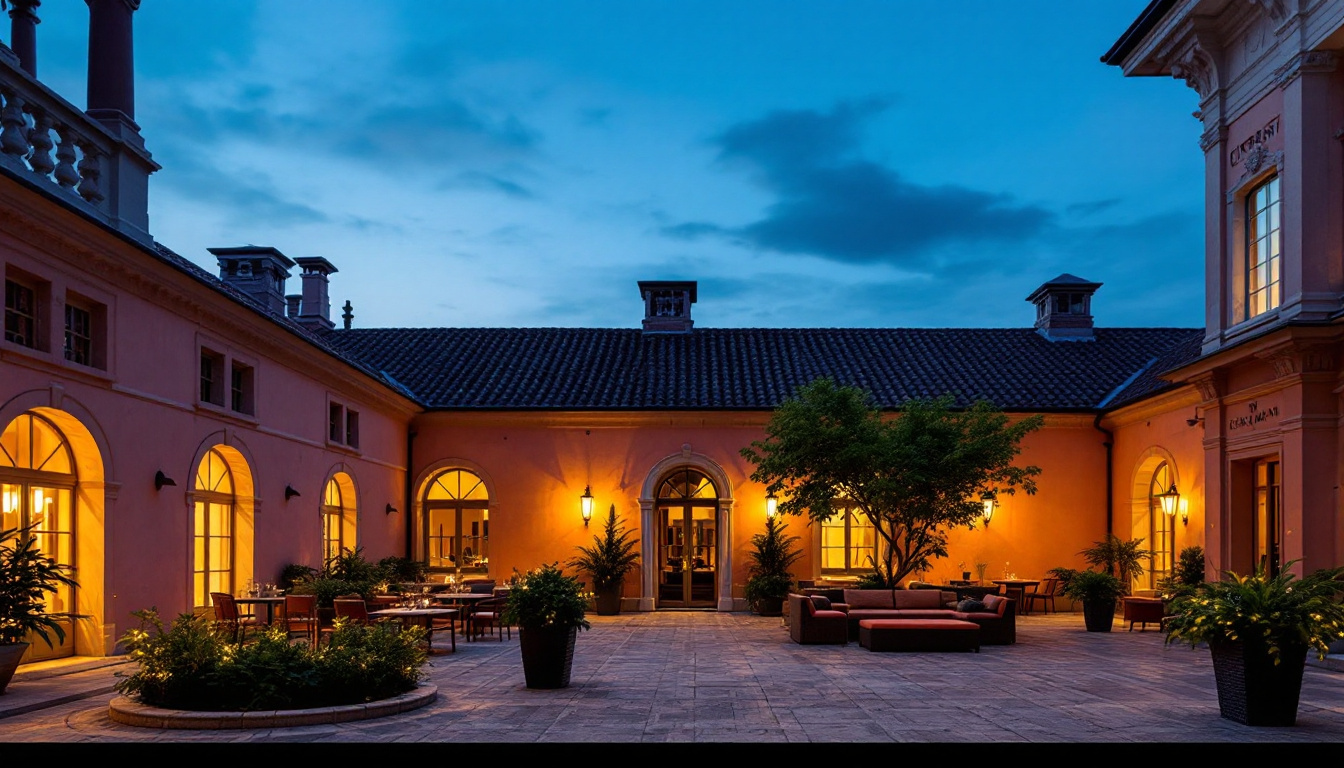
The lobby itself is set back from the water, accessed through a small private dock and a stone-flagged courtyard. The check-in is handled seated, with a glass of the house Bellini (Giuseppe Cipriani’s 1948 invention) and a small cold towel. The director who handled my check-in had been with Belmond for 19 years and remembered, accurately, that I had stayed in 2021.
The setting is the three-acre garden plot Giuseppe Cipriani secured in 1956 — at the time the cheapest land in Venice, on a then-deserted Giudecca, a plot the city authorities considered effectively unsellable. The Guinness sisters (the three daughters of the 2nd Earl of Iveagh) put up the funding; the hotel opened on 26 May 1958; and the gamble — that Venice would tolerate a luxury hotel on Giudecca, four minutes by boat from the conventional hotel district — has paid off every season since.
Setting score: 4.8. The deduction is the Giudecca itself, which is residential and quiet but lacks the urban energy of the San Marco side; guests who want a hotel from which they can walk to dinner will find the operating model demands the launch.
The suite
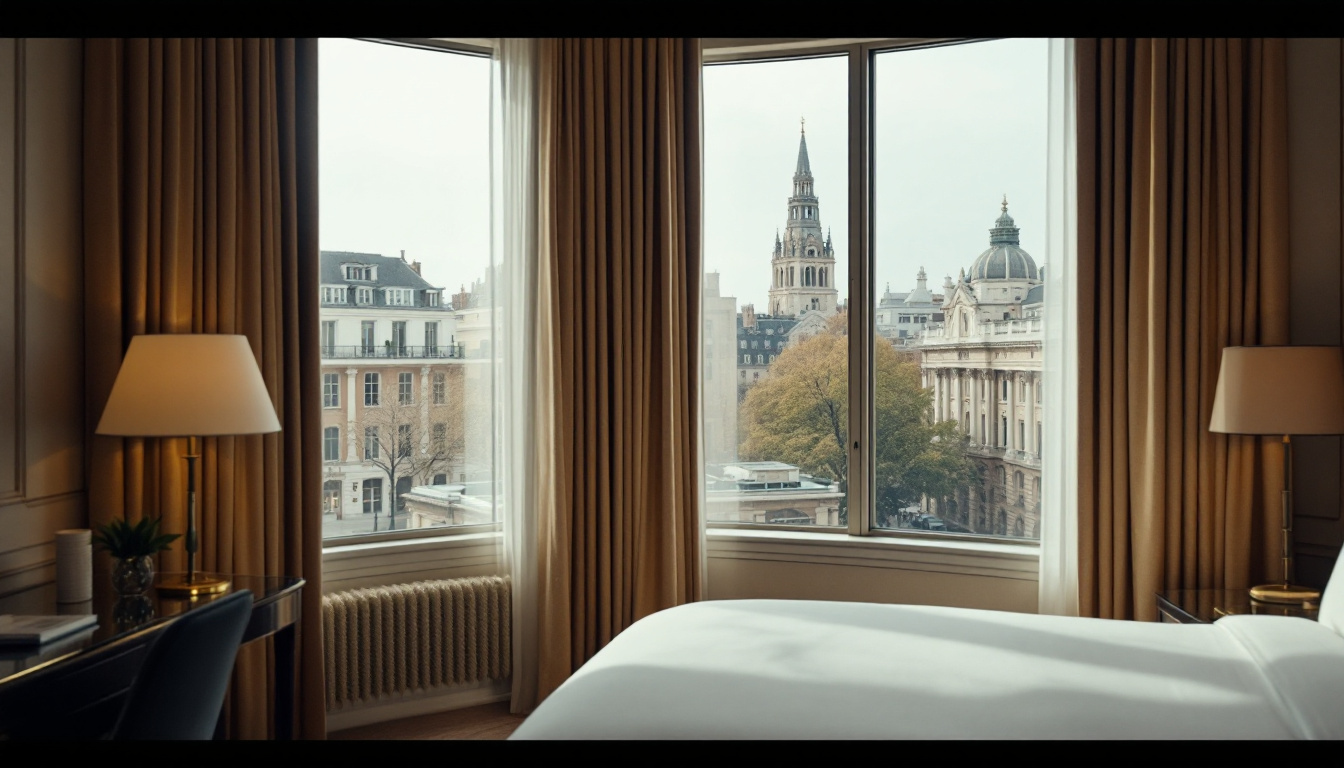
I took a Junior Suite in the Palazzo Vendramin (suite 405), the 15th-century palazzo annex on the eastern edge of the gardens. The suite is 65 square metres with a 22-square-metre private terrace overlooking the Giudecca Channel and a direct sightline to the Doge’s Palace across the water.
Material specifics:
- The bed is dressed in Fortuny-print linen on the canopy and in white Frette percale at the bedding layer. The Fortuny reference is not a tourist nod; the Fortuny factory remains operative on the Giudecca, four minutes’ walk from the hotel.
- The floor is Venetian terrazzo, original to the palazzo, recently restored under the 2021 refurbishment overseen by Adam Tihany.
- The bathroom is in Carrara marble with a separate tub and rain shower. Amenities are Acqua di Parma in the standard 75ml glass bottles, refilled rather than replaced.
- The minibar is honest. A Riedel decanter of still water replenished morning and evening; two small bottles of Prosecco from Bisol on the Giudecca; a tin of Cipriani-brand grissini and one of the house’s lemon biscuits; nothing in the minibar that costs more than EUR 12.
- The Vendramin suites carry butler service. My butler, Stefano, introduced himself at check-in, then made himself useful (pressing a shirt, securing a 5 p.m. Bellini at Harry’s Bar across the water) without ever entering the suite while I was in residence. The art of the unobtrusive butler — present when wanted, invisible when not — is harder to deliver than the brochure copy suggests.
What the suite did not give me, which would lift it from a 4.6 to a 4.8, is silent air conditioning. The system, audible at night when set below 21 degrees, was a recurring small noise that the otherwise-perfect quiet of the Giudecca made conspicuous. The hotel director acknowledged the issue and noted that a 2027 mechanical refresh is planned.
Suites score: 4.6. The deduction is the air conditioning and the Vendramin’s intermittent canal sound from the early-morning vaporetto traffic.
The service
Cipriani service is Belmond’s most polished operation, and (in my reading) the closest the group comes to delivering the kind of generational service culture that Hotel du Cap or the Ritz Paris run as their core proposition.
Two moments from the April stay.
On the second afternoon, I asked the front desk if a particular table at Vini da Gigio (in Cannaregio) might be possible for dinner on 48 hours’ notice — Vini da Gigio is the Venetian wine bar where I had taken a memorable meal in 2019 and which has become considerably harder to book since. The concierge, Andrea, replied that he would call. The call took four minutes; the table was secured; and Andrea added, without prompting, that he had arranged the launch to drop us at the Madonna dell’Orto landing rather than San Marco, “because it is a four-minute walk from there rather than a 20-minute walk from San Marco.” This is the kind of intervention that requires the concierge to know the city, not just the hotel.
On the fourth morning, my wife asked the breakfast captain — a man named Maurizio who has worked at the Cipriani for 22 years — whether the pastry chef might be able to make a particular orange marmalade my grandmother used to make. She gave him the rough proportions from memory. At the fifth morning’s breakfast a small ramekin of orange marmalade appeared, made overnight by the pastry team, with the right balance of bitter and sweet. Maurizio’s card on the saucer read: “I hope it is close.”
The hotel runs roughly 280 staff against 95 keys, which is the high end of European staff-to-key ratios and shows in every interaction. The launch captains, the gardeners, the pool boys, the bar staff at Cip’s — all of them have been in post for, by my asking, an average tenure I would estimate at 12 to 14 years. The Belmond brand has not churned the operating team, which is the most important fact about the hotel.
Service score: 4.8. The half-point deduction is the launch dispatch, which during peak Biennale arrivals on the 14 April morning ran 12 minutes behind the published schedule.
The table
The Cipriani has three serious dining rooms. The Oro, on the ground floor of the main building, holds one Michelin star (awarded 2007, retained continuously) and serves dinner only, in a circular room with frescoes by Otello De Maria. Cip’s Club, on the lagoon terrace at the eastern tip of the gardens, is the lunch table — directly facing San Marco, set 30 metres from the water, with the best lagoon view from any restaurant in Venice. The Porticciolo, by the pool, runs casual lunch in summer.
I took dinner at the Oro on the second night and lunch at Cip’s on the third and fifth days.
The Oro under executive chef Riccardo Canella (in post since 2019, previously sous at Noma) runs a tasting-menu format with eight courses and a Venetian-lagoon orientation that is more textural and less heavy than the previous chef’s grammar. The April menu:
- Raw scampi from Chioggia, plated with a smoked lemon broth and a single shaving of black truffle from Norcia.
- Risotto al nero with cuttlefish from the lagoon, served in the cuttlefish’s own shell.
- A turbot from the Adriatic, cooked on its bone, with a sauce of clams and parsley.
- A pre-dessert of fior di latte gelato with a single drop of Cipriani Olive Oil.
- A Cipriani millefoglie — the hotel’s signature, a layered pastry of caramelised puff and Chantilly cream that has been on the menu, in some form, since 1958.
Cip’s lunch is the meal I would defend as the strongest food-and-setting combination in Venice. The menu is short — eight starters, six pasta, four secondi — and built around the Cipriani family classics (the carpaccio Giuseppe invented in 1950, the calf’s liver alla veneziana, the pasta with white truffle in autumn). I ate the carpaccio on both lunch visits because, four years after my last visit, the version Cip’s serves is still the version every other hotel kitchen in the world is approximating.
The Cipriani wine list runs 950 references with depth at the Veneto and Friuli end (full verticals of Quintarelli Amarone back to 1985, of Miani Friulano back to 2003) and the credible Burgundy depth the Oro requires. Sommelier Marco Lorenzon (in post since 2014) is the most precise pairing sommelier I have worked with in Italy.
Table score: 4.6. The half-point deduction is the Porticciolo lunch, which I found uneven on the third day’s visit — the salad of grilled vegetables was undersalted, and the espresso came lukewarm.
The detail
The detail score at the Cipriani accumulates in the small operational decisions that distinguish a long-established luxury hotel from a recently-opened one.
From the April stay:
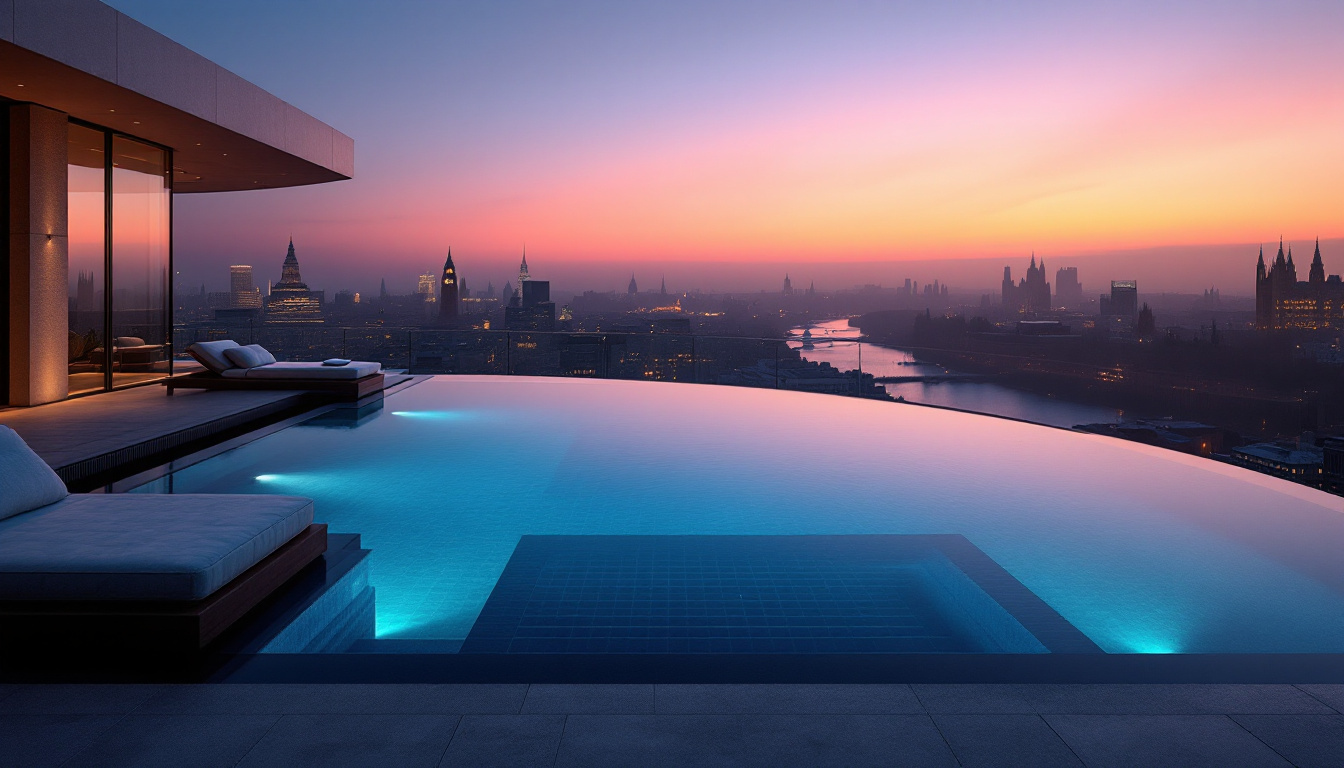
- The Olympic saltwater pool is filtered every 40 minutes and runs at 27 degrees in April. The pool boys keep a paper sun-lounger reservation book at the deck entrance, identical in form to Hotel du Cap’s; the system is first-come, no upsell, no premium tier.
- The hotel’s launch fleet runs three Riva Aquaramas (1968, 1971, 1973), one Riva Iseo (2008), and one larger Limousine launch (a Castagnola, 2002) for group transfers. The wooden boats are oiled and revarnished annually at the Castagnola yard in Lake Como — Belmond pays the freight.
- The hotel’s gardens — three acres, the only private garden of this size in central Venice — are tended by a head gardener, Roberto, who has been in post since 1998. The kitchen garden supplies the Oro with herbs, edible flowers, and the white-asparagus crop in April. I walked the garden with Roberto on the third afternoon; he can name every plant in Italian, Veneto dialect, and Latin.
- The Cipriani’s small spa, in a separate building near the pool, includes a hammam built from Carrara marble. The treatment list runs to 24 items; the spa manager refused to upsell me to any of them and, when I asked for a 90-minute deep-tissue, offered the 60-minute version “because the hammam will do the rest of the work for free.”
- Turndown delivers a small jar of Cipriani-brand cherry preserve on the first night and a hand-written weather card for the following day. The cherry preserve is made at the hotel’s pastry kitchen from cherries grown on a Belmond-affiliated farm in the Veneto.
Detail score: 4.6. The half-point deduction is the Wi-Fi in the Palazzo Vendramin, which during the Biennale period was noticeably congested in the late afternoon — the hotel’s IT manager attributed the issue to the 2026 Biennale press load and is upgrading the network for 2027.
The Standard
| Dimension | Score | Note |
|---|---|---|
| Setting | 4.8 | Giudecca, three acres of garden, the launch arrival. |
| Suites | 4.6 | Palazzo Vendramin holds the rate; air-conditioning fix pending. |
| Service | 4.8 | The Maurizio marmalade. 280 staff against 95 keys. |
| Table | 4.6 | Oro at the top, Cip’s at lunch, the Cipriani carpaccio. |
| Detail | 4.6 | The Riva fleet, the gardens, the cherry preserve. |
Property score: 4.68.
Verdict
At the Standard.
The Cipriani is the most-tested proposition in European hospitality: a hotel that opened with backing from three Guinness sisters in 1958, was acquired by the predecessor of what is now Belmond in 1976, and has been continuously held under serious ownership for 68 seasons. The operating culture has the depth that comes only from this kind of continuous tenure.
If you are choosing a Venice hotel for an April Biennale stay, the case for the Cipriani — over the Aman, the Gritti Palace, the Danieli — is that it is the only one of the four that is on its own island, with its own garden, its own boat fleet, and an operating team with the kind of tenure that produces the marmalade-on-day-five gesture. The launch crossing is the cost; the Giudecca position is the benefit; the rest is the work of 68 years of consistent operation.
Reservations
Hotel Cipriani, A Belmond Hotel, Giudecca 10, 30133 Venice, Italy. Reservations: +39 041 240 801 or via the Belmond central booking. The 2026 season runs 13 March to 9 November.
April rates from EUR 1,650 for a Garden room (main building); the Palazzo Vendramin Junior Suites from EUR 4,200; the Palazzo Vendramin Pope’s Suite (the canal-front master) from EUR 18,500.
Venice Marco Polo airport (VCE) is a 25-minute private water-taxi transfer; Belmond will arrange a Cipriani launch direct from the airport’s water-taxi dock. From the rail station at Santa Lucia, the same launch service is roughly 15 minutes.
Standing Questions
- Is the hotel only reachable by boat?
- Yes. The Cipriani sits on the Giudecca island, four minutes by private launch from San Marco. The hotel runs its launch 24 hours a day and the crossing is the most spectacular hotel arrival in Europe.
- Is the pool actually saltwater?
- Yes. The 50-metre Olympic pool — the only pool in central Venice — is filled with filtered Adriatic seawater and is heated to 27 degrees during the season.
- When does the Cipriani open for the season?
- The hotel runs broadly mid-March to mid-November. The 2026 season opened on 13 March and closes on 9 November. The Palazzo Vendramin annex and the Cip's restaurant operate to the same dates.
- Is Harry's Bar across the canal connected to the hotel?
- It is now operated separately. Giuseppe Cipriani founded both — Harry's Bar in 1931, the hotel in 1958 — but the bar passed out of family control before Belmond's predecessor acquired the hotel, and Harry's Bar is today owned independently by Arrigo Cipriani's branch of the family. The hotel maintains a strong working relationship and the launch will take guests on request.
- What is the Palazzo Vendramin?
- A 15th-century palazzo annex on the Cipriani's grounds, holding 11 of the hotel's most exclusive suites, each with butler service and a private garden or canal terrace. It is the route to take if you want the Cipriani experience with more privacy than the main building offers.