I have stayed at Borgo Egnazia three times — first in 2017 for a wedding hosted at the property, again for two nights in 2021 during a wider Puglia tour, and most recently for four nights in May 2026 in a Corte Suite. The May 2026 stay forms the basis of this review.
The arrival
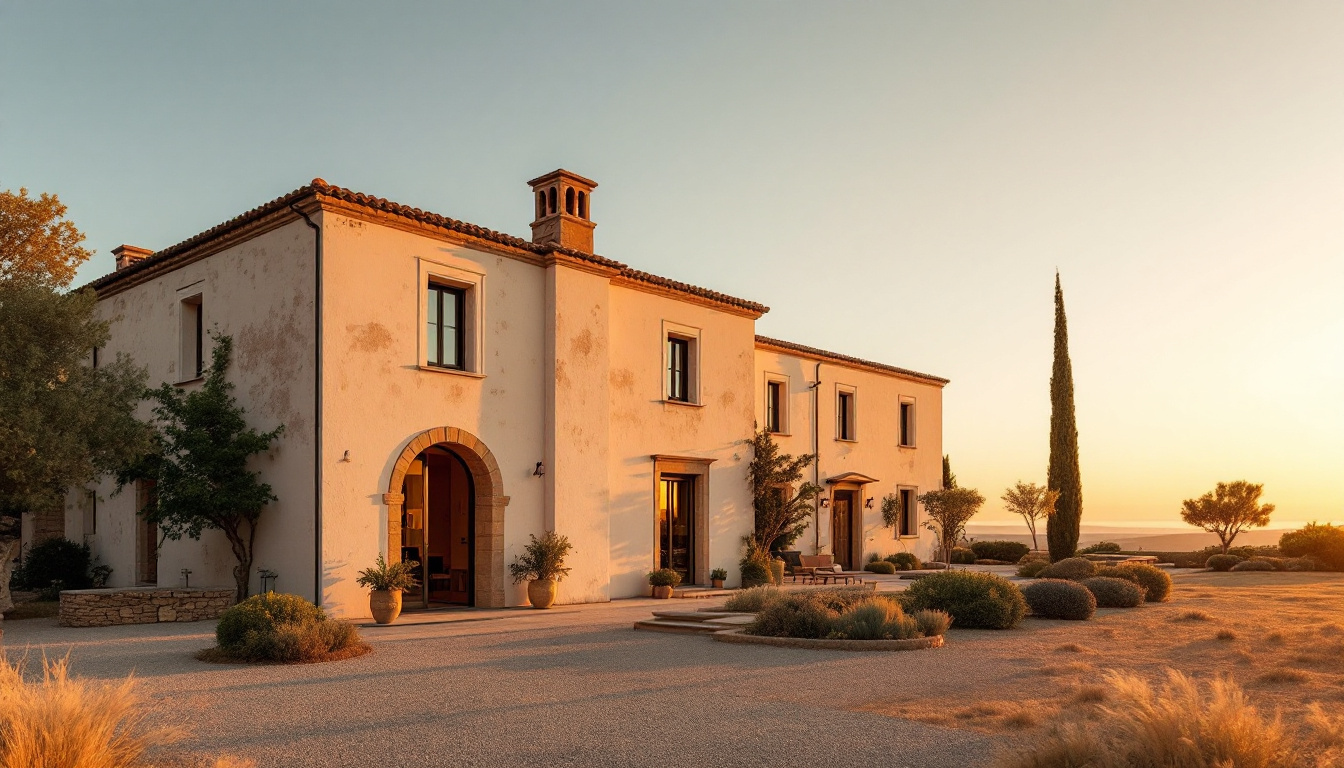
The road approach to Borgo Egnazia is the canonical southern-Italian arrival. You leave the SS379 (the Adriatic coastal road) at the Fasano-Savelletri exit, follow the SP90 for 3 kilometres through olive groves toward the coast, and arrive at a small gate at the property’s principal entrance — a generous stone-arched gatehouse with the property’s name in inset brass letters and a small forecourt where the porters meet the cars.
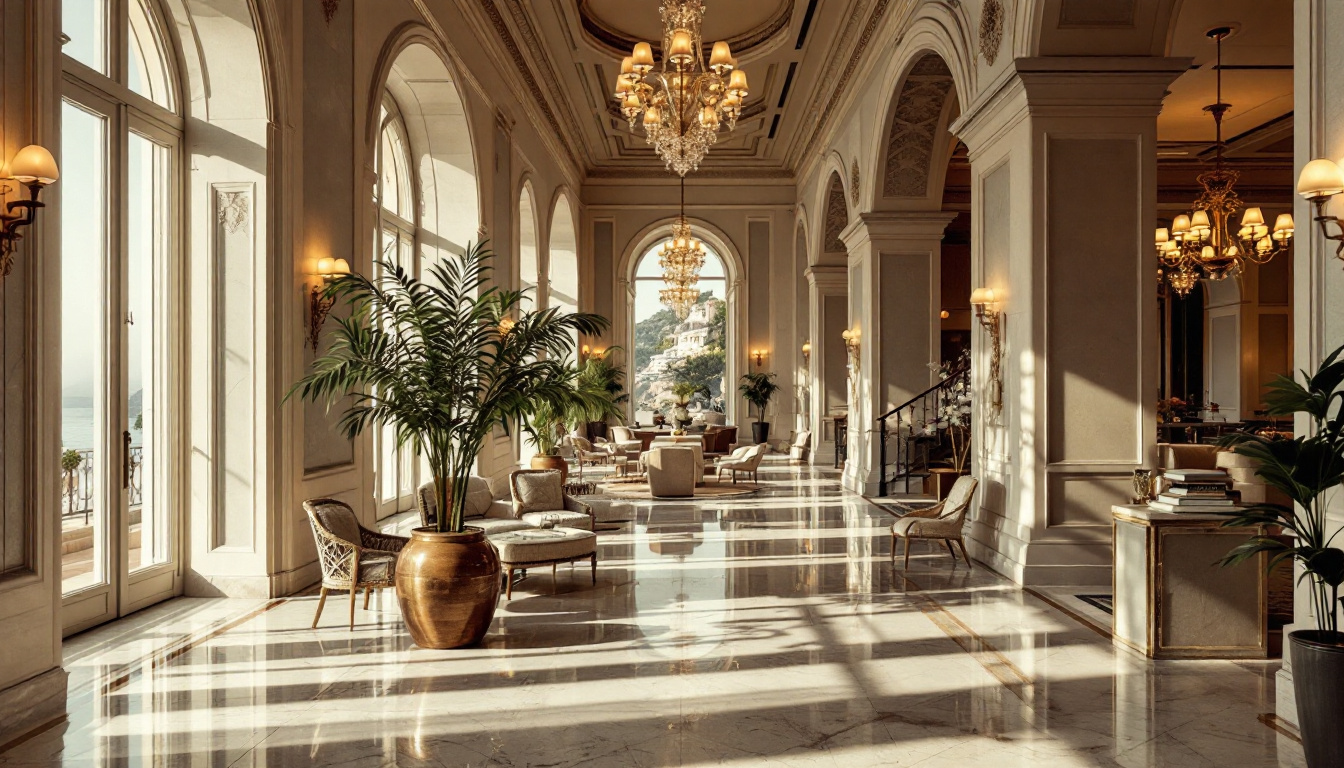
The forecourt opens into the central village square, which is the property’s defining architectural gesture. The square is roughly 60 metres by 40 metres, paved in the local tufo stone, with a central fountain, a small chapel on the south side (used for weddings), and the principal F&B venue (Da Frisella) on the east. The square reads, on a quick first walk, as a small Apulian village square — which is the point.
The check-in is handled seated in a small library off the square, with a glass of Castel del Monte rosé and a small dish of taralli from a local baker. The director who handled my May 2026 check-in was a senior manager named Antonella who joined the property in 2014.
The setting is the 45-acre site that the Melpignano family assembled in the period 2003-2007. The property sits 800 metres inland from the Adriatic coast, in an olive grove that the family has held under family ownership for three generations. The view from the eastern-facing rooms is across the property’s gardens and olive trees to the coast at roughly 800 metres distance; the view from the western-facing rooms is into the property’s interior squares.
Setting score: 4.5. The deductions are the property’s relative invisibility of the surrounding coast (the Adriatic is not directly visible from any of the rooms; you walk or shuttle to the Cala Masciola beach club to reach the water), and the volume of the property (63 hotel rooms plus 28 villas means the central square runs busy during the high season).
The suite
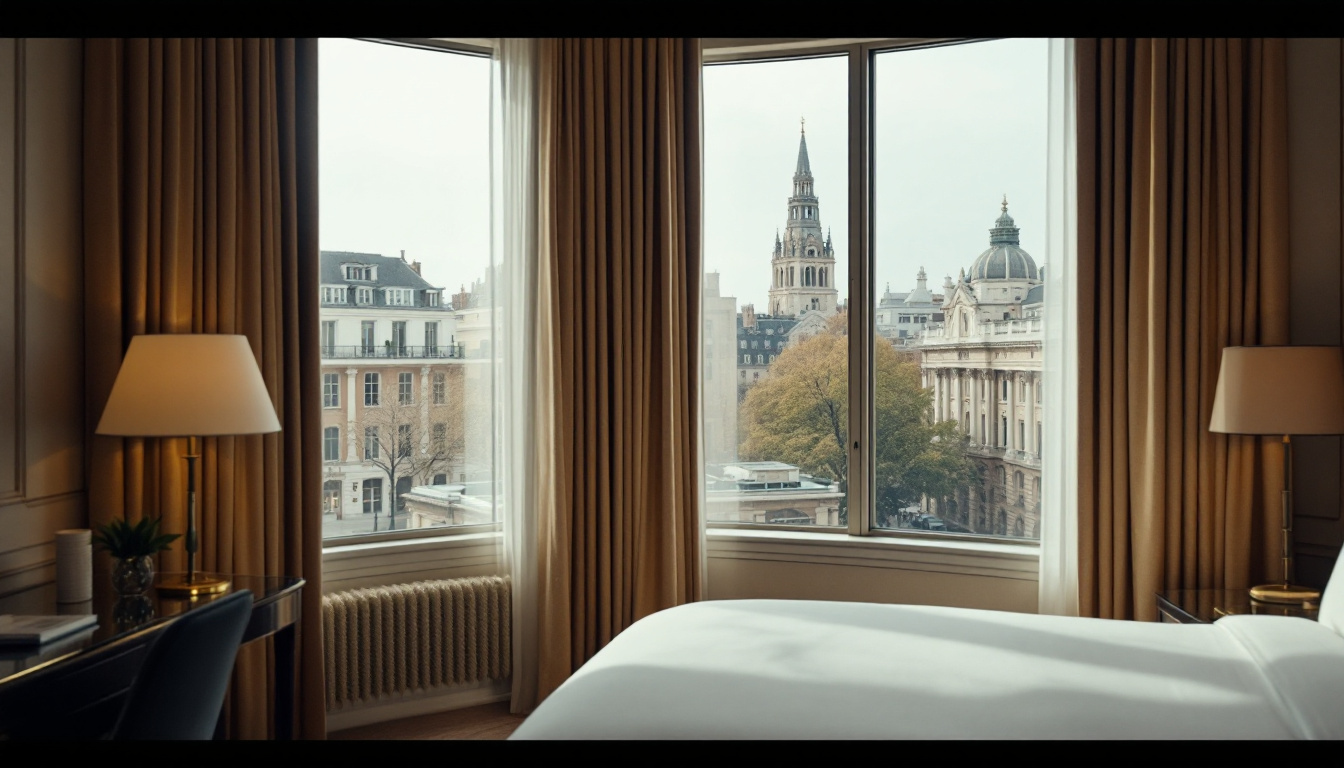
I took a Corte Suite (suite 24) in the property’s eastern range. The suite is 65 square metres with a private internal corte (courtyard) opening onto a small fountain and a private herb garden.
Material specifics:
- The bed is dressed in white Frette linen with a percale handle and a goose-down duvet at the right weight for the May temperatures.
- The floor is the local tufo stone in the entrance and the bathroom, with a Apulian-tradition cement tile in the bedroom. The cement tile is a deliberate choice — the Melpignano family wanted the property to read as Apulian vernacular rather than as international luxury — and is one of the property’s more honest material decisions.
- The bathroom is in tufo stone with a freestanding tub, a separate rain shower, and a double vanity. Amenities are by Borgo Egnazia’s own range — refilled in glass bottles.
- The minibar runs an honest Apulian list. A demi of Castel del Monte rosé, two small bottles of San Pellegrino, a tin of Apulian taralli, and a small jar of olive oil from the property’s own grove.
- The private corte — the small internal courtyard with the herb garden and the fountain — is the suite’s most distinctive feature and the reason to book the Corte Suite category over the entry-rate Corte room.
- The air-handling system runs silent.
Suites score: 4.6. The deductions are the relative compactness of the suite category compared to the larger Villas (which run from 200 to 600 square metres and are the rate-card top), and a desk surface that is too shallow for laptop work.
The service
Service at Borgo Egnazia is the dimension on which the property’s volume creates the small frictions that the smaller boutique properties do not have. The senior team is long-tenured and competent; the front-of-house operation runs at a high standard most of the time; but during peak periods the property’s 600-staff operation against 63 hotel rooms plus 28 villas plus the substantial day-guest traffic creates moments where the service grammar slips.
Two moments from the May stay.
On the second morning, I asked the concierge — a man named Stefano who has been at the property since 2015 — whether it was possible to arrange a private cooking class at the property’s culinary school (the Borgo Egnazia Cooking Academy, which the family operates as a separate brand). The class was arranged for the following afternoon; the chef-instructor (an Apulian woman named Anna who runs the academy’s pasta programme) led a 3-hour focaccia-and-orecchiette workshop in the academy’s working kitchen. The arrangement was the kind the property is genuinely good at.
On the third evening, however, the dinner reservation at Due Camini (the property’s Michelin-starred dining room) was confirmed for 8 p.m., re-confirmed at 6 p.m., and then the table was not available until 8.35 — a 35-minute delay during which the front-of-house team apologised but did not offer a credit or a meaningful explanation. The friction is the kind that a smaller, more controlled property (the Sirenuse, the Aman Venice) would not have allowed.
Service score: 4.4. The deductions are the dinner-reservation friction at Due Camini, the front-desk turn-around time on the May 14 check-in afternoon (which ran 22 minutes longer than the published target during a peak arrival window), and a small but persistent gap between the front-of-house language (assured, anticipatory) and the back-of-house follow-through at the property’s volume.
The table
Borgo Egnazia operates seven principal dining rooms across the property. Due Camini — the Michelin-starred fine-dining room, located in the principal villa-square building — runs dinner only. Da Frisella holds the main al-fresco Apulian-vernacular operation on the central square. Trattoria Mia Cucina runs the more casual family operation. The four smaller specialty rooms run the breakfast and the lighter-meal programmes.
I took dinner at Due Camini on the second night and lunch at Da Frisella on three of the four days.
Due Camini under executive chef Domingo Schingaro — in post since 2016, having spent six years at Niko Romito’s Reale flagship in Castel di Sangro — runs the kind of refined Apulian cooking that has earned the room its Michelin star. The May tasting menu:
- A starter of raw red prawn from Gallipoli, dressed with a sauce of olive oil from the property’s grove and a single Apulian sea salt.
- A pasta of orecchiette with cima di rapa (the canonical Apulian pasta), executed with restraint, the orecchiette made by hand by the kitchen team.
- A roasted lamb shoulder from the Murgia, served with a side of grilled chicory.
- A pre-dessert of fig sorbet with a single drop of saba.
- A small selection of Apulian pastries to close, including the regional cartellate (the honey-soaked fried-dough Christmas pastry, served year-round at the property).
The wine list at the main F&B operation runs 750 references with strong Apulian coverage (the Tormaresca and Apollonio verticals back to the early 2000s are stocked) and credible Tuscany depth. Sommelier Mauro Lavanga — in post since 2014 — is engaged.
Da Frisella at lunch is the better operation for what most guests want at Borgo Egnazia: a long Apulian lunch on the square, with a bottle of Castel del Monte rosé and a plate of seafood. The May lunches I took ran simply — a salad of burrata from Andria, a pasta with frutti di mare, an espresso.
Table score: 4.5. The deductions are the Due Camini’s relative formality (which sits awkwardly against the property’s overall Apulian-vernacular register), and a breakfast operation that — given the property’s volume — runs less personalised than the smaller competitors.
The detail
The detail score at Borgo Egnazia accumulates in the operational decisions of the Pino Brescia-led 2007-2010 build.
From the May stay:
- The Vair Spa — the property’s 1,700-square-metre wellness facility — runs three indoor pools, a Roman-tradition hammam, two relaxation rooms, and a comprehensive treatment list. The spa is the most architecturally serious wellness facility in southern Italy.
- The championship golf course (the San Domenico Golf, operated jointly with the adjacent Masseria San Domenico) runs 18 holes by European Golf Design and has hosted the European Tour’s Italian Challenge Open three times.
- The Cala Masciola beach club, on the Adriatic coast at a 4-minute shuttle ride from the main hotel, runs a private beach operation with the hotel’s own loungers, cabanas, and a small F&B service.
- The property’s small fleet of vintage Fiat 500s — five vehicles, restored, available for transfers within the Savelletri area — is the most photographed operational detail at the property.
- Turndown delivers a small box of Apulian-tradition pasticciotti (the cream-filled shortcrust pastry from Lecce) and a printed card with the next day’s weather and the day’s activity programme.
Detail score: 4.3. The deductions are the property’s volume (which dilutes the per-guest detail edges), and the relative anonymity of the indoor-pool architecture in the Vair Spa (the Como Shambhala spa at Castello del Nero, by comparison, is more architecturally distinctive).
The Standard
| Dimension | Score | Note |
|---|---|---|
| Setting | 4.5 | 45-acre olive-grove site; coastal proximity without coastal exposure. |
| Suites | 4.6 | Apulian-vernacular tufo + cement tile; private courtyards in Corte category. |
| Service | 4.4 | Pino-Brescia village requires volume; volume creates friction. |
| Table | 4.5 | Due Camini at one star; Da Frisella at the lunch register. |
| Detail | 4.3 | Vair Spa, San Domenico Golf, Fiat 500 fleet. |
Property score: 4.46.
Verdict
Within Reach.
Borgo Egnazia is the most-imitated luxury proposition in southern Italian hospitality and is, sixteen seasons into the operation, the canonical Puglia rate-card statement. The Pino Brescia-led architectural envelope is a serious piece of work; the Vair Spa is the most architecturally serious wellness facility in the south; the Due Camini Michelin star is well-deserved; the Cala Masciola beach club is the answer to the property’s inland position.
What keeps the property at Within Reach rather than At the Standard is the volume. At 63 hotel rooms plus 28 villas plus the substantial day-guest and event traffic, the property’s 600-staff operation cannot consistently deliver the per-guest service grammar that the higher-scoring properties of comparable rate (the Sirenuse, the Aman Venice, the Cipriani) deliver. The Due Camini reservation friction is the symptom; the operational complexity is the cause.
If you are choosing between Borgo Egnazia, the Masseria Torre Maizza (Rocco Forte, also in Savelletri), and Don Totu (the smaller Lecce boutique) for a Puglia week, Borgo Egnazia is the option that most rewards the guest who wants the full village-square family-resort grammar. The Masseria Torre Maizza is the smaller boutique option; Don Totu is the urban-Lecce alternative.
Reservations
Borgo Egnazia, Strada Comunale Egnazia, 72015 Savelletri di Fasano, Italy. Reservations: +39 080 225 5000 or via the property’s central booking. The 2026 season runs 28 March to 8 November (the property closes for the winter shoulder).
May rates from EUR 850 for a Corte room (interior courtyard view); Corte Suites from EUR 1,450; Villa Egnazia (a 600-square-metre private villa with pool) from EUR 12,500.
Brindisi Casale airport (BDS) is a 40-minute transfer; the property will arrange a Mercedes V-Class. From Bari Karol Wojtyla airport (BRI), the routing is a 60-minute drive. From Rome Fiumicino, the most efficient routing is the Frecciarossa to Bari (4 hours total) followed by the property’s car.
Standing Questions
- Is Borgo Egnazia actually an old Apulian village?
- No. Borgo Egnazia was built from scratch in the period 2007-2010 as a modern interpretation of a traditional Apulian village. The architectural language references the local tufo stone vernacular and the village-square typology, but the property is a deliberate invention rather than a restoration.
- Is the property the same as the Masseria San Domenico?
- No, but they share an owner. The Melpignano family owns both Borgo Egnazia and the older Masseria San Domenico (a 15th-century masseria converted to a hotel in 1996), with the two properties operating on adjacent estates in Savelletri di Fasano.
- Is the property kid-friendly?
- Yes. Borgo Egnazia runs one of the most comprehensive children's programmes of any Italian luxury property, with dedicated facilities, a children's restaurant, and the Cala Masciola beach club's family-orientated programming.
- Is there a beach?
- Yes, the property operates the Cala Masciola beach club on the Adriatic coast, a 4-minute shuttle ride from the main hotel. The beach is a private operation with the hotel's own loungers, cabanas, and a small F&B service.
- Did Madonna actually hold her birthday party at the property?
- Yes, in 2016 and again in 2018. The Melpignano family has been generally reluctant to lean on the celebrity association in the marketing, which I take as a credit to the operating culture.