I have stayed at Le Sirenuse twice — first in 2019, when I took a Classic room on a four-night April stay, and again over five nights in April 2026 in a Junior Suite with a Galli view. This review reflects the April 2026 stay, cross-checked against the earlier visit and against a long lunch I took in July 2023 between hotel changeovers.
The arrival
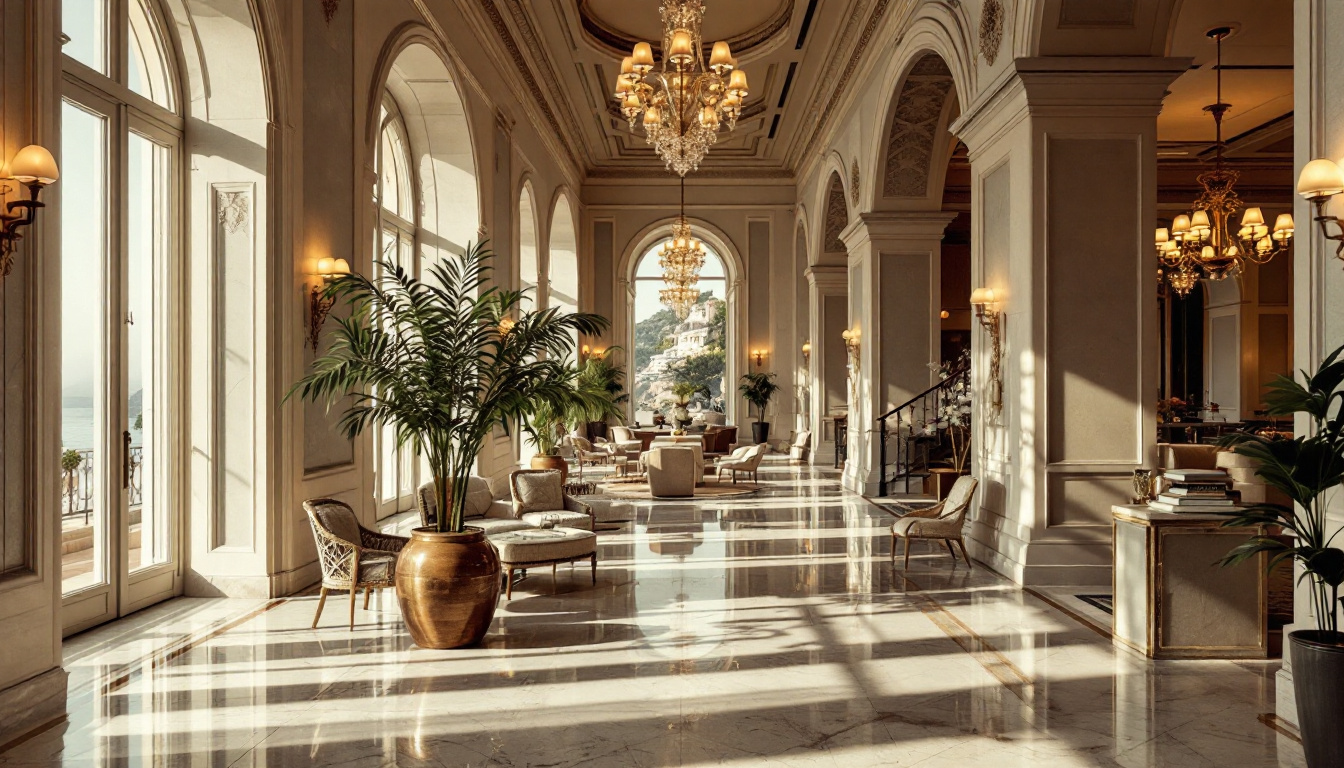
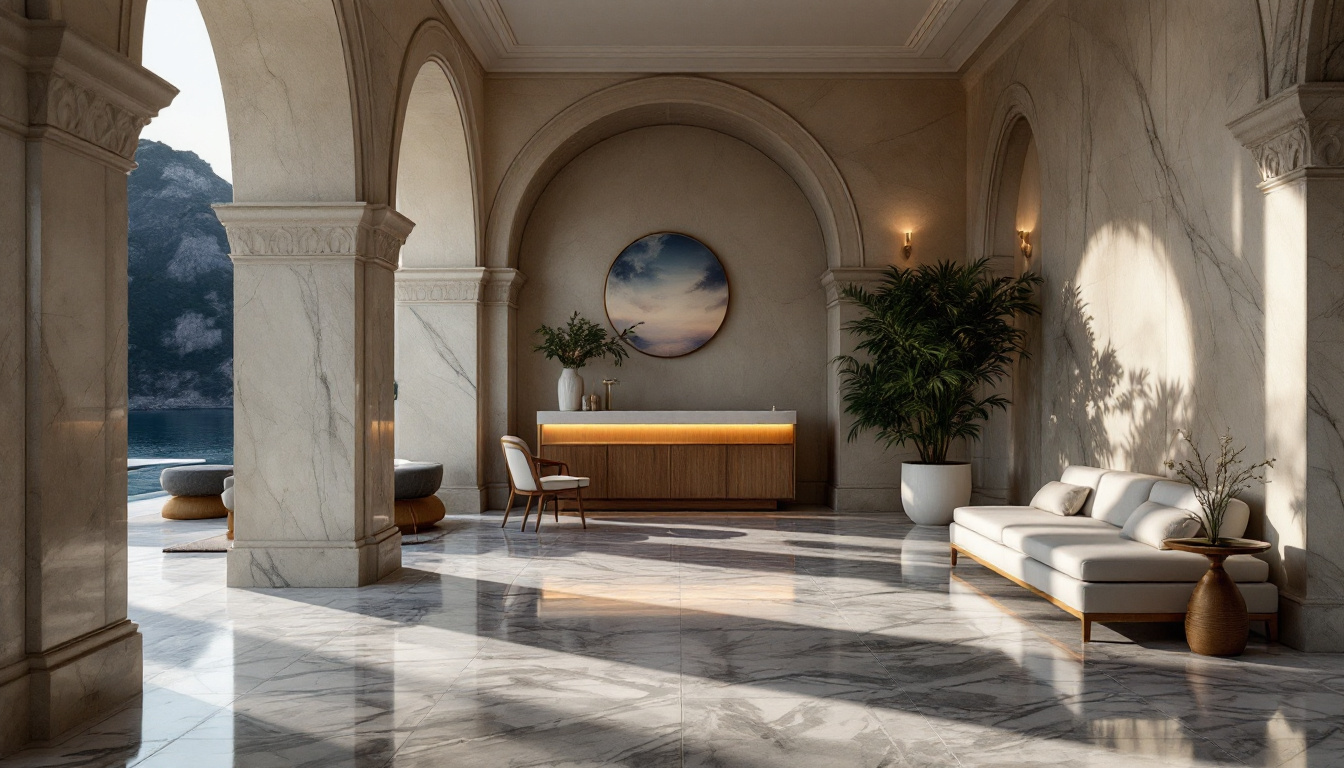
You do not arrive at Le Sirenuse so much as you find yourself, after a series of switchbacks down the SS163 and a brief unloading interlude on Via Cristoforo Colombo, in a small marble lobby that opens directly onto the cliffside. The arrival is necessarily a piece of compressed theatre: the property has no driveway in the conventional sense, no porte-cochere, no place for a car to linger. The driver pulls in, two porters in pressed white linen take the bags, and you are inside before the engine has cooled.
What is striking is what is not there. There is no welcome desk in the lobby; check-in happens in a small library off to the left, seated, with an espresso. The lobby itself is hung with the contemporary art the Sersales have been collecting for thirty years — a Martin Creed text piece, a Stefan Bruggemann neon, an older Sol LeWitt on the back wall — and looks out, through three sets of arched French doors, onto the principal terrace and the Bay of Salerno.
The terrace is the building’s defining act. It runs the full 40-metre length of the property, faces directly southeast over the dome of Santa Maria Assunta and the Galli islands, and is set at the precise altitude (roughly 80 metres above sea level) at which Positano stops being a beach town and becomes a cliffside. Of all the views I have logged in twenty years of hotel work in southern Italy, this one is the one I would defend as the single best.
Setting score: 4.9. The half-point deduction is the staircase access — there is a small lift, but the property climbs four levels into the cliff and guests with mobility constraints will find some rooms effectively inaccessible.
The suite
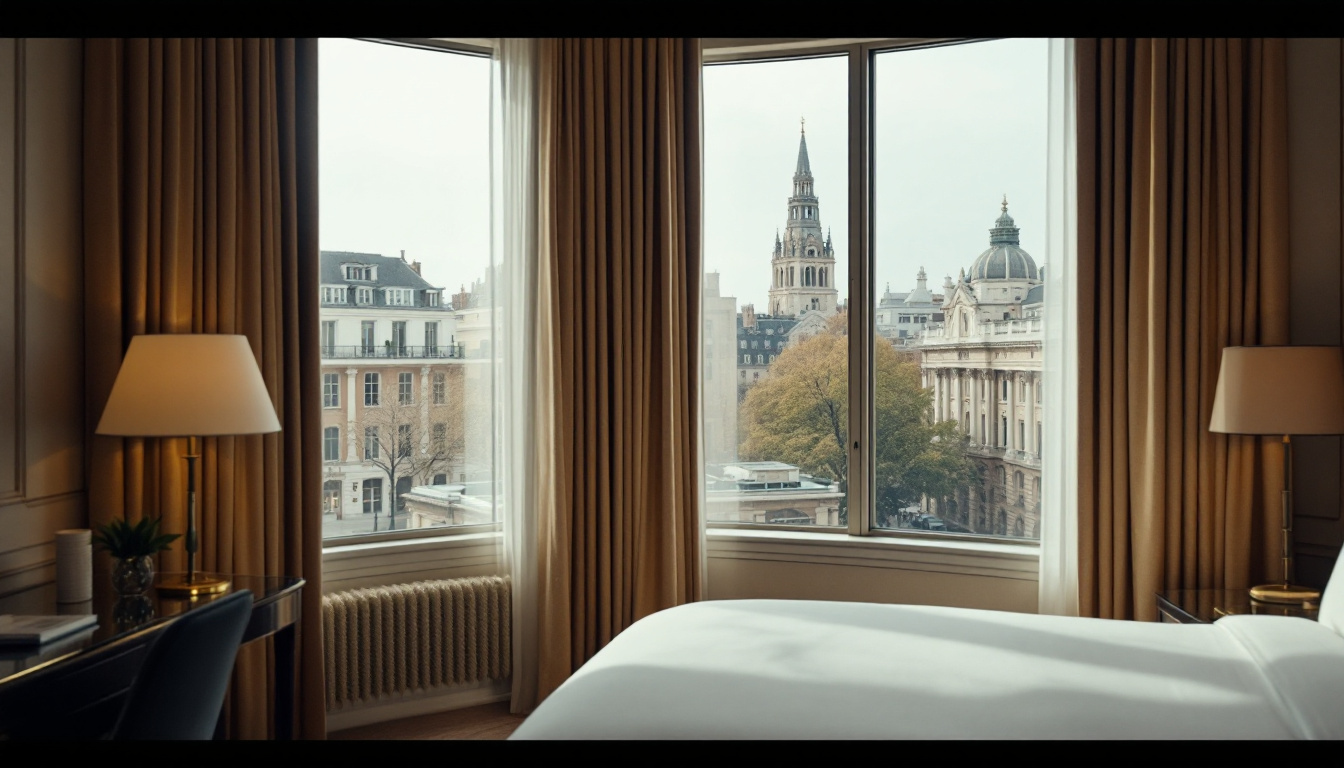
The Junior Suite with Galli view (room 304 on the April 2026 booking) is 35 square metres of room and 16 square metres of private balcony. The proportions are the proportions Villa Giulietta gave the suite when it was a Sersale family residence in the 18th century: high ceilings, French doors of a generosity the contemporary hotel grammar has lost, deep window reveals.
Material specifics:
- The bed is dressed in white Pratesi linen, made up with a feather topper that the housekeeper offered to remove (I declined; it was correctly weighted).
- The floor is the original cotto, Vietri-glazed at the threshold and around the balcony door in a sun-and-wave pattern that the Sersales commissioned in the late 1990s. The cotto is uneven in the way 18th-century cotto is uneven; if you want a hotel where the floor is perfectly flat, this is not it.
- The bathroom is travertine, generous in the shower (a 1.8-metre rainhead from Gessi), with a second hand-shower at sit-height. The amenities are Eau d’Italie — the Sersales’ own fragrance house, founded 2004, headquartered in Positano — and they are restocked daily in glass bottles.
- The minibar is honest. A demi of Donnafugata white, two small bottles of Coca-Cola in glass, a tin of Sersale’s own taralli, and a carafe of still water replaced twice daily.
- There is no in-room iPad and no digital concierge tablet. The bedside table holds a small leather-bound directory printed on cotton paper, a rotary-style phone, and a single Eau d’Italie candle that housekeeping lights on turndown.
What the room does not have, which would lift it from a 4.5 to a 4.7, is air conditioning that performs to the standard the rate-card implies. The April nights were cool enough that the issue did not arise, but during my July 2023 lunch the manager mentioned, candidly, that the cooling system across the older rooms is being incrementally upgraded — the building’s protected status limits what can be done to the ducting. I would mention this to any guest considering an August stay.
Suites score: 4.5. The deduction is the air conditioning and a desk surface that is too shallow for laptop work.
The service
Service at Le Sirenuse is small-team service of the kind that has effectively disappeared from chain-operated luxury hotels. The morning shift on the front desk is a team of four; the housekeeping floor manager is one person, in post (I asked) since 2008; the head concierge is Gianluca Esposito, who has worked at the hotel since 1996 and runs the concierge desk in the manner of a man who knows every taxi driver, every beach-club owner, and every boat captain between Sorrento and Maiori.
Two moments from the April stay.
On the second morning, I asked Gianluca if he could secure a lunch table at Da Salvatore in Ravello on six hours’ notice. He replied that he would try and could not guarantee, which is the answer the hotel grammar trains a concierge never to give. Forty minutes later he came up to the breakfast table to tell me a 1.30 p.m. table on the terrace had been secured, that the driver would collect me at 12.15, and that he had asked Salvatore to hold the fig tart from the previous day’s service. The honesty about the initial uncertainty is, I think, more valuable than the confident-but-empty “of course” that has come to characterise hotel concierge work.
On the fourth evening, my wife mentioned to the housekeeper that she had broken the strap on a sandal earlier in the day. The shoe vanished from the dressing room while we were at dinner; on the second morning following, it was returned, repaired by a cobbler in the lower town, with no charge added. The housekeeper said only: “He owed us a favour.”
This is service rooted in a fifty-year operating culture in which the family is on premises, the staff is local, and the wider Positano economy is a network of relationships rather than a market of vendors.
Service score: 4.7. The half-point deduction is the F&B service at breakfast on the second morning, which ran behind during a small group’s late arrival and required a 20-minute wait for the cappuccino course.
The table
La Sponda — the main restaurant, opened in 1996 — holds one Michelin star (awarded 2013, retained continuously since) and serves dinner only, on the candle-lit upper terrace, from 7.30 p.m. The candle-lighting ritual, which sees 400 candles lit by hand in the half-hour before service, is the most-photographed dinner setup in the Mediterranean and is, in my reading, the principal reason the dining room remains as hard to book as it is.
Chef Gennaro Russo’s menu (Russo took the head-chef role in 2017, having worked at the property since 2002) is southern-Italian with Campanian roots and an unfussy presentation that the dining room’s setting actively rewards. The April 2026 tasting menu:
- A starter of red prawns from Cetara, raw, dressed with a colatura di alici from the same village. Three pieces, one plate, no garnish.
- A pasta of paccheri with a slow-cooked tomato sugo from San Marzano D.O.P. and a single anchovy melted into the sauce.
- A roasted turbot, cooked whole, presented on a small bed of grilled bread soaked in fish stock.
- A pre-dessert of lemon granita with mint, made from Amalfi sfusato lemons grown in the hotel’s own grove above the Path of the Gods.
- A baba al rum, made tableside, the rum poured to taste.
The wine list runs 800 references with depth at the Campanian end (the verticals of Mastroberardino Taurasi go back to 1968) and credible coverage of Tuscany and Piedmont. Sommelier Damiano Aliperti pointed me to a 2019 Marisa Cuomo “Furore” Costa d’Amalfi fiano that I had not previously known and which paired with the turbot as well as anything I would have ordered without him.
Franco’s Bar — the upper-terrace cocktail bar opened in 2014, named after Franco Sersale, one of the four founders — is the room I would send a non-resident to if they could not get a La Sponda table. The Negroni Sbagliato (Prosecco substituted for gin in a classic Negroni) is the cocktail the New York Times wrote about in 2022 and is still the most-ordered drink in the house.
Table score: 4.7. The deduction is the wine list’s relatively thin coverage of Burgundy and the lack of an a la carte option at La Sponda during high season (the tasting menu is the only route).
The detail
The detail score at Le Sirenuse is what separates it from the international five-stars further along the coast (Anantara Convento, Borgo Santandrea). The detail is the family’s detail, accumulated over three generations.
From the April stay:
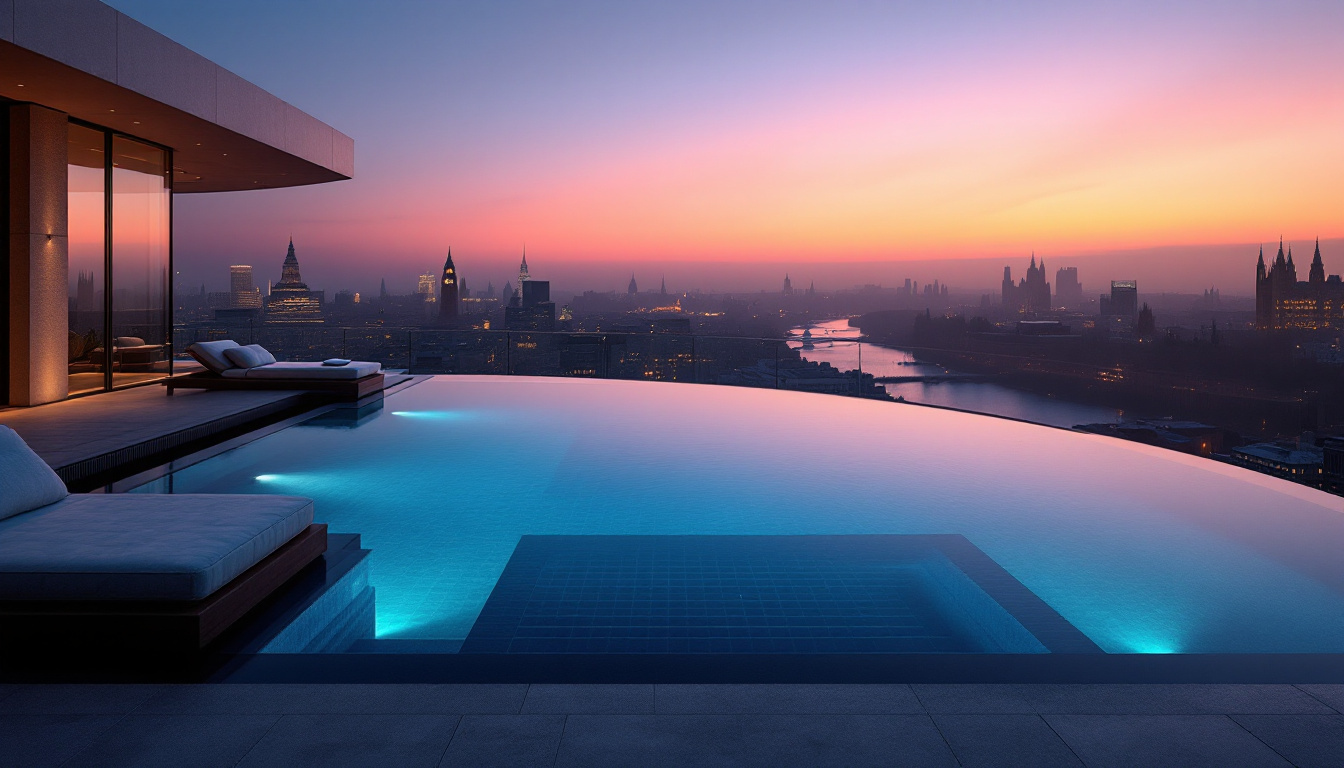
- The terrace’s pool — a 14-metre infinity, added in 2003, set into the cliffside — is heated to 27 degrees in April and is unrelentingly clean. The pool boy, Vincenzo, has been at the property since 2011 and remembers the names of returning children.
- Emporio Sirenuse, the small boutique to the right of the lobby, sells the hotel’s own range of resortwear (linen Bermudas, the famous embroidered tunics, the Eau d’Italie fragrances). The pieces are made in Naples; the patterns are Carla Sersale’s. I have not seen a hotel boutique in Europe that does its own design at this standard, with the partial exception of Le Sirenuse Miami’s small retail extension.
- The morning breakfast pastry programme is baked in the property’s own kitchen and includes a sfogliatella that holds up against the best Naples examples (I have done the comparison; Sfogliatella Mary in Naples is marginally better, but the Sirenuse version is the work of the same pastry chef’s son).
- Aldo’s, the all-day terrace champagne and oyster bar opened 2018, runs Belon No. 3 from a small producer in Cancale and a house Champagne from Pierre Peters that is the best by-the-glass Blanc de Blancs I have had in Italy.
- Carla Sersale’s contemporary art programme — Sol LeWitt, Martin Creed, Lawrence Weiner, Bruggemann — is curated by Carla personally and rotated annually. The pieces in residence in April 2026 were a new Bruggemann text piece in the lobby and the long-standing LeWitt wall drawing in the corridor to room 401.
Detail score: 4.5. The half-point deduction is the hotel’s spa, which is small (three treatment rooms) and serves a property whose pool deck holds 90 sun-loungers; the ratio is uncomfortable in July and August.
The Standard
| Dimension | Score | Note |
|---|---|---|
| Setting | 4.9 | The best ground-level view in Positano. |
| Suites | 4.5 | 18th-century proportions; air conditioning still being upgraded. |
| Service | 4.7 | Family-on-premises operating culture. |
| Table | 4.7 | La Sponda’s candle ritual + Gennaro Russo’s restraint. |
| Detail | 4.5 | The Sersale art programme; Emporio Sirenuse. |
Property score: 4.66.
Verdict
At the Standard.
Le Sirenuse is, in the precise sense, a family hotel — and the difference between a family-owned hotel and a brand-managed hotel of equivalent rate is now, in 2026, the single most important variable in the European luxury market. The Sersales have not handed the property to a brand operator; they have not added a wellness wing to chase the spa-stay segment; they have not introduced a digital check-in app or a “experience curator” role; they have simply continued, season by season, to operate a 58-room hotel on an Amalfi cliff in the manner the four founding siblings established in 1951.
That continuity is the product. The view is the setting. The rest is what a hotel of this kind is supposed to be.
Reservations
Le Sirenuse, Via Cristoforo Colombo 30, 84017 Positano, Italy. Reservations: +39 089 875066 or info@sirenuse.it. The 2026 season runs 27 March to 7 November.
April rates from EUR 1,420 for a Classic room with garden view; the Galli-view Junior Suites from EUR 2,150; the Master Suite (room 401) from EUR 6,800.
Naples Capodichino airport (NAP) is a 75-minute transfer in clear conditions; the hotel will arrange a Mercedes V-Class. From Rome Fiumicino, the most efficient routing is the Frecciarossa to Naples followed by car. Helicopter transfer from Naples is available on request and runs roughly EUR 2,400 one-way.
Standing Questions
- Is Le Sirenuse still owned by the Sersale family?
- Yes. Antonio Sersale, grandson of one of the four founders, is the current owner and is in residence for most of the season. His son Aldo Sersale is involved in the day-to-day operation. This is one of the few remaining family-owned hotels of this standard in Europe.
- When does the hotel open?
- Le Sirenuse is a seasonal hotel, running broadly Easter to early November. Exact dates shift each year; the 2026 season runs from 27 March to 7 November.
- Is La Sponda hard to book if I am not a hotel guest?
- Yes. The dining room has 14 tables; the candle-lighting ritual at sunset has made it a destination for non-residents, and hotel guests are given booking priority. Outside guests should book at least three weeks ahead in high season.
- Is there a beach?
- Not on site. The hotel does not own beach concession; guests use Spiaggia Grande (a five-minute walk down the steps) or one of the beach clubs at La Scogliera and Da Adolfo, accessible by water taxi the hotel arranges.
- Has Franco's Bar reopened in its original form?
- Yes. Franco's Bar — opened on the upper terrace in 2014 — operates from 5 p.m. nightly during the season and remains walk-in only for the first sitting. The Negroni Sbagliato here is the one that the New York Times wrote about in 2022.