I have stayed at the Alpina Gstaad three times — most recently for four nights in early January 2026 in a Deluxe Suite on the third floor (south-facing, Wasserngrat-view), and previously in 2018 and 2023. I have also taken nine dinners at Sommet and Megu across the three stays. This review reflects the January 2026 stay.
The arrival
The Alpina Gstaad arrives at the top of Alpinastrasse, on the Oberbort hillside that climbs above the village centre on the south-east slope. The drive from Gstaad village runs 6 minutes; the drive from the railway station 5 minutes; the drive from Saanen Airport 8 minutes. The property has its own driveway off the upper end of Alpinastrasse, with a small turning circle and a covered porte-cochère under a deep timber overhang.
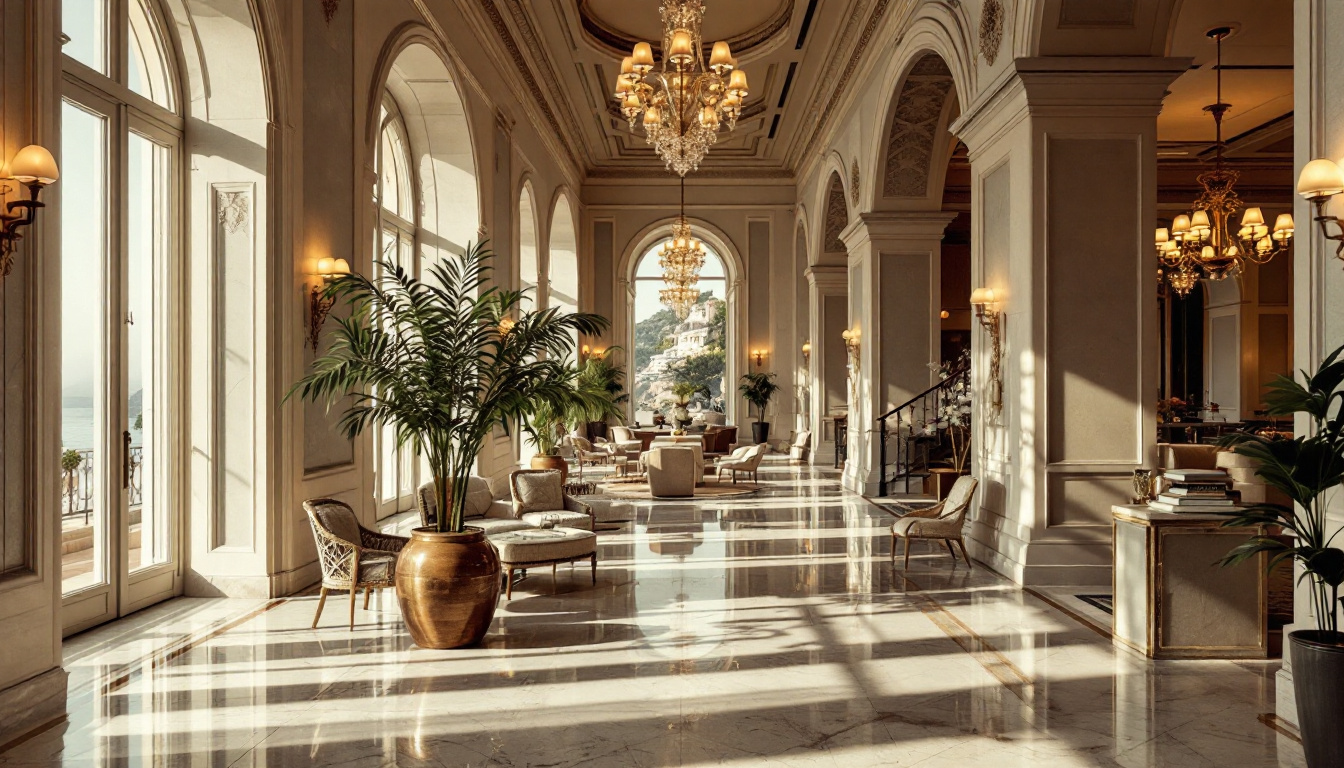
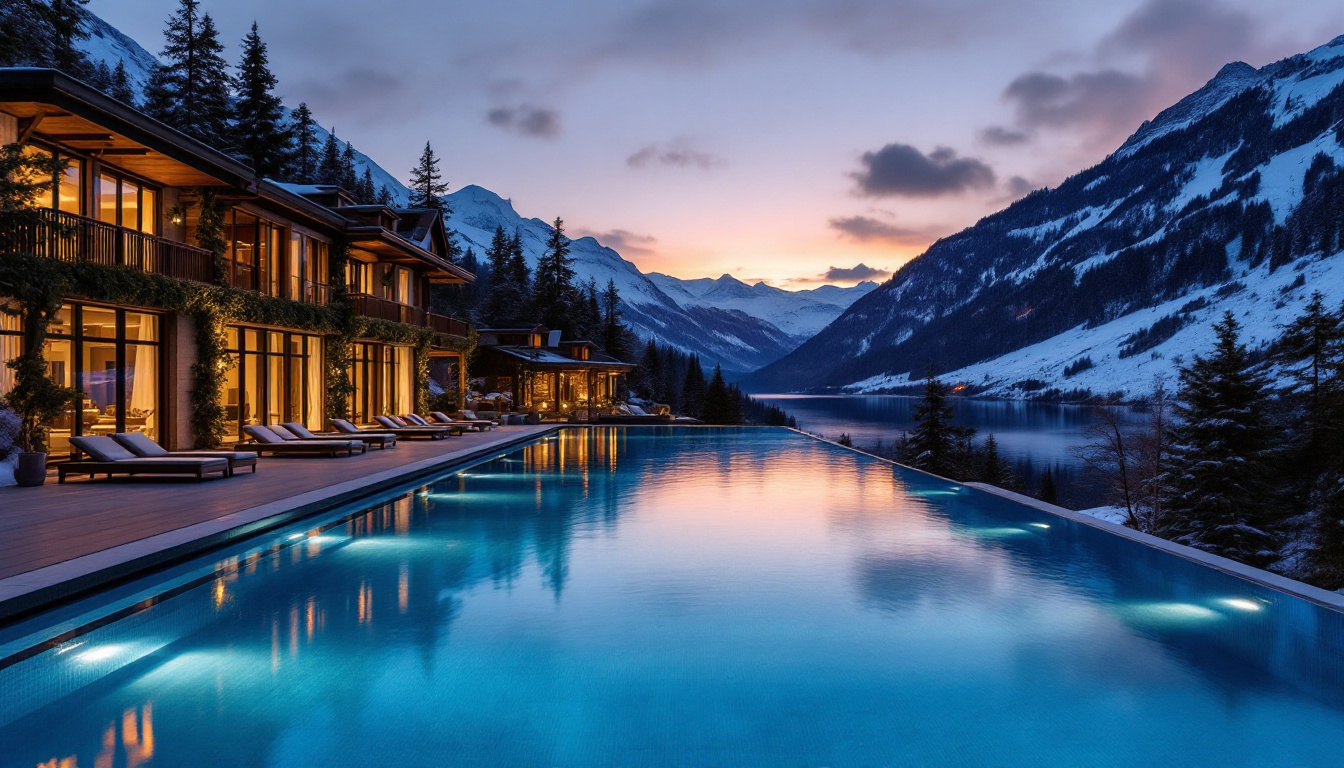
The building is the arrival’s defining asset. The Alpina was the result of a thirteen-year planning fight in which local Gstaad residents opposed any new luxury hotel after the demolition of the Grand Hotel Alpina in 1995. The compromise — a three-storey hotel in the regional Simmentaler style, with hand-carved Berner Oberland fir on the facade, Ringgenberg limestone on the lower level, and a shingle roof — was the planning condition that allowed the project to proceed. The compromise turned out to be the property’s design asset: the building reads as a sophisticated Gstaad chalet at scale rather than as an obvious newcomer.
Check-in on 5 January 2026 was handled by Jeanette Holzer (Front Office Manager), at the open-plan lobby’s central reception desk that doubles as the Sommet host station. The check-in is by appointment: the doormen radio the room status before the guest reaches the desk, and the welcome is a single Swiss-Champagne flute and a short overview of the property’s amenities. The whole sequence takes ten minutes. The floor manager (Andreas Berger, who handled the room for the duration) walked me to the lift after the check-in.
Setting score: 4.8. Gstaad is the strongest single Swiss ski village, and the Oberbort hillside is the strongest single Gstaad address. The hill position is south-facing across the Saanenland valley toward the Wasserngrat, the Wispile, and the Eggli — the three most-used local ski areas — and the morning light is the best of any Gstaad hotel.
The suite
I took a Deluxe Suite — the entry-grade suite category, on the third floor, south-facing — at 100 square metres with a separate sitting room, a single bedroom, a marble bathroom, and a wraparound timber balcony with a wood-burning fireplace and a small jacuzzi. The Deluxe Suite was part of the original 2012 HBA-led fit-out and was touched in a 2020 soft-refresh programme (textiles, lighting, in-room art rotation).
Material specifics, from my notes:
- The HBA brief was to run a sophisticated regional vocabulary: reclaimed hundred-year-old fir on the wall panelling, hand-laid local limestone on the fireplace surround, Tibetan rugs over wide-plank oak floors, and a single signed regional landscape painting on the wall (the housekeeping team identified my room’s piece as a small Ferdinand Hodler-school landscape, attributed but not signed, from the hotel’s contemporary art collection).
- The floor in the sitting room is wide-plank oak; the bedroom is fitted Tibetan-wool broadloom.
- The bed is a custom Treca de Paris mattress on a hand-carved wooden frame (the carving is the local Berner Oberland register, done by a small Saanenmöser woodshop the property has used since 2012), dressed in Frette linens, with a five-pillow menu offered at turndown.
- The bathroom is in Bianco Carrara marble with a freestanding tub, a separate walk-in shower, a separate WC, and a small steam-and-sauna combination on the lower bathroom level. Amenities are Six Senses (the in-house spa supplier).
- The minibar is complimentary and runs a small selection of Swiss whiskies, Swiss craft gins, in-house cocktails (the Alpina Old Fashioned, the Saanenland Highball), and Swiss still and sparkling water. The complimentary minibar is unusual at this rate and is one of the property’s operational tells.
- The fireplace on the balcony is wood-burning, with a daily replenishment of three split logs and a hand-tied bundle of dry kindling. The in-room fireplace (separate from the balcony fireplace) is gas, with a touch-button start and a remote-control thermostat.
- The technology is restrained. A Bang & Olufsen Beoplay speaker, a Loewe television hidden behind a sliding wood panel, a Lutron lighting system. The room iPad runs lighting, curtains, and room service.
The Deluxe Suite is the entry-grade suite. The Deluxe Junior (the entry-grade room category) runs 50 sqm; the Deluxe Rooms run 60; the Junior Suites run 75; the Deluxe Suites run 100; the Penthouse Suite runs 400 sqm and is the property’s flagship.
Suites score: 4.6. The HBA fit-out is the asset; the regional-fir-and-limestone vocabulary is the second; the in-suite sauna in the suite category is the third. The deduction is the entry-grade Deluxe Junior at 50 sqm — smaller than the Chedi Andermatt’s 60 sqm minimum, but the same broad rate.
The service
Service at the Alpina runs an independent-hotel standard with the operational rigour of a small staff (the property runs 220 staff across 56 keys, a 4:1 ratio that is unusually high). The service brief is the Swiss family-hotel brief: calm, attentive, knowing of local detail, and operationally tight.
The pre-arrival contact was from Lukas Müller (Reservations Manager), who confirmed the suite category, a Sommet reservation for the second evening, a Megu reservation for the fourth evening, and a small request I had made for a particular Saanen-cheese-tasting (a small artisanal cheese-maker in the village) to be arranged. On arrival the requested cheese-tasting was confirmed for the third afternoon at the in-house wine cellar, and the room had a small handwritten note from the GM (Tim Weiland, in his sixth year at the property) acknowledging the request.
The follow-through during the stay was strong. The first morning the housekeeping team noticed that the room jacuzzi temperature was slightly too low (I had logged the temperature on the in-room iPad); the spa engineering team adjusted the thermostat within an hour. The second day the floor manager (Andreas Berger) arranged a ski-area transfer that was timed exactly to the lift opening at the Wasserngrat without my asking the timing. The third afternoon the cheese-tasting was set up in the wine cellar with a small selection of seven Saanen-area cheeses and three accompanying wines, run by the in-house sommelier (Claudine Frautschi, in her seventh year at the property) without pretension.
The frictions during the stay were small. The first evening’s room service order (a small selection of charcuterie from the Wine Bar) was 22 minutes late from the order time, with the runner explaining that the kitchen had been short-staffed on the New Year week (which is fair). The second morning’s coffee delivery was correct but slightly cold; the in-room IT touchscreen reset once on the third evening and required a hard restart. None of these broke the stay; each was caught and fixed within the same service interaction.
Service score: 4.6. The 4:1 staff-to-key ratio is the operating asset; the in-house cheese-tasting and the ski-area transfer are the tells. The deduction is the New Year week’s room-service late delivery and the touchscreen reset.
The table
The Alpina runs five food-and-beverage outlets: Sommet (the main restaurant, three services daily, 70 covers, Mediterranean-Alpine cuisine under chef Martin Goeschel), Megu Japanese Restaurant (the licensed Japanese kitchen, two services daily, 50 covers), the Wine Bar (the casual all-day cocktail and small-plates programme, all day, 40 covers), the Sommet Terrace (summer-only outdoor dining), and the Spa Restaurant (lunch only, light-Asian programme, 30 covers).
I took dinner at Sommet on the second evening, a Wine Bar dinner on the third evening, and dinner at Megu on the fourth evening of the January stay.
Sommet is the property’s strongest single F&B asset. The kitchen is run by chef Martin Goeschel, who came from a Heinz Beck protégé background and has been at the property since 2018. The cooking is Mediterranean-Alpine in the same broad register as Beck’s three-star La Pergola in Rome — careful pasta work, a strong fish section, restrained sauces — with the Alpine overlay of the property’s relationship with three Saanenland producers (dairy, beef, vegetables). The January tasting ran seven courses for CHF 245, with the wine pairing at CHF 165. The standout courses were the cured Pyrenean lamb tartare with juniper and dried alpine sorrel, the unusually-restrained gnocchi al tartufo (single-bite portions in a five-course progression), and the closing apple sorbet with hot apple eau-de-vie.
Megu is the second strongest. The kitchen — a licensed extension of the original New York Megu, with the cooking adapted for an Alpine-Swiss audience — runs a careful sushi programme under sushi chef Yusuke Toyoda and a teppanyaki programme under chef Ken Watanabe. The dinner on my fourth evening ran the omakase at CHF 280 with a sake pairing at CHF 150. The cooking was strong on the sushi (the tuna programme is sourced through a Tsukiji supplier the kitchen has used since 2013) and competent on the teppanyaki.
The Wine Bar is the property’s casual asset. The room is the most-used by in-house guests (the Sommet is a destination dinner; the Wine Bar is the everyday) and runs a competent charcuterie-and-pasta menu under a separate kitchen team. The cocktail programme is run by bar manager Tobias Müller.
Table score: 4.7. The Sommet-and-Megu pair is the asset; the Wine Bar is the everyday strength; the five-outlet structure is the third. The deduction is the Spa Restaurant, which I did not take this stay but which has been competent rather than memorable on previous visits.
The detail
The Alpina detail dimension is the dimension on which the property is at its most-consistent. The detail brief is the Swiss family-hotel brief — small, careful, well-sourced — and the team delivers across the in-room, the spa, and the small-detail programmes.
The smaller details, in my notes:
- The in-room writing pad is custom Alpina-branded stock (printed by a small Saanen printer); the in-room pen is a Caran d’Ache 849 (the Swiss-classic ballpoint, the right choice for a Swiss hotel); the in-room slippers are leather-soled and embroidered. The in-room flowers are a small alpine arrangement (eidelweiss in summer, dried winter heather in January) refreshed every two days.
- The Six Senses Spa, on the lower-ground floor with a 25-metre indoor pool, a 12-metre outdoor heated pool, a hammam, two saunas, eight treatment rooms, and a separate Alpine-medicine treatment wing, is the property’s headline detail. The spa is open to non-residents by appointment but residents have priority on same-day bookings.
- The in-house car is a Range Rover Vogue or a Mercedes V-Class; transfers within the Saanenland are complimentary for in-house guests. Airport transfers (Geneva, Zurich, Bern) are at a charge unless booked into a multi-night package.
- The bath products are Six Senses (the in-house spa supplier); the bathroom hair dryer is a Dyson Supersonic; the bedside USB chargers run both USB-A and USB-C.
- The turndown service runs a single Swiss chocolate (from a small Saanenmöser chocolatier the property has used since 2014), the bedside light dimmed, the slope-and-weather report for the morning, and a small dish of dried alpine-fruit and almonds.
- The in-room television is a Loewe with a fast wake time (under 4 seconds); the room-iPad lighting controls are functional and elegant.
Against these strengths, the smaller failures. The in-room minibar’s complimentary spec is offset by the limited selection of non-alcoholic options (the in-house cocktail-non-alcoholic substitute is a single botanical tonic). The in-room safe is a generic Yale. The room-iPad’s room-service interface is slow to load.
Detail score: 4.5. The Six Senses Spa is the headline asset; the in-room writing programme is the second; the small operational deductions (the Yale safe, the slow iPad) are the friction.
The Standard
The five-dimension breakdown, with the published Standard rubric:
- Setting: 4.8. Gstaad and the Oberbort, the strongest Swiss ski village and the strongest single hillside address.
- Suites: 4.6. The HBA fit-out and the regional-fir-and-limestone vocabulary are the assets; the entry-grade Deluxe Junior is the deduction.
- Service: 4.6. The 4:1 staff ratio is the operating asset; the New Year week’s frictions are the deduction.
- Table: 4.7. Sommet at the Beck-protégé standard, Megu at the licensed-extension standard, the five-outlet structure as the depth.
- Detail: 4.5. The Six Senses Spa, the Caran d’Ache pen, the Saanen chocolatier; the Yale safe and slow iPad deduct.
Property score: 4.64. Rounded one decimal: 4.6.
Verdict: at-the-standard. The Alpina Gstaad is the most-polished operation in central Swiss ski-hotel inventory. The Chedi Andermatt is the more-architecturally-distinctive; Badrutts in St. Moritz is the more-set-piece; the Gstaad Palace is the more-historic. The Alpina is the one that runs the smallest operational gap between the brief and the delivery, and the property I would book if the priority is the Six Senses Spa, Sommet’s kitchen, and the Oberbort sun.
Verdict and reservations
The Alpina Gstaad, Alpinastrasse 23, 3780 Gstaad, Switzerland. Reservations through the Leading Hotels of the World reservation line, through the property website, or through the property directly at +41 33 888 98 88. January (peak ski season) Deluxe Junior from CHF 1,900; Deluxe Rooms from CHF 2,400; Junior Suites from CHF 3,400; Deluxe Suites from CHF 4,800; Penthouse on request. Sommet reservations through the property; the booking window is 60 days. Megu reservations through the property.
The right room is a Deluxe Suite on the third floor, south-facing, with the balcony fireplace and wraparound view. The right meal is Sommet’s seven-course tasting on a midweek evening with the CHF 165 pairing. The right spa booking is the 11 a.m. Alpine-medicine treatment with a pre-treatment swim. The wrong room is a Deluxe Junior on the north side (the view is the courtyard, and the sun never lands). The wrong meal is the Wine Bar at peak ski-week dinner (the room is too crowded). The wrong move is to expect ski-in / ski-out — the property runs the shuttle, and the shuttle is reliable, but the truly ski-in / ski-out Gstaad property does not exist.
Standing Questions
- Was the Alpina really Gstaad's first new five-star hotel in a century?
- Yes. The Alpina was built on the site of the demolished Grand Hotel Alpina (demolished April 1995). Local planning opposition to a new luxury hotel ran for thirteen years before approval was granted; construction completed in 2012, making it the first newly-built five-star hotel in Gstaad in roughly 100 years. The previous newcomer of comparable rank was the Gstaad Palace, opened in 1913.
- What's the Six Senses connection?
- Six Senses operates the spa at the Alpina Gstaad under a long-term management agreement, not the whole hotel. The hotel itself is operated independently. The 2,000 sqm Six Senses Spa is the brand's only Swiss property and one of two Six Senses spa-only operations in Europe.
- Is Sommet still the property's main restaurant?
- Yes. Sommet — the property's headline restaurant on the lobby level — is the dining room operated by chef Martin Goeschel, with cuisine in the Mediterranean-Alpine register that the property has run since opening. The Megu Japanese Restaurant operates as a separate F&B outlet under licence from the Megu brand.
- Are the rooms all the same architectural style?
- Approximately. The 56 rooms and suites were designed by Hirsch Bedner Associates in collaboration with regional craftspeople, in a hundred-year-old reclaimed-fir-and-stone vocabulary. The Simmentaler architectural style was a local planning condition. The variation across categories is in size and balcony orientation rather than in material register.
- Is the hotel ski-in / ski-out?
- Not directly. The Alpina sits in the Oberbort district on a hillside above Gstaad village, with a private shuttle to the Wasserngrat and Eggli ski lifts (the closest is a 3-minute drive). The Wispile lift, the village's smallest area, is a 10-minute walk down the hill. Truly ski-in / ski-out in Gstaad village is rare.