I have stayed at the Chedi Andermatt twice — most recently for four nights in late February 2026 in a Deluxe Suite on the third floor (south-facing), and previously in 2019. I have also taken eight meals at the property’s restaurants across the two stays. This review reflects the February 2026 stay.
The arrival
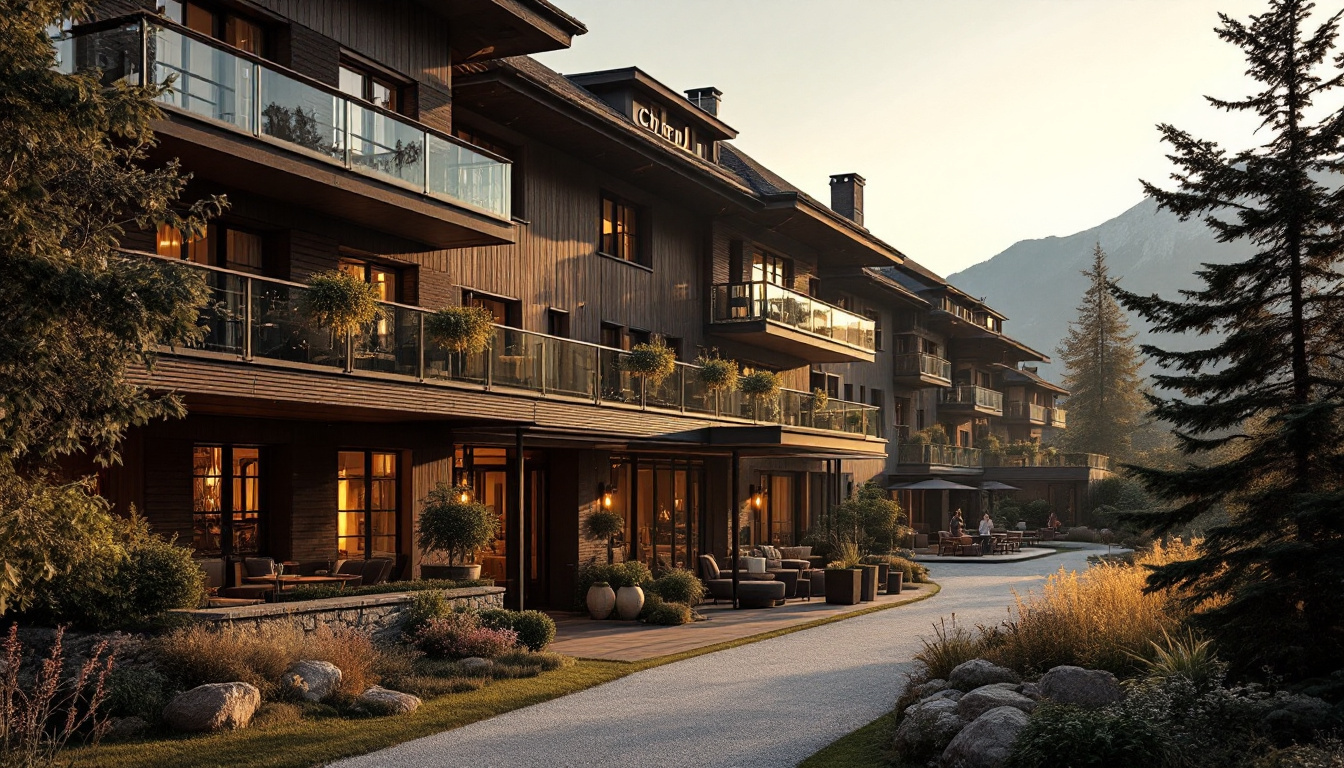
The Chedi Andermatt arrives at the south end of Gotthardstrasse, on the eastern edge of the village of Andermatt in the canton of Uri. The drive from Zurich runs 90 minutes via the A2 motorway and the Gotthard road tunnel; the drive from Milan runs about the same via the Gotthard from the south. The property has its own driveway off Gotthardstrasse, with a small turning circle and a stone-flagged porte-cochère sheltered by a deep timber-roof overhang.
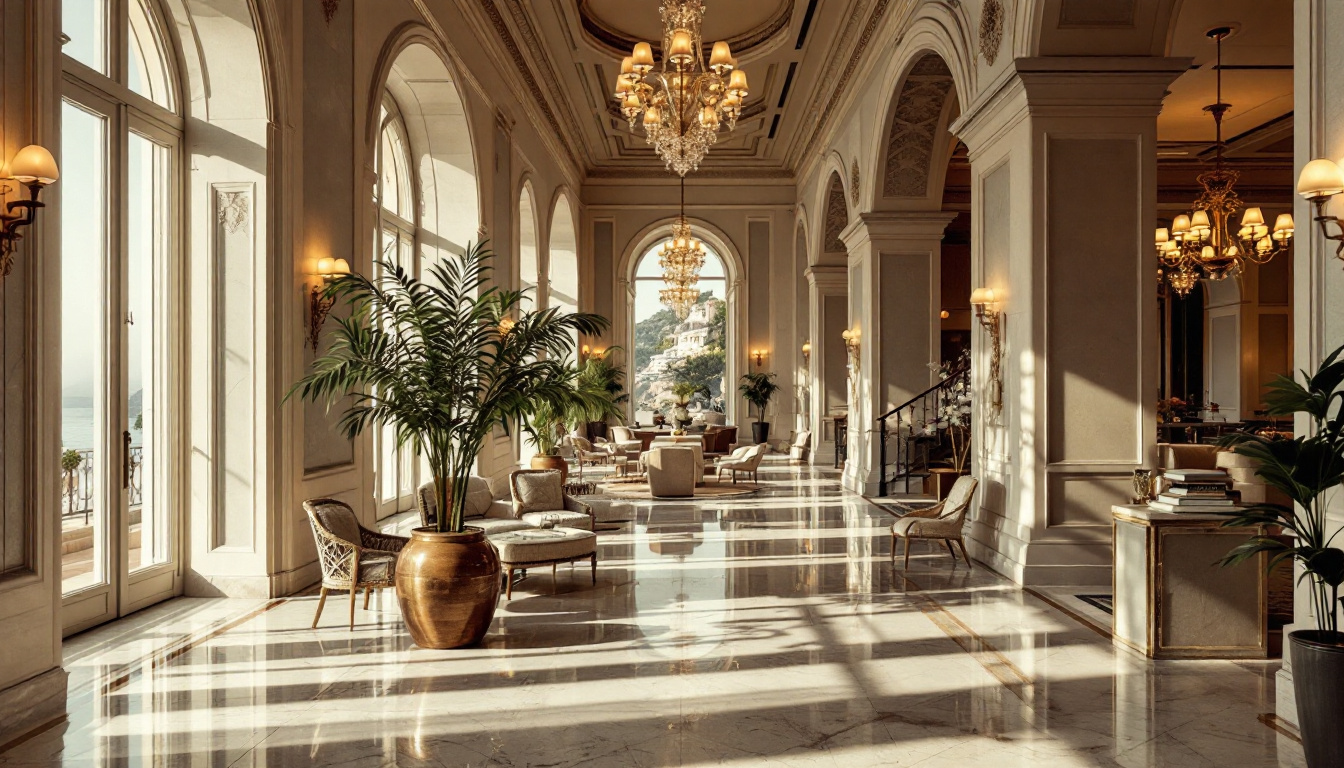
The building is the arrival’s defining asset. Jean-Michel Gathy’s Denniston design — opened December 2013, two years after the GHM brand committed to the property and four years after the Andermatt Swiss Alps AG development plan was approved — runs to a brief that has no obvious precedent in the Alps: the building is essentially a Southeast Asian Aman-style timber pavilion blown up to alpine scale, with vast cantilevered roofs, full-height stone fireplaces in every public space, and a single open-plan lobby-lounge-bar-restaurant that runs the full ground-floor footprint. The first time I saw the building (in 2019) I thought it was wrong for the alpine context; on second visit, in deep snow, I changed my mind. The deep overhangs and timber-and-stone palette read as a sophisticated alpine variation rather than as a foreign import.
Check-in on 22 February 2026 was handled by Stefanie Vogel (Front Office Manager) at the open-plan lobby’s central reception desk, with the floor manager (Lukas Imboden) walking me through the building before the room. The walking tour is the Chedi’s house arrival — Gathy’s building is too complex to navigate without a tour, and the property’s operating culture is to treat the arrival as an architectural introduction.
Setting score: 4.6. Andermatt is the right village for the property’s ambitions, and the Gathy building is the right building for Andermatt. The deduction is the village itself, which despite the Andermatt Swiss Alps AG development programme remains less-charming than Zermatt or St. Moritz and which trades on its connectivity (the Glacier Express terminus, the Gotthard) rather than on its village fabric.
The suite
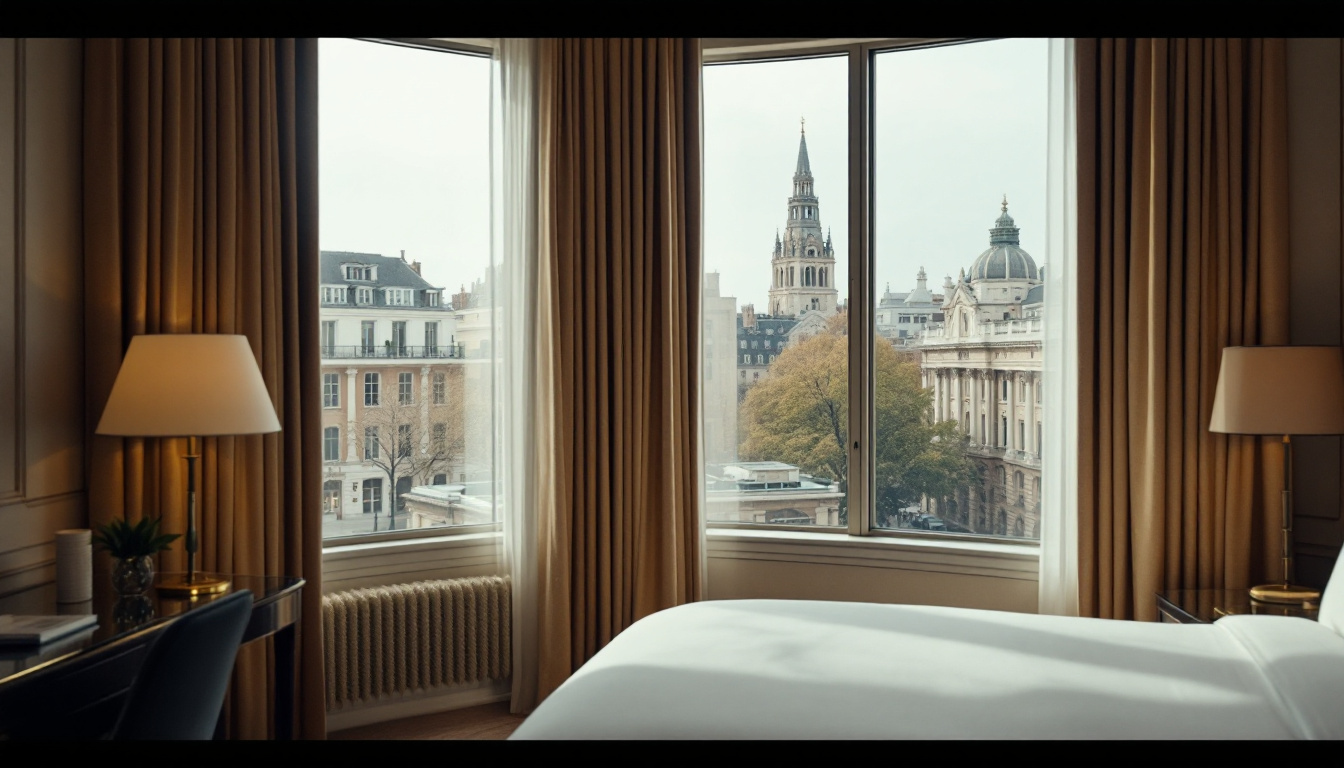
I took a Deluxe Suite — the entry-grade suite category, on the third floor, south-facing — at 95 square metres with a separate sitting room, a single bedroom, a marble bathroom, and a small private balcony with a fireplace. The Deluxe Suite was part of the original 2013 Gathy fit-out and was refreshed in 2022 in a soft-update programme (textiles replaced, lighting updated, original wood and stone surfaces preserved).
Material specifics, from my notes:
- The Gathy brief was to run a hybrid alpine-Asian register: the room shells are alpine (vaulted wood ceilings, stone-clad fireplaces, timber-framed windows) and the room furnishings are Asian (a Tibetan rug, two low daybeds, a black-lacquered writing desk, a hand-painted Japanese screen behind the bed). The hybrid was the design risk of the project; the hybrid is the reason the building works.
- The floor is wide-plank oak with a Tibetan hand-knotted rug in the sitting room and a smaller Persian rug in the bedroom.
- The bed is a custom GHM-spec mattress on a hand-carved wooden frame, dressed in Frette linens, with a four-pillow menu offered at turndown.
- The bathroom is in Bianco Carrara marble with a freestanding soaking tub, a separate walk-in shower, a separate WC, and a small inner private sauna in cedar (the sauna is a Chedi-specific in-room detail — every Deluxe Suite and above runs an in-suite sauna). Amenities are Acqua di Parma Colonia (the GHM-standard supplier).
- The minibar runs a small selection of Swiss and Asian whiskies (a Glenfiddich 18, a Hibiki 17, a Suntory Yamazaki 12), a small selection of in-house cocktails, and Swiss still and sparkling water. The selection is at a charge.
- The fireplace on the private balcony is a wood-burning insert with a small in-room pile of three split logs and a single fire-lighter; the housekeeping team replenishes the pile twice a day.
- The technology is restrained. A Bang & Olufsen Beoplay speaker, a Loewe television hidden behind a Japanese-style sliding door, a Lutron lighting system with both touch and analogue controls.
The Deluxe Suite is the entry-grade suite. The Deluxe Rooms (the entry-grade category) run 60 sqm. The Junior Suites run 65 sqm. The Deluxe Suites run 95. The Furka Suite (the property’s flagship on the top floor) runs 240 sqm and is the most-expensive non-Penthouse alpine hotel suite in central Switzerland.
Suites score: 4.7. The 60 sqm minimum is the strongest single-room-size proposition of any ski hotel in Switzerland. The in-suite sauna is the strongest in-room detail. The deduction is the 2013 fit-out’s bathroom hardware, which has held up but is not as crisp as a 2022-2024 build would be.
The service
Service at the Chedi Andermatt runs the GHM house standard — Asian-style in pacing, with the local Swiss-Italian operating overlay. The GHM brief is the slower, more-attentive register that the Aman portfolio runs at twice the room count; the Swiss overlay is the operational efficiency. The combination works well when the building’s complexity does not get in the way.
The pre-arrival contact was from Camille Imbach (Reservations Manager), who confirmed the suite category and a dinner reservation at the Japanese Restaurant (the Chedi’s headline F&B outlet) for the second evening. There was no questionnaire. The room on arrival was set up to a generic Deluxe Suite standard.
The in-stay service was strong on the in-room dimension. The floor manager (Lukas Imboden, who handled all four days) was attentive and competent, and the housekeeping team was the fastest-turnaround I have encountered in Europe (the room was made up and serviced within 35 minutes of leaving for breakfast on each of the four mornings). The pool programme — the spa staff held a daily 8 a.m. lane swim for me without my asking, after I had used the pool on the first morning — was the operating tell.
The frictions were larger than at the Connaught or the Carlyle. The first night’s room-service dinner (a small selection from the Japanese Restaurant) was 32 minutes late from the order time, with no explanation. The second morning’s spa booking (a 90-minute Asian-medicine massage at 11 a.m.) was started 18 minutes late because the previous booking had over-run; the spa apologised and added 15 minutes to the treatment but the friction was real. The third evening’s ski-boot collection from the ski-room (a Chedi service in which the property’s ski concierge collects the boots from the slope-side ski rack at end of day and returns them to the room) was missed — the boots were not in the room on the third evening; they were brought up the next morning, but the friction was the kind that should not happen.
Service score: 4.4. The GHM house standard is the asset; the operational follow-through is the deduction. The Chedi’s service team is competent but is operating in a building that is too complex for the staff size, and the frictions are the result.
The table
The Chedi Andermatt runs four food-and-beverage outlets: the Restaurant (the main dining room, three services daily, 90 covers), the Japanese Restaurant (six services per week, 40 covers, sushi and teppanyaki, with a sourdough-and-soy-cured fish programme that is genuinely interesting), the Wine and Cigar Library (an evening cocktail and small-plates programme, 30 covers), and the Spa Restaurant (lunch only, light-Asian-and-Swiss programme, 40 covers).
I took dinner at the Japanese Restaurant on the second evening, dinner at the Restaurant on the third evening, and a Spa Restaurant lunch on the fourth day. Cumulative coverage with prior visits gives me eight Chedi meals across two stays.
The Japanese Restaurant is the property’s strongest single F&B asset. The kitchen is run by chef Dietmar Sawyere (in his ninth year at the property), with the sushi station under chef Toshi Furuya (originally from the Park Hyatt Tokyo). The cooking is the most-serious Japanese kitchen in the Alps. The February tasting ran nine courses for CHF 290, with sake pairings at CHF 180. The standout courses were the sourdough-cured fluke with yuzu and pickled wasabi root, the unusually-restrained tempura course of just three pieces, and the closing matcha-and-yuzu sorbet served with hot houjicha.
The Restaurant — the main dining room — runs an alpine-modern menu under chef Christian Heinrich, with the cooking built around Swiss alpine produce (the kitchen has a relationship with three Andermatt-area farms for dairy and beef) and a careful pasta section. The dinner on my third evening ran a beetroot tartare, a tagliolini al tartufo, and a closing pre-dessert of pear sorbet with brown butter. The cooking is competent and well-sourced but does not reach the Japanese kitchen’s level. The wine programme is a 1,800-bottle list with a strong central-European focus.
The Spa Restaurant — the lunch-only light-dining programme — is the weakest of the four outlets. The cooking is fine but the menu (a four-course set lunch at CHF 95) is too restrictive and the room (a glass-fronted space off the pool deck) is too noisy.
Table score: 4.4. The Japanese Restaurant is the asset; the four-outlet structure is the second; the Spa Restaurant is the deduction.
The detail
The Chedi Andermatt detail dimension is the dimension on which the property is most-uneven. The detail strengths are in the architectural set-piece (Gathy’s building, the in-suite sauna, the wood-burning balcony fireplace, the 35-metre indoor pool) and in the spa programme (the Asian-medicine wing, the cedar saunas, the hammam). The friction is in the smaller operational details.
The smaller details, in my notes:
- The in-room writing pad is custom-printed Chedi stock; the in-room pen is a Chedi-branded ballpoint (not the Caran d’Ache I would have expected at a Swiss property of this rank); the in-room slippers are cotton-towel rather than leather-soled. Each is a small operating deduction.
- The in-room flowers are run by a local Andermatt florist and refreshed every three days. The arrangement is restrained — a single orchid in a hand-thrown ceramic vase — and is the strongest in-room small detail.
- The ski-room service (the Chedi’s in-house ski concierge programme, in which the property handles boot collection, ski waxing, daily slope-side delivery, and end-of-day ski-and-boot pickup) is the property’s strongest non-spa detail. The service is run by a four-person team out of a separate ski-room building 50 metres from the main hotel, and is unusually serious for a hotel programme.
- The in-house car is a Mercedes V-Class minibus or a Range Rover; airport transfers (Zurich, Milan-Linate) are at a charge unless booked into a multi-night package.
- The bath products are Acqua di Parma Colonia (GHM-standard); the bathroom hair dryer is a Dyson Supersonic; the bedside USB chargers run only USB-A — a real friction at 2026 rates.
- The turndown service is restrained: a single hand-made Swiss chocolate from the in-house chocolatier, the bedside light dimmed, and a printed slope and weather report for the morning.
Detail score: 4.4. The architectural set-piece and the ski concierge are the assets; the in-room small-detail programme and the USB-A only chargers are the deduction.
The Standard
The five-dimension breakdown, with the published Standard rubric:
- Setting: 4.6. Andermatt is the right village; Gathy’s building is the right building. The village fabric outside the property deducts.
- Suites: 4.7. The 60 sqm minimum and the in-suite sauna are the assets; the 2013 bathroom hardware is the deduction.
- Service: 4.4. The GHM house standard at the in-room dimension; the operational complexity of the building is the deduction. Sub-4.5 score justified by the documented frictions on three of four days.
- Table: 4.4. The Japanese Restaurant is the asset; the Spa Restaurant is the deduction. Sub-4.5 score justified by the asymmetry across the four-outlet programme.
- Detail: 4.4. The architectural set-piece and the ski concierge are the assets; the in-room writing programme and the USB-A only chargers are the deduction. Sub-4.5 score justified by the gap between the in-room small-detail programme and the rate the property charges.
Property score: 4.50. Rounded one decimal: 4.5.
Verdict: within-reach. The Chedi Andermatt is the most-architecturally-serious ski hotel in Switzerland and the property I would book if the priorities are the Gathy building, the 60 sqm minimum room size, and the Japanese kitchen. The Alpina Gstaad is the more-polished operation in the same broad price band; Badrutts in St. Moritz is the more-set-piece; the Chedi is the more-distinctive in architectural register. The score reflects the operational ceiling that the Gathy building’s complexity imposes — the staff is competent but the building is harder than the staff size accounts for.
Verdict and reservations
The Chedi Andermatt, Gotthardstrasse 4, 6490 Andermatt, Switzerland. Reservations through the GHM Chedi reservation line, through Leading Hotels of the World, or through the property directly at +41 41 888 74 88. Late-February peak Deluxe Rooms from CHF 1,400; Junior Suites from CHF 1,800; Deluxe Suites from CHF 2,800; Furka Suite from CHF 14,000. The Japanese Restaurant reservation through the property; the booking window is 90 days. The Restaurant reservation through the property or via OpenTable.
The right room is a Deluxe Suite on the third or fourth floor (south-facing) with the balcony fireplace. The right meal is the Japanese Restaurant tasting on a midweek evening with the CHF 180 sake pairing. The right spa booking is the 11 a.m. Asian-medicine massage followed by a sauna-and-pool session. The wrong room is a Deluxe Room on the ground floor (the pool noise carries). The wrong meal is the Spa Restaurant lunch on a weekend (the room is too noisy). The wrong move is to expect a village like Zermatt — Andermatt is a smaller, more-working village, and the Chedi is the destination rather than the location.
Standing Questions
- Is the Chedi Andermatt the same group as The Chedi Muscat?
- Yes. The Chedi is a brand within General Hotel Management (GHM), the Singapore-based operator founded by Hans Jenni and Adrian Zecha in 1992. The Chedi Andermatt is the brand's first European property and the first non-tropical Chedi. The Chedi Muscat (2003) and the Chedi Club Tanah Gajah Ubud are the other most-visited Chedi properties.
- How big is the smallest room?
- Sixty square metres. The Chedi Andermatt's smallest category, the Deluxe Room, is 60 sqm; the typical entry-grade alpine luxury room runs 35-45 sqm. The Chedi's room programme is the largest by minimum-room-size of any ski hotel in Switzerland.
- Is the spa as good as advertised?
- Yes — the 2,400 sqm spa is one of the largest hotel spa programmes in the Alps, with a 35-metre indoor pool, a 12-metre outdoor heated pool, two saunas, two steam rooms, a Turkish hammam, and a separate Asian-medicine treatment wing. The pool programme runs from 7 a.m. to 9 p.m. daily.
- Is Andermatt itself worth the trip?
- Yes — and the proposition has changed materially since 2013. The Andermatt-Sedrun-Disentis ski area, expanded under the Andermatt Swiss Alps AG programme since 2014, now runs 180 km of pistes and is one of the most-developed off-piste areas in central Switzerland. The summer programme is a separate consideration: the Gotthard Pass and the Furka Pass road traffic generates summer noise that the winter snow muffles.
- Are there private chalets attached to the hotel?
- Yes. The Chedi Residences — a programme of 119 fractional-ownership apartments within the Gathy-designed building — are operated alongside the hotel rooms and can be booked through the hotel reservation system when not in private use. The Residences run larger floor plates (90-300 sqm) and include kitchen facilities.