I arrived at Castiglion del Bosco at 15:20 on a Tuesday in mid-April, having driven the seventy minutes north from Pienza in a small Fiat 500 that the local rental office had reluctantly given me at Siena station. The estate’s published transfer rate (EUR 380 from Florence airport, EUR 240 from Siena station) had been an easy decline; I wanted the back roads through the Val d’Orcia and the time to think before the gate. The gate, when I reached it, was unmanned — a single iron arm, an intercom, a discreet stone sign, and the long white-gravel drive up through the cypress and olive groves to the Borgo above.
I have been writing about Tuscan estates for long enough now to have a working theory about how they fail. They fail when the operator is two layers removed from the owner; they fail when the restoration is good but the architecture is unloved; they fail, most often, when the food is competent without being meant. Castiglion del Bosco fails at none of these things. The property is owned and editorially directed by Massimo Ferragamo, who bought the 5,000-acre estate from the previous owner in 2003 and has spent the twenty-three years since restoring it to a working condition — 800 hectares of forest, 1,800 hectares of grazing, the rest in vineyard, olive grove, and active farmland. The Rosewood management contract dates from the property’s opening as a hotel in 2007. The Ferragamos still keep a villa on the estate; their daughter Maria Sole was at the property the second evening I was there and walked through the dining room at 21:15 stopping at three tables.
That distinction shows up, as it always does, in the detail.
The estate
The 5,000 acres run roughly east-west along a ridgeline above the Sant’Antimo valley, with the Borgo (the central medieval hamlet, restored over six years from 2001) at the highest point. The drive from the gate to the Borgo is a four-kilometre climb through working olive grove, and the first thing you understand is that the estate is genuinely a farm. There are sheep in the lower pasture. There are tractors. There are men on horseback moving cattle in the early morning. There are eleven separate vineyard parcels with the Brunello blocks distinct from the Rosso di Montalcino blocks, and the estate produces under its own label (Tenuta di Castiglion del Bosco, a Brunello di Montalcino estate with roughly 62 hectares under DOCG and a production of approximately 270,000 bottles per year of the Brunello and the Rosso combined). The wine is not the side project at this estate; it is the spine of the project.
The Borgo itself is a restored cluster of stone buildings around a small central piazza, with the eleventh-century parish church (still consecrated, still in use on Sundays for the surrounding farming community) at one end and the restored medieval ruin of the Castello — which gives the estate its name — at the other. Forty-two suites, distributed across nine restored buildings, with the suite mix weighted heavily toward the one-bedroom Borgo Suite category (38 of the 42 are suites; only four standard deluxe doubles). The architecture is recognisably Tuscan vernacular — exposed stone, lime-wash interior walls, terracotta floor tile, beamed ceilings — and the restoration is sympathetic without being theme-park. The detail work, which I will write more about below, is consistently of a high order.
The eleven private villas are scattered across the estate at distances of 200 metres to nearly four kilometres from the Borgo. Each villa is a separate restored farmhouse with its own pool, garden, kitchen, and access to the estate’s central services through a dedicated villa concierge. The villa product is the more interesting product, and I will say that twice in this review.
The villa
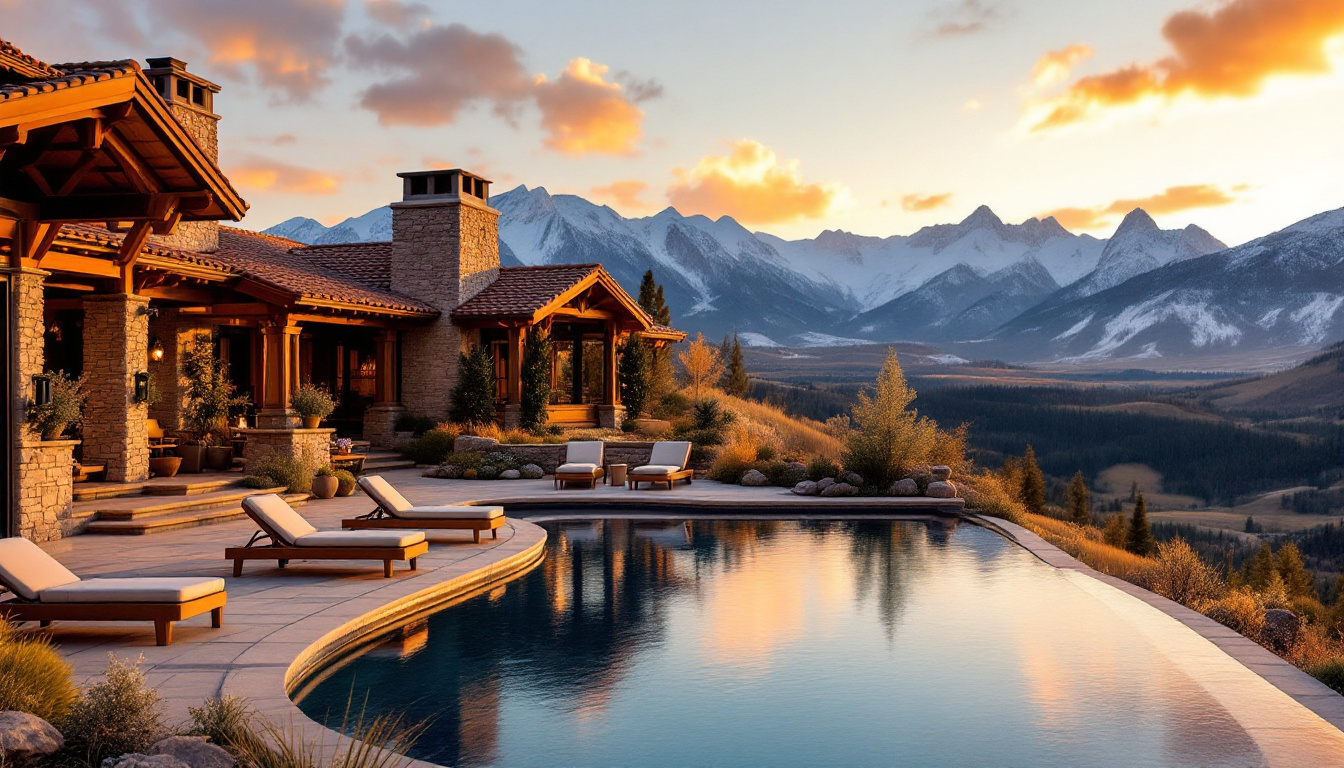
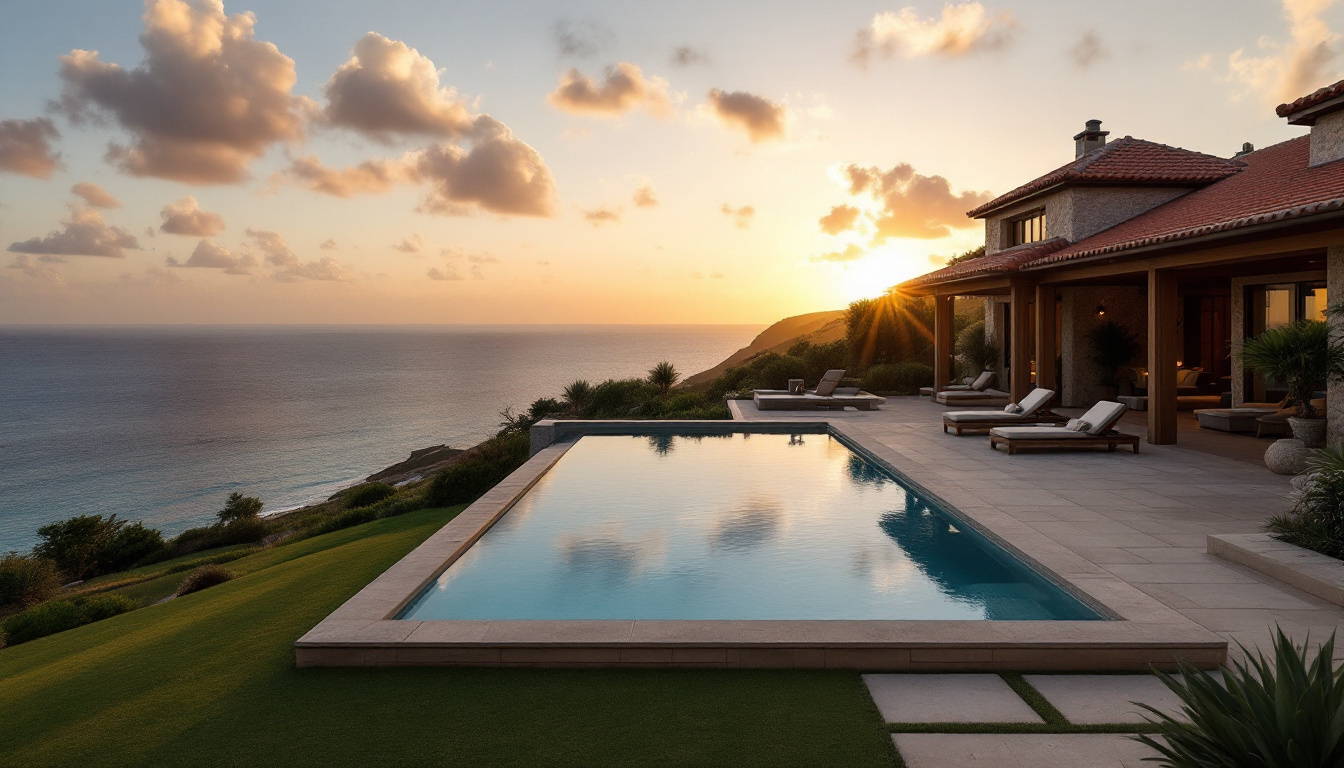
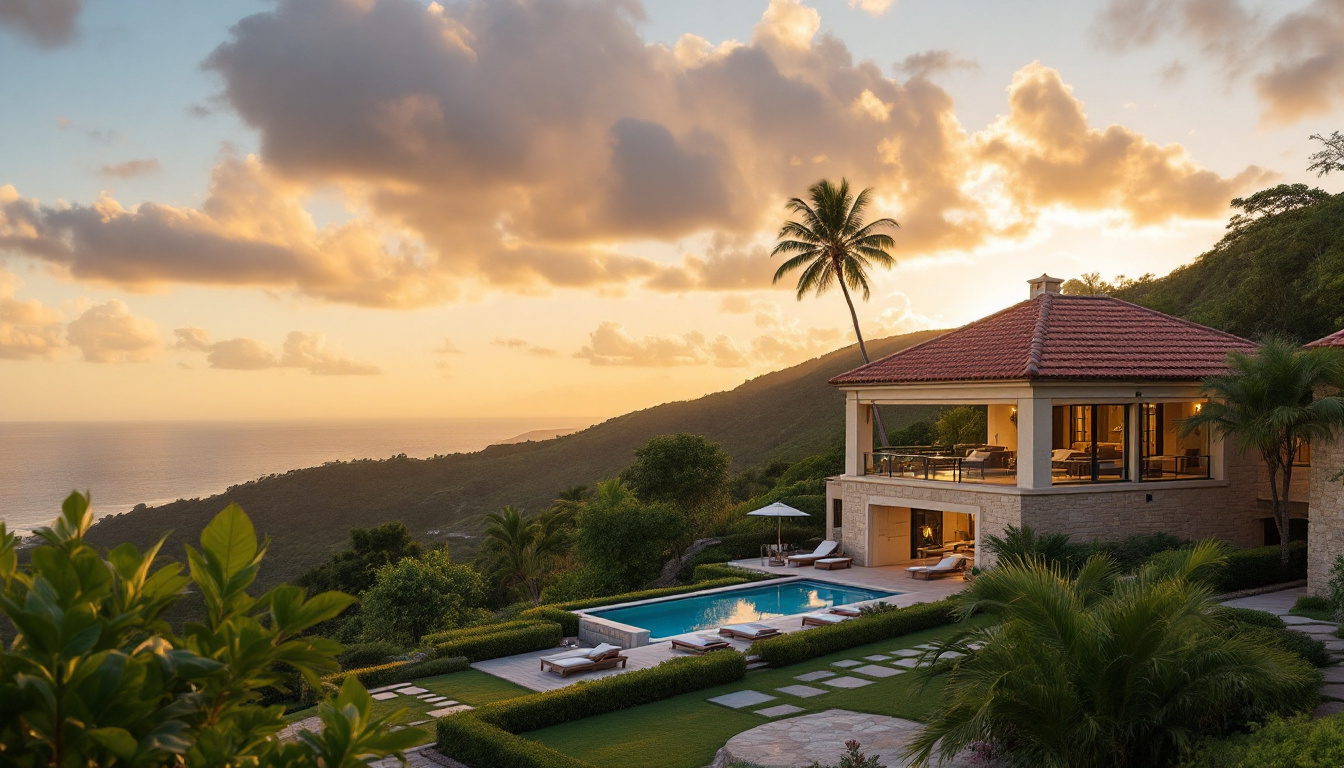
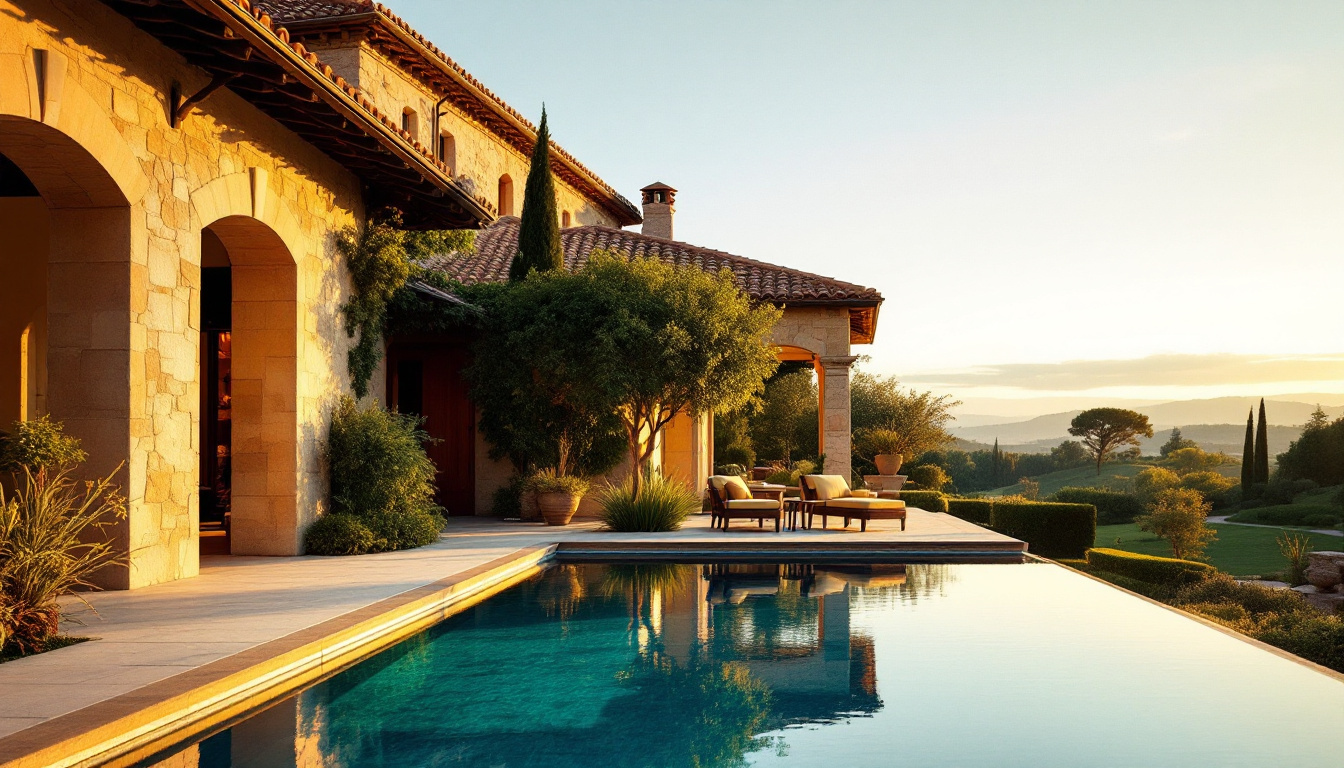
I had asked, before booking, for Villa Biondi — the smaller of the three two-bedroom villas, situated on the south slope of the ridge with a long view across the Sant’Antimo valley toward Monte Amiata. The villa is 290 square metres over two floors, with the principal living space on the lower floor (an open kitchen, a separate sitting room with a working fireplace, a small dining room that seats six, a covered loggia opening onto the pool terrace) and the two bedrooms on the upper floor with two bathrooms. The pool is 11 metres long, set into a stone terrace edged with rosemary and lavender, oriented to catch the late-afternoon sun without losing the morning shade.
The included Land Rover Defender — a current-generation 110, in the dark green livery that the estate uses across its fleet — was parked on the gravel apron when I arrived. The villa concierge, a thirty-something Florentine named Lorenzo Bartoli, walked me through the keys (one for the villa, one for the Defender, one for the gate at the bottom of the estate that opens via remote), the wifi (fast; the estate has run fibre throughout), the kitchen inventory (a six-burner gas range, a separate cold cupboard for cured meats, an integrated wine fridge with twelve bottles of estate wine that he had stocked that morning), and the alarm system (which he showed me how to disable). The walk-through took twenty minutes. He left me a card with his direct mobile and the instruction to use it for anything at all.
The bed in the master was a custom four-poster made for the estate by a workshop in Buonconvento — exposed walnut frame, a high horsehair-and-wool mattress that the estate replaces on a five-year rotation, linens woven by Bellora in Lombardy and washed to a softness that suggested they had been on the bed through a full season. The bathroom was clad in handmade cement tile (six different patterns laid in a non-pattern, the joins narrow enough to read as a single surface) with a freestanding tub cut from a single block of travertine and unlacquered brass fittings that will tarnish to a deep ochre over a decade. The towels were heavy Egyptian cotton, monogrammed with the estate’s cipher in the lower right corner. The soap was the estate’s own — Castiglion del Bosco produces a small range of olive-oil-based soaps and shampoos that are very good without being demonstrative about it.
The kitchen was the room that justified the villa over the Borgo suite. A working kitchen, properly equipped, with an island that seated four on stools and a pantry already stocked with the estate’s olive oil, three jars of preserved tomatoes (estate-grown, processed in the kitchen at Osteria La Canonica in late summer), a wheel of pecorino from a producer in nearby Pienza, four bottles of estate wine, and a small basket of eggs from the henhouse in the lower paddock. If you want a chef sent down to cook one night, that is arranged through Lorenzo; the rate in April 2026 was EUR 320 per person for a three-course menu plus the cost of the produce. If you want to cook for yourself, the estate restocks daily on a list you fill in.
The Defender is the genuine differentiator of the villa product. The estate covers 5,000 acres of working countryside, and the only way to engage with it properly is to have a vehicle. I used the Defender three times over the four nights: once to drive the twenty minutes to the village of Sant’Antimo for the morning office at the eleventh-century Romanesque abbey (which is one of the great quiet experiences in southern Tuscany and which most guests miss); once to drive forty minutes east to Pienza for lunch at La Bandita Townhouse Caffè; and once, on the third afternoon, to drive a loop of the estate’s eastern boundary on the gravel forestry track that climbs through the chestnut wood. The Defender is the right vehicle for that drive in a way that a German SUV would not be. The estate knew this when they specified the fleet.
The service
Castiglion del Bosco runs a villa concierge model that is, in structure, similar to the better-known Estate Host model at properties like Reschio: every villa guest is assigned one principal point of contact for the duration of the stay, and that person owns the entire experience. Lorenzo was on site three times over the four nights — once for the arrival walk-through, once on the second morning to coordinate a vineyard tour, once on the morning of departure to handle the transfer. He answered WhatsApp messages within fifteen minutes at any hour.
The general manager — Daniel Sieber, who came in from Mandarin Oriental Geneva in late 2024 — was visible at breakfast on three of the four mornings I was on the property and at the pass at Campo del Drago for an hour on the night I dined there. He stopped at my table on the second evening, knew my name, asked the right questions about the villa and the food. This is the part of GM presence that distinguishes a serious operation from a competent one, and Sieber has it.
The deliberate problem — I always invent one to test recovery — was a request, made at 14:30 on the second day, for a specific wine: a 2010 Pieve Santa Restituta Brunello (the Gaja-owned Montalcino estate, not produced every year and now genuinely difficult to find) which I knew the Rosewood cellar did not carry on its public list. I telephoned Lorenzo. He called back at 14:48. He said the estate did not stock the Pieve Santa Restituta 2010 but that the head sommelier, Gianni Marrone, had a personal contact at a wine shop in Montalcino and would attempt to source a bottle for the following evening at cost plus a 25 percent service charge; alternatively, the cellar had a 2012 Pieve Santa Restituta from the same estate which Gianni thought would interest me equally. I asked for the 2012. It arrived at the villa, properly decanted, the following evening at 19:30, and was charged at EUR 480 — the going rate at this kind of property, not inflated. The recovery was generous in the only way that matters: it produced a better outcome than the original request.
One miss to record. The pre-arrival housekeeping refresh on the morning of day three — the villa had been booked for a single guest, with a published light-housekeeping protocol (bed remade, towels refreshed, kitchen wiped, no full clean) — was scheduled for 11:00 and the housekeeper arrived at 11:45. Forty-five minutes is not catastrophic, but I had asked Lorenzo to schedule the housekeeping around my morning office hours so that I could be in the villa during the visit (this is how I prefer to manage strangers in a space I am living in). The schedule slipped and no one volunteered an explanation. Lorenzo apologised when I raised it.
The table
Castiglion del Bosco runs three F&B operations of consequence. Campo del Drago, the signature restaurant, occupies a restored building at the western edge of the Borgo and currently holds two Michelin stars (awarded one star in 2018, second star in 2023 under chef Matteo Temperini, who has held the kitchen since 2018 after long stints at Spoon — Louis XV in Monaco and at Food & Wine in Paris). Osteria La Canonica, the rustic estate restaurant inside the former parish house, runs lunch and dinner on a more relaxed menu drawn predominantly from the kitchen garden and the estate farm. Tre Olmi at the golf clubhouse serves a working lunch through the season.
I dined at Campo del Drago on the second evening. The room — twenty-eight covers at eight tables, with a small chef’s table at the pass — is warm in the right way: low lighting, plastered walls, a single open fireplace at the eastern end with logs from estate timber. The service is led by a French maître d’, Sébastien Lavigne, who came in from Aman Venice in early 2024 and runs the room with the deliberate visibility that this kind of kitchen requires. The food, on a five-course menu (CD’s “Percorso di Stagione” tasting at EUR 245 per person, with a wine pairing at EUR 165), was unusually generous for a two-star kitchen and unusually rooted in the surrounding fifty kilometres of countryside.
Highlights, in order:
The opener — a single piece of pici with a sauce of white truffle (in season; a small November-Easter window had extended further than usual in 2026 because of the late-winter rain) and aged Parmigiano — was the kind of dish that a kitchen makes when it has confidence in what is in the pantry. The pici was hand-rolled that morning. The truffle was shaved at the table. The cheese was a 36-month Parmigiano from a producer in Reggio Emilia that the kitchen has worked with for nine years. EUR 80 supplement, included in the tasting.
A primo of risotto allo zafferano with bone marrow and crisped guanciale was the centre of the meal. The saffron came from a small grower in the Val d’Orcia (Antonio Marrelli, six hectares, organic, the same producer the estate has worked with since 2014); the bone marrow was from estate-raised Chianina; the guanciale was from a producer in Norcia. The rice was correctly worked — al dente, with the bite intact, the texture creamy without being heavy. A very good plate.
A secondo of slow-roasted Cinta Senese pork — the heritage breed of black-and-white pig that the Val d’Orcia has been raising for six centuries — served with braised cardoons and a jus reduced with the estate’s own Sagrantino-style red. The pork was correctly cooked, the cardoons were a real seasonal touch (the cardoon season in Tuscany is short, late February through early April, and a kitchen that serves them outside that window is reaching). The plate was, in the round, an honest expression of place and time.
The wine list at Campo del Drago is the document I would single out. 620 references, weighted heavily toward Brunello di Montalcino (every serious producer in multiple vintages, including verticals of Soldera, Biondi-Santi, Case Basse, Salvioni, and the estate’s own Tenuta di Castiglion del Bosco back to 2003), with a deep section on Tuscan whites that most lists at this level treat as an afterthought, and a useful international spine running through Burgundy and the Rhône. The sommelier on my evening was an Italian woman in her early thirties named Eleonora Bartoli (no relation to Lorenzo), third year on the estate, and her pairing recommendation — a 2018 Pieve Santa Restituta Sugarille decanted for thirty minutes — was the best EUR 165 I spent at table.
Breakfast at Campo del Drago, two mornings running, was the meal where the estate looks most relaxed. A continental laid out on the loggia (estate honey, four jams made in the Osteria kitchen, six breads from the estate bakery, prosciutto from a producer in Norcia, three pecorinos at different ages, a wheel of Castelmagno from Piedmont); a short made-to-order list for eggs, pancakes, and a single hot dish that changed daily (one morning, a frittata with foraged wild asparagus; the next, a small bowl of ribollita). The pastry was made in house — properly, on site, that morning. This is a higher standard than I have seen at most properties at this rate level, where the pastry is usually the weak link.
The third meal worth describing is the lunch at Osteria La Canonica on the third day. A simpler kitchen, run by chef Enrico Figliuolo, who came up through the estate’s kitchen brigade after starting at Castiglion del Bosco as a stagiaire in 2014. The menu reads like an honest Tuscan farmhouse lunch — pici al ragù, a single salt-baked branzino for the table, the estate’s own chickens roasted whole with rosemary, a board of seasonal vegetables from the kitchen garden. EUR 95 per person before wine. The wine, on a separate list dominated by smaller Tuscan producers, came in at EUR 38 a glass for a 2019 Querciabella Camartina that was exactly right for the food. This is the right lunch on the estate, more so than anything at Campo del Drago at lunchtime.
The pastry at La Canonica is the one detail where the kitchen reaches above its station — the morning sweet bread, the late-afternoon biscotti, the small almond cakes that come with the espresso at the end of lunch. All made in house. All exceptional.
The Detail
The single most-distinctive Castiglion del Bosco gesture is the wine. The estate’s own Tenuta di Castiglion del Bosco label — a serious Brunello producer at scale, with a working cellar that produces approximately 270,000 bottles a year — is the through-line of the property in a way that hotel-restaurant wine programmes rarely are. The estate runs a private wine tasting programme out of the original cantina (a forty-minute walk from the Borgo, or a five-minute drive in the Defender) which I took on my third afternoon. The cellarmaster, Cecilia Leoneschi (who has been the estate’s chief winemaker since 2008 and is one of the most respected winemakers in Montalcino), walked me through the four-flight tasting personally — the Rosso di Montalcino 2022, the standard Brunello 2019, the Campo del Drago single-vineyard Brunello 2018, and a vertical of the Millecento (the estate’s top cuvée, made only in exceptional vintages from a single half-hectare parcel) running 2010, 2015, and 2016. The tasting is included for guests of the estate at no charge. It is the single most generous detail of the property, and it is the detail I would press any returning guest to take.
The second detail is the kitchen garden. A two-hectare walled garden at the western end of the estate, run by a head gardener and three full-time staff, that supplies both Campo del Drago and Osteria La Canonica with vegetables, herbs, and edible flowers through the season. A short tour of the garden is available to all guests on request and is genuinely worth taking; the head gardener, Marco Pintaldi, is the kind of person who will spend an hour explaining the rotation of his cardoon crop and the soil chemistry of a single bed. This is what serious estate hospitality looks like.
The third detail is the golf — the Castiglion del Bosco private club, the only private 18-hole golf course in Tuscany. Designed by Tom Weiskopf and opened in 2010, the course runs across the eastern half of the estate at elevations between 400 and 480 metres above sea level, with views in several directions toward Monte Amiata, Pienza, and Montalcino itself. Hotel and villa guests can play through a member-of-the-club arrangement; the green fee in April 2026 was EUR 280, which is a serious number but is the going rate for private golf in Italy at this level. The course is in genuinely good condition (Tuscan summer drought is a problem for golf courses in this region; Castiglion del Bosco has its own irrigation infrastructure and a maintenance team that knows how to use it). I am not a serious golfer — I played nine holes in a slow ninety-minute round on my second morning with the head professional, a Scotsman named Iain Carmichael who has been the club’s head pro since 2018 — and I came off the course wanting to play more.
The Standard
I will not score this property formally here — that pass requires a longer stay than four nights — but I will say where each axis would land on a first cut.
Setting: at the top of the market. The 5,000-acre estate inside UNESCO Val d’Orcia is a rare combination of landscape integrity, agricultural authenticity, and architectural restoration. There is no road noise. There is no view of any building not owned by the estate. The light, in April, is the particular pale-gold Tuscan light that the Val d’Orcia is known for.
Suites: very good, with the villa product clearly stronger than the Borgo product. The villas are the right choice for any stay of five nights or longer; the Borgo suites are the right choice for a short stay of two or three nights. The bed, the bathroom, the kitchen, the materiality, the integration with the landscape — all close to the top of the European market.
Service: at the standard. The villa concierge model is the right architecture for a property of this scale, and Lorenzo’s specific execution was unusually attentive. The GM’s visibility is exemplary. The recovery on the deliberate problem was generous. The housekeeping slip on day three is the only real demerit.
Table: a touch above the standard. Campo del Drago is technically excellent and emotionally generous in a way that two-star kitchens often are not. The wine list is unusually serious. Osteria La Canonica is the right lunch. Breakfast pastry made in house.
Detail: at the standard. The wine programme is the standout; the kitchen garden is the supporting structure; the golf is the right amenity at the right scale. The integration of the estate’s working agriculture with its hospitality output is the most successful I have seen in Italy.
Verdict
Castiglion del Bosco is the most fully realised estate property in Tuscany, and I would recommend it without qualification to any guest spending at this rate level who wants a full week on a single property. The villa product is the right product; book a villa, not a Borgo suite, unless you are travelling solo for two nights. Plan to cook one night in the villa kitchen with what the estate sends down. Take the wine tasting at the cantina even if you do not consider yourself a wine person. Play the golf if the weather is right. Drive the Defender out to Sant’Antimo at dawn for the office. Book Campo del Drago for one evening and Osteria La Canonica for the other.
Booking lead time is real. The Borgo suites take reservations approximately 4–6 months out for standard rooms in shoulder season; the larger Borgo suites are gone 8 months ahead for any week between mid-May and late September. The villas run on a longer cycle — 6–12 months for the high season (June, September, the first week of October), and longer still for the larger six-and-nine-bedroom properties, which book up to 18 months ahead because they are popular for milestone family gatherings. Minimum stays: three nights at the Borgo in low season, five in high; the villas are six-night minimum from June through September, four-night in shoulder.
I will go back. I would like a full week in one of the larger villas with a small group, to cook through the kitchen properly. I would like to see the estate at olive harvest in late October. And I would like to play the full eighteen at the golf club with the time the round deserves rather than the half-round I took at speed. I will report back.
Verification
Filed against the following sources, last verified on May 4, 2026. The desk re-checks the source URLs on every dated modification of the piece.
- https://www.rosewoodhotels.com/en/castiglion-del-bosco
- https://www.rosewoodhotels.com/en/castiglion-del-bosco/dining/ristorante-campo-del-drago
- https://www.rosewoodhotels.com/en/castiglion-del-bosco/accommodation/villas/villa-biondi
- https://galeriemagazine.com/hotel-of-the-week-castiglion-del-bosco/
- https://reportergourmet.com/en/news/9531-rosewood-castiglion-del-bosco-2-michelin-stars-and-locally-sourced-dishes-in-a-5-star-hotel
- https://www.maxim.com/travel/this-luxury-tuscan-resort-was-once-the-ferragamo-familys-private-retreat/
- https://www.mrandmrssmith.com/luxury-hotels/rosewood-castiglion-del-bosco
- https://www.rosewoodhotels.com/en/castiglion-del-bosco/media/press-kit/hotel-fact-sheet
Standing Questions
- Who owns Castiglion del Bosco?
- Massimo Ferragamo (son of Salvatore Ferragamo, brother of the late Wanda Ferragamo's other children) acquired the estate in 2003. The property is operated under management by Rosewood Hotels & Resorts, but the asset and the editorial direction remain with the Ferragamo family. Massimo and Chiara Ferragamo are personally involved in the wine, the golf club, and the broader estate programme; their hand is visible throughout.
- What is the difference between a Borgo suite and a private villa?
- The Borgo suites (42 of them) are inside the restored medieval hamlet, share the central piazza, and operate on hotel rhythm — breakfast at the restaurant, housekeeping twice daily, the standard service architecture. The 11 villas are individual restored farmhouses across the 5,000-acre estate, 1 to 9 bedrooms, each with private pool, kitchen, garden, and an included Land Rover Defender. The villas are open year-round; the Borgo closes from mid-November to late March. For three nights or fewer, take a Borgo suite. For five nights or more, take a villa.
- What does it cost?
- Borgo deluxe rooms from approximately EUR 1,200 per night in shoulder season, rising to EUR 1,700 in high season. The one-bedroom Borgo suites run EUR 2,200–EUR 3,400. Private villas start at approximately EUR 6,800 per night for two-bedroom properties (with the included Defender) and run to EUR 18,000+ per night for the largest villas in high season. A 6-night minimum applies on the villas from June through September.
- Is Campo del Drago worth flying for?
- It is worth driving from anywhere in Tuscany for and worth flying from London for if the timing is right; flying from further is excessive when Reschio, Borgo Pignano, and Borgo Santo Pietro all sit within a two-hour drive. Chef Matteo Temperini's two-star cooking is technically very assured and unusually generous in portion for a kitchen at this level; the wine list reads as a Brunello shrine, with the estate's own Brunello di Montalcino at the centre. Book the chef's table at the pass if you can.
- Which season?
- Late April through late June and mid-September through the first week of November. The estate's olive harvest in late October is a real event and worth a separate booking. The Borgo closes from mid-November to late March; the villas remain open and the winter rate, in a property with working fireplaces and a hot kitchen, is its own kind of pleasure.