I spent seventeen days in southern Africa in early April 2026, running a Botswana-Namibia combination that opened with eight nights in Botswana (three at Mombo Camp on Chief’s Island, three at Vumbura Plains in the northern Delta, two at Chitabe Camp in the southern Delta), continued with seven nights in Namibia (three at Wolwedans in Sossusvlei, two at Hoanib Skeleton Coast Camp, two at Desert Rhino Camp in Damaraland), and closed with two nights in Cape Town for the trip-end leg. The trip was constructed specifically to assess the combined two-country itinerary as the structural southern African answer for the second-time safari traveller, and to test the working hypothesis that the Botswana-Namibia combination delivers the maximum environmental contrast within a single regional programme.
The working assessment confirmed both positions. The combined trip remains the most ambitious southern African answer in 2026; the upper-tier camp inventory in both countries has compounded meaningfully through 2022-2026; and the structural recommendation for the upper-end traveller is a 10-14 night Delta-and-Desert programme positioned in the May-October dry season window.
The Okavango Delta context
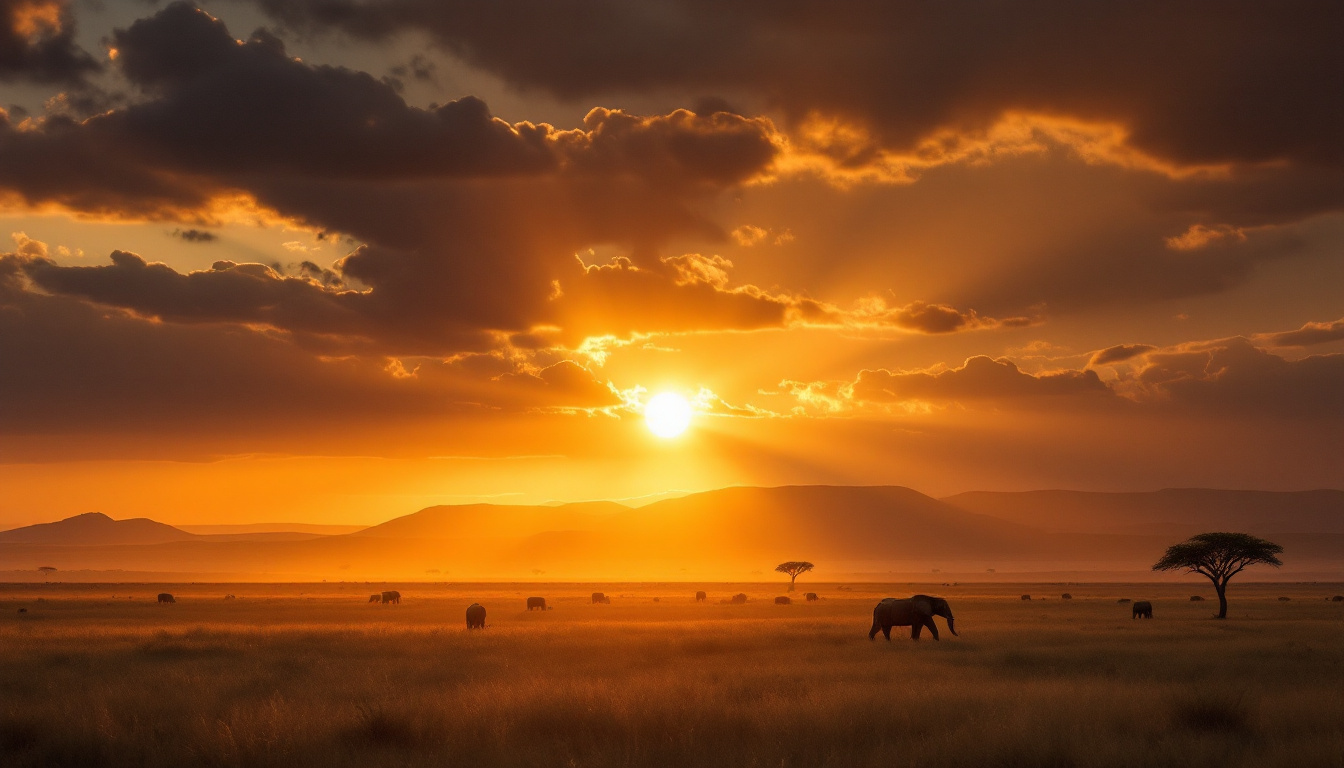
The Okavango Delta is a 15,000-square-kilometre inland delta that floods the central Kalahari basin annually from the Angolan highlands. The delta is fed by the Cubango and Cuito rivers that rise approximately 1,200 kilometres to the northwest in the Angolan central plateau; the water reaches the upper Delta in approximately April-May and the lower Delta in approximately July-August, with the peak flood typically in mid-July at the upper-Delta camps and approximately August at the lower-Delta camps. The delta does not drain to any sea; the water is absorbed into the Kalahari sands and lost to evaporation. The delta supports one of the most concentrated game populations in Africa and is structurally the most photogenic safari environment on the continent.
The principal upper-tier camp operators in the Delta are Wilderness Safaris (the largest single operator, with Mombo on Chief’s Island, Vumbura Plains in the northern Delta, Little Vumbura, Tubu Tree, Pelo, Jao, Chitabe, and Qorokwe), Great Plains Conservation (Duba Plains, Selinda Camp, Zarafa Camp), andBeyond (Sandibe, Xudum, Xaranna), and Belmond (Eagle Island Lodge, Khwai River Lodge, Savute Elephant Lodge). The smaller boutique operators (Wilderness’s smaller camps, Kanana Camp, Stanley’s Camp) run secondary upper-tier programmes. The structural inventory is meaningfully consolidated under the four principal operators and the Wilderness Safaris position is the most dominant.
The Botswana shortlist
The structural Botswana shortlist in 2026 runs as follows.
Mombo Camp, the Wilderness Safaris flagship on Chief’s Island in the central Moremi Game Reserve, runs nine tented suites (rebuilt 2019 in a complete reconstruction). The property is the most historically significant Botswana camp (operated continuously since the early 1990s as the principal Wilderness Safaris flagship), runs an exclusive game-drive concession on one of the most game-dense reaches of the Delta, and carries the most refined hospitality posture of any African mobile camp. The rate point in early April 2026 ran approximately USD 3,000-USD 4,500 per person per night inclusive of all meals, activities, conservation fees, and laundry. Little Mombo, the smaller three-suite annex immediately adjacent, runs at slightly higher rate points and is the right answer for a small private-party booking.
Vumbura Plains, the Wilderness Safaris property in the northern Delta on a 60,000-hectare private concession, runs 14 tented suites (Vumbura Plains North and Vumbura Plains South, two camps of seven suites each, the same property). The property offers the broadest activity programme in the Delta — game drives, guided walks, mokoro excursions, motorboat trips, fishing — and is the structural answer for guests who want the most varied Delta activity programme.
Chitabe Camp and Qorokwe Camp in the southern Delta carry the more predator-focused programmes; both are run by Wilderness Safaris and operate on private concessions in the southern Moremi area. Selinda Camp and Zarafa Camp in the Selinda Reserve (the Great Plains Conservation concession in the central-northern Botswana savanna) run the most distinctive walking-safari programmes.
The Namibian desert context
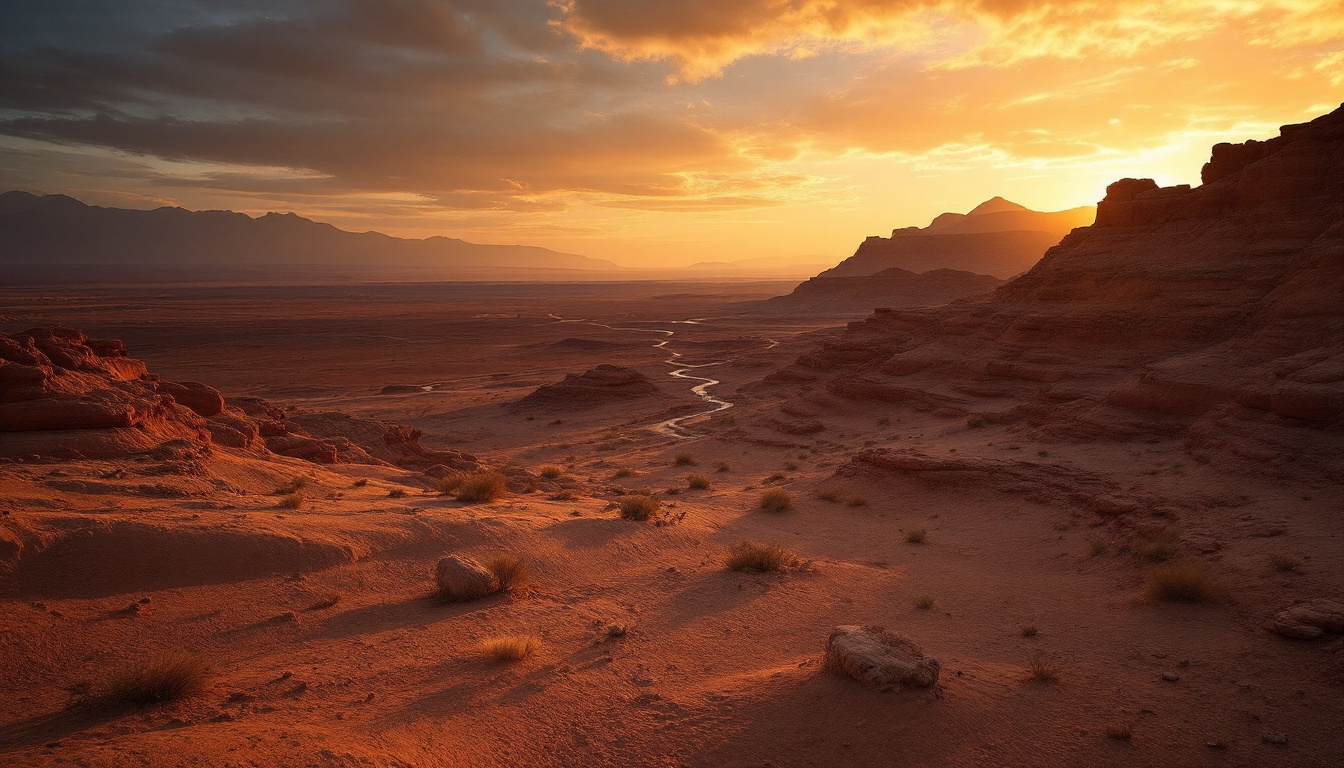
Namibia is structurally the most desert-driven country in southern Africa. The Namib Desert runs the entire western coastline of the country from the South African border to the Angolan border, with the central Namib carrying the principal Sossusvlei dune system, the northern Namib carrying the Skeleton Coast and Damaraland desert programmes, and the southern Namib carrying the Sperrgebiet (the former German diamond-mining restricted zone, now substantially opened to upper-end visitor access). The country has a population of approximately 2.6 million across approximately 825,000 square kilometres, making it the second-most-sparsely-populated country in the world after Mongolia.
The principal Namibian safari programme runs through three structural sections. Sossusvlei is the central-southern dune system, with the highest sand dunes in the world (Dune 7 near Walvis Bay at approximately 388 metres, Big Daddy in the Sossusvlei area at approximately 325 metres) and the most photographed desert landscapes in Africa (Deadvlei, the white-clay pan with dead 900-year-old camel-thorn trees against the red dunes, is the canonical Namibia postcard image). The principal upper-tier accommodations are Wolwedans Dunes Camp and Dunes Lodge (in the NamibRand Nature Reserve immediately east of the Sossusvlei area, 9 and 9 keys respectively, the most settled upper-tier desert lodge in Namibia), and the andBeyond Sossusvlei Desert Lodge (in the NamibRand area, 10 villas, opened 2020 after a complete reconstruction).
Damaraland is the central Namibian semi-desert region north of Sossusvlei and carries the principal desert-adapted elephant population and the most accessible desert-black-rhino tracking programme. The principal upper-tier accommodations are Desert Rhino Camp (the Wilderness Safaris property with the principal rhino-tracking programme, run in partnership with the Save the Rhino Trust) and Damaraland Camp.
The Skeleton Coast runs along the far northwestern Atlantic coastline and is the most remote of the principal Namibian safari sections. The Hoanib Skeleton Coast Camp (the Wilderness Safaris property in the Hoanib River valley, opened 2014 and rebuilt 2022) is the principal upper-tier Skeleton Coast accommodation and runs the desert-adapted elephant and desert-adapted lion programmes on the Hoanib floodplain.
The Namibian shortlist
The structural Namibian shortlist in 2026 runs as follows.
Wolwedans Dunes Camp and Dunes Lodge in the NamibRand Nature Reserve adjacent to Sossusvlei runs the most settled upper-tier desert lodge programme in Namibia, with a substantial conservation-led operating posture and a meaningfully refined hospitality programme. The rate point ran approximately USD 1,400-USD 2,500 per person per night.
andBeyond Sossusvlei Desert Lodge in the NamibRand area runs 10 contemporary stone-and-glass villas (opened 2020 after a complete reconstruction) with a more contemporary aesthetic and the structurally most polished hospitality programme in the Sossusvlei market. Rate point at approximately USD 2,500-USD 3,800 per person per night.
Hoanib Skeleton Coast Camp in the Hoanib River valley in the western Damaraland-into-Skeleton-Coast transition runs eight tented suites and the most distinctive remote-desert experience in the country.
Desert Rhino Camp in the central Damaraland area runs the principal rhino-tracking programme and is the structural answer for guests who specifically want the desert-rhino encounter.
Transfer architecture
The Botswana-Namibia transfer architecture runs primarily on the light-aircraft circuit. The typical itinerary opens with international arrival into Maun (MUB) via the Johannesburg-Maun (JNB-MUB) Air Botswana service or the Cape Town-Maun connection, continues with the Wilderness Air or Mack Air light-aircraft circuit through the Botswana camps (typically 2-3 camps over 6-9 nights), transfers from Maun to Windhoek (WDH) via the scheduled Air Botswana service or a chartered light-aircraft routing, and continues with the Wilderness Air or the broader Namibian light-aircraft circuit through the Namibian camps (typically 2-3 camps over 5-7 nights). The trip closes with the international departure from Windhoek (Hosea Kutako International, WDH) via the Frankfurt, Johannesburg, or Doha connections.
The structural cost-management caution is the cumulative light-aircraft cost; a typical Botswana-Namibia 10-14 night programme runs USD 4,000-USD 8,000 per person in internal-flight cost on top of the camp rates and the international transit, and the upper-end programme runs USD 25,000-USD 50,000 per person all-in. The rate point is materially higher than the equivalent Kenya or Tanzania programme; the structural justification is the lower vehicle-density experience and the more polished hospitality programme in the principal camps.
The desk view
The structural assessment after the seventeen-day Botswana-Namibia sweep is that the combined trip remains the most ambitious southern African answer in 2026 and that the upper-tier camp inventory in both countries has compounded meaningfully through 2022-2026. The desk’s structural recommendation for the 2026 season is a 12-14 night programme with the Wilderness Safaris-led Botswana leg (3-camp Mombo-Vumbura-Chitabe combination or similar) followed by a 5-7 night Namibia leg (typically Sossusvlei plus either Damaraland or the Skeleton Coast), positioned in the May-September dry season window for the peak Delta floodwater and the most reliable Namibian desert weather.
The trip is structurally a returning-traveller programme and is the right answer for guests who have previously visited East Africa (Kenya or Tanzania) and who want to experience the southern African private-concession upper-tier model and the most distinctive desert environment in the African safari market. The 2026 season is a defensible year to be in southern Africa at the upper end; the cumulative upper-tier-camp investment cycle through the post-pandemic window has produced the most settled inventory in the history of the category, and the structural advantage of the southern African private-concession model over the East African reserve-system model has hardened.
Standing Questions
- Why Botswana and Namibia together?
- The two countries are structurally complementary at the upper end of the African safari market. Botswana carries the most concentrated water-and-game environment on the African continent (the Okavango Delta is a 15,000-square-kilometre inland delta that floods the central Kalahari basin annually from the Angolan highlands, supporting one of the most dense game populations in Africa) and the most settled upper-tier mobile-camp market. Namibia carries the most distinctive desert environment on the continent (the Namib Desert is one of the oldest deserts in the world at approximately 55-80 million years and runs the most photogenic dune landscape) and a smaller but well-developed upper-tier desert-camp market. The combined trip delivers the maximum environmental contrast within a single southern African itinerary.
- Mombo or Vumbura Plains?
- Mombo for the higher-game-density experience and the more historically significant property; Vumbura Plains for the broader-activity programme and the larger and more contemporary product. Mombo Camp sits on Chief's Island in the heart of the Moremi Game Reserve in the central Okavango Delta; the property has nine tented suites (rebuilt 2019 after a complete reconstruction), runs an exclusive game-drive concession on the most game-dense reach of the Delta, and carries the most historically significant Botswana camp position (the original Mombo camp was opened in the early 1990s and has been the principal Wilderness Safaris flagship since). Vumbura Plains sits in the northern Delta within a 60,000-hectare private concession; the property runs 14 tented suites and offers the broadest activity programme in the Delta, including game drives, guided walks, mokoro (traditional dugout-canoe) excursions, motorboat trips, and fishing.
- Sossusvlei or Damaraland for the Namibia portion?
- Sossusvlei for the most visually distinctive desert experience and the principal photographic anchor of any Namibia trip; Damaraland for the wildlife-focused desert programme. Sossusvlei is the principal section of the central Namib Desert and carries the highest sand dunes in the world (the principal Dune 45, Big Daddy, and Deadvlei white-clay-pan formations are the most photographed desert landscape in southern Africa). The principal upper-tier accommodations are Wolwedans Dunes Camp and the andBeyond Sossusvlei Desert Lodge. Damaraland is the central Namibian semi-desert region north of Sossusvlei and carries the principal desert-adapted elephant and desert-adapted black-rhino populations; the principal upper-tier accommodations are Desert Rhino Camp (the Wilderness Safaris property with the principal rhino-tracking programme) and Damaraland Camp.
- How does the country transfer work?
- The structural answer is the Wilderness Air light-aircraft network or the broader Cessna Caravan and Pilatus PC-12 light-aircraft circuit that links the principal camps in both countries. The typical Botswana-Namibia itinerary runs as follows: international arrival into Maun (MUB) via Johannesburg or Cape Town, light-aircraft circuit through the Botswana camps (Mombo, Vumbura Plains, Chitabe, Qorokwe, or similar combination), light-aircraft transfer from Maun to Windhoek (WDH) or a charter directly to one of the Namibian camps, light-aircraft circuit through the Namibian camps (Sossusvlei, Hoanib, Damaraland), and international departure from Windhoek. The Maun-Windhoek transfer typically requires a scheduled flight or a chartered light aircraft; the overland border crossing is feasible but is the longer option.
- When is the right season?
- The Botswana Delta runs its peak season from May through October during the southern-hemisphere dry winter; the floodwaters peak typically in June-July at the upper-Delta camps and approximately August at the lower-Delta camps, with the highest water-based activity (mokoro) availability in the peak-flood window. The Namibian dry season runs roughly the same May-October window; the structural strength of Namibia is that the desert environment is largely indifferent to seasonal variation and the country is bookable year-round. The combined Botswana-Namibia trip runs most efficiently in the May-September window; the late August through early October arc is the desk's preferred timing for the peak water-and-game contrast.