I spent eight days in the Atacama Desert in late March and early April 2026, running a four-lodge audit programme that covered four nights at Tierra Atacama, two nights at Awasi Atacama, and two nights at Nayara Alto Atacama, with a closing day visit to Explora Atacama for the property tour. The trip was constructed specifically to assess the structural competition between the four principal upper-tier lodges in the Atacama market and to test the working hypothesis that the market has consolidated into a mature four-lodge competition that delivers comparably polished hospitality across distinct operational models.
The working assessment confirmed the position. The four lodges each deliver a structurally distinct product within a comparably mature competitive set; the Atacama remains the most consolidated luxury circuit in South America; and the 2026 season is a defensible year for the upper-tier Atacama programme.
The Atacama context
The Atacama Desert is a roughly 1,000-kilometre coastal-desert strip that runs along the northern Chilean coast from approximately the Peruvian border in the north to the Copiapó River in the south, with the upper-tier visitor concentration around the village of San Pedro de Atacama at 2,400 metres elevation in the central interior. The desert is structurally one of the driest places in the world (the central Atacama runs an annual rainfall of approximately 1-3 millimetres per year), one of the highest non-polar deserts in the world, and one of the best astronomical observing sites on the planet (the European Southern Observatory’s Paranal complex, the Atacama Large Millimeter Array, and the Llano de Chajnantor radio observatory complex are all located in the desert).
San Pedro de Atacama itself is a small village with a population of approximately 11,000 and a structural compact urban form: the central village measures approximately 2 kilometres by 1 kilometre and all of the principal lodges sit within a 15-kilometre radius. The structural visitor pattern is concentrated at the principal lodges (the four upper-tier properties profiled in this brief) and a smaller secondary inventory of mid-tier hotels and hostels in the village itself; the rate dispersion across the village is substantial (the upper-tier inventory runs USD 400-USD 900 per person per night at the conventional all-inclusive format, against approximately USD 80-USD 250 per night for the mid-tier village hotels).
The four-lodge competition
The structural Atacama upper-tier shortlist in 2026 runs as follows.
Awasi Atacama runs 12 suites distributed across a 0.4-hectare site approximately 1 kilometre from the central village. The structural distinction is the private-guide format: every guest room is assigned a dedicated private guide and a 4WD vehicle for the duration of the stay, allowing the guest party to follow a fully bespoke excursion programme rather than the shared-group format that the other lodges use. The hospitality programme runs an all-inclusive structure (meals, premium Chilean wines with dinner, daily guided activities, spa facilities, private transfers to and from Calama Airport); the rate point in late March 2026 ran approximately USD 1,200-USD 1,800 per person per night double-occupancy. Awasi is the right answer for guests who specifically want the most exclusive and most personalised Atacama programme, and for small private parties (3-4 couples) who want to coordinate a single integrated excursion programme.
Tierra Atacama runs 32 suites distributed across a contemporary stone-and-glass complex on the western edge of San Pedro de Atacama, with the principal frontage on the Andean mountain views toward the Licancabur volcano. The hotel opened in 2008 and was acquired by the broader Tierra Hotels group (which also operates Tierra Patagonia in Torres del Paine and Tierra Chiloé on the southern Chilean island of Chiloé). The structural distinction is the contemporary design language and the broader-facility programme: the suites are larger than the Awasi or Explora equivalents, the central public-rooms programme runs a more extensive lounge and bar architecture, and the in-house Uma Spa runs a serious treatment programme. The rate point ran approximately USD 700-USD 1,400 per person per night all-inclusive. Tierra is the right answer for guests who want the most architecturally distinctive contemporary product and the broader-facility programme.
Explora Atacama is the original upper-tier lodge in the Atacama market, opened in 1998 by the Explora group (the structurally important Chilean adventure-lodge operator that pioneered the upper-tier South American adventure-lodge category with Explora Patagonia in 1993). The property runs 50 rooms distributed across a low-rise complex on the southern edge of San Pedro de Atacama and carries the most committed adventure-and-excursion posture in the market: the standard programme includes approximately 50 different excursion options across the principal desert sites, and the lodge maintains the largest guide team and the most experienced field operation in the village. The rate point ran approximately USD 800-USD 1,500 per person per night all-inclusive. Explora is the right answer for guests who specifically want the most adventure-driven Atacama programme and the most extensive excursion choice.
Nayara Alto Atacama (the property previously operated as Alto Atacama Desert Lodge & Spa and acquired by the Nayara Resorts group in 2021) runs 42 rooms in a converted hacienda-style complex approximately 10 minutes north of San Pedro de Atacama in the Catarpe valley. The property runs the broader-facility resort answer in the Atacama market, with the most polished spa programme (six outdoor pools, an extensive treatment menu, the broader wellness architecture), the most structured cuisine programme, and the most polished hospitality posture. The rate point ran approximately USD 800-USD 1,500 per person per night all-inclusive. Nayara Alto Atacama is the right answer for guests who want the broader-facility resort experience and the most refined hospitality programme.
The principal excursions
The structural Atacama excursion programme runs across four principal sites and a longer list of secondary excursions.
The El Tatio geothermal area is the largest geyser field in the Southern Hemisphere, at approximately 4,320 metres elevation in the northern Atacama approximately 90 minutes’ drive from San Pedro de Atacama. The principal visitor programme is the dawn excursion (departing the lodges at approximately 04:30 for arrival at El Tatio at sunrise, the principal window for the steam-vent visual effect that the cold dawn air produces against the hot geothermal vents). The excursion is structurally the most physically demanding of the standard Atacama programme due to the elevation and the early-morning timing; the structural recommendation is to position the El Tatio excursion in the third or fourth day of a 4-5 night stay after acclimatisation.
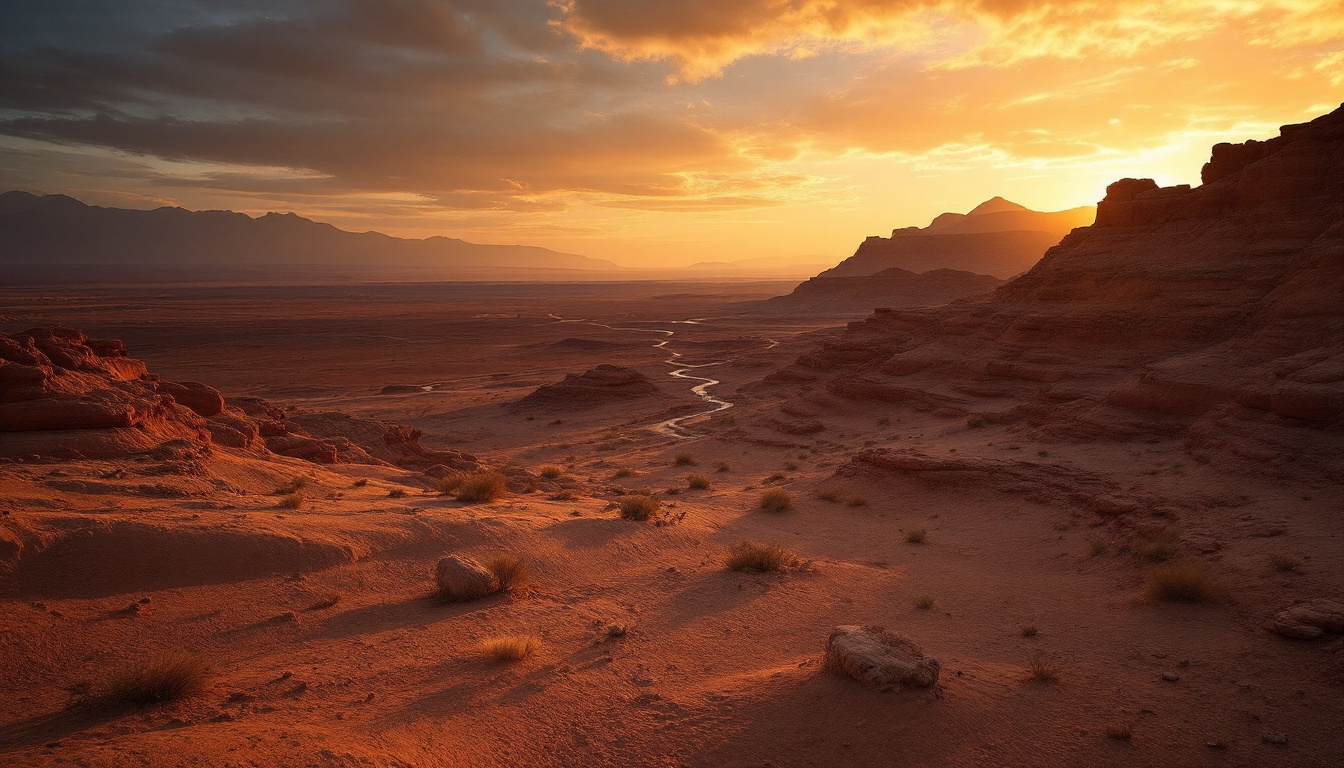
The Valle de la Luna (Moon Valley) is a salt-and-clay erosion landscape approximately 13 kilometres west of San Pedro de Atacama, structurally the most accessible of the principal excursions at low elevation. The principal visitor programme is the sunset programme: the lodges typically position guests on the high ridge above the valley for the approximately 45-minute sunset window during which the salt-and-clay formations carry their most photogenic light. The structural caution is the cumulative visitor density at the principal sunset viewpoints; the conventional excursion routing runs through a coordinated lodge-and-tour-operator pattern that can produce substantial vehicle density at peak.
The Salar de Atacama is the third-largest salt flat in the world at approximately 3,000 square kilometres, with the principal Chaxa Lagoon flamingo-viewing area in the central section. The lagoon supports three of the six flamingo species in the world (Andean, Chilean, and James’s flamingos) and the principal visitor programme is the morning or afternoon viewing of the flamingo population at the lagoon edge.
The Altiplanic Lagoons (Miscanti and Miñiques) sit at approximately 4,200 metres elevation in the eastern altiplano. The principal visitor programme is the midday lagoon-viewing programme at the southern shore, with the surrounding Andean volcanic peaks (Miñiques, Chiliques, Aguas Calientes) as the visual backdrop.
The longer secondary excursion list includes the Tara Salt Flat (the most remote of the principal salt flats, approximately 4,800 metres elevation near the Bolivia border), the Rainbow Valley (Valle del Arcoíris), the Pukará de Quitor archaeological site (the pre-Columbian fortress on the cliff above the Catarpe valley), the Tulor archaeological site (the pre-Columbian village ruins south of San Pedro), and the cumulative astronomy programme (the principal lodges run astronomical-viewing programmes that leverage the exceptional clear-sky conditions in the desert).
Transfer architecture and timing
The Atacama upper-tier transfer architecture runs through Calama Airport (CJC) approximately 100 kilometres west of San Pedro de Atacama. The principal LATAM Chile schedule runs approximately 4-6 daily Calama-Santiago (SCL) sailings with a flight time of approximately 2 hours each way; the Calama-San Pedro de Atacama road transfer runs approximately 90 minutes by private vehicle. All of the principal upper-tier lodges include the Calama-lodge transfer in their all-inclusive rates and operate fleet vehicles for the airport pickup.
The structural Atacama itinerary is 4-5 nights at one of the principal lodges, accessed via Santiago (SCL) on the international flight and onward via Calama on the domestic LATAM segment. The Chile-wide combination (Atacama plus Santiago plus Patagonia) is the structural 12-14 night Chile programme; the Atacama-Patagonia combination requires the Santiago transit (no direct Calama-Punta Arenas routing) and is most efficiently positioned with a 1-2 night Santiago segment between the two principal regions.
The seasonal pattern for the Atacama is structurally year-round: the principal climate variation is the elevation-based temperature pattern (summer December-February runs hot in the lower elevations and cold in the higher; winter June-August runs cool in the lower elevations and very cold in the higher) and the Bolivian altiplano summer rainy season (December-March, with occasional flooding of the high-elevation excursion routes). The structural recommendation for the 2026 season is March-November as the broad window with April-May and September-October as the desk’s preferred sub-windows.
The desk view
The structural assessment after the eight-day Atacama sweep is that the market has consolidated into a mature four-lodge competition with each lodge delivering a structurally distinct product, that the principal excursions remain the structural reason to be in the Atacama, and that the 2026 season is a defensible year for the upper-tier Atacama programme. The desk’s structural recommendation for 2026 is a 5-night Atacama stay at one of the four principal lodges (the recommendation by guest profile runs Awasi for the private-guide format, Tierra for the contemporary design and broader facility, Explora for the adventure-driven programme, Nayara Alto Atacama for the polished resort hospitality), positioned in the April-May or September-October shoulder windows for the most stable weather.
The structural extension is the Patagonia combination. The combined Atacama-Patagonia programme is the structural 12-14 night Chile answer for the upper-end traveller and is the right format for guests who want the maximum environmental contrast within a single South American programme. The Tierra-Tierra, Explora-Explora, or Awasi-Awasi paired booking is the structural answer for hospitality-programme continuity across the two regions; the desk’s recommendation is to book both legs through a single operator relationship rather than to split the booking across competitors. The 2026 season is a defensible year to be in Chile at the upper end; the structural quality of the principal Atacama lodges and the parallel Patagonia anchors is the highest it has been since the modern Chilean upper-tier market began.
Standing Questions
- Which lodge is the right answer?
- Awasi for the most exclusive private-guide format (12 suites with a dedicated private guide and 4WD vehicle per room, the smallest-scale and most personalised programme in the market). Tierra for the broader-facility contemporary anchor (32 suites with a more conventional shared-vehicle excursion format and the most architecturally distinctive contemporary design). Explora for the longest-established adventure-driven programme (50 rooms, opened 1998 as the original Atacama upper-tier lodge under the Explora group, with the most committed adventure-and-excursion posture). Nayara Alto Atacama for the broader-facility resort answer with the most refined hospitality programme (42 rooms, the most polished spa and the most structured cuisine programme). The desk's structural recommendation for the first-time Atacama visitor is Tierra or Nayara Alto Atacama for the broader-facility experience and Awasi for guests who specifically want the private-guide format.
- What are the principal excursions?
- The structural Atacama excursion programme runs across four principal sites: the El Tatio geothermal area (the largest geyser field in the Southern Hemisphere, at approximately 4,320 metres elevation, accessed in a 04:30 departure for the dawn steam-vent display); the Valle de la Luna (the Moon Valley, a salt-and-clay erosion landscape immediately west of San Pedro de Atacama, with the principal sunset programme); the Salar de Atacama (the third-largest salt flat in the world at approximately 3,000 square kilometres, with the principal Chaxa Lagoon flamingo-viewing area); and the Altiplanic Lagoons at the high-elevation salt lakes (Miscanti and Miñiques at approximately 4,200 metres elevation). The cumulative programme requires a minimum 4-night stay at one of the principal lodges to cover the principal sites at a reasonable pace; the longer 5-6 night programme adds the Tara Salt Flat, the Rainbow Valley (Valle del Arcoíris), and the Pukará de Quitor archaeological site.
- How does altitude work?
- San Pedro de Atacama sits at 2,400 metres elevation and is the structural base for the upper-tier lodge programme; the elevation is below the threshold at which most guests develop altitude sickness, but the air is meaningfully thinner than at sea level and a 24-hour acclimatisation period is advisable. The principal excursion sites run at substantially higher elevations: El Tatio is at approximately 4,320 metres, the Altiplanic Lagoons are at approximately 4,200 metres, and the Bolivia border-area excursions can reach approximately 4,800 metres. The principal lodges run a structured acclimatisation programme that positions the lower-elevation excursions in the first 24-48 hours and the higher-elevation excursions in the third day onward; the desk's structural recommendation is to follow the lodge-led excursion ordering and to maintain serious hydration through the stay.
- Can the Atacama be combined with Patagonia?
- Yes, and the combined Atacama-Patagonia programme is the structural answer for a 12-14 night Chile trip. The transfer from Calama (CJC) to Punta Arenas (PUQ, the principal Patagonian gateway) runs approximately 6-7 hours total via Santiago on the LATAM domestic network (no direct routing is available). The structural compromise position is to position the trip with a Santiago segment in the middle (1-2 nights at the W Santiago or the Mandarin Oriental Santiago) as a transition. The principal Patagonia upper-tier anchors are Tierra Patagonia (the sister property of Tierra Atacama, on the Torres del Paine perimeter), Explora Patagonia (the sister property of Explora Atacama, also in Torres del Paine), and Awasi Patagonia (the sister property of Awasi Atacama, also in the Torres del Paine perimeter). The structural combination is to pair Tierra Atacama with Tierra Patagonia, Explora Atacama with Explora Patagonia, or Awasi Atacama with Awasi Patagonia, for hospitality-programme continuity.
- When is the right season?
- The Atacama Desert is structurally one of the driest places in the world (the central Atacama runs an annual rainfall of approximately 1-3 millimetres per year, by some measures the driest non-polar region in the world) and is bookable year-round. The principal seasonal variations are the elevation-based temperature pattern (summer December-February runs hot in the lower-elevation lodges at 25-30 degrees Celsius daytime and cold in the higher elevations; winter June-August runs cool at 15-20 degrees Celsius daytime but cold at night and the highest probability of clear-sky conditions for the astronomical programme), and the Bolivian altiplano summer rainy season (the principal rainfall window for the broader region, December-March, can cause occasional flooding of the high-elevation excursion routes). The structural recommendation for the 2026 season is March-November as the broad window, with April-May and September-October as the desk's preferred sub-windows for the most stable weather.