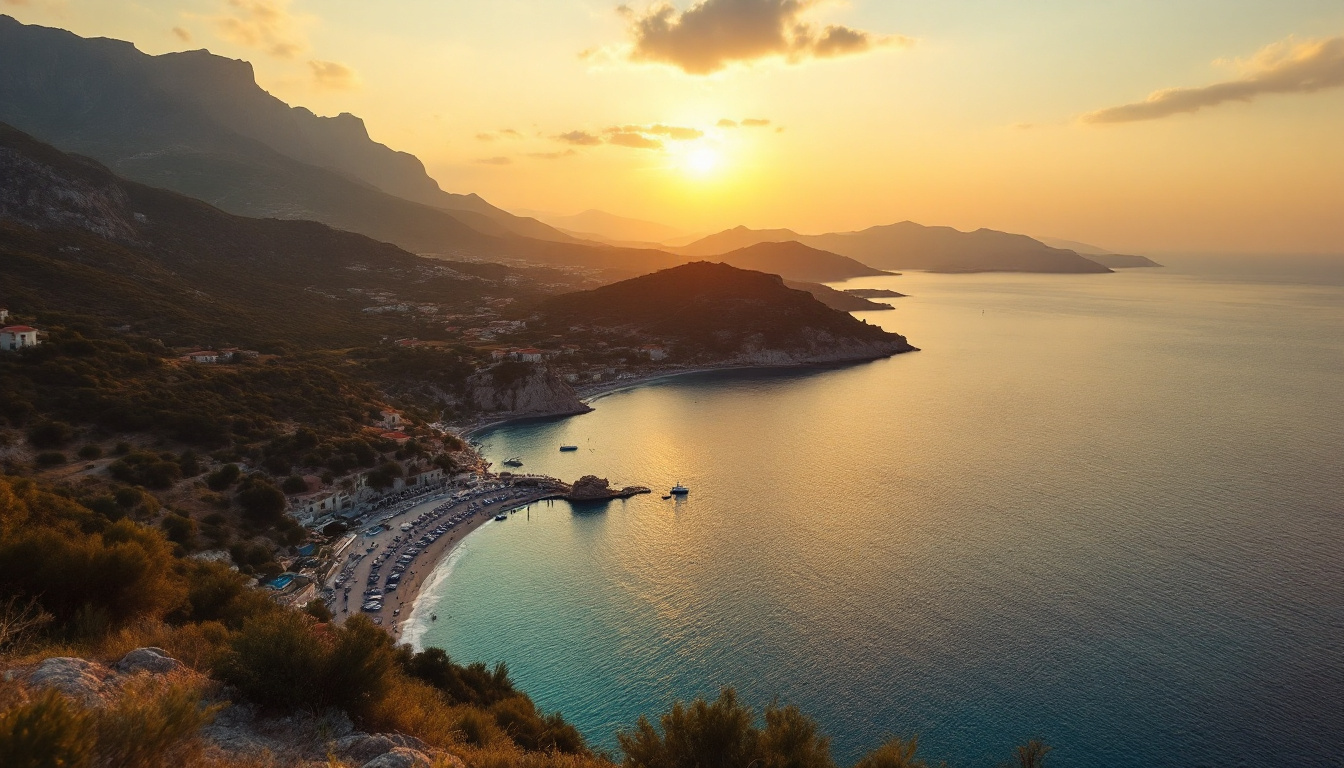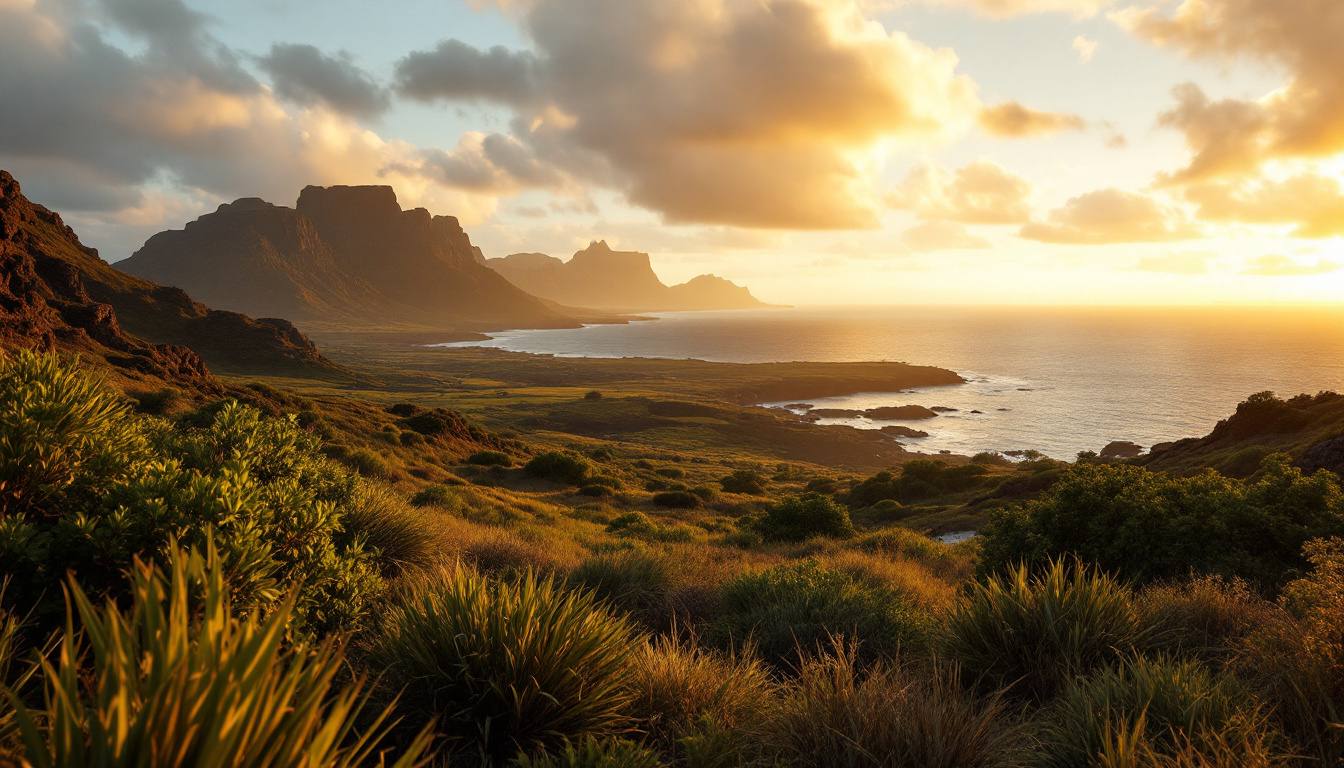
I sailed seven nights through the eastern Galápagos in early February 2026 aboard Ecoventura’s MV Theory, the second of the three identical 20-guest yachts the operator has run since 2017, on the standard eastern itinerary that covers South Plaza, Santa Fe, San Cristóbal, Española, Floreana, Santa Cruz, North Seymour, and Daphne Major in a single working loop from Baltra. The trip was the seventh small-ship Galápagos itinerary I have done since 2014 and was the first I have done aboard the Theory specifically. The trip was constructed to assess the state of the small-ship market three years after the introduction of the Aqua Mare superyacht — which has, in working terms, recalibrated the upper end of the Galápagos cruise market — and to test whether the slightly older small-ship product (the Ecoventura yachts are now in their eighth full operating year) remains at competitive standard.
The conclusion of the trip: the Galápagos small-ship market in 2026 is in the most settled and most competitive state it has been in since approximately 2017. The Aqua Mare has matured into the market’s single most polished product. The Ecoventura yachts continue to operate at the highest standard the operator has historically held. Metropolitan Touring’s larger ships continue to offer the most accessible mid-size product. The mid-tier operators (Quasar Expeditions, the Ecoventura Letty replacement program) are operating at competent but unexceptional standard. The lower-tier operators (the smaller charter sailing vessels and the older converted research vessels) are operating at standards that the contemporary luxury traveller should generally avoid.
The regulatory frame
The Galápagos cruise market is among the most heavily regulated tourism markets in the world. The Ecuadorian government, through the Galápagos National Park Service and the Ministry of Tourism, controls the operating licenses, the itinerary planning (each ship operates on a fixed itinerary approved by the National Park and rotates through the same set of landing sites on a published schedule), the guest-to-naturalist ratios (a maximum of 16 guests per naturalist guide on any landing), the landing-site visitor caps (each site has a daily quota of permitted visitor groups, enforced by the Park rangers at each landing), and the total fleet size (a cap of 24 ships at any given time, of which approximately 12 are at meaningful luxury standard).
The total fleet has been roughly stable for over a decade. The principal recent additions have been the Aqua Mare in 2022 (replacing an older Aqua Expeditions vessel) and HX Expeditions’ MS Santa Cruz II refit in 2023. There have been no new operating licenses issued since 2017; the current operators trade existing licenses among themselves when ships are retired or replaced.
The Galápagos National Park entrance fee was raised in 2024 from USD 100 to USD 200 per adult international visitor — the first material increase in over two decades — and the additional revenue is being directed primarily to the Park’s invasive-species management programmes (the goat and rat eradication on the inhabited islands, the introduced-plant management in the highlands of Santa Cruz and San Cristóbal). The fee change has had limited effect on visitor demand; the market is in a structural condition where the principal limit on capacity is the fleet cap rather than the price.
Aqua Mare
Aqua Mare — the Aqua Expeditions superyacht, opened in October 2022 — is the most polished single product in the Galápagos cruise market in 2026. The vessel is a 50-metre seven-cabin yacht (the smallest serious cruise ship in the archipelago in cabin count, with a maximum of 16 guests against a crew of 16; the staff-to-guest ratio is the highest in the market), built originally as a private yacht in 2017 and converted to a charter operation in 2022. The cabins are contemporary in design (Italian-designed interiors, dark walnut and pale-cream textiles, full-height ocean-view windows in each cabin), the public spaces are unusually generous for a small expedition vessel (a full-beam lounge, an outdoor deck with a small jacuzzi, a separate dining room with sit-down service for sixteen), and the kitchen is run by an Italian-trained head chef on a rotating six-month secondment.
The cost runs USD 22,000 per guest for the standard 7-night itinerary, all-inclusive of food, all beverages, transfers, and most activities. The cost is the highest in the Galápagos cruise market by a meaningful margin (approximately 80 percent above the Ecoventura rate, approximately 250 percent above the Metropolitan Touring rate). The product justifies the price for guests for whom the polished hospitality is the principal consideration; for guests for whom the wildlife is the principal consideration, the price premium delivers a meaningfully more comfortable experience but does not deliver materially better wildlife access (all the operators visit the same landing sites on the same schedule under the same National Park rules).
Ecoventura
Ecoventura runs three identical 20-guest yachts — MV Origin (opened 2017), MV Theory (opened 2018), and MV Evolve (opened 2022 as a replacement for the older Eric and Letty vessels). The three yachts are 43-metre purpose-built expedition yachts with ten cabins each, designed specifically for the Galápagos itineraries, with the highest naturalist-to-guest ratios in the market (two full-time naturalists on each vessel against the 20-guest maximum). The operator has been continuously running expeditions in the archipelago since 1990 and has the longest operating history of any of the current small-ship operators.
I sailed aboard the Theory for seven nights. The yacht is in its eighth operating year and is starting to show some normal wear in the cabin finishes (the cabin carpets are due for replacement; the bathroom fittings show the cumulative effect of saltwater exposure) but is fundamentally in good working condition. The food was good (the kitchen runs a single nightly menu with two main-course options, drawing on Ecuadorian and Pacific vocabulary; the seafood was uniformly excellent, the meat preparations were less consistent). The wine list was modest but adequate. The bar was open across the daylight hours.
The naturalist programme was the strongest single element of the trip. The two naturalists aboard — Jaime, a 22-year Galápagos guide originally from Quito, and Veronica, a 9-year guide originally from San Cristóbal — were both at the highest professional standard. The morning landings ran approximately two and a half hours on the islands with the naturalists leading small groups of eight to ten guests. The afternoon snorkelling sessions ran approximately ninety minutes in the water with both naturalists in the water with the guests. The evening briefings ran approximately forty-five minutes in the lounge, covering the next day’s itinerary and the expected wildlife.
The cost runs USD 9,800 per guest for the standard 7-night itinerary, all-inclusive of food, all beverages, transfers, and most activities. The cost is in the middle of the small-ship market (approximately 30 percent above the Metropolitan Touring rate, approximately 55 percent below the Aqua Mare rate). The product is, in my working view, the strongest value proposition in the Galápagos cruise market for a serious wildlife-focused guest.
Metropolitan Touring
Metropolitan Touring is the largest of the serious Galápagos operators and runs three vessels: the Santa Cruz II (a 90-guest expedition vessel, the largest in the small-ship category, opened 2002 and substantially refurbished 2018), the La Pinta (a 48-guest expedition vessel, opened 2008 and refurbished 2019), and the Isabela II (a 40-guest expedition vessel, opened 2016). The operator is the long-established mid-size Galápagos specialist and runs the most accessible price point in the serious-luxury bracket.
The Santa Cruz II is the structural answer for a multi-generational family trip or for a group of more than 12 guests; the vessel has the largest public spaces in the small-ship category, the most extensive activity programme (with multiple guide groups operating in parallel from each landing site), and the lowest per-guest cost. The La Pinta is the structural answer for a slightly more intimate experience at a higher price point. The Isabela II is the operator’s smallest and most polished vessel and is the closest competitor to the Ecoventura yachts in the operator’s lineup.
The cost runs USD 6,500 to 8,500 per guest for the standard 7-night itinerary across the three vessels, all-inclusive of food, all beverages, transfers, and most activities. The product is the strongest accessible-luxury answer in the market and is the right answer for a guest whose budget is under USD 8,000 per guest for the cruise.
The 7-night standard
The 7-night itinerary is the structural standard in the Galápagos cruise market and is the most commonly booked format across all the serious operators. The format typically runs a single loop through the eastern or the western islands and covers eight to ten landing sites across the week. The eastern itinerary (the standard Ecoventura, Aqua Mare, and Metropolitan Touring loop from Baltra) covers South Plaza, Santa Fe, San Cristóbal, Española, Floreana, Santa Cruz, North Seymour, and Daphne Major. The western itinerary covers Isabela, Fernandina, Santiago, Rabida, and the smaller western islands.
The 14-night double-loop itinerary — combining the eastern and western itineraries on consecutive weeks aboard the same vessel — is the more complete answer for a first-time visitor and covers most of the archipelago’s principal sites. The format is offered as a single 14-night booking by most of the serious operators (Ecoventura runs it as standard; Aqua Mare runs it as a charter option; Metropolitan Touring runs it as standard on the Santa Cruz II) but requires substantially more planning lead time and adds approximately USD 8,000 to 18,000 per guest to the total cost. For a guest who is making a single Galápagos trip and whose entire South American itinerary can be built around the cruise, the 14-night format is the structural recommendation.
For a guest who is constrained to the 7-night format, the eastern itinerary is the better answer for a first-time visitor (the eastern sites are more biologically diverse, the wildlife encounters are more reliable, the snorkelling is at a higher standard). The western itinerary is the better answer for a returning visitor who wants to see the more geologically active and remote sites.
What this means for 2026
The Galápagos small-ship market in 2026 is in a settled and competitive state. The Aqua Mare is the upper-end answer for a guest whose budget can support the rate. The Ecoventura yachts are the best-value serious-luxury answer for a wildlife-focused guest. The Metropolitan Touring fleet is the right answer for a multi-generational or larger-group trip. All three operators are bookable for the 2026 high season with three to four months of planning. The 7-night format is the structural standard; the 14-night format is the more complete first-visit answer for guests who can support it.
For a guest who has not visited the Galápagos and whose South American thinking includes a Galápagos component, 2026 is a strong year to make the trip. The fleet is at its most competitive in over a decade. The pricing is approximately 25 percent above the 2019 baseline, in line with the broader cruise-industry inflation. The wildlife experience is, on the evidence of seven days aboard the Theory in early February, undiminished from the working standard of the 2017-2019 era. The trip remains, in my working view, one of the two or three most ecologically distinctive experiences a serious travel-minded guest can have on the planet.
Standing Questions
- Which operator should I book?
- For the highest single-product luxury, Aqua Mare (Aqua Expeditions, opened 2022) — a 16-guest superyacht with seven cabins, the most polished hospitality programme in the archipelago, running 7-night charters from USD 22,000 per guest. For the most experienced expedition operator at a smaller scale, Ecoventura — three identical 20-guest yachts (Origin, Theory, Evolve) with the longest continuous Galápagos operating history in the small-ship bracket, running 7-night itineraries from USD 9,800 per guest. For a more relaxed mid-size experience, Metropolitan Touring's Santa Cruz II (a 90-guest expedition vessel) at USD 6,500 per guest. The choice depends on group size and budget rather than on a meaningful difference in the wildlife experience.
- What's the right itinerary length?
- Seven nights is the structural standard and is the most commonly booked itinerary in the small-ship market; the 7-night format typically runs a single loop through the eastern or western islands and covers eight to ten landing sites. The 14-night double-loop format — combining the eastern itinerary with the western itinerary on consecutive weeks aboard the same vessel — is the more complete answer for a first-time visitor and covers most of the archipelago's principal sites; the format is offered as a single 14-night booking by most of the serious operators but requires substantially more planning lead time. The 4-night and 5-night formats are not the right answer for a first-time visitor — the islands are too geographically spread out to be meaningfully sampled in a sub-week itinerary.
- When should I go?
- Both seasons are good but they are meaningfully different. The warm-and-wet season runs roughly December through May — water temperature 22-26 degrees, air temperature 25-31 degrees, regular afternoon rain, calmer seas, the marine iguanas at their most active, the land birds breeding. The cool-and-dry season runs roughly June through November — water temperature 18-22 degrees (a wetsuit is necessary for the snorkelling), air temperature 19-25 degrees, the Humboldt Current at peak strength, the seabirds at their most concentrated (the waved albatross on Española peaks July-September), the seas slightly rougher. For wildlife, June through November is marginally preferred; for snorkelling without a wetsuit, December through May is preferred.
- What about the land-based hotels?
- The land-based hotel inventory has improved meaningfully since 2018 and is now a serious alternative to the cruise format for a particular kind of guest. The Pikaia Lodge on Santa Cruz (a 14-room luxury lodge in the highlands, opened 2014) and the Galapagos Safari Camp (also on Santa Cruz, a tented-camp format) are the two principal luxury land-based properties. The Finch Bay Hotel on Santa Cruz is a more conventional small hotel at a meaningfully lower price point. A land-based stay covers fewer islands than a cruise (the day-trip programmes from Santa Cruz reach only the nearest sites) and is the right answer only for guests who specifically dislike cruising; the cruise format remains the structural right answer for most first-time visitors.
- How does access work?
- All international visitors fly into Guayaquil (GYE) on the Ecuadorian mainland; the principal domestic carriers (Avianca Ecuador, LATAM Ecuador) run multiple daily flights to the two Galápagos airports (Baltra, GPS — the principal gateway, on a small island just north of Santa Cruz, used by all the cruise operators; and San Cristóbal, SCY — the smaller gateway, used primarily for itineraries that start or end on San Cristóbal). The cruise operators meet guests at the Galápagos airport and run a coach-and-boat transfer to the ship anchorage. The Galápagos National Park entrance fee (USD 200 per adult, paid in cash at the airport) and the transit control card (USD 20, purchased before the Guayaquil flight) are required.