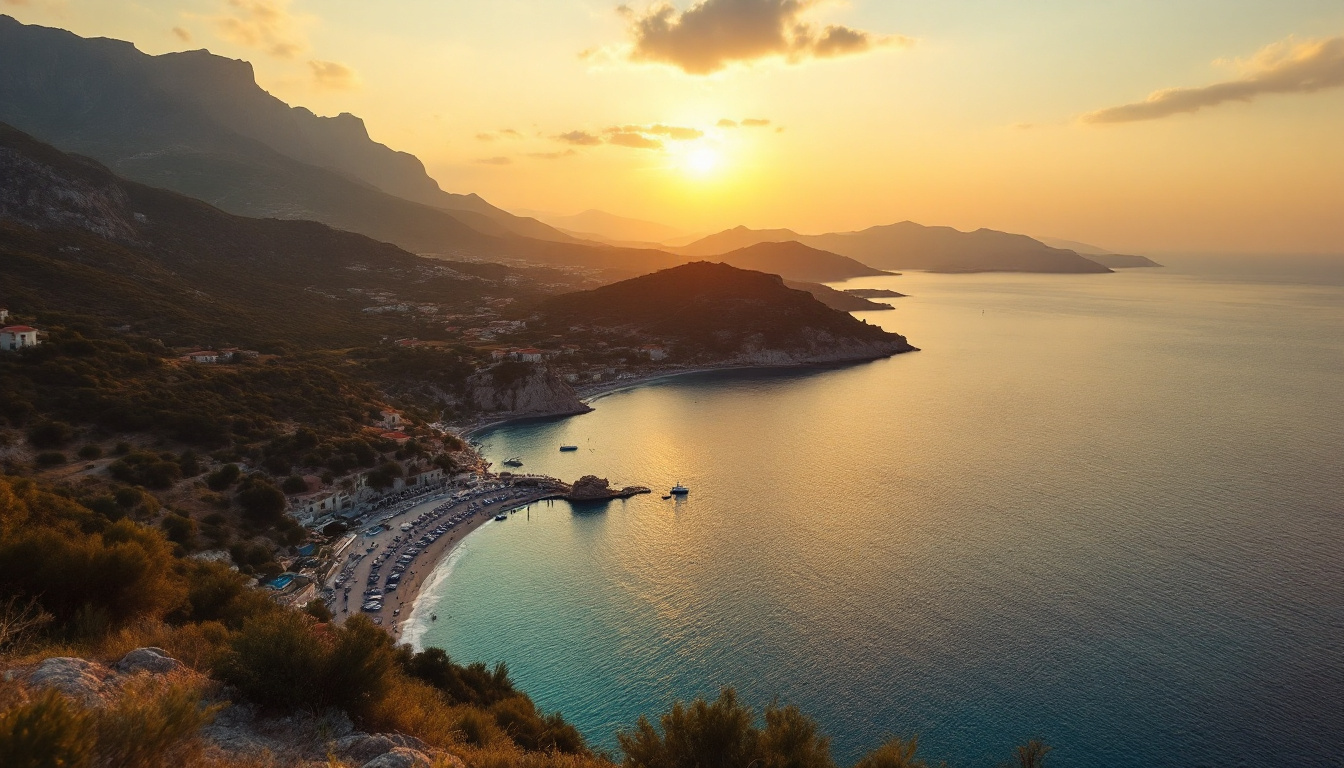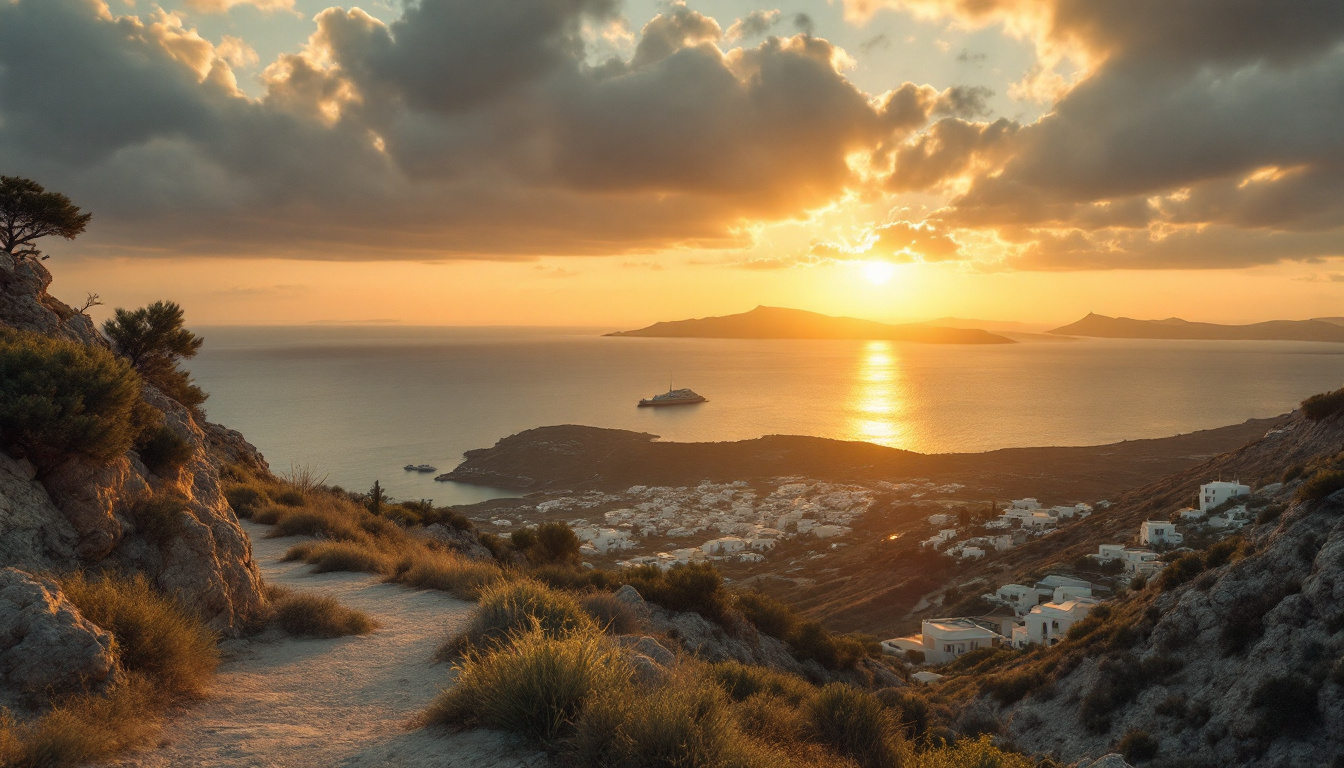
I spent thirteen days across four Greek islands in late May and early June 2026, running a two-leg itinerary that opened with five nights in the Saronic Gulf (three on Hydra, two on Spetses) and continued with eight nights in the Aegean (three on Sifnos in the western Cyclades, five on Patmos in the eastern Dodecanese). The trip was constructed specifically to assess whether the off-Mykonos Greek island market carries enough upper-tier hospitality to credibly support an international visitor programme in 2026, and whether the four islands the desk had pre-selected — Patmos, Hydra, Sifnos, and Spetses — could function as a structural alternative to the Mykonos-Santorini default for guests who specifically want to avoid the Cycladic visitor density.
The working assessment is that the four islands each carry a defensible product, that the upper-tier inventory is meaningfully thinner than on the canonical islands, and that the structural answer for a 2026 Greek-island trip is a two-or-three-island combination of approximately 10-14 nights that combines one of the Saronic islands (Hydra or Spetses) with one of the Aegean alternatives (Sifnos or Patmos).
Patmos: the eastern Aegean monastery island
Patmos sits in the Dodecanese chain in the eastern Aegean, roughly 200 kilometres east of the central Cyclades and meaningfully closer to the Turkish coast than to the Greek mainland. The island is approximately 34 square kilometres with a population of roughly 3,000 and carries the most significant religious heritage in the contemporary Greek island system: the 11th-century Monastery of Saint John the Theologian above the principal village of Chora, designated a UNESCO World Heritage Site in 1999, is one of the most important Greek Orthodox monastic complexes in the Aegean.
The principal upper-tier hotel is the Patmos Aktis Suites & Spa at Grikos Bay on the southeast coast, currently operating with 61 keys under the Marriott Luxury Collection programme. The property opened in 2008 and was substantially renovated in 2018; the position on the protected Grikos Bay is the most distinctive on the island, the swimming access is direct, and the in-house restaurant programme is the most refined on Patmos. The rate point ran approximately EUR 600-EUR 1,400 per night in late May 2026 across the principal room categories.
The structural disadvantage of Patmos is access. The island has no airport and is reached either by ferry from Piraeus (roughly 8 hours on the Blue Star service, longer on the slower lines), by the seasonal helicopter charter from Athens (roughly 90 minutes, EUR 4,500-EUR 6,000 per leg), or by the small-aircraft transfer through Kos (KGS, the principal Dodecanese gateway) or Leros (LRS, the closer but smaller alternative). The desk recommends the helicopter routing for upper-tier guests on a tight itinerary and the ferry routing for guests who can build a multi-island programme around the ferry schedule.
The structural strength of Patmos is the visitor density. The island carries a markedly thinner visitor pattern than any of the Cyclades, with no cruise-ship pattern, no day-tripper market of any meaningful scale, and a village geography (Chora above, Skala on the harbour, Grikos on the southeast coast) that retains a working agricultural character. The principal sites — the Monastery of Saint John, the Cave of the Apocalypse on the slope between Chora and Skala, the beaches of Psili Ammos and Lambi on the north coast — carry no organised mass-tourism programme and are accessed by independent itinerary.
Hydra: the no-car island
Hydra sits in the Saronic Gulf approximately 90 minutes by Hellenic Seaways hydrofoil from the Piraeus port of Athens. The island is approximately 50 square kilometres with a population of roughly 2,000 concentrated in the principal port town of Hydra (sometimes spelled Ydra in older guides). The structural distinction of Hydra is the no-car rule: the municipal administration formally prohibited motor vehicles in 1956, and the island is currently navigated by donkey, foot, and water taxi only. The rule is enforced strictly and is the single most visually distinctive feature of the Hydriot visitor experience.
The upper-tier hotel inventory on Hydra is thin and structurally boutique. The Bratsera (named after the local fishing-boat type, 23 keys in a converted 19th-century sponge factory near the port) is the most refined small-scale answer. Hydra Hotel and the Mandraki Beach Resort run secondary boutique products. The structural answer for a guest who wants the most settled Hydra accommodation is a private villa rental in the upper village; the inventory is small but available through the principal Greek villa operators.
The Hydra programme is short and clear. The principal port and the upper village circuit is the structural daytime walk. The Mandraki Beach Resort runs a beach-club programme on the eastern side of the harbour at Mandraki Bay. The summer painting and visual-art programme at the historic Hydra School of Fine Arts (which operates as the formal Athens School of Fine Arts seasonal annex) carries a working art-world cultural overlay that adds a substantive overlay to the visit. Three nights is the right answer for a first-time Hydra visit; five nights is the right answer for a returning visitor with a settled hotel or villa.
Sifnos: the food-driven western Cyclades
Sifnos sits in the western Cyclades roughly 130 kilometres southeast of Athens and is reached by the Hellenic Seaways or Aegean Speed Lines ferry from Piraeus (roughly 2-3 hours by the fast routing, longer on the conventional). The island is approximately 75 square kilometres with a population of roughly 2,600 distributed across seven principal villages on the central plateau and the coastline. Sifnos carries a structural reputation in Greece as the food-driven island of the western Cyclades; the island has been the primary source of professional Greek chefs (the structurally important Nikolaos Tselementes, who codified the modern Greek restaurant kitchen in the early 20th century, was from Sifnos) and carries a markedly stronger restaurant culture than the comparable Cycladic islands of similar size.
The principal upper-tier hotel is NOS at Faros on the southeast coast, opened in 2023, with 18 suites distributed across four stone buildings in a working Cycladic-vernacular cluster. The property runs at the upper end of the contemporary Cycladic luxury category; the rate point in late May 2026 ran approximately EUR 800-EUR 2,200 per night. The Verina collection (Verina Astra, Verina Suites, Verina Terra) runs the broader boutique programme across the central villages of Artemonas, Apollonia, and Platis Gialos.
The structural strength of Sifnos is the food. The principal village restaurants (Omega 3 at Platis Gialos, Cayenne at Apollonia, Drakakis at Faros) run a meaningfully more ambitious working-restaurant programme than the Mykonos or Santorini equivalents at similar price points. The traditional Sifnos kitchen — the slow-cooked clay-pot dishes (revithada, mastelo) that the island claims as its principal regional specialty — is the structural anchor of the visit.
Spetses: the Saronic society island
Spetses sits in the Saronic Gulf roughly 90 minutes from Piraeus by hydrofoil (the same approximate journey time as Hydra but on a different routing through the inner Saronic Gulf). The island is approximately 27 square kilometres with a population of roughly 4,000 and carries the most architecturally distinctive single hotel in the Saronic Gulf: the Poseidonion Grand Hotel on the main town waterfront, a 1914 Belle Époque property restored in 2009 and currently operating with 52 keys. The Poseidonion is the structural answer for an upper-tier Spetses booking and carries the most refined hospitality programme on the island.
The Spetses visitor pattern is structurally more sociable than the Hydriot pattern. The island carries an active summer society scene anchored by the long-running Spetses Mini Marathon, the annual Spetses Classic Yacht Regatta, and the historic Armata festival in early September commemorating the 1822 Greek War of Independence naval engagement in Spetses harbour. The boat and yacht culture on Spetses is meaningfully more developed than on Hydra; the island carries a working private-boat harbour and is the principal Saronic Gulf charter base.
The structural recommendation
The desk’s structural recommendation for a 2026 Greek-island trip that specifically avoids Mykonos and Santorini is a 10-14 night two-or-three-island combination. The structurally most legible combination is Hydra (three nights, Saronic Gulf opener) plus Sifnos (four nights, western Cyclades) plus Patmos (five nights, eastern Dodecanese), with the routing run by Hellenic Seaways ferry from Piraeus to Hydra, by domestic ferry from Hydra back to Piraeus and onward to Sifnos, and by helicopter or extended ferry to Patmos. The shorter alternative is the Saronic-only combination of Hydra (three nights) plus Spetses (three nights) plus an Athens shoulder (two nights), which can be run in seven to eight nights and is the right answer for a guest with limited time who wants the most accessible alternative-Greek-island programme.
The structural caution for 2026 is the limited upper-tier inventory on all four islands. Patmos has effectively one upper-tier hotel (Patmos Aktis). Hydra and Sifnos each carry thin boutique inventories. Spetses carries one strong anchor (Poseidonion) and a thinner secondary programme. The desk recommends booking the principal hotels six to nine months ahead for any summer 2026 itinerary and treating the inventory as a structural constraint rather than an open shopping question.
The structural reward is the visitor density. All four islands run at meaningfully lower visitor density than Mykonos or Santorini, with no cruise-ship pattern of meaningful scale, no organised mass-tourism programme, and a village geography that retains a working Greek character. The desk’s working position after the thirteen-day field assessment is that the four-island programme is the most defensible Greek-island answer for the 2026 summer season for a guest who specifically wants to avoid the canonical Cycladic visitor experience.
Standing Questions
- Which island is the right answer for a first-time visit?
- Hydra, if the trip is starting from Athens and runs no more than seven nights. The 90-minute hydrofoil from Piraeus delivers guests onto a no-car port village (donkeys and water taxis only, by municipal rule that has held since 1956), the visual is the most distinctive in the Saronic Gulf, and the small-scale boutique inventory is the right answer for a guest who specifically wants the most photogenic Greek-village experience without the Cycladic crowds. For a 10-14 night programme, the desk recommends combining Hydra with Spetses (two more Saronic Gulf nights) and Sifnos or Patmos for the longer Aegean leg.
- Patmos vs the better-known Aegean islands?
- Patmos sits in the Dodecanese chain in the eastern Aegean, roughly 200 kilometres east of the Cyclades and structurally closer to the Turkish coast than to the Greek mainland. The island carries serious UNESCO heritage (the 11th-century Monastery of Saint John the Theologian above Chora is one of the most important Greek Orthodox monastic complexes in the Aegean) and a meaningfully thinner visitor pattern than the Cyclades. The principal upper-tier hotel is the Patmos Aktis Suites & Spa at Grikos Bay (61 keys on the southeast coast, opened 2008 under the Marriott Luxury Collection programme). The structural disadvantage is access: Patmos has no airport, and the routing is either the long ferry from Piraeus (roughly 8-10 hours), the helicopter charter from Athens, or the seasonal Astypalaia or Kos connection.
- What does Sifnos carry?
- Sifnos is a smaller Cycladic island west of Paros and south of Serifos, with a population of approximately 2,600 and a structural reputation as the food-driven island of the western Cyclades. The principal upper-tier property is NOS at Faros (18 suites across four stone buildings on the southeast coast, opened 2023, the most contemporary luxury product on the island). The Verina collection (Verina Astra, Verina Suites, Verina Terra) runs the broader boutique programme. Sifnos is the right answer for a guest who specifically wants the Cycladic visual without the Mykonos or Santorini visitor density and who is willing to accept a thinner upper-end inventory in exchange.
- What about Spetses?
- Spetses sits in the Saronic Gulf approximately 90 minutes by hydrofoil from Piraeus and is the further of the two principal Saronic islands (Hydra is roughly the same distance but slightly closer to Athens). The Poseidonion Grand Hotel on the main town waterfront (a 1914 Belle Époque property restored in 2009, currently 52 keys) is the principal upper-tier anchor and is the most architecturally distinctive hotel in the Saronic Gulf. Spetses carries a structurally more sociable visitor pattern than Hydra and is the right answer for a guest who wants the Saronic geography but with more developed dining and bar infrastructure.
- When is the right season?
- Mid-May through mid-June and mid-September through mid-October are the structural shoulder windows for the Saronic Gulf and Cyclades islands. The weather is reliably warm enough for the swimming programmes, the meltemi wind (the northerly summer wind that defines the central Aegean) is at its weakest, and the visitor density is at its lowest. July and August carry the densest crowds and the strongest meltemi conditions. The shoulder windows are the desk's preferred timing for the four alternative islands; the Saronic islands run slightly later seasons than the Cyclades.