I spent eleven days in the Italian Lakes in mid-May 2026, running a three-lake sweep with three nights on Lake Como at Passalacqua, three nights on Lake Garda split between Sirmione and Gargnano, and three nights on Lake Maggiore at Stresa with a closing two-night Milan return. The trip was specifically constructed to assess where the upper end of the category stands three seasons after the Passalacqua opening of 2022, which the desk has long held was the single most consequential luxury hotel opening in northern Italy of the past decade. The working hypothesis was that Como’s category leadership has hardened, that Garda has quietly held its position as the second lake, and that Maggiore continues to occupy a thinner niche with a more domestic clientele. The evidence broadly confirmed all three positions, with one substantive correction: Garda is now closer to Como in upper-end hospitality density than the desk had assumed.
What follows is the field assessment, organised lake by lake, with rate points, transfer notes, and the hotel shortlists that the desk would actually recommend to a guest planning a 2026 or 2027 trip.
Lake Como: Passalacqua as benchmark
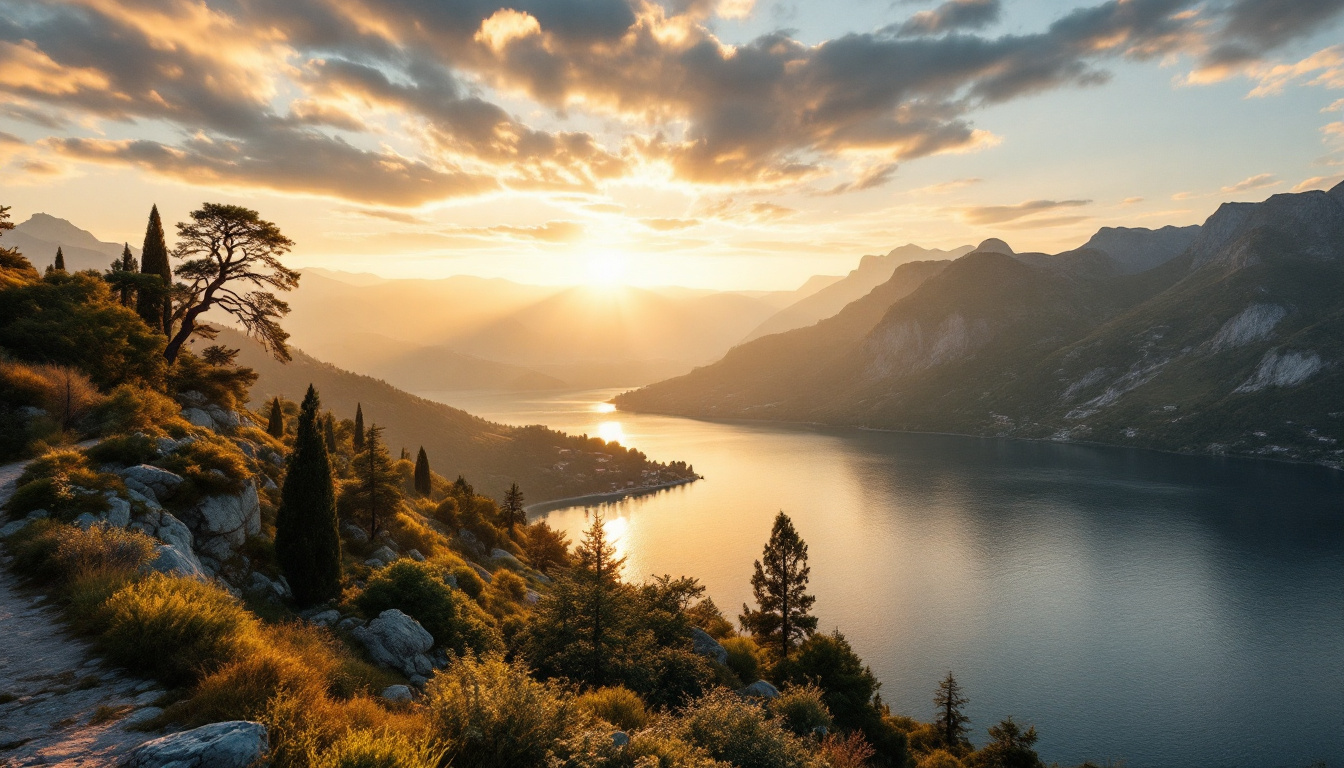
Passalacqua opened to overnight guests in May 2022, in the restored 18th-century Villa Passalacqua above the village of Moltrasio on the western shore of Lake Como, roughly 8 kilometres north of the town of Como itself. The property is owned and operated by the De Santis family, the same family that has owned the Grand Hotel Tremezzo since 1975, and the operating instinct shows in every dimension of the hotel: the service architecture, the food programme, the garden plan, the boat fleet, and the rate discipline. Twenty-four keys are distributed across three buildings — the main villa (twelve rooms, the principal suites), the Palazz (eight rooms in a smaller secondary structure), and the Casa al Lago (four rooms in the shoreline pavilion). The rate point in May 2026 ran from approximately EUR 1,800 per night for the entry-level rooms in the Palazz to roughly EUR 5,500 for the principal suites in the main villa, with the singular Penthouse Suite at EUR 6,000-plus in peak season.
The hospitality programme at Passalacqua is the most disciplined on the lake. The hotel maintains a working ratio of approximately three staff per guest room, a private boat fleet (two Riva runabouts plus a larger transfer launch), a serious garden programme (three terraced levels of restored 18th-century planting), and a 25-metre lap pool on the lakeside terrace. The kitchen is led by Viviana Varese, whose Milan restaurant carries one Michelin star, and runs a meaningfully ambitious tasting menu in the evenings. The wine cellar is the most serious on Como at the upper end; the Champagne and Burgundy programmes are particularly strong.
What Passalacqua does not have, by deliberate choice, is the scale or the facility breadth of the Grand Hotel Tremezzo. The sister property, located ten minutes further north on the same western shore, runs 90 keys across the historic main building and the more recent Villa Sola Cabiati annex, with a beach club, a serious spa, two pools, and a broader public-room programme. The Tremezzo is the right answer for a guest who wants a larger and more sociable hotel; Passalacqua is the right answer for a guest who specifically wants the smallest-scale upper-luxury experience available on the lake.
The structural Como shortlist for 2026 runs as follows. Passalacqua at the top of the rate band and the smallest-scale answer. Grand Hotel Tremezzo for the broader-facility larger-scale answer at roughly half the rate point. Villa d’Este at Cernobbio for the most historically continuous (Villa d’Este opened as a hotel in 1873 and remains the longest-operating luxury hotel on the lake) and the most garden-driven property. Mandarin Oriental Lago di Como at Blevio for the most polished contemporary-luxury answer on the quieter eastern shore. Il Sereno at Torno for the most architecturally contemporary property (Patricia Urquiola design, opened 2016, 30 keys). The order in which these are listed is the desk’s preference order; a guest who wants the most established product books Villa d’Este, a guest who wants the smallest-scale answer books Passalacqua, and a guest who wants the most contemporary facility books Il Sereno or Mandarin Oriental.
The 2026 development cycle on Como is meaningful but not transformative. The structural news for the season is the reported pre-construction phase of an Edition-branded hotel on the southwestern shore (the details remain undisclosed at the time of writing, with an opening targeted for the late-2027 horizon) and a separate Ritz-Carlton project further north that has been mentioned in several industry briefings but has not been formally announced. Both projects, if they ship to schedule, would represent the first global flag entries into the Como market in roughly a decade.
Lake Garda: the food-and-wine adjacency
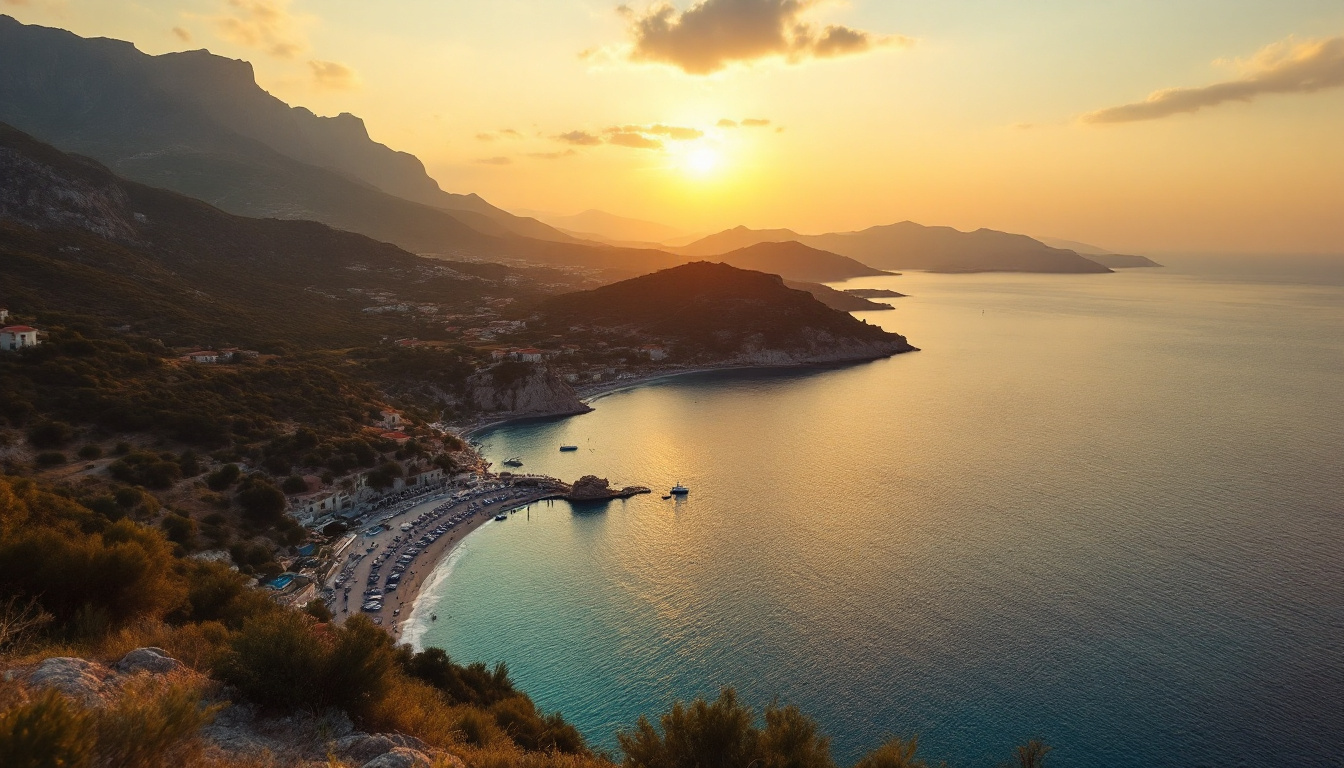
Lake Garda is roughly twice the area of Lake Como (approximately 370 square kilometres against approximately 145 square kilometres for Como) and runs roughly 50 kilometres north to south, with the southern shore in Lombardy and Veneto and the northern shore in Trentino. The lake carries a more varied shoreline geography than Como: a wide, low southern bowl around Sirmione and Desenzano, a steep central western shore between Salò and Gargnano with the most dramatic cliff geography, and a narrow, high-alpine northern reach above Limone. The luxury hotel inventory is concentrated on the southern and central western shores, with thinner upper-end inventory in the north.
The southern Garda shortlist runs as follows. Villa Cortine Palace Hotel at Sirmione for the most historically continuous property (a 1903 Art Nouveau villa on the Sirmione peninsula, 54 keys, the most settled hospitality on the lake at the upper end). The Cape of Senses near Torri del Benaco (a small-scale contemporary hotel that opened in 2022 with 67 keys and a serious wellness programme) for the most contemporary southern-Garda answer. Aqualux Hotel & Spa Suite at Bardolino for the broader-facility resort answer. The structural strength of the southern shore is the half-hour drive from Sirmione into the Valpolicella appellation east of Lake Garda, which carries the most serious red-wine production in the Veneto and is the structural reason a Garda trip is the right answer for the food-and-wine traveller.
The central western shoreline carries the most distinctive Garda luxury product: Lefay Resort & Spa Lago di Garda above the village of Gargnano, a contemporary 88-key resort that opened in 2008 on a hillside terrace above the western shore with one of the most ambitious wellness programmes in northern Italy (3,800 square metres of treatment space, the SPA Method that the resort developed in-house). The neighbouring Villa Feltrinelli at Gargnano (the restored Belle Époque villa that served as Mussolini’s residence in the closing months of the Second World War, opened as a 21-key hotel in 2001 by the Grand Hotel a Villa Feltrinelli operator) is the most historically charged upper-end property on Garda and the right answer for a guest who specifically wants the smallest-scale, most owner-led answer.
The 2026 Garda development cycle includes several wellness-led expansions and a new Falkensteiner contemporary resort on the southern shore at Garda town itself, none of which are individually transformative. The structural news for the lake is the broader investment cycle, which has roughly tripled the upper-tier room inventory between 2015 and 2026.
Lake Maggiore: the quieter shoreline
Lake Maggiore sits to the west of Lake Como and runs roughly half-and-half between Italy (the southern two-thirds) and Switzerland (the northern third). The luxury hotel inventory is concentrated on the Italian western shore around Stresa, with the Borromean Islands (Isola Bella, Isola Madre, Isola dei Pescatori) as the principal day-trip programme. The lake carries a thinner upper-tier inventory than Como or Garda, with a smaller number of larger-scale historic hotels rather than the dense small-property network that defines Como.
The Maggiore shortlist runs short and clear. Grand Hotel des Iles Borromees at Stresa is the structural anchor — a 167-key Belle Époque grand hotel that opened in 1863, hosted Hemingway during the writing of A Farewell to Arms, and remains the most architecturally serious historic property on the lake. The Regina Palace at Stresa runs a more modest 96-key programme in a 1908 Art Nouveau building on the same lakefront. The Villa e Palazzo Aminta at Stresa runs a smaller and more boutique 76-key contemporary product. Beyond Stresa the upper inventory thins out; Verbania to the north carries a smaller collection of boutique properties and the western shore between Stresa and Verbania carries the principal lakeside villa rentals.
The structural case for Maggiore is the quieter shoreline and the access to the Borromean Islands, which carry a meaningfully different visitor experience from Bellagio or Sirmione. The structural case against Maggiore is the thinner upper-tier inventory and the more domestic clientele, which makes the lake a less obvious first choice for the international upper-end traveller.
Rate points and timing
The structural rate dispersion across the three lakes in May 2026 ran approximately as follows. Como upper tier: EUR 1,500-EUR 6,000 per night across the principal hotels. Garda upper tier: EUR 1,000-EUR 4,000 per night, with the upper-bound concentrated at Villa Feltrinelli and the Lefay Resort. Maggiore upper tier: EUR 700-EUR 2,500 per night, with the upper-bound concentrated at the Grand Hotel des Iles Borromees. The rate dispersion within each lake is wider in the shoulder seasons (April, October) and narrower in the peak (July, August), where most properties run at or near published rate ceilings.
The structural timing recommendation for the 2026 season is mid-May through late June for the spring window and mid-September through mid-October for the autumn window. Both shoulder periods carry meaningfully lower visitor density in the principal villages, more reliable weather than the very edges of the season, and meaningfully better rate availability at the upper end. The peak weeks of July and August carry the densest crowds and the highest rates, and the desk does not recommend them as the optimal window for a first-time visitor.
Transfer architecture
The transfer architecture for the three lakes is meaningfully different. Como is best reached from Milan-Malpensa (MXP), roughly 60-75 minutes by private car to the principal western-shore hotels and 75-90 minutes to the eastern shore. Garda is best reached from Verona-Villafranca (VRN), roughly 25-30 minutes to Sirmione and 50-70 minutes to the central western shore properties; Milan-Linate (LIN) is the alternative routing at roughly 90 minutes to Sirmione. Maggiore is best reached from Milan-Malpensa, roughly 45-55 minutes to Stresa.
The private boat transfer programmes between the principal hotels and the village centres are well-developed on all three lakes; most of the upper-tier properties run boat fleets that can position guests at the principal villages, restaurants, and garden sites without recourse to road transfer. The boat fleets are a substantive part of the hospitality programme at Passalacqua, Grand Hotel Tremezzo, Villa d’Este, Villa Feltrinelli, and the Grand Hotel des Iles Borromees, and the desk recommends booking guests into hotels with substantive boat programmes for the most legible Italian Lakes experience.
The desk view
The structural assessment after the eleven-day three-lake sweep is that Como remains the dominant lake at the upper end and that Passalacqua has hardened its position as the most disciplined small-scale hotel in the category. Garda is closer to Como than the desk had assumed, with a meaningfully expanded upper-tier inventory and a structural advantage in food-and-wine adjacency. Maggiore continues to occupy the quieter niche and is the right answer for the returning visitor who specifically wants the thinner shoreline. The 2026 season is a defensible year to be on the Italian Lakes; the 2027 season will likely carry the first new global-flag openings on Como in roughly a decade and represents the next inflection point in the category.
Standing Questions
- Como, Garda or Maggiore for a first-time guest?
- Como. The lake carries the deepest luxury inventory in the category (Passalacqua, Grand Hotel Tremezzo, Villa d'Este, Mandarin Oriental, Il Sereno), the most reliable Milan-Malpensa transfer arc (roughly an hour by car to most hotels on the western or eastern shore), the most legible village pattern for the first-time visitor (Bellagio at the centre fork, Varenna on the eastern shore, Tremezzo and Cernobbio on the western shore), and the highest density of seasoned villa rentals on the upper market. Garda is the right answer for the second visit, particularly for guests who want to combine the lake with Verona and the wine country south of it. Maggiore is the right answer for the third visit, or for the guest who specifically wants the quieter shoreline.
- Is Passalacqua actually worth the rate?
- Yes, with qualifications. The 24-key restoration of the 18th-century Villa Passalacqua at Moltrasio carries the most disciplined hospitality programme on the lake; the rates run at roughly EUR 1,800-EUR 6,000 per night depending on room and season, which is the highest published rate point on Como and roughly twice the corresponding Tremezzo or Villa d'Este room. The desk view is that the rate is justified for a guest who specifically wants the smallest-scale upper-luxury experience on the lake; for guests who want a larger property with broader facilities (the Grand Hotel Tremezzo's pools, the Villa d'Este garden circuit), the value is meaningfully better elsewhere.
- What's the right transfer from Milan?
- For Como, private car from Milan-Malpensa (MXP) is the structural answer at roughly 60-75 minutes to the western shore. For Garda, private car from Verona-Villafranca (VRN) at roughly 30 minutes to Sirmione is the more efficient routing than the longer transfer from Milan-Linate. For Maggiore, the Stresa shoreline sits roughly 50 minutes from Malpensa and is the closest of the three lakes to the airport. The helicopter transfer market on Como is functional and runs out of Milan-Bresso and Como-Sant'Anna; the cost premium is meaningful (roughly EUR 2,000-EUR 3,500 one-way) but the time saving is real in peak summer traffic.
- When is the season?
- May through October is the working high season on all three lakes. The shoulder windows on either side (late April and early November) are the most defensible months for the desk traveller: the weather is reliable enough to use the gardens and the boats, the village density is meaningfully thinner, and the upper-end hotels are running at lower rates with the same staff. July and August carry the densest crowds in the principal villages (Bellagio in particular). Most of the principal hotels run a working winter closure from approximately mid-November through mid-March.
- Garda or the wine country?
- Both, if the trip is more than five nights. The Veneto wine country south of Garda (Valpolicella for the reds, Soave for the whites, Bardolino on the lake shore itself) is a serious extension and the morning drive from Sirmione or Salò into the principal estates runs roughly 30-60 minutes. The southern Garda hotels (Villa Cortine at Sirmione, Lefay Resort & Spa Lago di Garda above Gargnano, Cape of Senses above Torri del Benaco) are the right base for the combined lake-and-wine itinerary. The northern Garda properties carry the more dramatic mountain shoreline but are roughly 90 minutes further from the wine country.