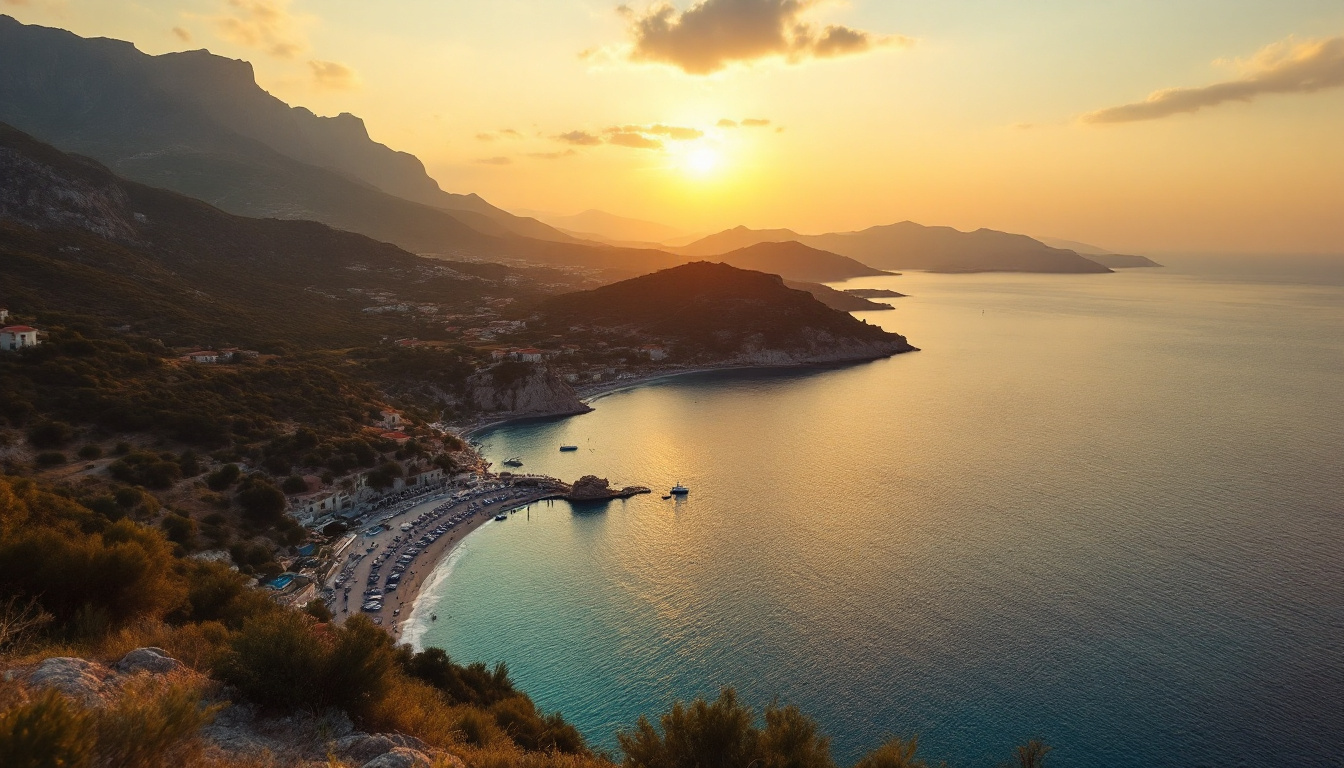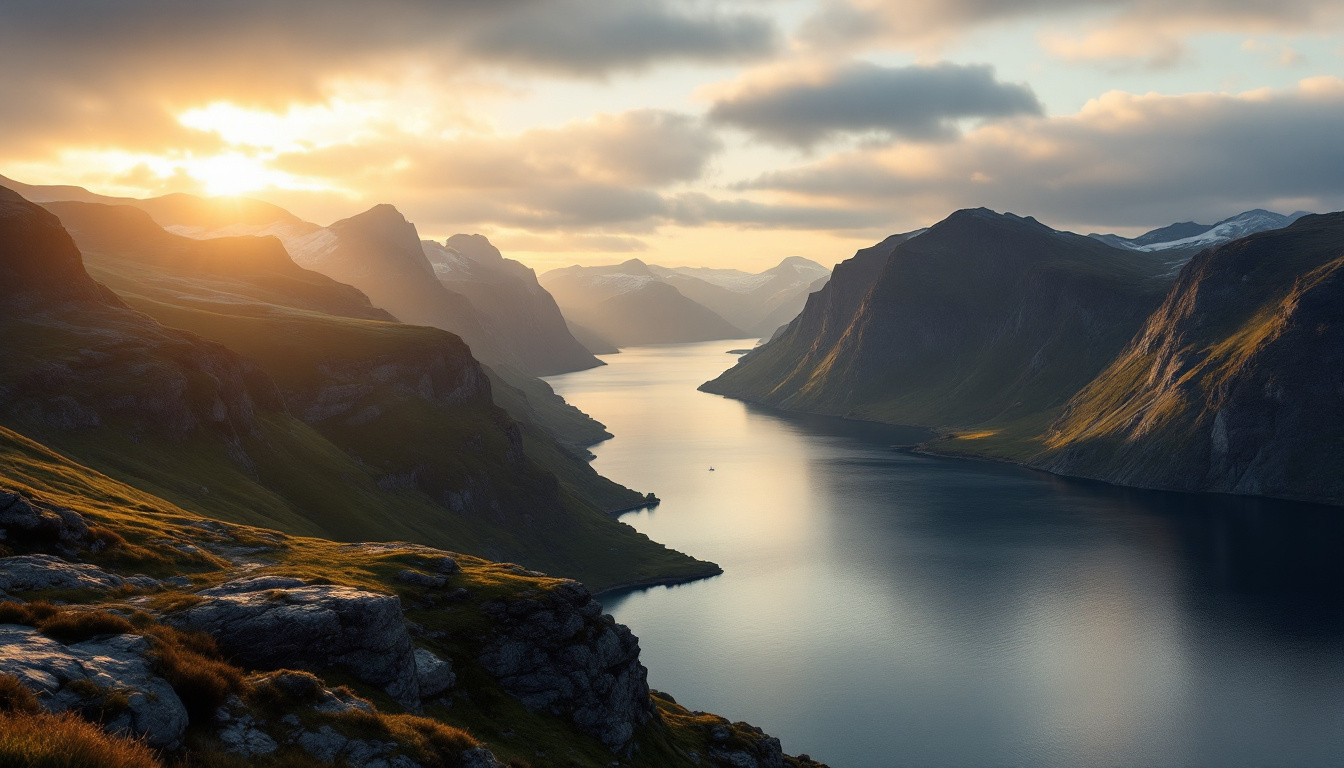
I spent eleven days in the western Norwegian fjords in early September 2025, working from the Storfjord Hotel above Skodje as a base and travelling on a combination of electric small-ship charters, a single Hurtigruten coastal segment, and a series of road trips along the inner fjord roads. The trip was constructed specifically to test the structural effect of the upcoming January 2026 zero-emission regulation — which was, at the time of the trip, four months from implementation and was already reshaping the operator landscape — on the practical experience of visiting the protected fjords. The conclusion of the trip was that the 2026 regulation, far from being a constraint on the fjord travel experience, is opening the most interesting fjord visitor window in two decades.
The protected fjords — Geirangerfjord and the connecting Sunnylvsfjord in Sunnmøre, and Nærøyfjord and the connecting Aurlandsfjord in Sogn — were inscribed as a single UNESCO World Heritage site in 2005 under the title “West Norwegian Fjords - Geirangerfjord and Nærøyfjord.” The inscription recognised the fjords as the most complete and best-preserved example of the fjord landscape form, with cliffs up to 1,400 metres rising from waters up to 1,300 metres deep in narrow channels with characteristic fjord ecology. The inscription brought with it international recognition and a substantial increase in cruise-ship traffic; the Geirangerfjord saw the peak cruise season in 2018 with over 175 cruise calls and approximately 350,000 cruise passengers transiting the fjord across the four-month high season.
The 2018 decision
The Norwegian parliament adopted a resolution in May 2018 that committed Norway to halting greenhouse gas emissions from cruise ships and ferries in the World Heritage fjords by 2026 at the latest. The resolution was, at the time, the most aggressive single environmental regulation in the global cruise industry; no comparable regulation has been adopted in any other significant cruise destination since. The implementation timeline was phased: vessels under 10,000 gross tonnes — expedition vessels, small luxury ships, and the smaller domestic ferries — would be required to demonstrate zero CO2 and methane emissions in the five protected fjords by January 1, 2026; larger vessels would have until January 1, 2032 to comply.
The 2032 deadline for the larger ships was, at the time of the original 2018 vote, controversial within the Norwegian parliament — the environmental committee had recommended a 2028 deadline for all vessels regardless of size. The 2032 compromise was adopted to give the major mainstream cruise lines (Carnival, Royal Caribbean, MSC, Norwegian, P&O, and the European operators that anchor the Norwegian summer schedules) sufficient time to retrofit their fleets with battery-electric or hydrogen-powered propulsion systems compatible with the protected fjord transits.
The Norwegian Maritime Authority published the detailed compliance specifications in 2022. The working definition of “zero emission” for the protected fjord transits is the absence of CO2 and methane release during transit through the protected zones; the regulation does not address particulate matter (which is regulated separately under broader Norwegian shipping regulations) or noise (which is regulated separately under the World Heritage management plan). The compliance demonstration is by independent inspection at one of the Norwegian Maritime Authority’s regional inspection facilities; the demonstration is repeated annually.
The 2026 small-ship landscape
The January 1, 2026 deadline took effect at the close of the 2025 cruise season. The 2026 high season — running from mid-June through mid-September — was the first in which the small-ship compliance regime was operational. The structural effect on the small-ship market has been substantial.
The compliant small-ship fleet for the 2026 protected-fjord transits comprises four working categories:
The first is the hybrid coastal operators — Hurtigruten’s MS Maud and MS Otto Sverdrup (both at slightly above the 10,000 GT threshold but operating under transitional permits while their hybrid battery systems are fully commissioned) and Havila Voyages’ four LNG-electric coastal ships (Capella, Castor, Polaris, Pollux, also above the threshold and operating under similar transitional permits). The two operators run the coastal route from Bergen to Kirkenes year-round; the protected-fjord transits are now done on battery power with the diesel-generators shut down.
The second category is the small expedition operators — a group of approximately twelve electric and hybrid-electric vessels operated by smaller European expedition lines (the Norwegian operator Brim Explorer is the most established of the group, with three battery-electric vessels at 24 to 42 metres in length; the Swedish operator Hurtigruten Svalbard runs two compliant vessels). These vessels carry approximately 30 to 100 guests each and operate daily transits from the entry ports (Geiranger, Hellesylt, Flåm, Gudvangen) into the protected fjords on three-to-five-hour day excursions.
The third category is the electric day-charter operators — a small group of pure-electric catamarans operated by Norled (the principal Norwegian ferry company), Future of the Fjords (the Geirangerfjord-Nærøyfjord specialist), and a small number of independent private-charter operators. The MS Future of the Fjords, in particular, is a 40-metre pure-electric catamaran operated since 2018 on the Aurlandsfjord-Nærøyfjord route from Flåm to Gudvangen; the vessel is the most refined working example of the new generation of electric fjord transit vessels.
The fourth category is the private-charter market — a small but growing group of high-end private yachts and chartered electric vessels operating in the protected fjords on bespoke itineraries. The market has expanded substantially since the 2026 regulation took effect; the working answer for a guest who can support the cost is a four-to-six-hour private charter on a 20-to-40-metre electric vessel at approximately EUR 6,000 to 14,000 per day all-inclusive.
The non-compliant vessels — the large mainstream cruise ships under the 2032 deadline — have been removed from the protected fjords entirely. The Geirangerfjord saw zero cruise calls in May 2026 from vessels above the 10,000 GT threshold; the larger ships are now anchoring outside the protected zones (at Hellesylt at the western entrance to Sunnylvsfjord, or further out at the Storfjorden mouth) and transferring guests to smaller compliant tenders for the inner-fjord excursion.
What this means for the land-based visitor
The structural effect of the 2026 regulation on the land-based visitor experience has been substantial and almost entirely positive. The Geirangerfjord in early September 2025 — eight weeks before the regulation took effect, in the closing weeks of the last non-regulated cruise season — was at the working peak of the cruise-era experience: three large ships at anchor on the morning I visited, approximately 6,500 cruise passengers transiting the small town of Geiranger across the day, the main road and the viewpoint at Flydalsjuvet visibly crowded across the entire daylight period. The Geirangerfjord in May 2026 — six weeks after the regulation took effect, on a return visit timed to assess the post-regulation state — was unrecognisably quieter: zero large ships at anchor, approximately 800 day visitors transiting the town (most of them by electric coach from the Hurtigruten coastal stops at Ålesund and Molde), the main road quiet, the Flydalsjuvet viewpoint accessible without queueing.
The same pattern was visible at Nærøyfjord and Aurlandsfjord. The Flåm port — historically the most congested of the protected-fjord ports, with up to four large ships at anchor on peak summer days through 2018-2024 — is now operating as a quieter electric-transit hub. The MS Future of the Fjords runs its four daily transits to Gudvangen on the Nærøyfjord at full capacity; the experience on the catamaran is genuinely different from the experience on the larger ships of the previous era (the deck of the catamaran is at sea level, the speed is slower, the absence of engine noise allows the natural acoustics of the fjord to be heard).
The land-based hotels in the western fjord region have, by working consensus among the four hotel managers I spoke with on the trip, gained meaningfully from the regulation. The cruise-era visitor was, by working economics, a low-value visitor — a day visitor who spent a few hours in the town, bought a coffee and a postcard, and returned to the ship. The post-regulation visitor is more likely to be a multi-night land-based guest with a meaningfully higher per-visit spend. The structural shift is, in the working judgement of the Norwegian fjord tourism authority, expected to increase tourism revenue in the protected-fjord region by approximately 15 to 20 percent across the 2026-2030 period even as the headline visitor count drops by 60 to 70 percent.
The structural answer for 2026
For a guest building a Norwegian fjord trip in the 2026 season, the working structural answer is a six-to-eight-night land-based itinerary with one or two day-charter excursions on electric vessels. The pure-cruise option — booking a single cabin on a small compliant expedition vessel for a five-to-seven-night transit of the western fjords — remains available and is the right answer for a guest who specifically wants the ship-based experience, but the land-based itinerary is, in my working view, the better answer for most first-time fjord visitors.
The recommended itinerary: two nights in Bergen (the Hanseatic-era port city, the natural gateway to the western fjords; stay at the Bergen Børs Hotel on the Vågsallmenningen or at the Opus 16 Hotel near the Bergenhus fortress; eat at Bare or at Lysverket, both of which hold serious Bergen-era contemporary cooking), one or two nights at the Storfjord Hotel above Geirangerfjord (with a full day on the fjord via electric charter from the Hellesylt or Geiranger ports), one or two nights at Aurland Brygge on Aurlandsfjord (with a full day on the Nærøyfjord via the MS Future of the Fjords), and one or two nights in Ålesund (the Art Nouveau-rebuilt port city, accommodation at the 62°NORD group’s Hotel Brosundet or Hotel 1904, eating at Apotekergata No.5 or at Maki). The total trip cost runs USD 8,000 to 14,000 per couple for the eight-night version, including transfers, lodging, three serious dinners, and two private day-charters.
The 2026 season is, in my working view, the strongest single year to visit the Norwegian fjords since approximately 2002, when the post-Soviet cruise expansion first began to substantially increase the cruise-ship traffic in the protected fjords. The 2026 window — small ships only, electric and hybrid transits, the protected fjords genuinely quiet during the high summer — will not last forever (the larger ships will return in 2032 once the compliance window closes for the mainstream cruise lines, and the working assumption among the Norwegian fjord operators is that the cruise traffic will partially rebuild from 2032 onwards). The next six summers are the working window.
Standing Questions
- Which cruise ships can still enter the protected fjords in 2026?
- Only vessels under 10,000 gross tonnes that can demonstrate zero CO2 and methane emissions during transit through the protected zones. As of the start of the 2026 high season, the compliant fleet includes Hurtigruten's MS Maud and MS Otto Sverdrup (hybrid battery vessels at 15,500 and 16,150 GT — actually above the 10,000 GT threshold but operating under a special permit while their full hybrid systems are commissioned), Havila Voyages' four LNG-electric ships (above the threshold, operating under transitional permits), and a small group of independent electric expedition vessels under 200 guests. The major mainstream cruise lines (Carnival, Royal Caribbean, MSC, Norwegian, P&O) cannot enter the protected fjords until 2032 at the earliest.
- Where do I stay if I am not on a cruise?
- The Storfjord Hotel above Skodje (forty minutes from the Geirangerfjord entrance, sixteen rooms in a converted Norwegian farmhouse) is the right answer for a guest building a serious land-based fjord trip. The Hotel Union Geiranger (a 1891 grand hotel at the head of Geirangerfjord, recently refurbished) is the right answer for a more historically embedded stay. The 62°NORD group (the Hotel Brosundet and Hotel 1904 in Ålesund) is the right answer for a Ålesund base with day trips to the fjords. The Aurland Brygge boutique hotel on Aurlandsfjord is the right answer for the more remote Nærøyfjord-Aurlandsfjord area.
- What about the larger cruise ships?
- The large mainstream cruise ships have a compliance window to January 1, 2032 and are continuing to call at non-protected Norwegian ports (Bergen, Stavanger, Tromsø) and at the entry points to the protected fjords (the cruise piers at Hellesylt and Geiranger remain in use for the larger ships but the ships now anchor outside the protected zones and transfer guests by smaller boats). The major lines are running a normal 2026 Norwegian fjord season; the experience inside the protected fjords themselves is now significantly quieter than it has been in two decades.
- What's the right itinerary for 2026?
- Six to eight nights, land-based, with one or two day-charter excursions on electric vessels. The structural answer is: two nights in Bergen (with a daytime visit to the Bergen Fish Market and an evening at one of the restaurants on the Bryggen wharf), one or two nights at the Storfjord Hotel above Geirangerfjord (with a day on the fjord via electric charter from Geiranger), one or two nights at Aurland Brygge on Aurlandsfjord (with a day on the Nærøyfjord via the electric MS Future of the Fjords), and one or two nights in Ålesund (the Art Nouveau-rebuilt port city, the natural gateway to the western fjords). The total trip cost runs USD 8,000 to 14,000 per couple.
- Best season?
- Mid-June through mid-September. The fjords are accessible year-round and the winter has its own argument (the snow line drops to sea level in many of the fjords; the Northern Lights are visible from late October; the daytime light is short but the late-evening blue hour is exceptional), but the summer season is when the fjords are at their working best. June and September are quieter than July and August and have better weather odds than the actual peak. The shoulder window in early-to-mid June is the strongest single answer for 2026.