I spent sixteen days in Vietnam in late March and early April 2026, running a Hanoi-Halong-Hoi An-Ninh Van Bay-Ho Chi Minh City circuit that opened with four nights at the Sofitel Legend Metropole in Hanoi (with a single-overnight Lan Ha Bay extension on the Heritage Cruises Binh Chuan), continued with five nights at the Four Seasons Resort The Nam Hai outside Hoi An, four nights at Six Senses Ninh Van Bay near Nha Trang, and closed with three nights at the Park Hyatt Saigon in Ho Chi Minh City. The trip was constructed specifically to assess Vietnam as a credible four-anchor upper-end programme and to test the working hypothesis that the country’s hospitality inventory has matured into a structural Southeast Asia answer alongside Thailand and Cambodia.
The working assessment confirmed the position. Vietnam now carries enough credible upper-tier inventory to support a complete 12-14 night standalone programme; the three principal anchors (Hanoi, Hoi An, the Six Senses Ninh Van Bay coastal segment) function as a coherent itinerary; and the country’s 2026 visitor experience is meaningfully more polished than the 2018 baseline.
Hanoi: the historic anchor
Hanoi is the capital and the cultural anchor of northern Vietnam, with a population of approximately 8.5 million across the metropolitan area. The city sits on the Red River roughly 100 kilometres inland from the Gulf of Tonkin coast and carries the most architecturally varied historic building stock of any Southeast Asian capital: the principal Old Quarter on the eastern side of Hoan Kiem Lake runs approximately 36 streets named for the principal trade guilds that historically occupied them, the French Colonial-era central administrative district runs along the southern shore of Hoan Kiem Lake and through the Opera House area, and the political-administrative district around Ba Dinh Square (with the Ho Chi Minh Mausoleum and the One Pillar Pagoda) runs west of the Old Quarter.
The structural upper-tier hotel is the Sofitel Legend Metropole Hanoi, the 1901 French Colonial-era property on Ngo Quyen Street in the central administrative district. The hotel runs 364 keys distributed across the historic main building (the principal heritage-listed structure) and the Opera Wing annex (a more recent 1996 addition designed in sympathetic French Colonial style). The hospitality programme runs Le Club Bar (the principal historic bar), La Terrasse Restaurant (the French-Colonial-era veranda café), Le Beaulieu (the original French restaurant), Spices Garden (the contemporary Vietnamese restaurant), and the principal pool and spa. The rate point in spring 2026 ran approximately USD 350-USD 1,200 per night across the room categories; the Grand Premium Opera Suite and the Heritage Suite represent the upper-tier room product.
The structural Hanoi alternatives are the Capella Hanoi (the Bill Bensley-designed 2022 opening, 47 keys on the eastern side of the Hoan Kiem Lake area, the most contemporary upper-tier programme in the city), the Park Hyatt Hanoi (announced for 2025-2026 opening on the West Lake), the InterContinental Hanoi Westlake (the principal West Lake-side international-flag property), and the JW Marriott Hanoi (the larger conference-oriented property in the western administrative district). The desk’s structural recommendation for an upper-tier Hanoi stay is the Sofitel Legend Metropole for the historic experience and Capella Hanoi for the contemporary alternative.
The Hanoi visitor programme runs across the Old Quarter walking circuit (Hoan Kiem Lake with the Ngoc Son Temple on the central island, the principal trade-named streets, the Bach Ma Temple), the historic French Colonial district (the Opera House, the Sofitel Metropole, the Government Guest House), the political district (the Ho Chi Minh Mausoleum and Complex, the One Pillar Pagoda, the Presidential Palace), and the West Lake (Tay Ho) area on the western edge of the city. The Temple of Literature (Van Mieu, the 1070-founded Confucian temple and the historical home of the first Vietnamese national university) is the principal cultural site outside the Old Quarter.
Halong Bay and Lan Ha Bay
Halong Bay sits on the northern Gulf of Tonkin coast approximately 175 kilometres east of Hanoi (roughly 2.5-3 hours by road on the principal Hanoi-Haiphong-Halong expressway). The bay covers approximately 1,553 square kilometres and contains 1,969 limestone karst islands; the geological pattern is structurally one of the most photographed coastal landscapes in Asia and has been a UNESCO World Heritage Site since 1994.
The structural caution for 2026 is the visitor density at the principal Halong City and Bai Chay departure ports. The standard Halong Bay charter routings run a sustained-overtourism pattern through the central bay sectors, with approximately 500 licensed overnight cruise vessels competing for the principal anchorages. The structural alternative is the Lan Ha Bay sector immediately south of the principal Halong area, accessed from the Got Ferry Port near Haiphong; Lan Ha runs roughly 400 of the same karst islands at a meaningfully lower visitor density.
The principal upper-tier Lan Ha Bay charters are the Heritage Cruises Binh Chuan (a 20-cabin vessel modelled on the historic Binh Chuan steamer, the most refined upper-tier programme on the bay), the Au Co Cruises programme (a larger conventional cruise format), and the smaller Indochina Junk and Bhaya Cruises operators. The structural recommendation is a single-overnight charter (departing from Hanoi approximately 13:00, arriving at the boat approximately 16:00, overnighting at anchor in the bay, returning to Hanoi the following afternoon).
Hoi An and the Four Seasons Nam Hai
Hoi An is a central Vietnamese coastal town approximately 30 kilometres south of Danang, with a population of approximately 152,000 and a structurally important historical role as the principal Vietnamese trading port between the 15th and 18th centuries. The Hoi An Ancient Town (the historic central commercial district, UNESCO World Heritage since 1999) retains the most substantially intact early-modern commercial-port architecture in Vietnam, with the principal Japanese Covered Bridge (built approximately 1593), the Chinese clan halls (Fukien, Quang Dong, Hai Nam, Trieu Chau), the principal merchant houses (Tan Ky, Phung Hung), and the principal Old Town market.
The structural upper-tier hotel is the Four Seasons Resort The Nam Hai, a 100-villa contemporary resort on Ha My Beach approximately 7 kilometres north of the Old Town. The property opened in 2006 under the GHM Hotels management and was acquired by Four Seasons in 2018; the 2018-2019 transition included a substantial programme refurbishment. The villas are distributed across an extensive beachfront and garden estate, with all villas carrying private terrace and pool combinations; the principal upper-tier villas run private beach access and the larger 2-3 bedroom configurations. The rate point in spring 2026 ran approximately USD 900-USD 3,500 per villa per night.
The structural Hoi An alternatives are the smaller boutique programmes in the Old Town itself (the Anantara Hoi An Resort on the central Old Town riverside is the principal in-town anchor at 96 keys), the Victoria Hoi An Beach Resort on the closer Cua Dai Beach, and the more recent boutique openings in the An Bang Beach area immediately north of the resort cluster.
The Hoi An visitor programme runs across the Old Town walking circuit (the principal merchant houses, the Japanese Covered Bridge, the Chinese clan halls, the Hoi An night market with the lantern displays), the tailor circuit (Hoi An is the principal Vietnamese custom-tailoring centre, with approximately 200 active tailoring shops in the Old Town), the My Son Cham ruins approximately 40 kilometres west (the principal Cham civilization archaeological site in Vietnam, UNESCO World Heritage since 1999), and the Tra Que herb village immediately north of the Old Town (a working herb-farming village with cooking-class programmes).
Six Senses Ninh Van Bay
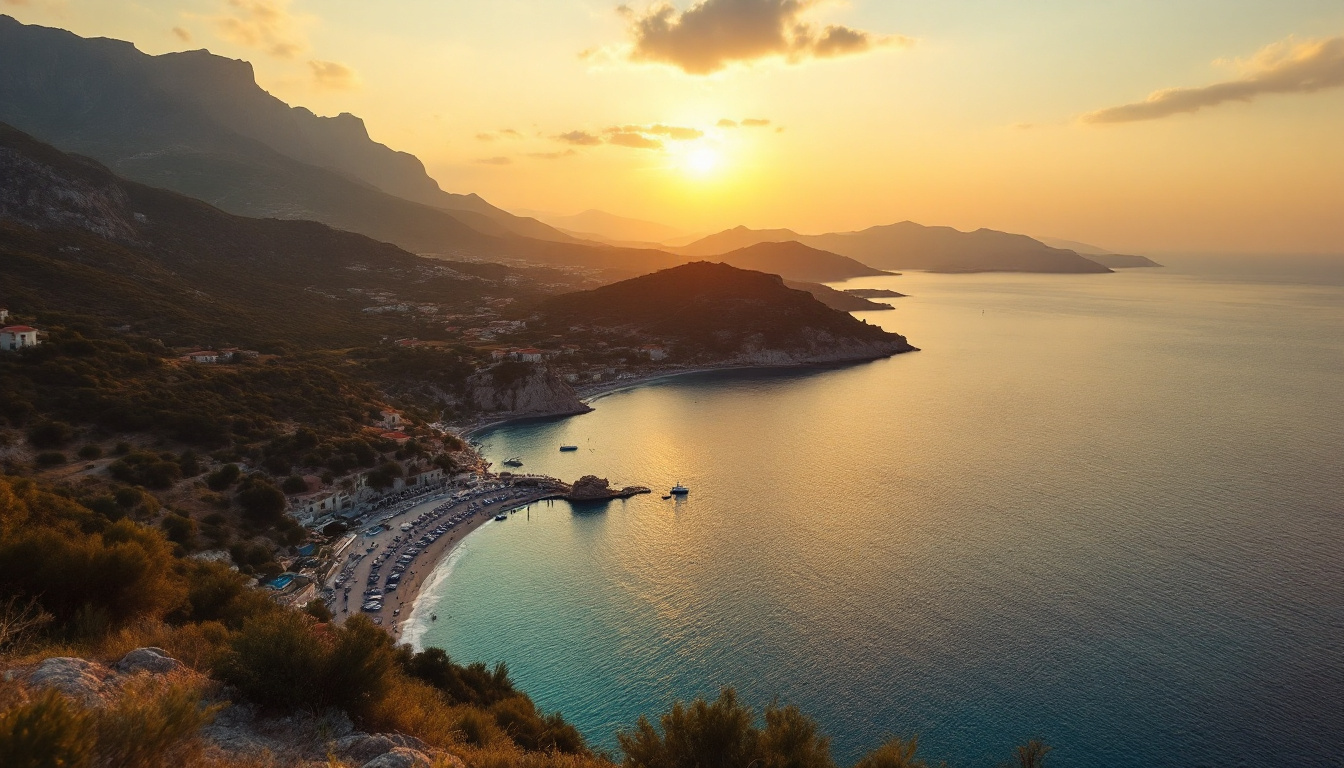
Six Senses Ninh Van Bay sits on a dramatic limestone bay approximately 60 minutes by car north of Cam Ranh International Airport (CXR, the principal Nha Trang gateway), then approximately 20 minutes by motor launch across the Ninh Van Bay from the mainland lounge to the resort itself. The property is accessible only by water transfer — there is no road connection to the resort — and operates a private launch fleet from the mainland lounge across the bay.
The resort runs 58 personal-pool villas distributed across the bay’s three principal beaches (the Hideaway Beach on the main southern arc, the smaller central beach, and the hillside villa cluster above). All villas carry private pools; the principal villa categories carry private beach access; the upper-tier Rock Retreat and the Spa Suites carry the most elaborate private programmes. The rate point in spring 2026 ran approximately USD 1,400-USD 4,500 per night across the villa categories, with a published 35 percent rate reduction available for 2-night-minimum stays during the June through 22 December window.
The structural strength of Ninh Van Bay is the completely isolated bay position. The resort is the only built infrastructure on the bay; the surrounding limestone hills and the cliffs above the central beach are undeveloped, and the working ambient sound through the daytime hours is essentially ambient (the sea, the cicadas, the occasional resort guest). The hospitality programme runs at the upper end of the Six Senses brand consistency: serious spa programme, a structured food-and-wine programme (the Dining at Six Senses kitchen carries a serious tasting-menu programme, plus the more casual all-day dining and the in-villa dining options), guided activity programme (snorkelling, mountain-biking, the bay-island circuit), and a meaningful sustainability commitment (the resort is operationally substantively off-grid, with on-site water treatment and a substantial organic garden programme).
Transfer architecture and timing
The Vietnamese internal transfer architecture for the upper-end traveller runs primarily on Vietnam Airlines and the smaller domestic carriers. The principal axes are Hanoi (HAN) to Danang (DAD) for the Hoi An access (approximately 1 hour 20 minutes, multiple daily sailings), Danang to Cam Ranh (CXR) for the Ninh Van Bay access (approximately 1 hour 5 minutes), and Cam Ranh to Ho Chi Minh City (SGN) for the southern segment (approximately 1 hour). The road transfer from Danang to Hoi An runs approximately 45 minutes; the road and boat transfer from Cam Ranh to Six Senses Ninh Van Bay runs approximately 90 minutes total.
The structural seasonal pattern runs three distinct regional weather windows. Hanoi in the north carries the most marked seasonal pattern (cool dry winter October-March, hot humid summer May-September); the structural Hanoi window is October-December and February-March. Hoi An in central Vietnam carries the most rain-affected pattern (rainy season September-December); the structural Hoi An window is February-August. Nha Trang and the southern coast carry the most consistent climate; the structural Ninh Van Bay window is December-August. The structural compromise window for a combined three-anchor trip is March-April.
The desk view
The structural assessment after the sixteen-day Vietnam sweep is that the country has matured into a credibly integrated three-anchor upper-end programme and that the inventory has compounded meaningfully through 2018-2026. The desk’s structural recommendation for the 2026 season is a 12-14 night Hanoi-Hoi An-Ninh Van Bay programme with 3-4 nights at the Sofitel Legend Metropole in Hanoi (with a single-overnight Lan Ha Bay extension), 4-5 nights at the Four Seasons Resort The Nam Hai outside Hoi An, and 4-5 nights at Six Senses Ninh Van Bay as the closing beach segment; a 2-3 night Ho Chi Minh City extension at the Park Hyatt Saigon is the optional closing leg for guests who want to add the southern urban anchor. The trip is structurally a first-time-Vietnam or returning-Vietnam-traveller programme; the 2026 season is a defensible year to be in the country at the upper end, and the structural quality of the principal anchors is the highest it has been since the modern Vietnamese upper-end market began.
Standing Questions
- Where should I anchor the trip?
- Three anchors, in geographic sequence. Hanoi in the north (3-4 nights at the Sofitel Legend Metropole as the structural answer, with the Old Quarter walking programme, the West Lake and Ho Chi Minh Complex, the Temple of Literature, and a day-trip or overnight extension to Halong Bay or the more recent Lan Ha Bay alternative). Hoi An in central Vietnam (4-5 nights at the Four Seasons Resort The Nam Hai for the beach anchor, with the UNESCO Old Town walking programme, the tailor circuit, the Tra Que herb village, and the My Son Cham ruins). Six Senses Ninh Van Bay (4-5 nights for the closing beach segment, with the in-villa-and-bay programme as the principal activity).
- Why the Sofitel Legend Metropole?
- The Sofitel Legend Metropole Hanoi is the structurally most important historic hotel in northern Vietnam, in continuous operation since 1901 in its principal French Colonial-era building on Ngo Quyen Street in the central Old Quarter. The property runs 364 keys distributed across the historic main building and the more recent Opera Wing annex, with a substantial public-rooms programme (the Le Club Bar, the La Terrasse café, the original Le Beaulieu French restaurant, and the more contemporary Spices Garden Vietnamese restaurant). The hotel has hosted a substantively long list of historic guests (Graham Greene drafted The Quiet American in a Metropole room in 1951; Charlie Chaplin spent his 1936 honeymoon there with Paulette Goddard; Jane Fonda and Joan Baez stayed during their 1972 Hanoi visits). The rate point in spring 2026 ran approximately USD 350-USD 1,200 per night across the principal room categories.
- What's the right approach to Halong Bay?
- Halong Bay is the structurally most photographed coastal feature in Vietnam (1,969 limestone karst islands across approximately 1,553 square kilometres of the northern Gulf of Tonkin coast, UNESCO World Heritage since 1994) but has become meaningfully overcrowded in the principal Halong City and Bai Chay departure ports. The desk's structural recommendation for 2026 is to depart from the Lan Ha Bay sector immediately south of the principal Halong area, on a smaller-capacity overnight charter (the Heritage Cruises Binh Chuan, the Au Co Cruises programme, or the smaller Indochina Junk and Bhaya Cruises operators). A single overnight Halong/Lan Ha Bay charter is the structural answer; the 2-night overnight format is rewarding but is not necessary for a first-time visitor.
- How does Ninh Van Bay actually work?
- Six Senses Ninh Van Bay sits on a dramatic limestone bay approximately 60 minutes by car north of Nha Trang's Cam Ranh International Airport (CXR), then approximately 20 minutes by motor launch across the bay from the mainland lounge to the resort itself (the property is accessible only by water — there is no road connection to the resort). The resort runs 58 villas distributed across the bay's three principal beaches and the hillside above, with all villas carrying private pools and the principal villa categories carrying private beach access. The rate point ran approximately USD 1,400-USD 4,500 per night across the villa categories. The structural advantage is the completely isolated bay position and the exceptionally polished hospitality programme; the structural caution is the access pattern (the boat transfer is meaningfully constrained by weather, and guests who arrive on rough-sea days can wait extended periods at the mainland lounge).
- When is the right season?
- Vietnam's climate runs three distinct regional patterns. Hanoi in the north runs the most marked seasonal pattern (cool dry winter October-March, hot humid summer May-September with the typhoon-season peak in August-September); the structural window for Hanoi is October-December for the cool dry weather and February-March for the spring shoulder. Hoi An in central Vietnam runs the most rain-affected pattern (the central coast rainy season runs September-December with the heaviest rainfall typically in October-November); the structural window for Hoi An is February-August. Nha Trang and the southern coast (Six Senses Ninh Van Bay) run the most consistent climate; the structural window is December-August with January-March as the optimal sub-window. The structural compromise window for a combined three-anchor trip is March-April.