I drove into the village of Axpe at 12:40 on a Wednesday in late January 2026, having taken a 09:35 Vueling from Madrid Barajas to Bilbao that landed five minutes early and a Hertz Polo that I picked up in twelve minutes from the desk in the Bilbao arrivals hall. The drive south from the airport runs on the AP-8 for twenty minutes through the industrial outer suburbs of Bilbao, then exits at Durango onto the N-634 for a further fifteen minutes through the Atxondo valley, then climbs the last six kilometres on a secondary road that narrows to one lane in places as it rises through the chestnut woods. The village of Axpe, when you reach it, is a single street of stone houses set against the south face of Anboto, the 1,300-metre limestone peak that dominates the Basque mountain range above. There is a parish church (sixteenth-century, still in use, still painted in the white-and-red Bizkaian palette). There is a small village square with a stone fountain. There is one bar, one bakery, one bench under a plane tree. And there is Asador Etxebarri, in the long low stone building that occupies the eastern end of the square, with a single wooden door, a small wrought-iron sign, and no other indication that this is one of the two or three most consequential restaurants in the world.
I am writing this review four nights after the lunch. The lunch took five and a half hours. I have been to Asador Etxebarri once before, in 2019, at the very end of a long Basque trip, and I have spent the seven years since trying to articulate what the cooking does. What follows is an attempt — written in the voice of a guest who has eaten the kitchen’s cooking on two separate occasions and who has, on this trip, spent forty minutes in the kitchen before service with Bittor Arginzoniz and his deputy.
The room
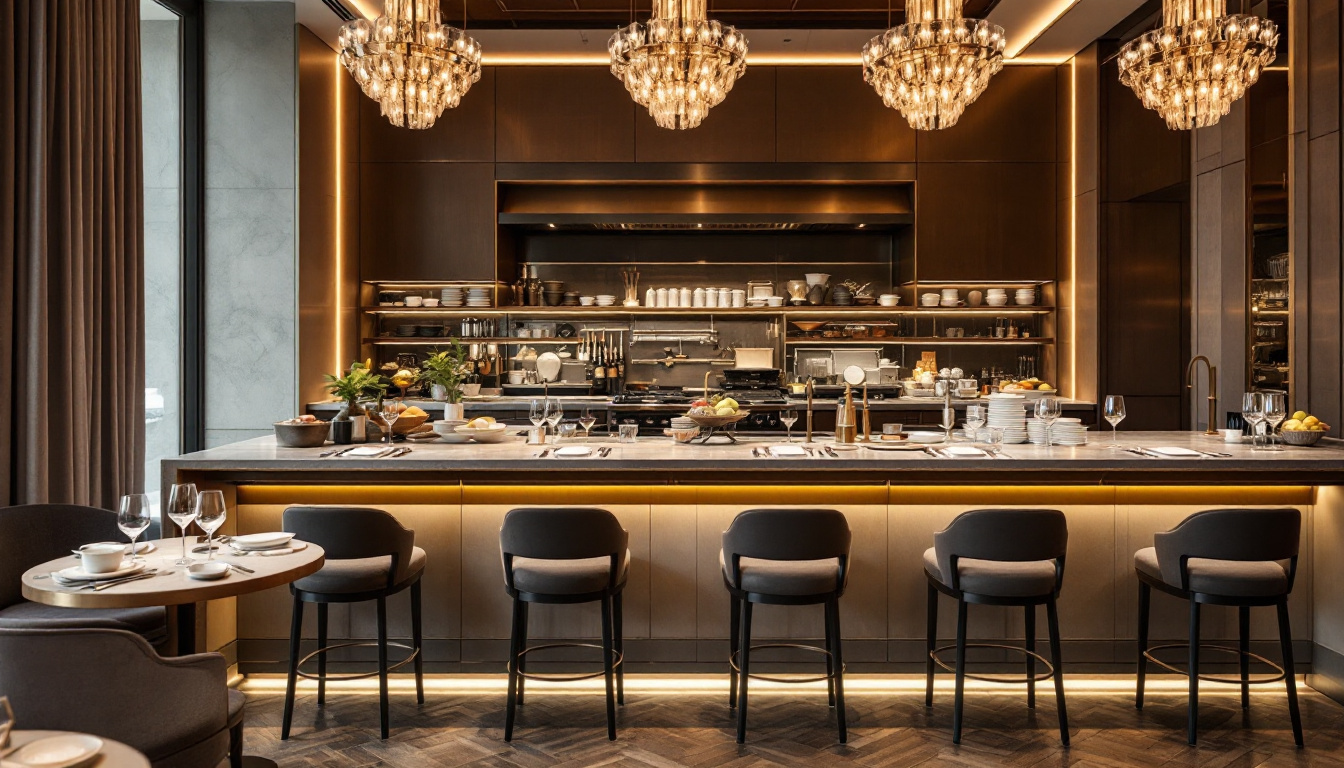
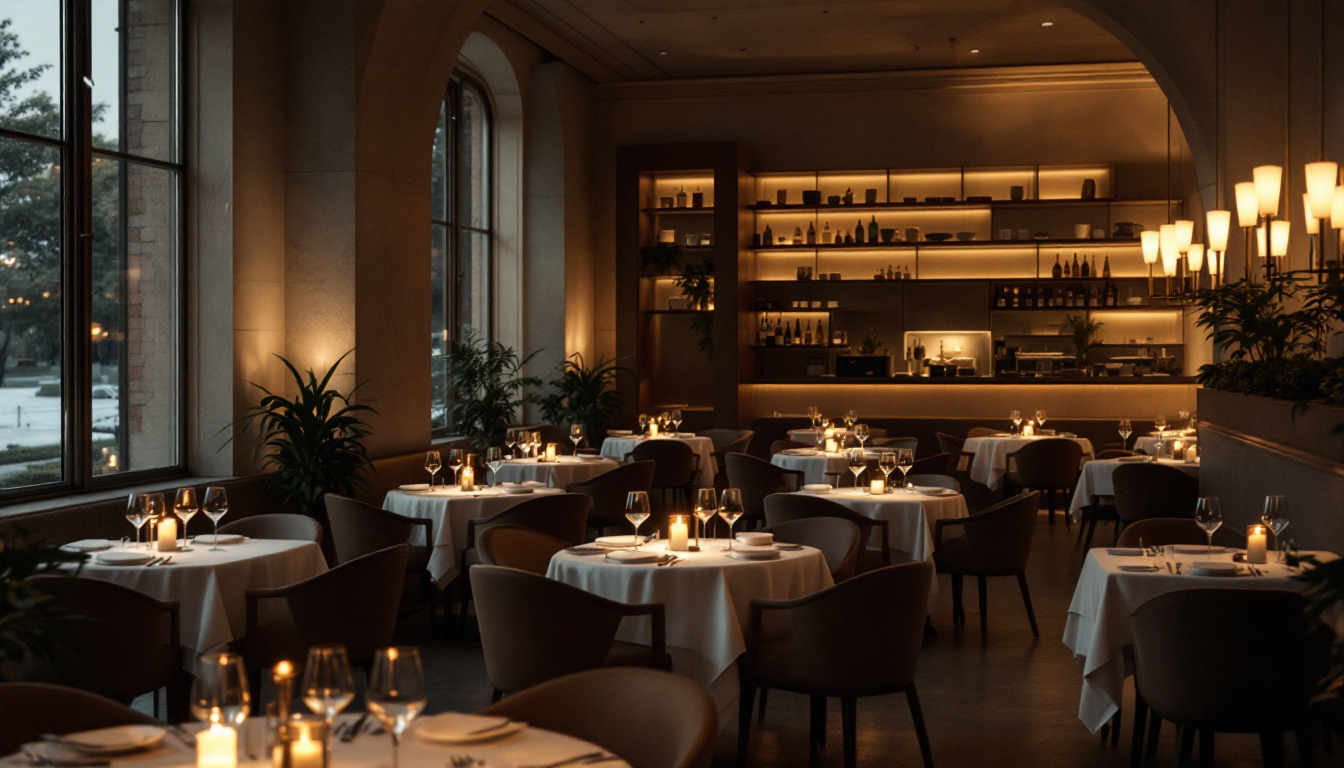
Asador Etxebarri occupies the ground floor and the first floor of a single stone building that was a country tavern in the eighteenth century and that Arginzoniz bought in 1989 and converted to an asador in 1990. The dining room on the first floor — which is where the tasting menu is served — takes seventeen tables and approximately fifty covers per service. The room is low-ceilinged, beamed, lime-washed white, with exposed stone in the gables and a single long oak table down the centre. The lighting is low. The tablecloths are heavy linen. The chairs are unupholstered wooden ladderbacks in the traditional Basque pattern. The cutlery is silver. There is no music. The walls carry three pieces of contemporary Basque painting (the Arginzoniz family have collected the work of the painter Néstor Basterretxea since the early 1990s) and a single large black-and-white photograph of the kitchen at full fire, taken in 2008 by the photographer Iñaki Marquínez.
The room is unhurried in a way that very few three-star or three-star-equivalent rooms manage. The service runs at the pace of the cooking, which runs at the pace of the fire, which runs at the pace that the wood asks for. Courses arrive when they are ready. The maître d’, Sergio Ferrer, who has been at Etxebarri for eleven years, moves through the room slowly and without performance. He stopped at the table three times across the meal: once at the opening to walk me through the structure of the menu, once between the chuleta and the dessert to ask whether I wanted to slow the pace (I did), once after the dessert to ask whether I wanted to see the kitchen. I did.
The kitchen
The kitchen at Asador Etxebarri is, in physical terms, very small for the quality of the output. A single fifteen-metre-long working room on the ground floor, with the four open grills along the back wall and the preparation surface running the length of the south wall in front of them. The grills are Arginzoniz’s own design — built by a local blacksmith in 1990 to specifications that Arginzoniz had developed in the eighteen months between buying the building and opening the restaurant. The principal innovation is a pulley system that allows the cooking surface (a flat grate of welded steel) to be raised and lowered above the fire bed in millimetre increments during service. The fire bed itself sits below in a deep bricked pit; the embers are produced from two different woods, used for different purposes — holm oak (Quercus ilex), whose embers run cooler and produce a milder smoke, used for fish, seafood, and vegetables; and vine shoots (sarmientos), whose embers run hotter and produce a more intense smoke, used for the chuleta and the larger cuts.
Arginzoniz was in the kitchen when I came down at the end of service. He is a small, quiet man — sixty-five at the time of writing, born and raised in the next village down the valley (Atxondo proper), formerly a forestry worker who taught himself to cook by reading and by long apprenticeship with the older grill masters of the region. He has no formal culinary training. He has never staged in another kitchen. He speaks Bizkaian Basque at home and Castilian Spanish in the kitchen, with an accent that locates him geographically within a five-kilometre radius. He has been cooking on his own equipment, in his own building, with his own suppliers, for thirty-six years as of 2026.
The conversation in the kitchen — through an interpreter at one point, in slow Castilian at another — ran for approximately forty minutes. He showed me the grill set-up. He showed me the small cold cupboard where the day’s fish was held (a single 12-kilo turbot from the Galician coast, four kilos of palamós prawn from the eastern Spanish Mediterranean, two kilos of kokotxas — hake throats — from a fishmonger in Bermeo, on the Bizkaian coast). He showed me the dry-ageing cabinet where the chuletas were held (six 8-rib cuts at various stages of dry-ageing, between twelve days and thirty-five days; the cabinet is held at 1 °C and 75 percent humidity, with airflow from a small fan in the upper wall). He showed me the small wooden box of grilled milk butter — the kitchen makes its own butter, every other day, from raw milk delivered from a dairy in nearby Markina, and the butter is then briefly passed over the grill to take on a touch of smoke before being chilled and served at table.
The defining detail of the kitchen, which is not easily captured in a photograph or a paragraph, is the smell. The kitchen smells of nothing but wood smoke and the specific aroma of fat rendering over wood smoke. There is no commercial extraction. There are no fryers. There is no induction. There is no gas. The kitchen is genuinely a single fire and a single set of grills, and everything that comes to the table has been cooked on those grills.
The food
The menu I was served — a single set tasting at EUR 280 per person, drinks excluded — ran to fourteen courses across five and a half hours. I will not describe all fourteen. I will describe the seven that defined the meal.
The opening — a small piece of house-smoked Cantabrian anchovy, served on a single piece of toasted estate bread with a thin layer of grilled butter — is the dish that sets the kitchen’s intent. The anchovy is salted, then briefly smoked over holm oak embers, then served at room temperature. The butter, briefly passed through the grill, carries a hint of the same smoke. The toast is a single piece of the estate’s own bread (baked daily by a small bakery in the village; the kitchen does not bake its own). The combination — three ingredients, two cooking actions, one toast — is the announcement of the meal. It is also one of the great small dishes of European cooking, full stop.
The second course — grilled chorizo, made on site from estate Bizkaian pork, cured for thirty days and then briefly grilled to render the surface fat without cooking the interior — is the demonstration that the kitchen treats charcuterie as a cooked product, not a finished one. The chorizo arrives sliced, three pieces per guest, the surface lightly crisped, the interior still soft.
The third course — a single oyster from the Arcachon basin (in southwestern France, six hours’ drive north), served raw on the half shell with a small dressing of grilled apple vinegar — is the kitchen’s one concession to a non-Spanish ingredient. The oysters are sourced from a single producer, Joël Dupuch, with whom Arginzoniz has worked for fourteen years. The dressing is house-made from estate apples grilled lightly over holm oak embers, then pressed and reduced with a touch of cider vinegar.
The mid-menu course — grilled palamós prawn, served on a single slab of warm slate with no sauce, no garnish, no anything — is the dish that most coverage of Etxebarri leads on. The prawns are 80 to 100 grams each, sourced from the cooperative at Palamós on the Costa Brava (the most respected prawn cooperative in Spain), shipped overnight in ice, grilled for ninety seconds over holm oak embers with a single brush of estate olive oil and a turn of grey salt. The flavour of a perfect Etxebarri prawn is one of the small set of cooking experiences in the world that is genuinely irreproducible elsewhere. The texture sits between a langoustine and a king prawn; the sweetness is honeyed; the char from the grill carries through the flesh in a way that no other heat source can deliver. This is the dish I would fly from London for.
The grilled kokotxa — the throat of the hake, a Basque specialty, treated here over the grill rather than the more conventional pil-pil emulsion — is the kitchen’s second demonstration of seafood mastery. The kokotxa is a small delicate cut, gelatinous, prone to overcooking; Arginzoniz cooks it for ninety seconds skin-side down on a fine-mesh grate set close to the embers, then turns it for thirty seconds, then serves it on a small piece of estate bread with a single drop of estate olive oil. The texture is unctuous; the flavour carries the wood smoke without being dominated by it.
The chuleta — the dish that the kitchen is most famous for — arrives at the table whole, on a wooden carving board, and is carved at the side station by the maître d’. The cut is an 8-bone rib from an 8 to 10-year-old retired Galician dairy cow, sourced from the same supplier (a small operation in Lugo, Galicia) that Arginzoniz has worked with for nineteen years. The cow is grass-and-corn fed, slaughtered at retirement, hung as a full carcass for fourteen days, then broken into ribs and dry-aged at Etxebarri for a further three to four weeks before service. The meat is a deep mahogany colour. The fat — substantially marbled through the eye and capped with a thick layer along the bone — is the colour of dark amber. The cooking, on the vine shoot embers, takes approximately twelve minutes per side at carefully controlled heat: long enough to render the exterior fat to a deeply caramelised crust, short enough to keep the interior at a rare bleed. The slicing is done across the grain, in pieces approximately fifteen millimetres thick. The serving is two pieces per guest, with no sauce, no garnish, a small mound of grey salt at the corner of the board. The flavour is harder to describe than the prawn. It is genuinely beef-flavoured in a way that most modern dry-aged beef has lost. The wood smoke is present but recessive. The fat is the dominant flavour and it is, on this particular cow, on this particular day, a great fat.
The dessert — a single quenelle of grilled milk ice cream, served with a small piece of reduced fruit compote (in late January, this was a quince compote from estate fruit; the fruit changes through the year) — is the meal’s closing demonstration that the grill works on dairy and on sugar as well as it works on protein. The ice cream is made from raw cow’s milk that has been briefly smoked over holm oak embers before being churned. The smoke is faintly perceptible in the finished ice cream — present in a way that you notice on the third spoonful but not the first.
The kitchen sends a small plate of grilled almonds and a glass of estate Pacharán with the bill. The Pacharán is Arginzoniz’s own — he infuses sloe berries from estate land in anis-based liquor for fourteen months in glass demijohns held in the cellar below the restaurant — and it is the right way to close the meal.
The wine
The wine list at Etxebarri is shorter than its reputation suggests — approximately 280 references, weighted heavily toward small Basque and Rioja producers, with a useful spine of Burgundy and a small but serious section on grower Champagne. The list is run by sommelier Mohamed Benabdallah, who has been at the restaurant for eight years and who came in from El Celler de Can Roca. His pairing recommendation for the meal — five glasses across the fourteen courses, beginning with a 2022 Ameztoi Txakoli for the seafood, moving through a 2019 Lopez de Heredia Tondonia white Rioja for the kokotxas, settling into a 2015 Lopez de Heredia Bosconia for the chuleta, and closing with a small glass of 1985 Pedro Ximénez for the dessert — was EUR 165 and was perfectly judged. The wines were served at the right temperatures, decanted where necessary, poured at the right intervals.
The genuinely interesting Basque wine on the list, which I asked about specifically, is the small range of single-vineyard txakoli from the Itsasmendi cooperative in the Bizkaian valley one over from Axpe. The 2023 Itsasmendi 7 (a barrel-aged txakoli, more like a serious white Burgundy than the more common spritzy txakoli of the tourist trade) at EUR 78 a bottle is the bottle to ask for if you want to drink Basque at this kitchen.
The hour after the meal
The genuinely correct way to engage with a meal at Etxebarri is to leave time for the hour after. Lunch in the village winds down at approximately 17:30; the sun, in January, is already low against the western face of Anboto, and the village square is empty. I walked across the road to Mendi Goikoa, the converted eighteenth-century country house that operates as a small hotel directly opposite the restaurant, where I had a room reserved for the night. The hotel runs a small terrace bar that opens onto the valley. I ordered a glass of the txakoli I had drunk at lunch and sat on the terrace for ninety minutes, watching the light go out of the valley and the lights of the village come on. This hour is part of the meal. The hour does not happen if you book lunch and drive back to San Sebastián.
The room at Mendi Goikoa, at EUR 195 in shoulder season, is small, clean, simple. There is no minibar. There is no television. The bed is firm. The bathroom is competent. The hotel serves breakfast in the small downstairs dining room from 08:30, on a continental menu (estate honey, two breads from the village bakery, a board of regional cheese, soft-boiled eggs, coffee from a Marzocco that the owner brought in second-hand from a defunct Bilbao café in 2019). The total bill for the night was EUR 218 with breakfast.
The verdict
Asador Etxebarri is one of perhaps four restaurants in the world that I would tell a serious eater to organise a trip around. It is also the only one of those four where the cooking is the demonstration of a single technical instrument (the wood-fire grill) at the hands of a single self-taught practitioner who has worked his way to mastery over thirty-six years in a village of fewer than 400 people. The cooking is not for everyone — guests looking for the multi-discipline complexity of the modern fine-dining tasting menu will find Etxebarri minimal, possibly austere. Guests looking for the demonstration of a single primary skill, taken to a place that no other kitchen on earth has reached, will find this lunch among the most consequential of their lives.
Book six months out for any weekend service. Book ninety days out for a Tuesday or Wednesday lunch. Stay in the village. Take the time after the meal. Drive back to Bilbao in the morning on the slow road.
I will go back. I would like to do dinner rather than lunch — dinner is served only on Saturday nights, in a single seating from 20:00, and is the more difficult booking. I would like to see the kitchen during the white asparagus and spring lamb window in late April. I would like to spend three nights in the village and walk the lower trails of Anboto in the morning, eat at Etxebarri at lunch, and finish on the terrace at Mendi Goikoa as the light goes. I will report back.
Verification
Filed against the following sources, last verified on March 7, 2026. The desk re-checks the source URLs on every dated modification of the piece.
- https://www.asadoretxebarri.com/en/home
- https://en.wikipedia.org/wiki/Asador_Etxebarri
- https://www.theworlds50best.com/the-list/Asador-Etxebarri.html
- https://guide.michelin.com/en/pais-vasco/axpe/restaurant/etxebarri
- https://bilbaoinsider.com/asador-etxebarri-second-in-2025-worlds-50-best-50-restaurants-awards/
- https://luxeatguide.com/restaurants/asador-etxebarri/
- https://objectivefoodie.com/2023/10/28/asador-etxebarri-vanguard-through-atavism/
- https://www.enprimeurclub.com/restaurants/asador-etxebarri-atxondo-restaurant
Standing Questions
- How do I book Asador Etxebarri?
- Bookings open on the restaurant's website 90 days before the date. The window opens at 10:00 local time and closes within minutes for prime weekend services. Tuesday and Wednesday lunch are the most realistic services for a first-time booking. Payment for the full party is required in advance at booking; cancellations are refundable up to 30 days before service. The restaurant is closed on Mondays year-round and takes its main annual closure from late December to mid-January.
- What is the tasting menu structure?
- A single set menu of approximately 12-14 courses at EUR 280 per person before drinks (2026 rate). The structure runs from the sea (smoked grilled anchovy, palamós prawn, kokotxas, oysters) through the chuleta — a charcoal-grilled rib of 8-10 year-old Galician ox dry-aged 3 to 4 weeks — to the closing dessert of grilled milk ice cream. The format does not change substantially through the year, though specific seafood rotates with the catch.
- Is the chuleta really the centre of the meal?
- Yes, and no. The chuleta is the technical demonstration that the restaurant is best known for — Arginzoniz has built grilling equipment specifically for it, and the dry-aged beef is sourced from Galician retired dairy cows raised on grass and corn. But the more remarkable cooking, in my reading, is the seafood and vegetable work in the first half of the menu. The kokotxas (hake throat), the palamós prawn, the grilled spring peas in their pods — these are dishes that no other kitchen on earth can replicate.
- Where do I stay?
- Stay in Axpe village itself. Mendi Goikoa, a converted 18th-century country house directly across the road from the restaurant, has eleven rooms from EUR 180 per night and is the right answer for a single night. For a longer stay, drive into Bilbao (30-40 minutes) and stay at the Carlton or the Gran Hotel Domine. Do not try to do lunch and drive back to San Sebastián the same afternoon; the post-meal hour, with a glass of Txakoli on the terrace, is part of the experience.
- How do I get there?
- Fly to Bilbao (BIO). The drive from Bilbao airport is 35 minutes via the AP-8 and N-634 to Atxondo, then 6 km of secondary road up the Atxondo valley to Axpe village. There is no useful public transport. Hire a car at the airport (Hertz, Avis, Europcar all have desks). The drive into the valley as the road rises through the chestnut woods is itself part of the day.