I had a 19:30 reservation at Attica on a Saturday in late March 2026, the second seating of the evening. I took an Uber from the W Melbourne in the CBD at 19:05, drove southeast through South Yarra and Caulfield in the soft autumn light, and arrived at the small Glen Eira Road parade of shops in Ripponlea at 19:23. The Attica building, at the eastern end of the parade, was a single-storey suburban shopfront with a simple unsigned facade — no signage at street level, no exterior indication that this was the most-decorated restaurant in Australia. The maître d’, Banjo Harris Plane (also the restaurant’s wine director, with the kitchen since 2018), met me at the front door and walked me to table fourteen at the back of the room.
Attica is the working project of Ben Shewry, who took over the kitchen in 2005 at the age of twenty-eight. The restaurant had opened in 2000 under a different concept (a more conventional contemporary European kitchen led by chef Donovan Cooke); Shewry, then a young New Zealand-born chef who had worked at restaurants in Auckland and Melbourne, was hired to revive the operation and bought the business outright in 2009. He has run the kitchen for twenty-one years as of 2026.
The kitchen’s working framework, across the two decades Shewry has led it, has been the systematic exploration of Australian native ingredients. The framework is genuinely his own contribution to global fine dining — Shewry is, in any reasonable accounting, the most influential single advocate for native-ingredient cookery in modern Australian cuisine, and the producer relationships his kitchen has built across the years are now the supply chain for the broader Australian fine-dining scene. The kitchen has been in the World’s 50 Best top fifty every year since 2010, reaching its high water mark at No. 4 in 2017, and is ranked 95 points by La Liste in 2026 — putting it in the top tier of restaurants globally by that metric. Australia does not have a Michelin guide, but Attica is the country’s most credible three-star candidate if Michelin publishes locally.
I am writing this review four days after the meal.
The room
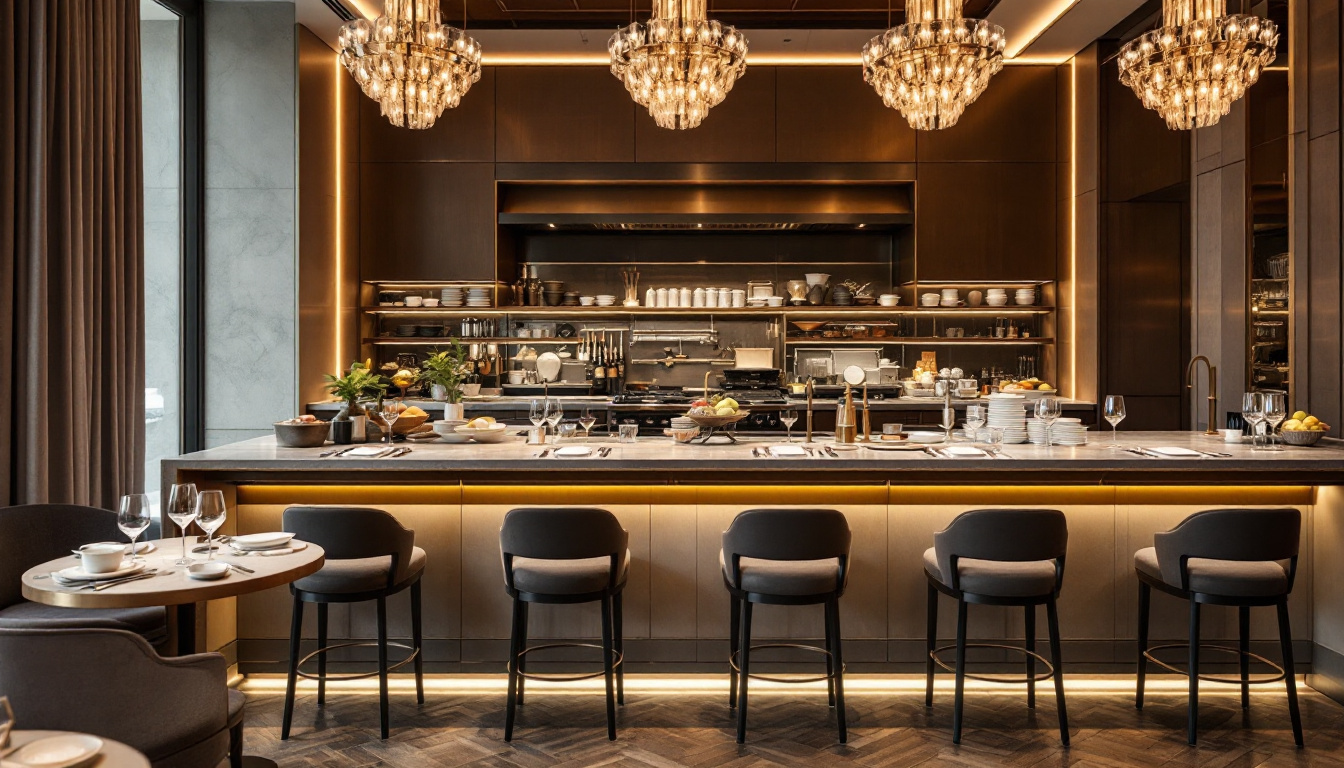
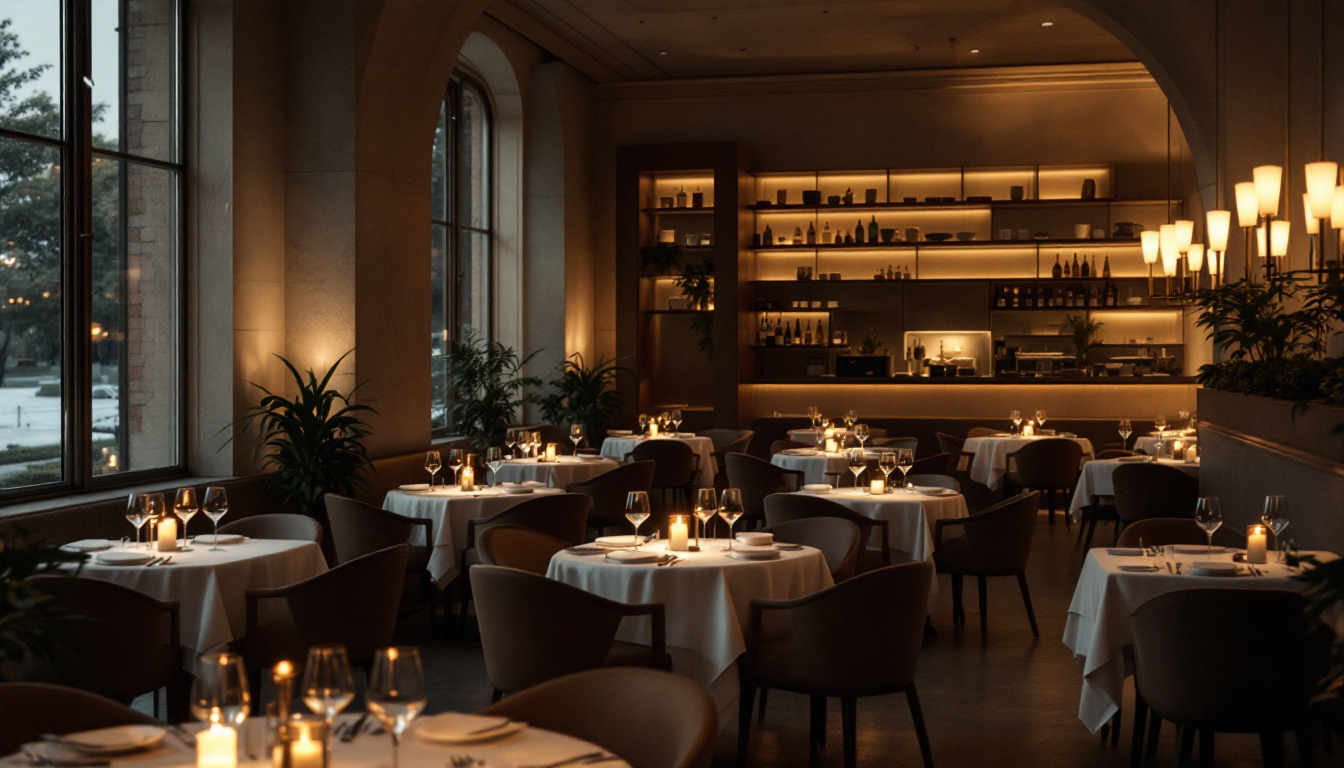
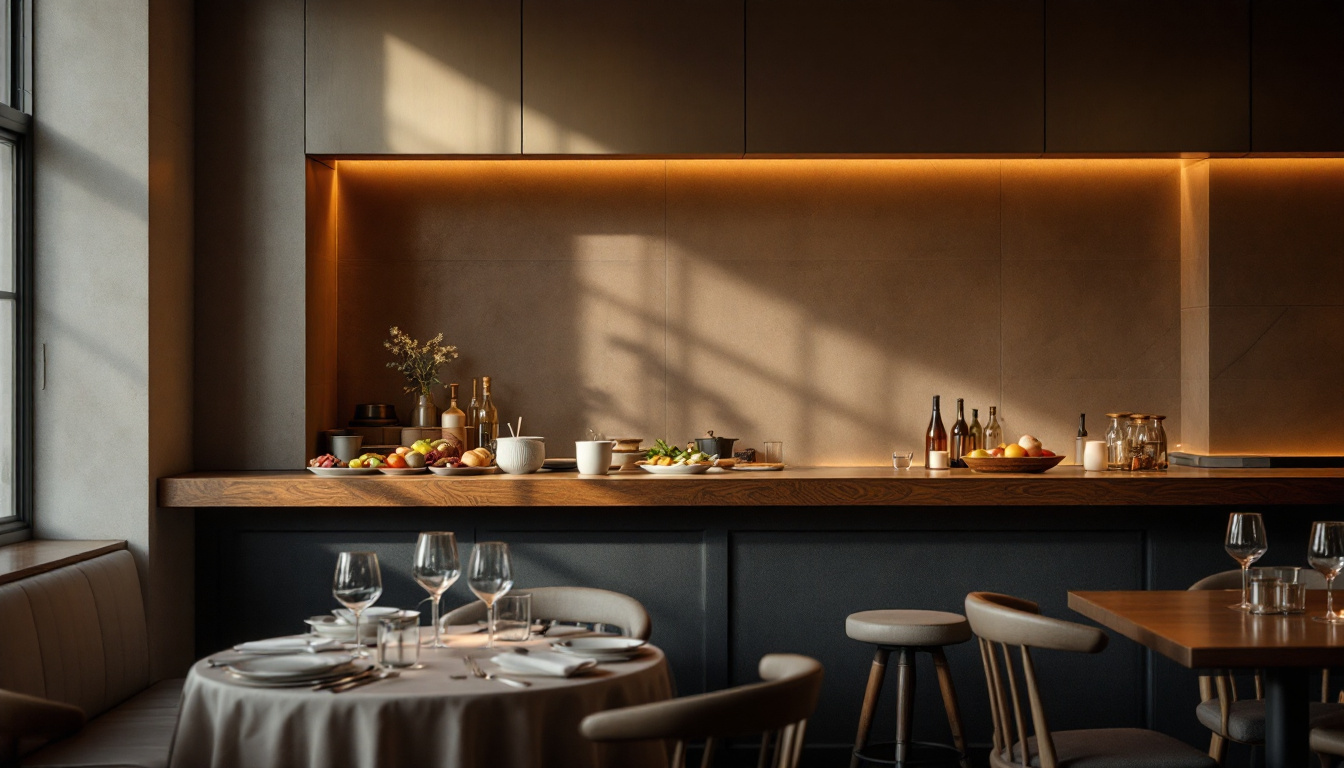
The Attica dining room takes the entire shopfront — approximately 1,800 square feet, organised in a single rectangular hall with a low coffered ceiling, exposed brick walls along the long north side, and a fully open kitchen along the south wall. The aesthetic is the deliberate suburban-Melbourne contemporary vocabulary that Shewry has built across multiple renovations — pale grey walls in a soft fabric finish, polished concrete floors, simple Australian-hardwood furniture, low warm lighting from small individual fixtures over each table.
The room takes approximately sixty covers across twenty tables. Service is led by Banjo Harris Plane with a brigade of ten on the floor. The pacing on this evening was the relaxed Melbourne pace — courses arrived at calculated intervals across three hours and ten minutes, the conversation at the table was permitted to set the rhythm, the wine glasses were refilled at the right moments.
The room’s defining piece of design is the open kitchen along the south wall. The kitchen is fully visible from every table — Shewry himself works at the centre of the pass for most services and can be observed plating individual courses across the evening. The visibility is the kitchen’s most important single piece of architectural statement: the cooking is the centre of the room, and the room is organised around the cooking.
The opening
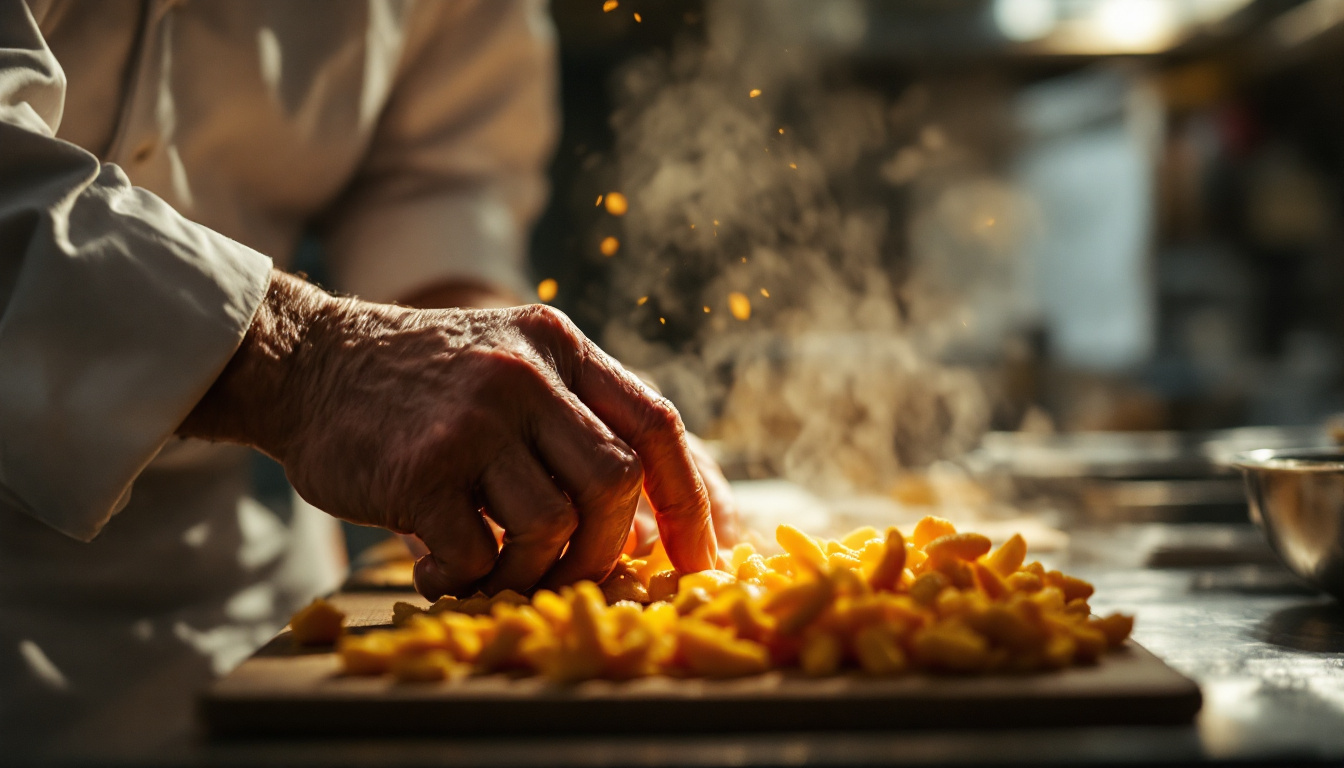
The opening course was the kitchen’s signature ‘bunya bunya’ — a small individual ceramic plate containing a small mound of slow-roasted bunya-bunya nuts (a native Australian conifer nut, sourced from a small grower in the Queensland highlands the kitchen has worked with since 2008), dressed with a single drop of estate-grown lemon myrtle oil and a small spoonful of fermented native-honey reduction. The course is the menu’s clearest demonstration of the native-ingredient framework.
The bunya-bunya nut is one of the ingredients that the kitchen has done the most sustained work on across two decades. The nut is the seed of the bunya-bunya pine (Araucaria bidwillii), a native Australian conifer that produces large cones containing seventy to a hundred individual seeds each. The seeds were a staple food of the Aboriginal peoples of the Queensland-New South Wales border region for thousands of years before European settlement. The European-Australian culinary tradition has, until very recently, treated the bunya-bunya nut as a curiosity at best and an inedible novelty at worst. Shewry’s kitchen has, across two decades, developed a precise technique for treating the nut — slow-roasted at 140°C for forty-five minutes to bring out the natural sugars, dressed with native aromatic oils that complement the chestnut-like base flavour — and has built the course into one of the kitchen’s standing signatures.
The course was, on this evening, the right warmth, the right depth of the lemon myrtle, the right intensity of the fermented honey. The course is the menu’s most direct statement of the working principle that Attica operates by: that the native ingredients of the Australian continent, treated with the same technical seriousness that French and Japanese fine dining apply to their own native traditions, can carry the structural weight of a three-star-level menu.
The finger lime and trout
The third course on this evening was the kitchen’s most-photographed single piece — the finger-lime-and-trout. The course is a single small ceramic plate containing a small piece of raw rainbow trout (sourced from a small Tasmanian producer the kitchen has worked with since 2011), cured briefly in salt and finger-lime juice, served at room temperature with a small mound of finger-lime caviar (the small pearl-like cells of the native Australian finger lime, broken from a single fresh fruit at the pass) and a single petal of nasturtium from the Rippon Lea Estate garden adjacent to the restaurant.
The finger lime is one of the kitchen’s signature native ingredients. The fruit (Citrus australasica) is a small native rainforest citrus that produces a long slender fruit containing many small pearl-like caviar-style cells. The cells are intensely acidic and break individually on the tongue, creating a distinctive textural and flavour experience that the kitchen has built into multiple standing dishes. The trout-and-finger-lime course is the kitchen’s most direct demonstration of the ingredient — the trout provides the protein and the soft texture, the finger-lime caviar provides the acid and the pop, the nasturtium provides the peppery green aromatic.
The course was the menu’s most precisely composed single piece. The trout was the right firmness. The finger-lime caviar was at the right intensity. The combination was the kitchen’s clearest demonstration that native ingredients, in trained hands, can produce the kind of textural-and-flavour experience that no other cuisine on the planet has access to.
The seven other defining courses
The second course (between the bunya bunya and the trout) was a small bowl of warm wattleseed broth with a single piece of grilled saltbush and a small dressing of estate-grown lemon myrtle. The wattleseed is the seed of the Acacia tree (sourced from a small grower in the New South Wales central tablelands), roasted and ground to a fine powder that produces a distinctly coffee-like aromatic when infused in hot water. The broth was the kitchen’s most direct demonstration that native ingredients can carry the structural role of a French stock — clean, aromatic, with sufficient depth to anchor the course around the centerpiece protein.
The fourth course was a small dish of grilled kangaroo, sourced from a small ethical producer in the South Australian outback the kitchen has worked with since 2013. The kangaroo was a single slice of loin, briefly grilled over open flame on a small cast-iron grill in the kitchen, served with a small puree of pickled red cabbage and a thin reduction of native pepperberry. The course was the menu’s most direct statement that the kangaroo — historically dismissed by the European-Australian tradition as a low-quality game meat — is, in trained hands, a serious protein with distinct flavour and texture characteristics.
The fifth course was the menu’s substantial main — a single piece of slow-roasted black-lipped abalone, sourced from a small day-boat operator in the Tasmanian waters of Bass Strait, served with a small mound of pickled sea purslane and a thin reduction of dashi-and-soy. The abalone was the menu’s most luxurious raw ingredient and the kitchen’s most precisely controlled piece of cooking — abalone overcooks within seconds, and the technical demand on the pickup window is approximately forty-five seconds from pan to plate.
The sixth course was a small dish of slow-roasted pumpkin with a small spoon of fermented native-fruit reduction and a single piece of grilled lemon myrtle leaf. The pumpkin was sourced from the Rippon Lea Estate garden adjacent to the restaurant — the historic property includes a working market garden that the Attica team has used as a supplementary source since 2015 — and was the kitchen’s quietest demonstration of the slow-roast technique applied to a familiar vegetable.
The seventh course was the menu’s transition to dessert — a small dish of grilled Davidson plum (a native rainforest fruit, sourced from a small Queensland grower) with a small piece of crystallised lemon myrtle and a thin layer of fermented native-honey reduction.
The eighth and ninth courses were the formal dessert sequence. The eighth was the kitchen’s signature ‘whipped emu egg’ — a small individual cup containing a soft custard whipped from a single emu egg (sourced from a small farm in the Victorian central highlands the kitchen has worked with since 2009), topped with a thin layer of fermented native-honey reduction and a single petal of native flower. The emu egg is approximately three times the size of a chicken egg and produces a distinctively rich custard with a slightly stronger eggy flavour than the standard pastry egg; the kitchen has built the whipped-emu-egg course as a standing signature across multiple menu iterations.
The ninth and final course was a small bowl of warm chocolate ganache with a single piece of fermented native-fruit and a thin layer of crystallised lemon myrtle. The course was the kitchen’s quietest piece of plating and was the right close to the menu’s native-ingredient arc.
The wine
The wine list at Attica runs to approximately 1,200 references and is heavily weighted toward Australian wines — Tasmanian Pinot Noir and Chardonnay, Victorian and New South Wales Shiraz, Western Australian Cabernet Sauvignon. The list is led by Banjo Harris Plane, who came in from the small Sydney wine bar Fix in 2018 and who has built one of the most thoughtful contemporary Australian wine programmes in the country.
The classic pairing at AUD 220 ran six wines across the ten courses. The standout pairings were a 2019 Tolpuddle Vineyard Tasmanian Chardonnay with the trout-and-finger-lime course and a 2017 Tahbilk 1860 Vines Shiraz with the kangaroo — both were the right wines for the courses and the pairing as a whole was the most precisely considered Australian pairing I have taken at any kitchen in the country.
The verdict
Attica is the single most distinctive restaurant in Australia and is, in my reading, the most important single restaurant in the Southern Hemisphere at this moment. The native-ingredient framework that Shewry has built across two decades is genuinely the kitchen’s own contribution to global fine dining, and the producer relationships the kitchen has built are now feeding the broader Australian restaurant scene in ways that will be felt for generations.
The bill, for the ten-course tasting with the classic pairing and service, came to AUD 605 per guest. The Uber back to the W Melbourne at 22:48 was the meal’s quiet close. Attica is the right Australian dining-room booking for a serious eater visiting Melbourne or Sydney; the trip is justified by this single meal even from international origins. The native-ingredient framework is the defining contribution of Australian fine dining to the global scene; eat at the source.
Verification
Filed against the following sources, last verified on April 22, 2026. The desk re-checks the source URLs on every dated modification of the piece.
- https://www.attica.com.au/
- https://www.attica.com.au/menu
- https://en.wikipedia.org/wiki/Attica_(restaurant)
- https://www.theworlds50best.com/discovery/Establishments/Australia/Melbourne/Attica.html
- https://www.enprimeurclub.com/restaurants/attica-melbourne-restaurant
Standing Questions
- Where is Attica and how do I reach it from central Melbourne?
- Attica sits at 74 Glen Eira Road in Ripponlea, an inner-southeast suburb of Melbourne roughly twenty minutes from the CBD by taxi or Uber. The closest train station is Ripponlea on the Sandringham line, a six-minute walk south. The most reliable approach is taxi from central Melbourne — the building is a low single-storey suburban shopfront with a simple unsigned facade, and the entrance is at the eastern end of a small Glen Eira Road parade of shops. Park in the small adjacent car park or in the residential streets to the south.
- What is the native-ingredient framework as Shewry has built it?
- Shewry's working framework since taking over the kitchen has been the systematic exploration of Australian native ingredients — bunya nuts, finger limes, lemon myrtle, wattleseed, saltbush, kangaroo, emu, and dozens of other ingredients that the European-Australian culinary tradition has historically ignored. The kitchen sources from a small network of Indigenous growers and small specialist producers across Australia (including the Rippon Lea Estate, the historic property adjacent to the restaurant), and the menu rotates with what is available. The framework is genuinely Shewry's own — he is the most influential single advocate for native-ingredient cookery in modern Australian fine dining, and many of the producer relationships the kitchen has built are now feeding the broader Australian restaurant scene.
- What does the menu actually look like and what does it cost?
- The kitchen runs a single ten-course tasting menu at AUD 385 per guest before drinks, dinner only. There is no à la carte and no lunch service. The menu rotates approximately every six weeks based on seasonal native ingredient availability; the standing dishes that have appeared on the menu in some form across multiple years include the bunya-bunya-nut savoury course, the finger-lime-and-trout course, and the closing 'whipped emu egg' dessert. Wine pairings run at AUD 220 (classic) and AUD 380 (reserve). The reserve pairing draws from the cellar's substantial collection of older Tasmanian and Victorian wines.
- How do I book and how difficult is it?
- Reservations open via the restaurant's website three months in advance. Prime weekend windows (Friday 18:00 and 19:30, Saturday 18:00 and 19:30) typically allocate within two hours of the window opening. Weeknight slots are achievable inside thirty days. A deposit of AUD 200 per guest is required at booking. Cancellation is permitted up to forty-eight hours before service. The restaurant is closed Sunday and Monday.
- What is the right hotel and post-meal evening?
- Stay in central Melbourne (the CBD or South Yarra) and take a taxi to and from the restaurant. The most reliable high-end choices in 2026 are The Hotel Windsor on Spring Street (the city's classical grande dame, rooms from AUD 580 in shoulder season), the W Melbourne on Flinders Lane (the city's most polished contemporary luxury room, from AUD 720), and the Park Hyatt Melbourne in East Melbourne (the city's most consistent international five-star, from AUD 680). The post-dinner Melbourne evening is best spent at one of the city's serious cocktail bars — Bar Margaux on Meyers Place or Romeo Lane in Chinatown are the right two.