I walked into the small wooden building at 2-3-18 Jingumae on a Thursday evening in mid-February 2026 at 18:25. The building, in the dim Tokyo winter light, was barely distinguishable from the surrounding residential blocks — a single-storey shopfront with a wooden facade, a small noren curtain hanging at the entrance with the single kanji 傳 painted in white on black, and no other signage. I had walked from the Gaienmae station five minutes south, having taken the Ginza line from my hotel in Marunouchi twenty minutes earlier. The Jingumae district at 18:00 in February is quiet — the office workers from the surrounding Aoyama blocks have left for the evening, the residential streets are empty, the only sounds are the distant traffic on Aoyama Dori a block west.
Den is the working project of Zaiyu Hasegawa, who opened the original Den in Tokyo’s Kanda district in 2007 at the age of twenty-eight and moved the kitchen to its current Jingumae location in 2018. He is, at forty-six in 2026, the most distinctive single voice in the contemporary Tokyo three-star-level scene. The kitchen holds two Michelin stars in the 2026 Tokyo guide (held since 2019), ranks No. 22 on the 2026 Asia’s 50 Best (after reaching No. 1 in the 2022 list), and has been on the World’s 50 Best list every year since 2017, reaching its high water mark at No. 11 in both 2019 and 2021.
The kitchen does not, however, feel like a No. 1 Asia’s 50 Best restaurant in the conventional sense. The room is small (twelve covers across two seatings per night). The service is informal — Hasegawa himself spends most of the meal at the open counter, greeting guests as they arrive, walking individual dishes to the tables, sitting on the small stool next to a table when a guest has a question about a course. The food is, in the technical sense, modern kaiseki — twelve courses across two and a half hours — but the structure is loose, the courses include direct visual humour (the DenTucky box, the salad in a glass cup), and the tone of the meal is, more than any other three-star-level kitchen I have eaten at, the tone of a friend’s house.
The room
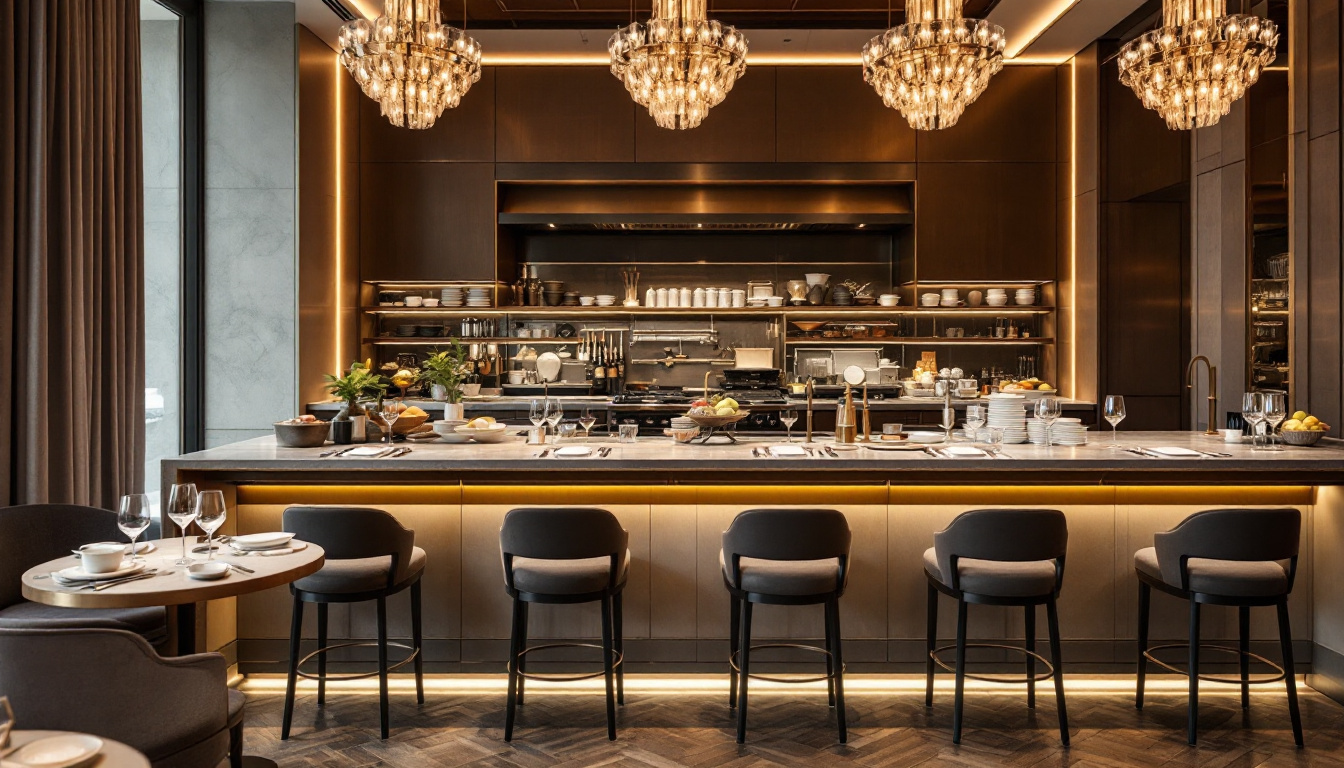
The Den dining room takes the entire ground floor of the Jingumae building — approximately 600 square feet, organised around a single L-shaped wooden counter that takes ten seats and two small tables of two that take the remaining four covers. The counter is a single piece of dark-stained walnut, set against the open kitchen along the west wall. The kitchen is fully visible from every seat in the room.
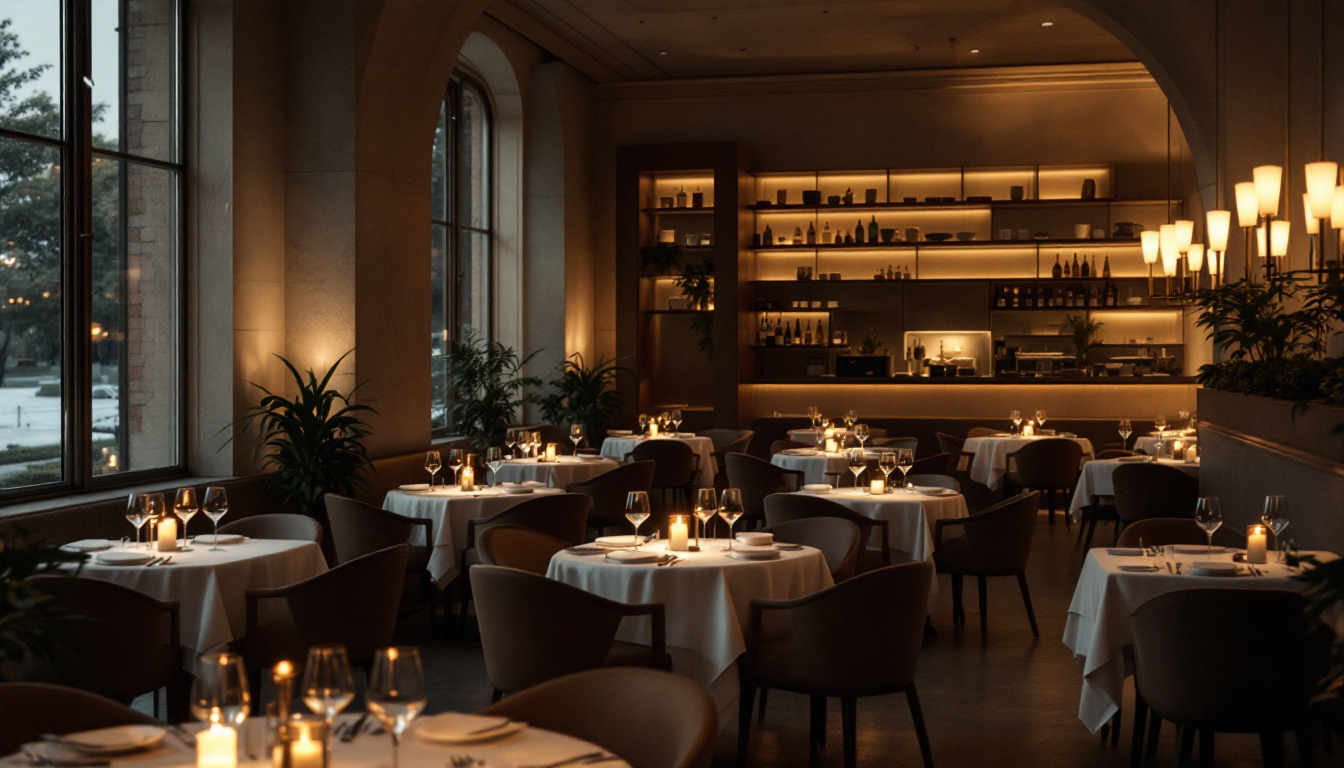
The aesthetic of the room is the deliberate counterpart to the formal kaiseki room — no shoji screens, no tatami, no traditional formal vocabulary at all. The walls are painted a warm cream. The floor is polished concrete. The lighting is dropped from small individual fixtures over each seat. There is no music. The tableware is custom — most of the plates and bowls are by the small Mashiko potter Tsuyoshi Maruyama, with whom Hasegawa has worked since 2010.
Service is led by Emi Hasegawa (the chef’s wife and the operation’s front-of-house manager) with a brigade of three on the floor. The pacing on this evening was excellent — courses arrived at calculated intervals, the conversation at the counter was easy, the wine glasses were refilled at the right moments.
The opening: the Den salad
The opening course at Den is the kitchen’s calling card and has been on the menu in essentially the same form since the original Kanda restaurant opened in 2007. The course is the Den salad — a small glass cup, approximately the size of a champagne flute, containing approximately twenty different seasonal vegetables and edible flowers layered in carefully visible bands. The vegetables on my evening included a single thin slice of daikon, a small piece of grilled lotus root, a single petal of nasturtium from a Tokyo grower, a small piece of cured trout roe, a single piece of grilled snap pea, a small mound of finely shaved carrot, a single piece of yuzu peel, and twelve other small individual components.
The course is meant to be eaten in three or four bites with the small wooden spoon provided. The technical demand on the kitchen is the assembly — each cup is built individually at the pass, with each vegetable placed in a specific position in the glass to be visible at the correct angle from the guest’s perspective. The course is the kitchen’s most precisely composed piece of visual work and is the menu’s clearest announcement that what is to follow will be visually playful as well as technically considered.
The DenTucky box
The course that, more than any other, has defined Den across the past decade is the DenTucky box. The course is the menu’s most photographed single piece and arrives at the centre of the meal, typically as the fourth or fifth course. The format is the kitchen’s deliberate visual riff on the Kentucky Fried Chicken takeaway box — a small white-and-red cardboard box, approximately the size of a child’s KFC kid’s meal, with the words ‘Den Tucky’ printed on the side in the same red typeface as the KFC original.
The box is set down at the centre of the counter in front of each guest with the same theatrical flourish as a fast-food takeaway delivery. The box is opened. Inside is a small portion of the kitchen’s preparation of smoked quail and glutinous rice — the quail breast smoked over binchotan to a deep amber, the rice steamed with the smoked quail bones and finished with a small drop of yuzu, the assembly packaged inside a small square of warm nori. The course is meant to be eaten as a single piece with the hands, KFC-style.
The course is, in the technical sense, an elaborate riff on the Kyoto kaiseki tradition of takikomi gohan (rice cooked with seasonal ingredients) — a tradition that is, in formal kaiseki, presented in a small ceramic bowl with deliberate restraint. Hasegawa’s version takes the same technical preparation and packages it as a piece of deliberate visual humour. The kitchen’s working principle, as Hasegawa has explained in his published interviews, is that the highest expression of cooking is not the seriousness of the presentation but the seriousness of the preparation — the box is a joke, the cooking inside the box is not.
The DenTucky course on this evening was the right temperature, the right depth of smoke on the quail, the right firmness of the rice. The course is the meal’s most-talked-about single piece and, in my reading, the most warmly personality-driven single course at any restaurant in the global top fifty.
The ten other defining courses
The menu’s other ten courses ran through a sequence of mostly small individual preparations.
The second course was a small dish of warm dashi with a single piece of cured trout — the kitchen’s most direct demonstration of the Japanese dashi tradition. The dashi was made from a single batch of Hokkaido kombu and bonito flakes, infused at low temperature for forty minutes, served in a small ceramic bowl with the trout floating at the surface.
The third course was a single piece of grilled sea bream, sourced from the Toyosu market that morning, briefly grilled over binchotan and served with a small mound of grated daikon. The fish was the right temperature, the skin caramelised to a deep amber, the flesh just translucent at the centre.
The fifth course (after the DenTucky) was a small bowl of warm chawanmushi with a single piece of poached crab — the menu’s traditional egg custard course, served in a small covered ceramic bowl.
The sixth course was the menu’s substantial main — a single piece of slow-roasted A4 Hokkaido beef, dry-aged for twenty-one days at the restaurant, served with a small puree of seasonal vegetables and a thin reduction of beef jus. The beef was sourced from a small farm in Hokkaido that Hasegawa has worked with since 2012; the dry-ageing on the loin was the kitchen’s longest piece of preparation; the cooking was a slow roast at 120°C for forty minutes followed by a brief rest before slicing.
The seventh course was the menu’s quietest single piece — a small bowl of warm soba noodles, made in-house from a single batch of Hokkaido buckwheat ground daily by the kitchen’s noodle cook, served in a small dashi broth with a single piece of grilled trumpet mushroom and a small drop of fresh wasabi. The soba was the right firmness, the broth was the right depth, the texture as a whole was the right comfort.
The eighth and ninth courses were small individual single bites — a single piece of cured eel served on a small piece of warm rice, and a small dish of pickled vegetables with a single piece of grilled tofu — and the tenth course was the menu’s transition to dessert, a small dish of yuzu sorbet with a single petal of edible flower.
The eleventh course was the formal dessert — a small composition of warm matcha custard with a single piece of crystallised ginger and a small spoon of red bean paste. The dessert was the kitchen’s quietest piece of plating and was the right close to the meal’s playful arc.
The twelfth and final course was a small bowl of warm hojicha tea, served with a single piece of house-made wagashi (Japanese sweet) shaped like a small persimmon.
The wine and sake
Den’s beverage list is short by international fine-dining standards — approximately 200 references, with roughly sixty percent sake and the remainder a small Burgundy programme, a useful section on biodynamic French wines, and a small handful of Japanese natural wines from the small Yamanashi producer Coco Farm.
The pairing programme is offered as a single all-sake pairing at JPY 13,500 (approximately USD 90) and as a wine-and-sake hybrid pairing at JPY 18,500 (USD 125). I took the wine-and-sake hybrid on this evening. The standout pairings were a 2022 Brand Family Estates Niigata Junmai Daiginjo with the chawanmushi and a 2018 Domaine Roulot Auxey-Duresses with the dry-aged beef. Both were well-judged.
For diners who prefer to drink from the by-the-bottle list, the sake selection is the strongest single category — the cellar carries small allocations from approximately fifteen Niigata and Yamagata producers that are difficult to find at retail elsewhere in Tokyo.
The verdict
Den is the most personality-driven single restaurant in the Tokyo three-star-level scene. The cooking is rigorous; the presentation is playful; the room is warm; Hasegawa himself is the most warmly hospitable chef I have eaten with at this level of the global top fifty. The DenTucky box is the meal’s most-talked-about single course and is the right moment to take the photograph that will define your trip; the Den salad and the chawanmushi and the soba are the courses that, in my reading, demonstrate the kitchen’s quieter technical mastery.
The bill, with the hybrid pairing and tax and service, came to JPY 73,500 (approximately USD 490) per guest. The walk back to the Gaienmae station at 21:08 was the meal’s quiet close. Den is the right Tokyo three-star booking for a serious eater making a first visit to the city, and the right second booking for a returning visitor who has already done one of the traditional kaiseki rooms. The personality of the kitchen is the kitchen’s defining asset; book it once.
Verification
Filed against the following sources, last verified on February 26, 2026. The desk re-checks the source URLs on every dated modification of the piece.
- https://foodle.pro/restaurants/tokyo/5a01d10828564
- https://www.theworlds50best.com/asia/en/the-list/Den.html
- https://www.enprimeurclub.com/guide/the-most-joyful-table-in-japan-den-tokyo-2026-review-inside-the-impossible-2-star-reservation-eve
- https://www.worldofmouth.app/articles/tokyos-best-michelin-star-restaurants
- https://www.theworlds50best.com/discovery/Establishments/Japan/Tokyo/Den.html
Standing Questions
- Where exactly is Den and how do I reach it?
- Den occupies a small two-storey building at 2-3-18 Jingumae, in the Jingumae district of Shibuya ward, central Tokyo. The closest station is Gaienmae on the Ginza line, a five-minute walk south through residential blocks. Harajuku station on the Yamanote line is a twelve-minute walk southwest. The building has a small wooden facade and a noren curtain at the entrance with the kanji 傳 (Den) in white on black; there is no English signage. Taxi from central Tokyo is the right answer for most international visitors — show the driver the address in kanji and they will know it.
- How do I book Den and how difficult is it?
- Bookings open via the restaurant's own reservation system on the first of each month for the month two months ahead — bookings for August 2026 opened on 1 June 2026 at 10:00 Tokyo time and were fully allocated within fifteen minutes. The booking system requires a deposit of JPY 10,000 per guest at the time of booking and a confirmation email within forty-eight hours of the booking window opening. For international visitors who cannot book directly, the Pocket Concierge service (used by most Tokyo concierge desks) typically holds a small allocation for inbound bookings — expect to pay a service premium of JPY 5,000 to 10,000 over the headline menu price. Book three months out at the latest; book four or five months out for a Friday or Saturday evening seat.
- What is the 'DenTucky' course and is it the menu's defining moment?
- DenTucky is Hasegawa's signature single course — a small white-and-red cardboard box, designed to imitate the format of a Kentucky Fried Chicken takeaway box, that arrives at the table containing a small portion of the kitchen's preparation of smoked quail and glutinous rice. The course is the menu's most photographed single piece and has been on the rotation since 2014. The course is, technically, an elaborate riff on the Kyoto kaiseki tradition of takikomi gohan (rice cooked with seasonal ingredients) — the rice is steamed with smoked quail, finished with a small drop of yuzu, and packaged in the takeaway-style box as a piece of deliberate visual humour. It is one of the most personality-driven single courses on any three-star-level menu in the world, and it is the moment of the meal that most diners remember.
- What does the rest of the menu look like?
- Twelve courses across two and a half hours. The structure is loosely kaiseki but is the kitchen's own working format rather than a strict traditional sequence — Hasegawa has been explicit, in his published interviews, that the menu at Den is meant to be the kitchen's own voice rather than a faithful kaiseki replica. Standing courses include the opening 'Den salad' (a layered glass cup of approximately twenty different seasonal vegetables and edible flowers, the kitchen's calling card since 2007), the DenTucky box, a small course of grilled fish over binchotan, and a closing course of warm soba noodles. The menu rotates with the seasons and the printed menu given to the table is the menu of the day.
- Is the meal worth the international flight?
- For serious eaters with an interest in modern Japanese cuisine, yes. Den is the most personality-driven single restaurant in Tokyo and is the clearest expression of the contemporary Japanese chef's freedom from the strictures of the traditional kaiseki framework. Hasegawa is, in my reading on multiple visits since 2017, the single most warmly hospitable chef in the global three-star-level scene — the meal feels less like a fine-dining tasting than like an evening at a friend's house who happens to cook at a very high level. Combine the visit with a separate Tokyo three-star (the Sushi Saito review elsewhere on this desk, for example) and a couple of nights at the Aman or the Hoshinoya to make the trip worth the flight.