I have been writing about Barcelona’s fine-dining scene for long enough to remember the city’s awkward post-elBulli years — the period from 2011 to roughly 2018 when the closure of Ferran Adrià’s room in Cala Montjoi left a vacuum in the global avant-garde food conversation that no single Barcelona restaurant was able to fill. The first answer to the vacuum, opened on a narrow Eixample side street in December 2014 by three of the most senior cooks from the elBulli brigade, was not initially treated as a serious candidate to inherit the Adrià mantle; the room was small, the cooking was playful in a way that the international press read as derivative, and the three chef-owners were not yet individually famous. The room took ten years to walk the path from its opening in 2014 to its naming as the World’s Best Restaurant at the 50 Best ceremony in Las Vegas on June 5, 2024. The path was, in retrospect, the most coherent ten-year arc in modern global fine dining.
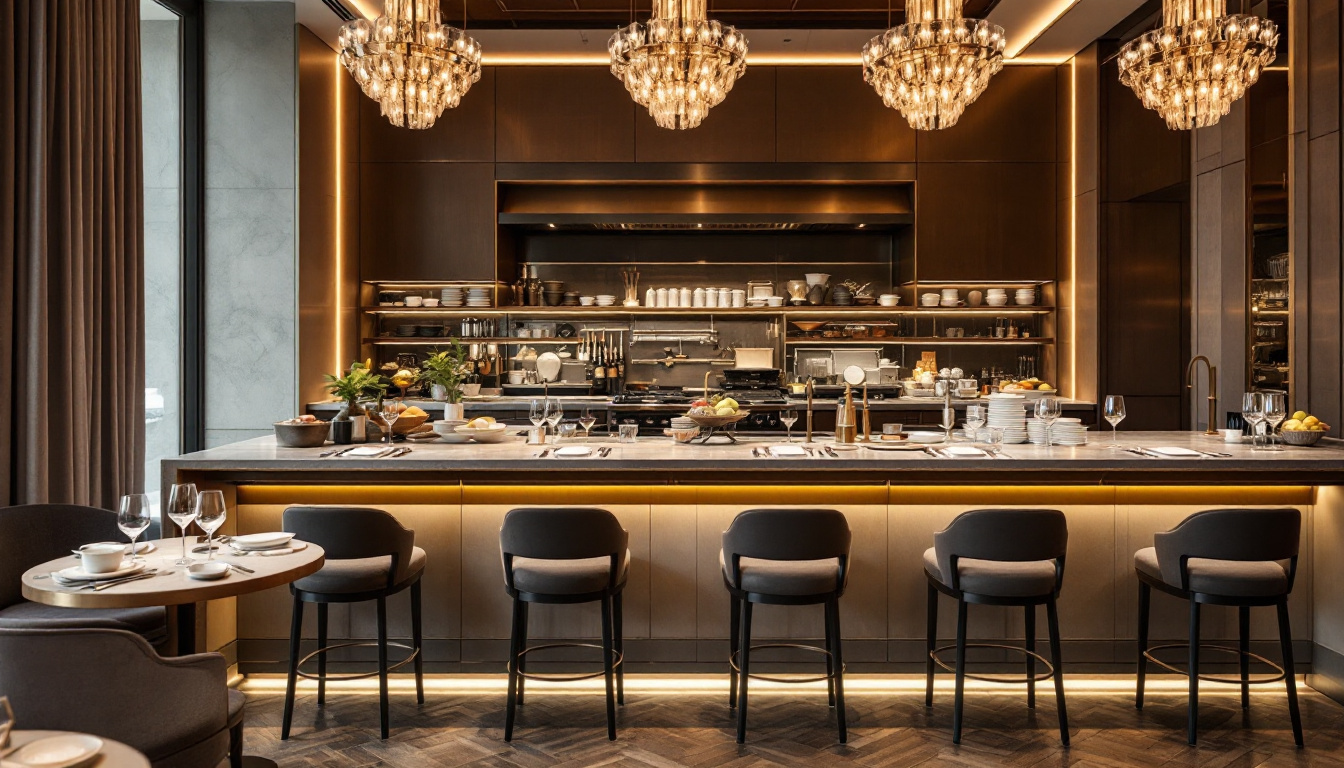
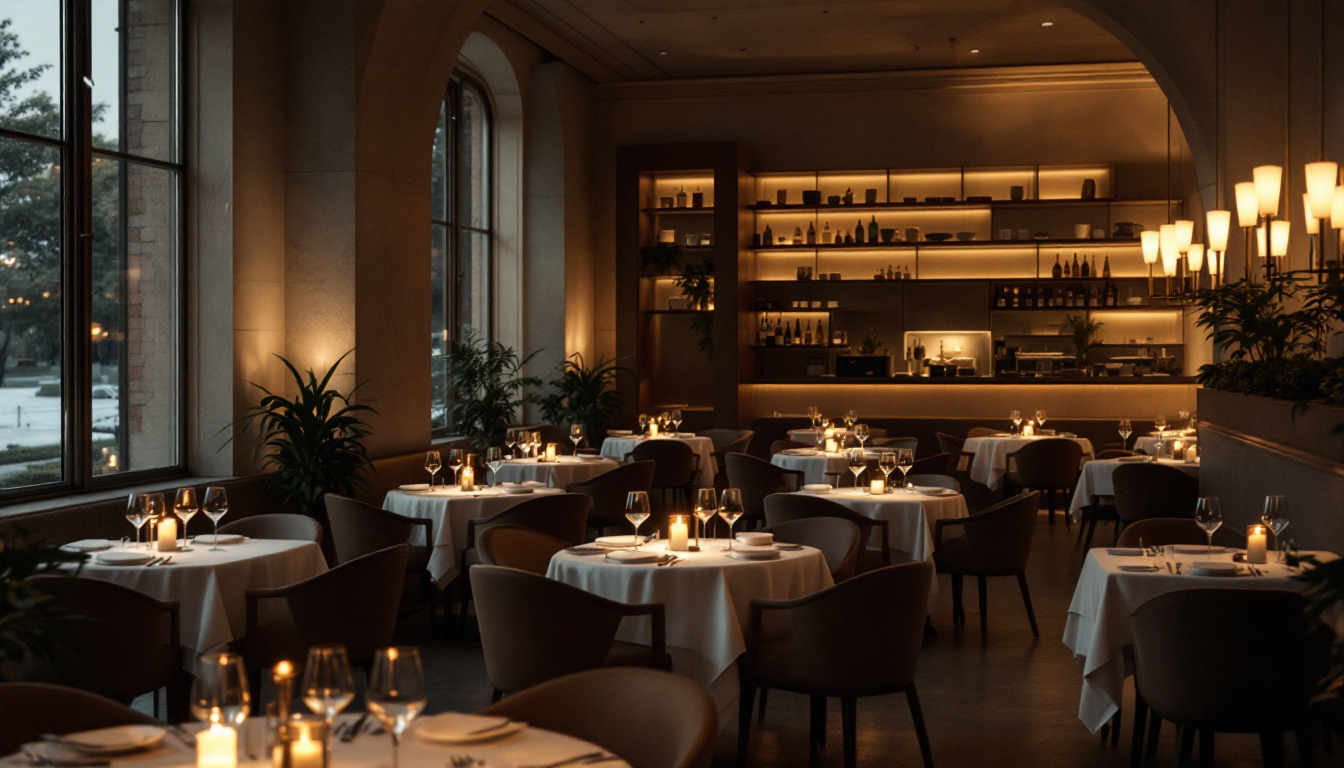
I sat at table seven on a Wednesday evening in late February 2026, a four-top against the southern wall of the small dining room with a partial sight line to the kitchen pass, having walked the eight minutes from the Almanac Barcelona through the Eixample streets in a mild winter evening. The room — narrow, perhaps thirty seats across the main dining floor and another four at the Living Table private alcove at the back of the kitchen — is unchanged in its essential architecture since the 2022 refresh, when the owners reworked the lighting, the table fittings, and the kitchen window without disturbing the underlying shell. The walls are washed white with a series of small ceramic art pieces from a Catalan studio the chefs have worked with for nine years. The flooring is grey terrazzo. The lighting is low and warm. The tables are set with a small handful of glassware from a Mallorcan producer.
The chefs
Oriol Castro, Eduard Xatruch, and Mateu Casañas worked together in the elBulli kitchen for fifteen years. Castro joined in 1996 as a junior cook and rose to head chef of the savoury kitchen by 2003; Xatruch joined in 1997 and ran the room’s research and development programme from 2007 to 2011; Casañas joined in 1996 and ran the pastry kitchen from 2002 to 2011. The three were the senior brigade for the final five years of elBulli’s operation and were, in Ferran Adrià’s own assessment in subsequent interviews, the operational core of the kitchen during its World’s 50 Best dominance period from 2002 through 2009.
After the elBulli closure in July 2011 the three opened, first, the Compartir restaurant in the small Costa Brava town of Cadaqués in 2012 — a more casual venue, on the model of the elBulli Hotel — and then Disfrutar in Barcelona in December 2014. The Barcelona room took its first Michelin star in the 2015 guide, the second in the 2018 guide, and the third in the 2024 Spain & Portugal guide (announced in November 2023, ahead of the 2024 50 Best announcement). The 50 Best No. 1 designation in June 2024 was the culmination of a steady upward arc in the rankings: the room debuted at No. 19 in 2018, climbed to No. 9 in 2019, took No. 5 in 2021, No. 3 in 2022, No. 2 in 2023, and No. 1 in 2024. The Hall of Fame entry in 2025 — under the 50 Best rule that excludes the previous year’s No. 1 from future rankings — removed the room from active competition and freed the kitchen to cook without the institutional weight of the ranking system.
The three owners are at the kitchen pass for most services. Castro tends to work the savoury station; Xatruch tends to work the front of the pass and the service flow; Casañas runs the pastry kitchen from the back. The kitchen brigade is approximately twenty-five. The service team is approximately fourteen.
The opening sequence
The meal opens with a long sequence of small bites — eight to ten across the first thirty-five minutes — that establish the kitchen’s working idiom and that contain most of the room’s most-photographed individual pieces. The opening section is the part of the menu that has the most direct connection to the elBulli tradition: the bites are conceptually playful, technically dense, and intended to land in the mouth as a series of small surprises rather than as straightforward food.
The first bite on my evening was the kitchen’s signature opener since the room’s first year — the “Multispherical Pesto,” a small flat plate carrying twelve transparent spheres of basil-and-olive-oil pesto produced through the kitchen’s reverse-spherification technique. The spheres are eaten with the fingers, in sequence, in a single mouthful per sphere. Each sphere bursts on the tongue and releases the warm pesto liquid into the mouth. The technique is the elBulli reverse-spherification process (a sodium alginate gel encasing a calcium chloride solution, the chemistry inverted from the original 2003 spherification process); the dish has been the room’s opening signature since the December 2014 launch.
The second bite was the “Frozen Pesto Sandwich” — a thin layer of liquid pesto trapped between two crisp wafers of dehydrated tomato, frozen at -18 degrees, served with a single drop of olive oil. The third was a small piece of warm flatbread topped with a single piece of cured Iberian ham (Joselito Gran Reserva, the kitchen’s longstanding supplier). The fourth was the “Caviar Reverse” — a small mound of dehydrated and powdered black olive arranged on a plate to look like a serving of caviar, dressed with a small spoonful of trout roe in the centre. The fifth was a single warm bite of grilled prawn from a Costa Brava supplier the kitchen has worked with for eight years. The sixth was a small composed plate of three small bites — a pickled almond, a small piece of Mahón cheese, and a single bite of cured tuna — served as a midpoint pause before the second wave of openers.
The seventh through tenth bites were the more technically experimental of the opening sequence — a small dish of dehydrated pesto presented as a single crisp leaf, a small bowl of cold almond consommé with a single piece of compressed melon, a small bite of slow-cooked octopus, and the kitchen’s signature “Frozen Egg” (a small sphere of seasoned egg yolk frozen at low temperature and served with a small dab of caviar at the centre). The opening section runs to roughly thirty-five minutes and is the kitchen’s principal demonstration of technique.
The middle sequence
The principal savoury courses began at approximately 20:25 and ran through twelve dishes across the next ninety minutes. The middle of the meal is where the kitchen does its most technically interesting work — the courses are smaller and more focused than the opening bites, and the cooking is more closely tied to specific Spanish and Catalan ingredient traditions.
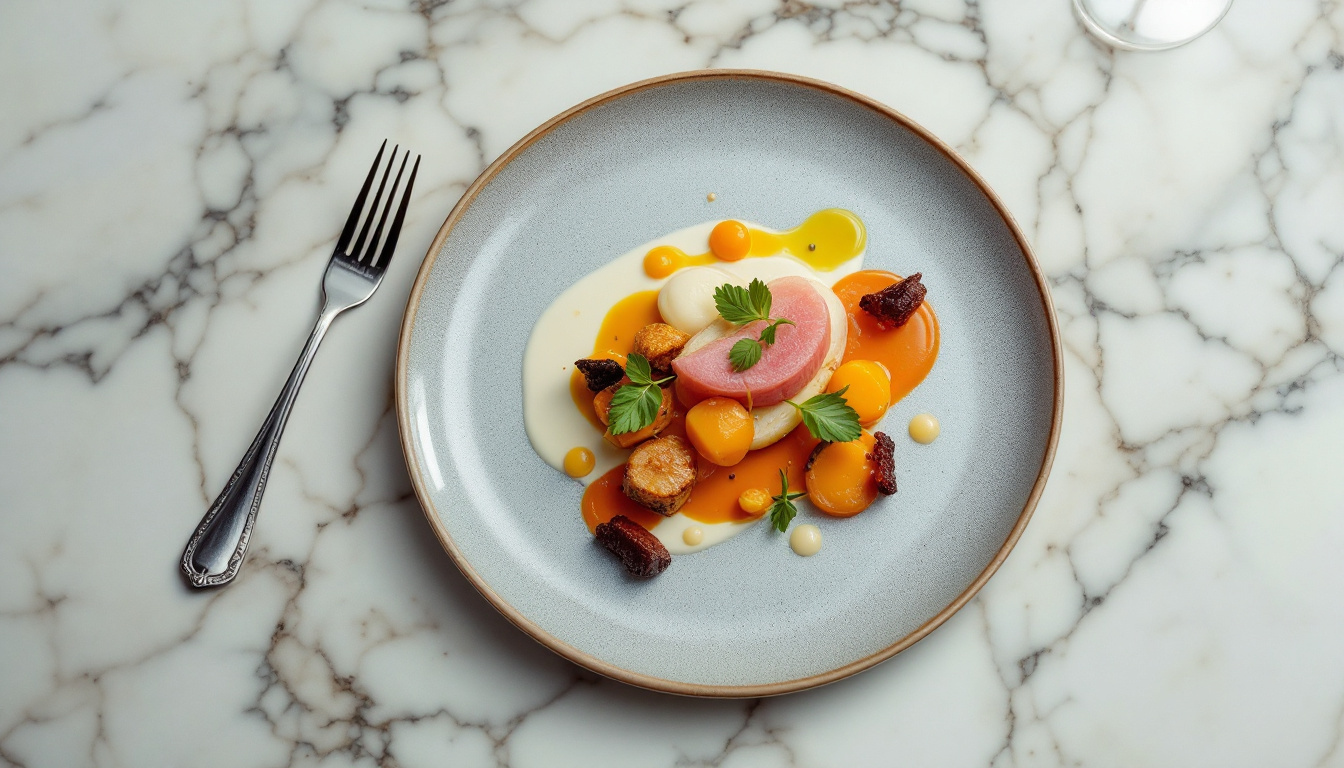
The opening principal was a small bowl of warm consommé of grilled tomato — the tomato roasted in the wood oven, the consommé clarified through a raft of egg white, served at exactly 65 degrees — with a single piece of grilled langoustine and a small spoonful of caviar from a Catalan sturgeon farm. The second was a small slice of cured turbot from a Galician supplier, dressed with a sauce of fermented carrot. The third was the kitchen’s signature “Russian Salad in Pieces” — the elBulli-derived deconstruction of the classic Spanish ensaladilla rusa, presented as a small composed plate of perfectly diced root vegetables with a single quenelle of cultured mayonnaise.
The fourth through eighth principals worked through the kitchen’s seafood pantry: a small piece of grilled prawn with a sauce of pickled spring onion, a single piece of warm seared sea bass from a Mediterranean supplier, a small bowl of pearl barley risotto with a single shaving of black truffle from a producer the chefs have used since 2018, a small piece of slow-cooked monkfish, and a single piece of grilled scarlet shrimp from Palamós. The ninth was the kitchen’s working centre of the meal — a small piece of dry-aged rib-eye from a Catalan supplier, grilled over olive-wood coals and dressed with a single spoonful of preserved sherry vinegar reduction. The tenth was a small composed cheese course (a single bite of Catalan Garrotxa with a small dab of preserved quince). The eleventh was the room’s signature “Panchino” — a small filled brioche, the bread fried to order, the filling cured Iberian ham and a single piece of preserved truffle. The twelfth was a small palate-cleansing course of preserved citrus with a single dab of fermented honey.
The dessert sequence
The dessert programme is the kitchen’s most distinctive single section and is, on the evidence of three visits across the post-2018 era, one of the strongest pastry programmes in Europe. Mateu Casañas runs the kitchen personally. The sequence runs eight bites across forty-five minutes.
The opening dessert was the room’s most-photographed individual piece — the “Pichi Pichi” — a single small sphere of melted pisco-and-citrus cream served on a plate with a small dab of dehydrated raspberry. The second was a small bowl of warm chocolate consommé with a single quenelle of crème fraîche ice cream. The third was the kitchen’s longest-running pastry signature, the “Frozen Gin-Tonic” — a small composed plate of frozen gin-and-tonic spheres with juniper-berry foam and a single twist of lime peel. The fourth was a small composed plate of preserved spring strawberry with a single quenelle of olive-oil ice cream. The fifth was a single warm madeleine. The sixth, seventh, and eighth were a small petits-fours sequence of three chocolates from a Madagascan single-origin programme.
The wine
The cellar is run by sommelier Ruben Pol (with the room since 2017) and is built around the chefs’ longstanding relationships with a small group of Spanish producers — Equipo Navazos for sherry, Comando G for Gredos garnacha, Sara Pérez and the younger René Barbier for the Priorat, Raúl Pérez for the Bierzo — supplemented by a tight selection of grower Champagne and a small but serious Burgundy programme. The list runs approximately 1,800 bins. The Spanish weighting is heavy and is, in my view, the most coherent Spanish wine programme of any three-star room in the country.
The standard pairing at EUR 175 is the right answer for most guests. The premium pairing at EUR 295 adds a series of older sherries and a small selection of Burgundy whites. The non-alcoholic pairing at EUR 95 is built around fermented juices and is genuinely serious.
The Hall of Fame year
The room is, in mid-2026, in its first full year operating as a Hall of Fame restaurant — exempt from the active 50 Best rankings, removed from the institutional pressure of defending a podium position, and free to focus on the cooking without the marketing weight of the ranking cycle. The effect on the kitchen, on the evidence of my February 2026 visit and on a conversation I had with Xatruch at the end of the service, has been releasing rather than destabilising. The chefs are, by their own account, working on a longer creative horizon than they were in the run-up to 2024; the menu is being developed in twelve-to-eighteen-month cycles rather than the six-month cycles that were standard through the 2022-2024 ranking sprint.
The cooking, on the evidence of a Wednesday in late February, is at the strongest creative point I have observed in the room. The technical level — the spherification and gelification work, the dehydrated and frozen preparations, the precision of the dashi and consommé clarifications — is at the global frontier. The Spanish ingredient focus is more pronounced than it was during the 2022-2024 menu. The pastry programme has tightened. The wine pairing has shifted naturally further into the Spanish register. The room is, in my working view, the strongest single dining argument Spain is currently making — and is, for a guest who is making one European three-star booking in 2026, near the top of the working list.
The 50 Best Hall of Fame designation does not diminish the room; it removes a constraint. The reservations remain hard to land. The room runs near full capacity in every service. The booking window closes within fifteen minutes for prime weekend dates. The cooking, freed from the institutional pressure of defending the No. 1 spot, is doing some of the most interesting work in European fine dining.
Standing Questions
- How do I book?
- Reservations open three months in advance at disfrutarbarcelona.com on the first day of each month at 10:00 Central European Time. Weekend services close within ten to fifteen minutes; Tuesday through Thursday evenings hold availability for several hours. Full prepayment is required. A separate three-month wait list operates for cancellations and is worth joining for prime dates. The Living Table — the private chef's room at the back of the kitchen, four covers — opens its own booking window approximately four months in advance and is significantly harder to land.
- What does the menu structure look like?
- A single Festival tasting menu, no à la carte, no choices, no substitutions. The current menu runs approximately thirty-two small courses across three and a half hours. The structure follows the kitchen's working idiom from the elBulli tradition — a long opening sequence of small bites built around playful technical conceits (the 'Multispherical Pesto,' the 'Frozen Pesto Sandwich,' the 'Caviar Reverse'), a smaller middle section of more substantial savoury dishes, and a long dessert sequence (six to eight bites) that is the kitchen's most distinctive single section. The kitchen will accommodate severe allergies with notice; please flag at booking rather than the table.
- Which pairing?
- Take the wine pairing. The cellar — run by sommelier Ruben Pol since 2017 — is built around the kitchen's longstanding relationships with small Spanish producers (Equipo Navazos in Jerez, Comando G in Gredos, Sara Pérez and René Barbier the younger in the Priorat) supplemented by a tight selection of grower Champagne. The standard pairing runs ten glasses at EUR 175. The premium pairing — heavier on Burgundy and on aged sherries — runs EUR 295. The non-alcoholic pairing at EUR 95 is built around fermented juices and garden distillates and is genuinely serious.
- Is Compartir Barcelona worth visiting on the same trip?
- Yes. Compartir Barcelona, the sister restaurant the same three owners opened in 2022 on the Carrer Maria Aurèlia Capmany in Poblenou, is the right answer for a guest who wants a second meal in the chefs' kitchen vocabulary at a lower price point and a more relaxed format. Compartir runs an à la carte menu of approximately twenty-five small plates at EUR 18 to 38 per dish, with most tables ordering eight to ten plates. Reservations open one month in advance; bookings are easier than at Disfrutar. The cooking is the lower-stakes form of the Disfrutar idiom.
- Where do I stay?
- The Hotel Casa Fuster (at the top of the Passeig de Gràcia, twelve minutes by taxi to Villarroel) is the right answer for a one- or two-night Barcelona stay. The Almanac Barcelona (on the Gran Via de les Corts Catalanes, ten minutes by taxi) is the right answer for a more modern hotel. The Mandarin Oriental Barcelona is fine but is fifteen minutes further from the restaurant in working evening traffic. Avoid the Gothic Quarter hotels for an Eixample dinner; the taxi from the old town to Villarroel can run twenty-five minutes on a Friday evening.