I had a 21:00 reservation at Don Julio on a Saturday in mid-May 2026, the late seating after the Buenos Aires evening had begun to fill the surrounding Palermo blocks. I walked from the Home Hotel Buenos Aires on Honduras Street through the small grid of Palermo streets in the soft Buenos Aires autumn evening, arriving at the corner of Guatemala and Gurruchaga at 20:52. The restaurant building, in the dim street light, was a single-storey converted family house with a small unsigned wooden facade at the corner. The maître d’, a tall Argentine man in his early fifties named Federico Garrido (who has been at the restaurant since 2008), met me at the front door and walked me through the small dining room to a table at the back.
Don Julio is the working parrilla of Pablo Rivero, who opened the restaurant in 1999 at the age of twenty-two. Rivero comes from a family of cattle ranchers in the Argentine Pampas — his father and grandfather both raised grass-fed beef on a small estate west of Buenos Aires — and he opened Don Julio with the explicit intention of bringing the small-producer grass-fed Argentine beef tradition to a Buenos Aires dining-room context. The restaurant was named after the local landowner whose family house had occupied the corner property before its conversion to the restaurant.
The early years at Don Julio were the conservative Buenos Aires neighbourhood parrilla — a small local restaurant serving traditional Argentine grilled-beef cuts to the surrounding Palermo neighbourhood. The pivot to the contemporary international fine-dining profile came across the late 2000s and 2010s, as the small-producer-and-grass-fed framework that Rivero had built across his first decade became recognised internationally as a distinct approach to the Argentine beef tradition. The restaurant entered the World’s 50 Best Restaurants list in 2018 at No. 55 (just outside the top fifty), entered the top fifty in 2019, reached No. 13 in 2022, and was at No. 14 in 2024. The 2025 World’s 50 Best list moved Don Julio to its Hall of Fame category, recognising sustained excellence. The Michelin Argentina guide — Michelin’s first edition of coverage of the country, released in 2024 — awarded Don Julio one Michelin star plus a Green Star for sustainability. The Best Steak Restaurants ranking elevated Don Julio to its inaugural Hall of Fire category in 2026 after three consecutive years at the No. 1 global position.
The kitchen is, in 2026, the most decorated single steakhouse in the world. I am writing this review four days after the meal.
The room
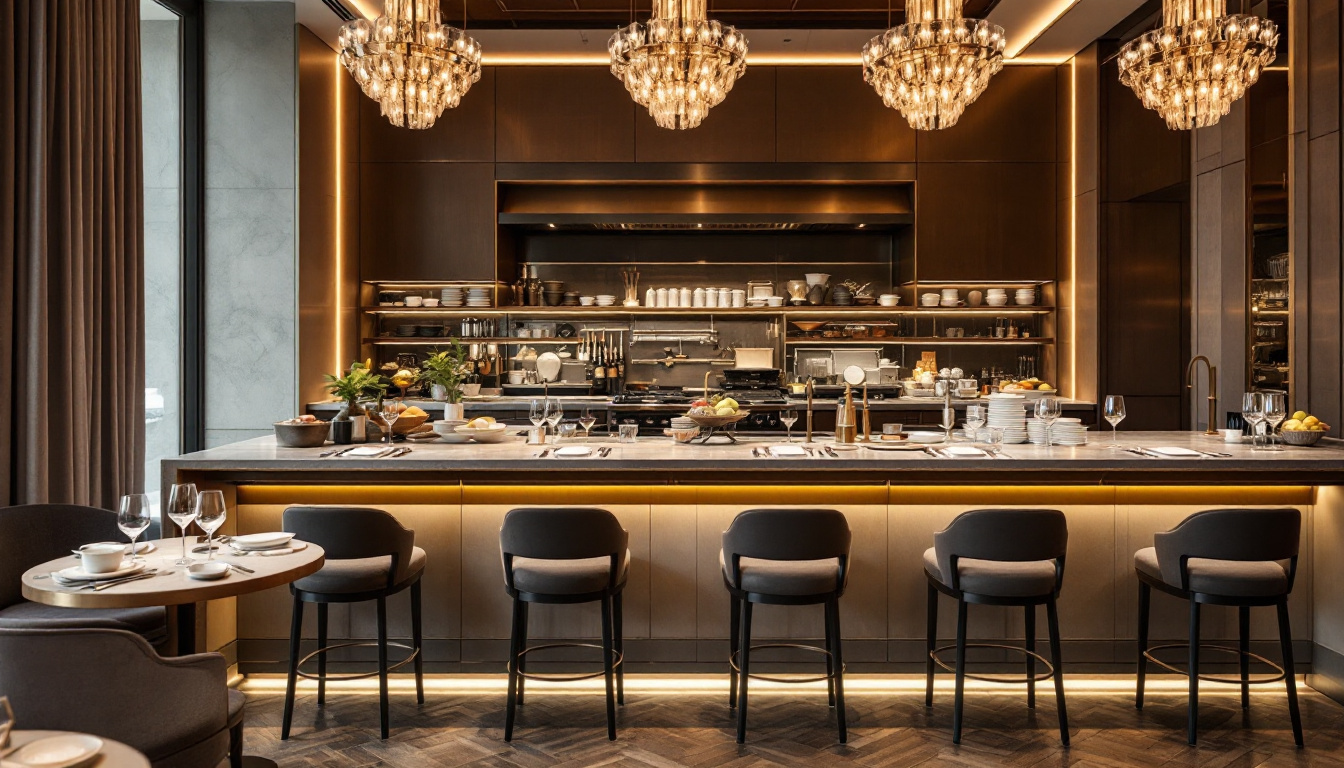
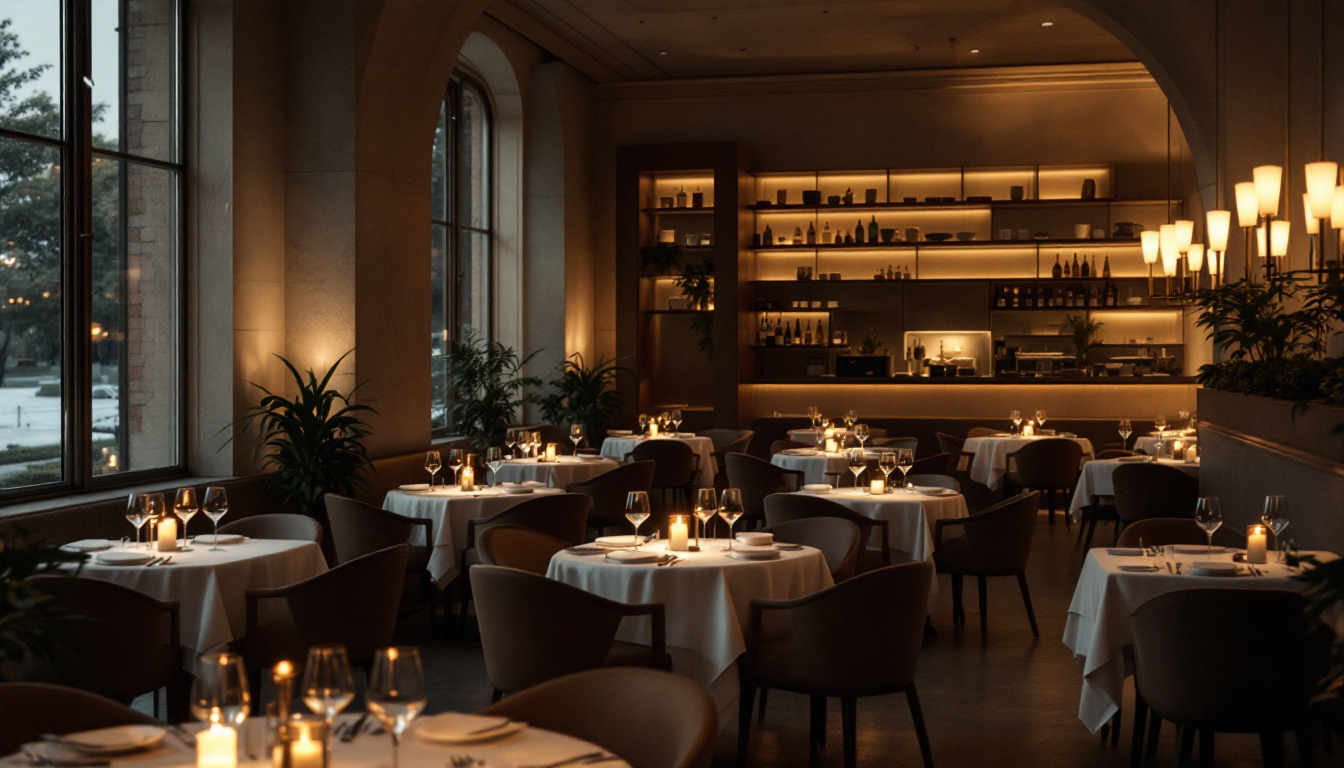
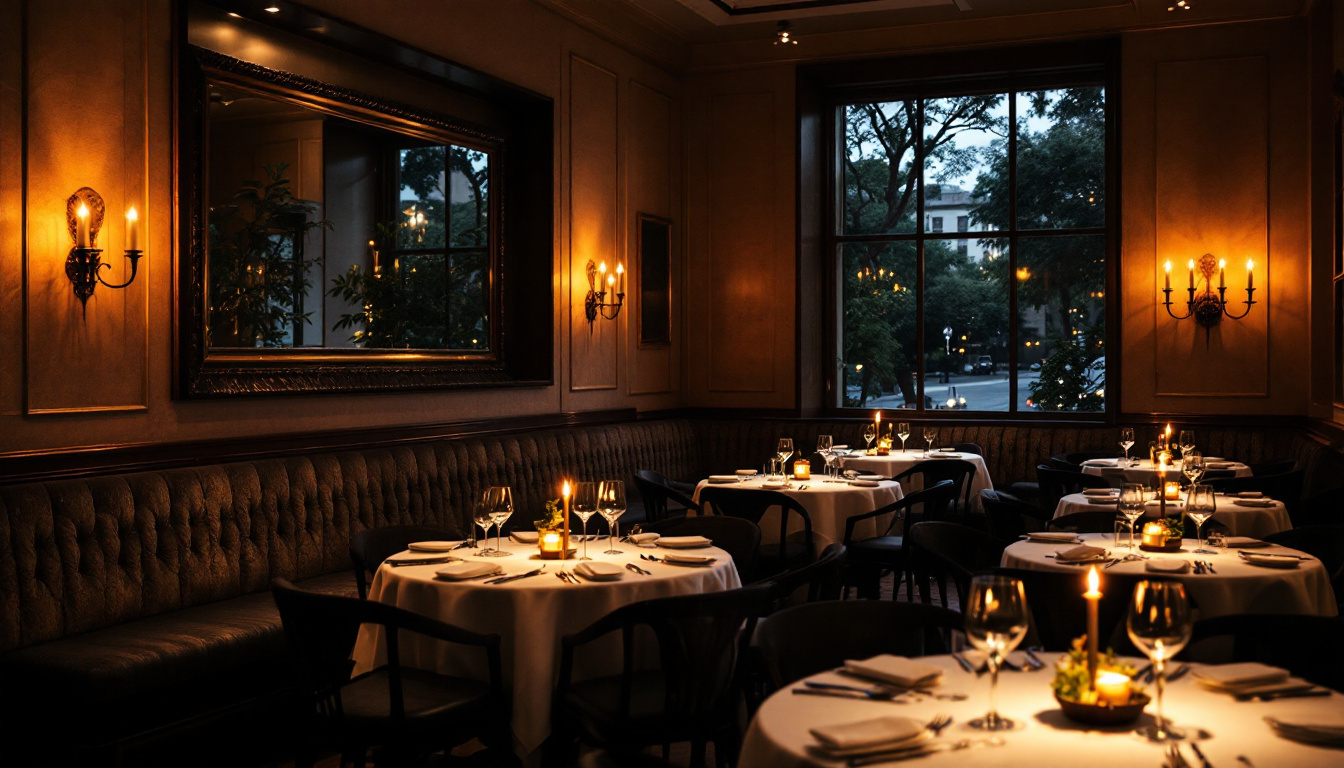
The Don Julio dining room takes the ground floor of the converted family house — approximately 1,800 square feet, organised in three small connected rooms (a front room of six tables at the corner, a middle room of eight tables along Guatemala Street, a back room of six tables looking onto a small interior courtyard). The aesthetic is the deliberate traditional Argentine vocabulary that Rivero has retained through multiple renovations: warm cream walls covered in approximately 1,200 individual handwritten signatures (the restaurant’s tradition is for diners to sign their wine bottles, and the empty bottles are displayed on shelves around the room as a running visual record of two decades of service), simple wooden furniture, paper tablecloths over white linen, low warm lighting from small individual sconces.
The room takes approximately seventy covers across twenty tables. Service is led by Federico Garrido with a brigade of ten on the floor for the Saturday evening service. The pacing on this evening was the deliberately unhurried Buenos Aires standard — the city’s dining culture organises around a long post-dinner sobremesa (after-dinner conversation), and the floor team is calibrated to let the table set its own rhythm rather than push for a calculated service tempo. Courses arrived across approximately two hours and thirty minutes; the post-meal sobremesa added another forty-five minutes.
The room’s defining piece of architectural detail is the visible parrilla at the back of the dining room — a large traditional Argentine wood-burning grill, approximately ten feet wide, with the active fire visible from most tables in the room. The parrilla is the kitchen’s most direct piece of theatre — the cooking happens visibly across the meal, and the slow roast of the larger cuts (the asado de tira, the cordero) is the visible background of the dining room across the evening.
The opening
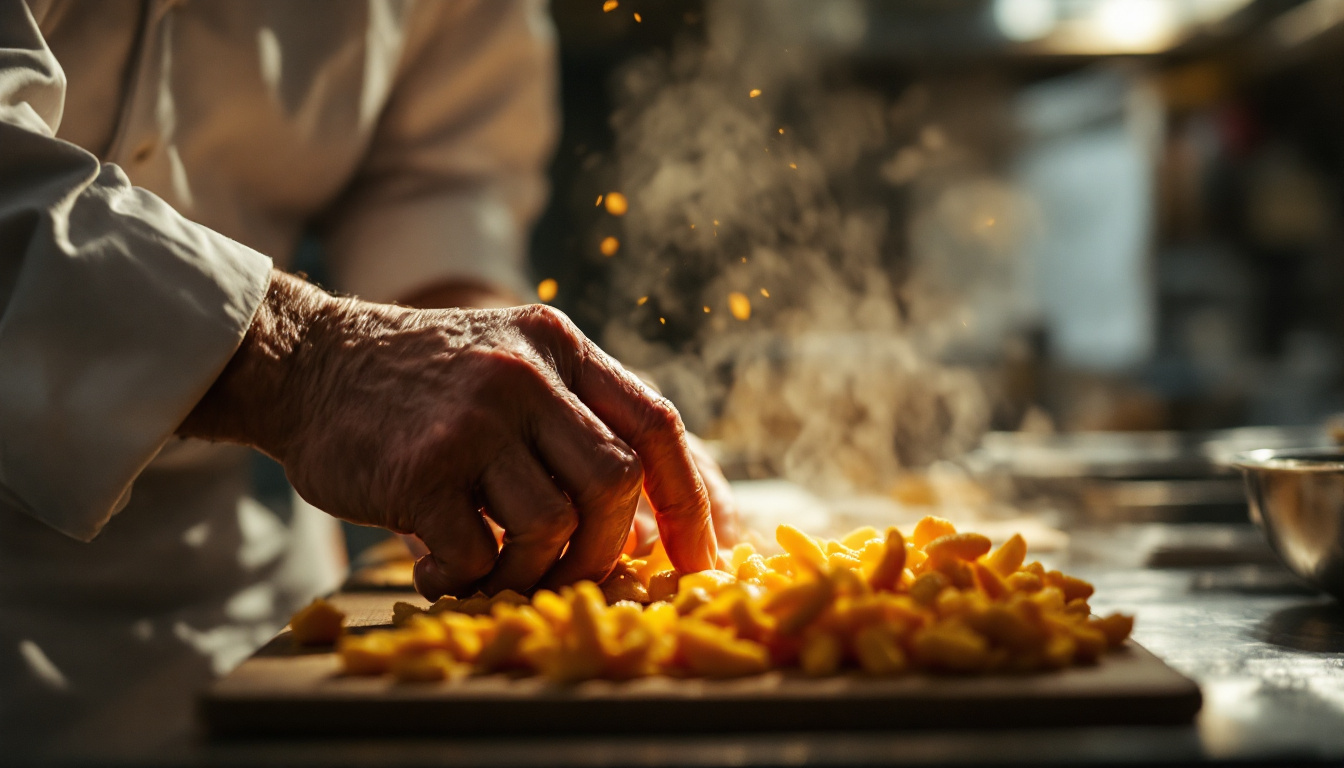
The opening course of the meal was the kitchen’s standing opener — the provoleta. The course is a single small individual cast-iron skillet containing a piece of provolone cheese (sourced from a small Argentine producer the kitchen has worked with since 2002), placed directly on the parrilla and grilled until the surface caramelises to a deep amber crust while the interior remains molten. The skillet arrives at the table directly from the grill, with the provolone still bubbling at the surface, alongside a small basket of grilled bread and a small bowl of chimichurri.
The course is the kitchen’s most direct statement of the working framework — the parrilla is the cooking instrument, the local Argentine ingredients are the source, the traditional preparation is the format. The provoleta on this evening was the right melt, the right surface caramelisation, the right depth of the chimichurri. The course was the meal’s quietest piece of work and was the right opening to the heavier courses to follow.
The mollejas
The course that, more than any other, has defined Don Julio in the international food press is the mollejas — the grilled sweetbreads. The course is a small individual plate containing approximately 150 grams of veal sweetbreads, briefly poached in a small court-bouillon, then grilled over the parrilla until the exterior caramelises to a deep amber crust while the interior remains creamy. The plate arrives with a single small wedge of lemon and a small mound of grey salt.
The sweetbreads were sourced from a small slaughterhouse in the Argentine Pampas the kitchen has worked with since 2003. The veal was approximately twelve weeks old at slaughter, raised on a small grass-fed operation outside the town of Mercedes (ninety minutes west of Buenos Aires). The mollejas arrived at the kitchen as whole sweetbread glands and were broken down into individual pieces by the kitchen’s grill cook before the day’s service.
The course was, on this evening, the most precisely cooked single piece of the meal. The exterior caramelisation was the right depth — neither too dark (which would have rendered the sweetbreads bitter) nor too light (which would have left the interior cold). The interior was the right creamy texture — the gland’s natural cream had been preserved across the brief poaching, and the high-heat grilling had set the exterior without overcooking the interior. The lemon and salt at the side were the only kitchen contributions; the cooking was the cooking.
The bife de chorizo
The centrepiece of the meal was the bife de chorizo — the traditional Argentine sirloin steak, the working national steak format. The course was a single 400-gram cut, sourced from a small grass-fed producer in the western Pampas (the same producer that supplies the kitchen’s primary beef programme), aged for forty-five days in the kitchen’s own dry-ageing room, grilled over the parrilla to a deep crust on the exterior and a perfectly rare interior.
The cut was the kitchen’s most direct demonstration of the framework that has defined Rivero’s career — small-producer grass-fed Argentine beef, treated with traditional parrilla technique, served without supplementary sauce. The bife arrived at the table on a single wooden carving board with a small mound of grey salt and a small bowl of chimichurri at the side. The cut was sliced by the floor team in front of the table, in pieces approximately one centimetre thick.
The flavour was, on this evening, the most direct expression of the Argentine grass-fed tradition I have eaten at any kitchen. The beef carried the deep mineral-and-grass flavour that grass-fed Argentine cattle produce when raised on the western Pampas grasslands — distinctly different from the more marbled and richer flavour of grain-finished American or Wagyu beef, and arguably the more interesting flavour for a serious eater who wants to taste the actual character of the cattle’s life. The dry-ageing on the cut contributed depth without dominating the natural flavour; the parrilla cooking contributed the smoke and the crust without overwhelming the interior. The combination was the kitchen’s most direct expression of what the Argentine beef tradition is at its current top.
The other defining courses
The asado de tira — the traditional Argentine short-rib cut, grilled over the parrilla for approximately ninety minutes — was the meal’s second-most-discussed single piece. The cut arrived at the table as a single long strip approximately three centimetres wide, with the bone running along one side and the fat cap along the other. The strip was sliced into individual rib portions by the floor team. The slow grill across ninety minutes had rendered the fat to a deep crust while the meat itself remained tender at the rib bone. The course is one of the kitchen’s longest-standing single pieces and is the most direct expression of the parrilla’s working method on a larger cut.
The grilled vegetables — a small platter containing grilled zucchini, grilled red pepper, grilled eggplant, and grilled spring onion, dressed with a small drop of estate olive oil and a small mound of grey salt — were the kitchen’s quietest piece of supporting work. The vegetables were sourced from a small market gardener in the Pampas west of Buenos Aires the kitchen has worked with since 2010. The grilling was over the same parrilla as the meat, with the vegetables placed at the cooler edges of the grill for the appropriate temperature.
The salad — a simple small green salad of butter lettuce, tomato, and red onion, dressed with a small vinaigrette of olive oil and red-wine vinegar — was the kitchen’s most direct expression of the Argentine working tradition that the salad is the quiet refresher between the heavier protein courses rather than the centrepiece of the meal.
The wine
The wine list at Don Julio runs to approximately 2,200 references and is one of the deepest Argentine wine programmes in the country. The list is heavily weighted toward Mendoza Malbec (the cellar carries verticals from the major producers — Catena Zapata, Achaval-Ferrer, Bodega Aleanna — across multiple decades) and the smaller Patagonian wine programme that has developed across the past two decades (the cellar carries deep allocations from the Rio Negro producers Bodega Chacra and Familia Schroeder). The list is run by sommelier Pablo Wilson, who has been with the operation since 2006.
The 1,200 individual handwritten signatures on the empty wine bottles displayed around the dining-room walls are the visual record of two decades of significant cellar bottles consumed at the restaurant — the tradition is for diners who order a particularly special bottle to sign it after consumption, and the bottle is then displayed on the shelves as part of the room’s running visual record.
I ordered a 2018 Catena Zapata Adrianna Vineyard River Stones Malbec — the cellar’s most-recommended single bottle for the bife de chorizo course at the 2026 vintage release — for USD 240. The bottle was the right wine for the cut; the deep blackberry-and-graphite flavour of the Adrianna Vineyard Malbec was the right counterpoint to the grass-fed Argentine beef.
The verdict
Don Julio is the most consequential single steakhouse in contemporary global fine dining and is, in my reading, the most fully developed expression of the Argentine parrilla tradition at the contemporary international level. The small-producer-and-grass-fed framework is genuinely Rivero’s own contribution to the global steak scene. The mollejas is the meal’s most precisely cooked single piece. The bife de chorizo is the meal’s most direct expression of the working tradition. The Hall of Fire designation is the global steak scene’s recognition that the kitchen has held the top position long enough that conventional ranking competition no longer captures what it is doing.
The bill, for the meal as described with the Catena Adrianna Malbec and service, came to USD 285 per guest. The walk back to the Home Hotel through the late-night Palermo streets at 00:42 was the right close to the meal. The Buenos Aires autumn night at midnight in Palermo is alive — the surrounding bars and restaurants are filling for their late-night peak, the streets are busy with the city’s characteristic late-evening culture.
Don Julio is the right Argentine dining-room booking for a serious eater making a first visit to Buenos Aires and is, by reputation and by current cooking, the most consequential single contemporary expression of the Argentine beef tradition. Book the dinner thirty days ahead; arrive with the willingness to engage with the parrilla framework on its own terms.
Verification
Filed against the following sources, last verified on March 15, 2026. The desk re-checks the source URLs on every dated modification of the piece.
- https://www.theworlds50best.com/discovery/Establishments/Argentina/Buenos-Aires/Don-Julio.html
- https://www.theworlds50best.com/the-list/don.html
- https://es.wikipedia.org/wiki/Don_Julio_(restaurante)
- https://www.lanacion.com.ar/que-sale/sin-parrillas-argentinas-en-el-top-10-de-worlds-best-steak-restaurants-2026-por-que-quedo-afuera-don-nid26032026/
- https://www.latercera.com/finde/noticia/como-es-don-julio-la-parrilla-argentina-elegida-por-tercera-vez-como-la-mejor-del-mundo/
Standing Questions
- Where is Don Julio exactly and how do I reach it?
- Don Julio occupies the corner of Guatemala and Gurruchaga in the Palermo district of Buenos Aires, a forty-minute walk or fifteen-minute taxi ride north of central downtown. Palermo is the bohemian district of the city — bars, boutiques, small restaurants, and street art define the surrounding blocks. The restaurant building has a small unsigned wooden facade at the corner; the building was a family house owned by the original landowner (the eponymous Don Julio) and converted to a restaurant in 1999. The closest subway station is Plaza Italia (Line D), a fifteen-minute walk south. Taxis and Ubers run reliably from any central Buenos Aires hotel.
- What does the menu actually look like and what does it cost?
- Don Julio is an à la carte parrilla — the traditional Argentine grilled-beef format, served with a small selection of grilled vegetables, fresh salads, and chimichurri. There is no tasting menu. The headline cuts are the bife de chorizo (sirloin steak, the working Argentine standard), the ojo de bife (rib eye), the entraña (skirt steak), the asado de tira (short rib), and the mollejas (sweetbreads — the kitchen's most-discussed single dish). Standing cuts run USD 35-65 per cut at 2026 rates; a meal for one diner with a starter, a steak, a small side, and a glass of wine runs USD 80-120 before tax and tip. The wine list runs deep into Argentine wine, particularly Mendoza Malbec — bottles run USD 40-450.
- What is the 'Hall of Fire' designation?
- The Best Steak Restaurants ranking (a global annual list of the world's top steak restaurants, produced by a separate organisation from the World's 50 Best) created the 'Hall of Fire' category in the 2026 edition to recognise restaurants that have consistently held the global top position. Don Julio was elevated to the Hall of Fire in 2026 after holding the No. 1 global position for three consecutive years (2023, 2024, 2025). The Hall of Fire designation removes the restaurant from active ranking competition, recognising sustained excellence rather than placing on the year-to-year list. Don Julio is the inaugural entry to the Hall of Fire.
- How do I book and how difficult is it?
- Reservations open via the restaurant's website thirty days in advance. Prime weekend windows allocate within ninety minutes of the booking window opening; weekday lunch is more achievable inside two weeks. The restaurant also accepts walk-ins for a small allocation of bar seats and standing tables, but the wait on prime weekend nights typically runs two to three hours. The right approach for first-time international visitors is the online booking thirty days ahead. The restaurant takes a small deposit of USD 50 per guest at booking, refundable up to twenty-four hours before service.
- Where should I stay in Buenos Aires?
- The two best options for serious eaters are the Alvear Palace Hotel in Recoleta (the city's classical grande dame, rooms from USD 480 in shoulder season, a ten-minute taxi to Don Julio) and the Faena Hotel in Puerto Madero (the city's most polished contemporary luxury property, rooms from USD 580, a twenty-minute taxi). For visitors who want to be in the Palermo district itself near the restaurant, the Home Hotel Buenos Aires (a small boutique on Honduras Street, rooms from USD 280) is the right local choice. The walk from any Palermo accommodation to Don Julio is ten to fifteen minutes.