The Eleven Madison Park menu in June 2026 is the most consequential menu document currently in circulation in American three-star fine dining. The menu is consequential because it represents Daniel Humm’s second public reinvention of his flagship restaurant in five years — first the conversion to a fully plant-based programme in June 2021, then the gradual reintroduction of proteins as choice-driven courses through 2025, and now, in the current 2026 menu, a stable hybrid form in which the guest selects course by course between vegetable-led and protein-led versions of each dish. The conversion in 2021 was the most public menu reversal in the modern American three-star era. The reversal of the conversion in 2025 was almost as public and has, in my view, been read by the international press less carefully than the original conversion was.
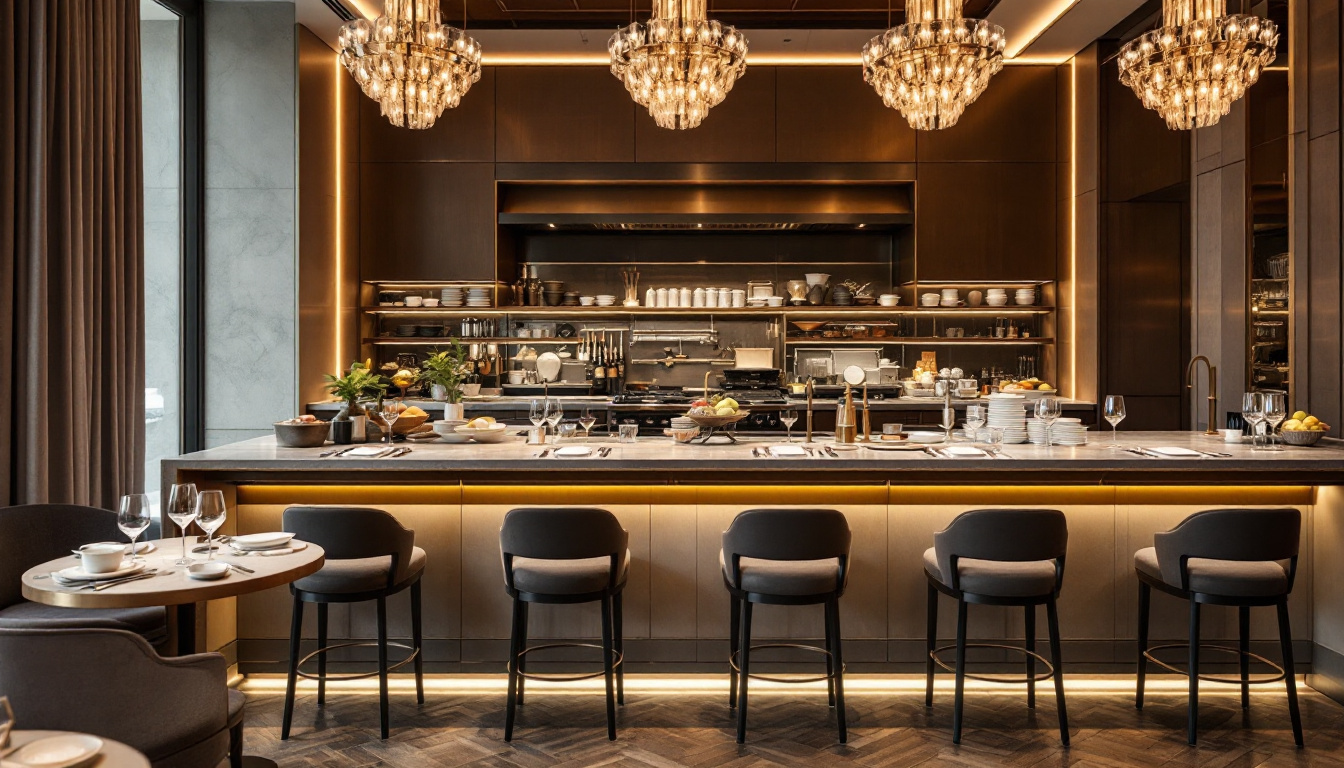
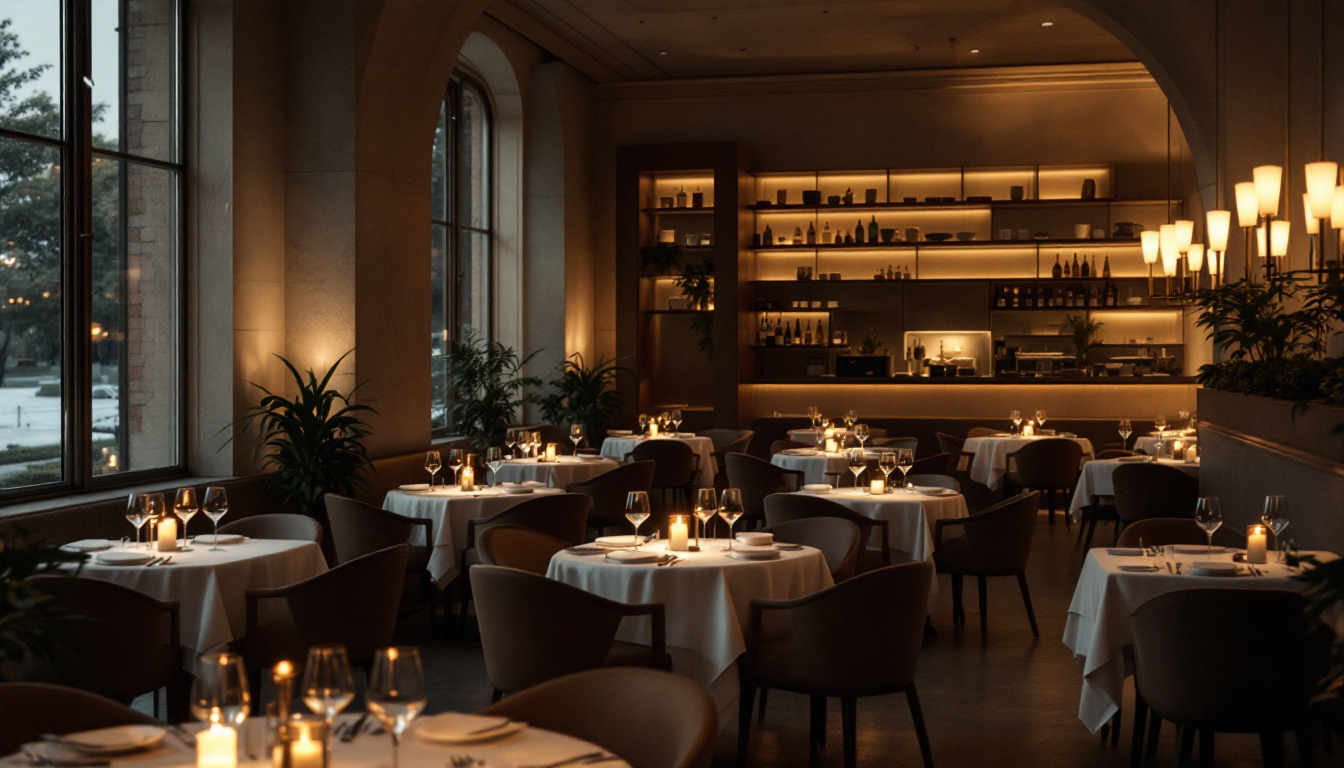
I sat at table fourteen on a Thursday in mid-April 2026, the round four-top in the centre of the dining room — the table I have eaten at on three previous visits since 2018 and the table at which the room is, in my working view, most fully itself. The dining room — the cavernous high-ceilinged hall in the old Metropolitan Life North Building at 11 Madison Avenue, opened as the McKim Mead & White lobby in 1932 and converted to the Tabla and then Eleven Madison Park restaurants in 1998 — is unchanged in its essential architecture since the 2017 refurbishment. The ceiling is fifteen metres at the peak. The marble columns are original to the 1932 building. The lighting is low and warm. The tables are set with a small handful of dishes from the kitchen’s own ceramic studio (the studio has been operating in Brooklyn since 2014 and supplies the restaurant exclusively).
The first reversal
The conversion in June 2021 to a fully plant-based menu — announced publicly in a New York Times interview that May, with the room reopening after a fifteen-month pandemic closure on June 14 — was the most aggressive single act of menu reinvention in modern American three-star history. The decision was Humm’s personally. The decision was, by his own account in subsequent interviews, made on the grounds that he had concluded the conventional fine-dining model centred on animal protein was no longer sustainable in the cultural moment and that the kitchen had the technical capacity to build a complete menu without meat, poultry, dairy, or fish. The conversion held all three Michelin stars at the 2022 announcement of the New York guide, which settled the most pressing question facing the room (whether the international rating bodies would follow the kitchen across the line).
The four years that followed were the technically most demanding period in the room’s history. The kitchen, in the absence of the structural roles that animal fat and protein traditionally played, rebuilt the menu vocabulary around hardwood smoke, fermentation, dehydration, concentrated vegetable jus, and a wide range of nut-derived fats. The signature dish of the plant-based era — a tonburi caviar substitute made from sea grape and roasted sunflower seed, served on a cracker of black sesame — became one of the most copied pieces of cooking in the global fine-dining scene from 2022 onwards. The kitchen’s hardwood-smoked beetroot, presented in a salt crust at the table and carved tableside, replaced the duck (the room’s longest-running signature) as the central narrative dish of the meal.
The cooking through this period was genuinely high-level. The dining room split, however, in a way that the international press did not always acknowledge: a meaningful minority of the room’s pre-2021 regular clientele stopped booking, and a meaningful new audience — younger, more ideologically aligned with the plant-based commitment, less anchored in the European fine-dining tradition — arrived. The room ran near full capacity through the period. The technical level of the cooking, by most critical accounts, did not drop. But the kitchen was, by Humm’s own subsequent admission, operating at a higher degree of constraint than it had ever operated under, and the cooking carried a particular intensity that was not always restful to eat.
The second reversal
The reintroduction of proteins began quietly in late 2024 with a single course on the menu containing wild-caught sturgeon and progressed through the first half of 2025 with the gradual addition of seafood and dairy alternatives. The full reintroduction of meat — the return of the honey-and-lavender-glazed duck, the room’s pre-2021 signature — was announced in a New York Times interview in October 2025. The menu format moved at that point to its current choice-driven structure: for several of the principal courses on the menu, the guest is offered a vegetable-led version and a protein-led version, and may choose course by course at the table. A fully plant-based version of the menu is still available; a fully protein-included version is also available. Butter and cream remain off the menu permanently (the kitchen uses nut milks, oat cream, and cultured plant fats in their structural roles).
The decision was, by Humm’s account, driven by the recognition that the kitchen’s responsibility to its guests was being constrained by the menu format rather than supported by it, and that the broader cultural moment which had driven the 2021 conversion had moved past the maximalist version of the plant-based argument. The Michelin announcement of the 2026 New York guide in November 2025 retained all three stars for the room, which again settled the most pressing question facing the kitchen.
The honey-glazed duck — the dish that anchored the room from approximately 2012 through 2021 and that became, for a particular generation of New York fine-dining guests, the single most recognisable American three-star course — returned to the menu in November 2025. The current version is, on my evening, served as the principal protein course at approximately the eight-course mark of the meal. The bird is sourced from a single farm in upstate New York, dry-aged for ten days, glazed with a reduction of upstate New York honey and dried Provençal lavender, roasted to order with the lavender stems still on the breast, and carved tableside. The dish is, on the evidence of a Thursday evening in April 2026, exactly as I remembered it from 2019.
The current menu
The menu in early 2026 runs approximately fourteen courses across three hours. The format is presented as a printed card with each course listed twice — once in its vegetable-led version, once in its protein-led version. The guest may choose at the open of the meal to commit to a single track, or may choose course by course as the meal progresses. The kitchen accommodates both formats with no additional cost and no announcement.
The opening sequence runs through four small bites in the first thirty minutes. The first bite on my evening was a small cracker of dehydrated grilled corn with a single quenelle of smoked-trout mousse from a producer in the Hudson Valley (vegetable version: the same cracker with a quenelle of smoked-tomato mousse). The second was a small tartlet of pickled spring radish with a single dab of cultured cream (vegetable version: cultured oat cream). The third was a single small piece of warm sourdough with the room’s longstanding maple-butter board (the maple butter is now an oat-and-cashew cultured fat with maple syrup folded through). The fourth was a small bowl of clear morel consommé with a single piece of grilled spring asparagus.
The principal courses began at 19:35 and ran through eight dishes across the next ninety minutes. The opening principal was the kitchen’s tonburi-caviar dish from the plant-based era, retained on the menu in its original form and offered as the alternative to a small course of actual Tsar Nicoulai California Osetra served on a buckwheat blini. The second principal was a small piece of slow-cooked Pacific halibut with a sauce of fermented carrot (vegetable alternative: a piece of king trumpet mushroom slow-cooked in the same way, with the same sauce — the substitution worked harder than I expected). The third was the famous hardwood-smoked beetroot from the plant-based era, presented in salt crust and carved tableside, retained on the current menu and offered as the alternative to a small course of dry-aged wagyu from a producer in Texas. The fourth was a small pasta course (a single tortelloni filled with brown-butter onion, finished with a single shaving of black truffle from a producer in Umbria the kitchen has used for nine years).
The duck — the fifth principal course — arrived at 20:30. The carving was done at a small table next to my own, by chef de cuisine Dmitri Magi (with the room since 2016, the chef who has been responsible for the duck programme since 2018). The breast was sliced into eight pieces; the leg was reserved for the second seating. The accompanying garnish was a small composed plate of preserved spring vegetables — pickled ramp, fermented green garlic, a single piece of grilled morel — and a small sauce of the bird’s own jus reduced with dark cherry vinegar. The vegetable alternative on my evening was a piece of slow-cooked celeriac glazed in the same honey-and-lavender reduction, served with the same garnish. The substitution was elegant. The duck remained, however, the centre of the meal in the way it has always been.
The remaining principal courses — a small composed cheese course (the room’s first inclusion of dairy cheese on the menu since 2021), a transitional pre-dessert of warm berries and almond cream, and the dessert course proper — ran through to 21:20.
What it costs
The food charge in the main dining room at Eleven Madison Park in June 2026 is USD 365 per guest. The standard wine pairing is USD 245. The reserve pairing is USD 595. The non-alcoholic pairing is USD 145. New York state sales tax adds 8.875%; the gratuity is 20% (added automatically). A two-person dinner with the standard wine pairing lands at approximately USD 1,790 before any supplements. The Madison Avenue Suite, the separate private room with an extended menu and a more elaborate service format, runs USD 695 per guest.
This places Eleven Madison Park in the upper bracket of New York three-star pricing, alongside Per Se (USD 460 per guest in the main room) and Masa (substantially higher, depending on the sourcing on the night). The room is more expensive than Atomix (USD 295), Le Bernardin (USD 285), and Jean-Georges (USD 318). The pricing has increased approximately 32 percent since 2021, in line with the broader inflation in the New York three-star segment over the same period.
What the menu reversal actually means
The reading of the 2025-2026 menu reversal that I have seen most often in the trade press — that Humm has abandoned his plant-based principles in the face of commercial pressure — is, I think, not quite right. The plant-based menu held three Michelin stars for four years and ran the room at near-full capacity through that period. The room was not under commercial pressure when it changed the menu. The change appears to have been driven, on the basis of Humm’s own public statements and on the conversations I have had with two people who work in the room, by an internal recognition that the menu format itself had become more important than the cooking, and that the kitchen needed to be allowed to cook again without the constraint of the categorical commitment.
The current menu, as a working document, does not feel like a retreat. The vegetable cooking on the new menu is, by my judgement, better than it was on the 2024 menu, because the kitchen no longer has to make every single dish bear the entire weight of the meal. The protein cooking is honest and is sourced with the same seriousness that the vegetable cooking was sourced during the plant-based years. The choice-driven format puts a meaningful new responsibility on the guest, which has the effect of making the meal feel more collaborative than the prescribed three-star format usually does.
The room is, in my working view, in a stronger creative position in June 2026 than it has been in at any point since the original duck-anchored menu in the late 2010s. The technical level is at the global frontier. The pastry programme — run by pastry chef Laura Cronin since 2020 — has carried forward the most ambitious work of the plant-based era and now operates without the categorical constraint. The wine programme remains the most serious in New York three-star dining. The service is professional, warm, and unselfconscious. The pricing is high but is defensible against the cooking.
For a guest who is making one New York three-star booking in 2026, Eleven Madison Park is, on the evidence of a Thursday in mid-April, the strongest single argument the city is currently making about what the contemporary American three-star menu can do.
Standing Questions
- Is the menu now meat-based again?
- Not quite. The 2026 menu is presented as a choice-driven sequence: for several of the courses, the guest is offered a vegetable-led version and a protein-led version, and may choose course by course or commit to a single track at the open of the meal. A fully plant-based version of the menu is still available without modification, and a fully protein-included version including the celebrated honey-lavender-glazed duck is now also available. Butter and cream remain absent from the kitchen; the kitchen substitutes nut milks, oat cream, and cultured plant fats.
- How does the new menu compare to the plant-based years?
- The plant-based menu (June 2021 through autumn 2025) was the kitchen's most technically ambitious period in its twenty-year history — substituting hardwood smoke, fermentation, dehydration, and concentrated vegetable jus for the structural roles that animal fat and protein historically played in the room's cooking. The 2026 menu carries the technical vocabulary developed during those four years forward into a more permissive frame. The vegetable cooking on the new menu is, in my view, better than it was in 2024 because the kitchen no longer has to make every dish bear the weight of the meal.
- Should I take the wine pairing?
- Yes. The cellar is the most serious in New York three-star fine dining, run by wine director Cedric Nicaise (with the room since 2011), and the cooking pairs unusually well with wine because the menu is no longer dominated by the assertive vegetable jus and fermentation notes that made the 2022-2024 menu difficult to pair. The standard pairing runs USD 245. The reserve pairing — heavier on Burgundy, with several aged Champagnes — runs USD 595. A non-alcoholic pairing at USD 145 is available and is genuinely serious.
- What about the Bar at Eleven Madison Park?
- The Bar Room — a separate space off the main dining room, with its own bar menu and a small selection of à la carte plates — is open Tuesday through Saturday from 17:00 and is the right answer for a guest who cannot or does not want to commit to the full tasting menu. The bar plates include several of the room's signature pieces (a vegetable version of the honey-glazed carrot, a small portion of the duck on certain evenings, the kitchen's bread programme) at roughly one-third the cost of the full menu. Reservations open four weeks in advance.
- Where do I stay?
- The Ritz-Carlton NoMad (Broadway and 28th Street, opened 2022) is the right answer for a guest who wants a senior modern hotel and a five-minute walk to the restaurant. The Gramercy Park Hotel (Lexington and 21st Street) is the right answer for a more atmospheric stay. The Aman New York at Crown Building on 57th Street is twenty-five minutes by taxi and is over-scaled for a one-night EMP visit. The NoMad Hotel, which historically anchored this stretch of Broadway, closed during the pandemic and has not reopened.