I had a 19:00 reservation at The Fat Duck on a Saturday in early March 2026, and I drove west from central London on the M4 at 17:15, arriving at the public car park behind the Bray High Street at 18:43. The walk from the car park to the restaurant takes three minutes through the small grid of the village’s central commercial blocks. The Fat Duck building — a converted seventeenth-century cottage with a small wooden facade and a single sign reading ‘The Fat Duck’ in white letters above the front door — sits at the centre of the High Street, two doors east of the Waterside Inn. The maître d’, Karina Gourova (who has been at the restaurant since 2019), met me at the front door and walked me through the small reception into the dining room.
The Fat Duck is the working project of Heston Blumenthal, who opened the restaurant in 1995 at the age of twenty-nine in a converted village pub. He had no formal culinary training. He had cooked at restaurants in Paris in his early twenties as a self-taught cook, returned to England in his mid-twenties, and bought the Bray cottage in 1995 with a small group of investors to open his own kitchen. The early years were difficult — the restaurant had operating problems through the late 1990s, and Blumenthal himself has said in his published interviews that the restaurant was within months of closing in 1998 when he made the technical pivots that led to the first Michelin star in 1999.
The first star was the beginning of one of the fastest ascents to three stars in modern UK Michelin history. The kitchen earned the second star in 2002 and the third in 2004 — nine years from opening to three stars, the fastest UK trajectory of the modern era at that point. The restaurant has held three Michelin stars continuously since 2004, with a brief two-star period in 2016 following the kitchen’s temporary closure for a refit at Crown Estate. The kitchen reopened in 2015 in the refurbished building and recovered the third star in the 2017 guide.
The kitchen celebrated its thirtieth anniversary in 2025. The 2025 anniversary year brought a menu refresh that retained the standing multi-sensory courses (Sound of the Sea, Mad Hatter’s, Off to the Land of Nod) while introducing several new pieces and a redesigned narrative structure for the eleven-course Journey menu. I am writing this review three days after the meal.
The room
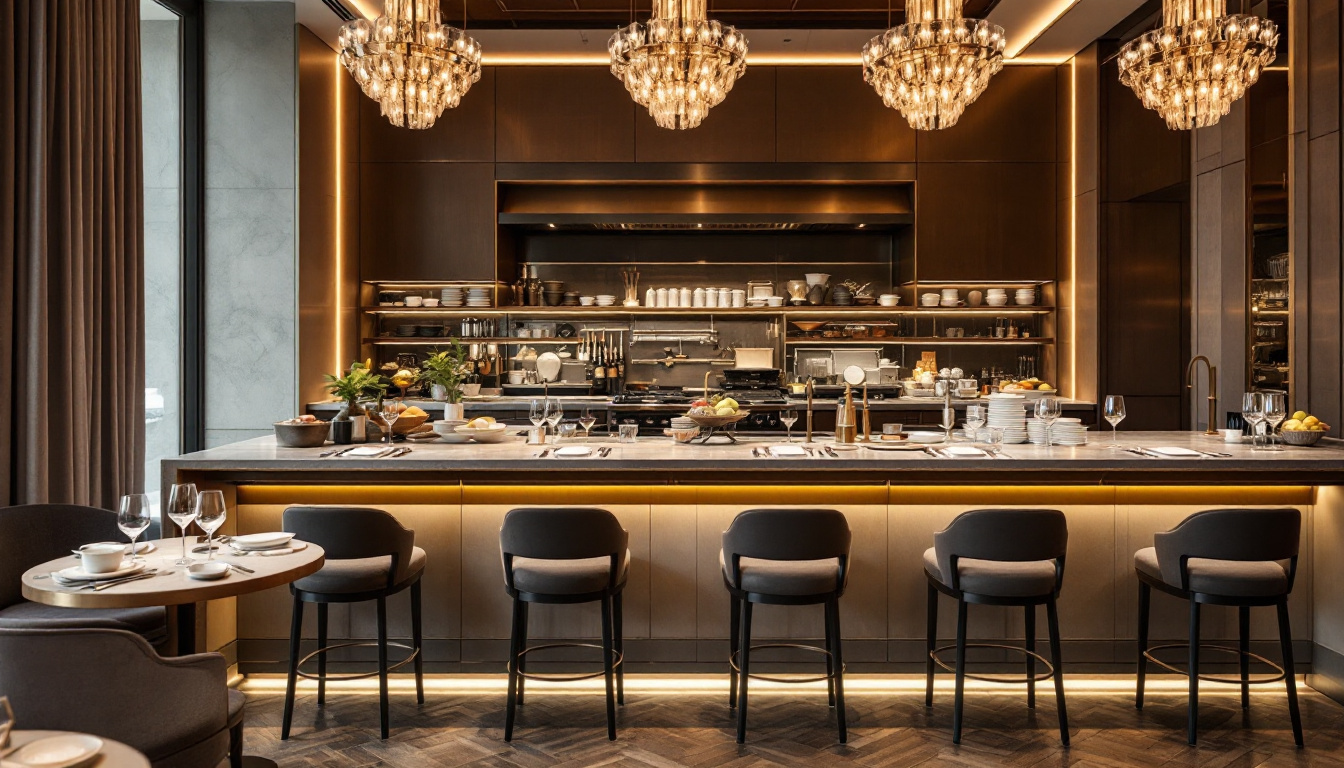
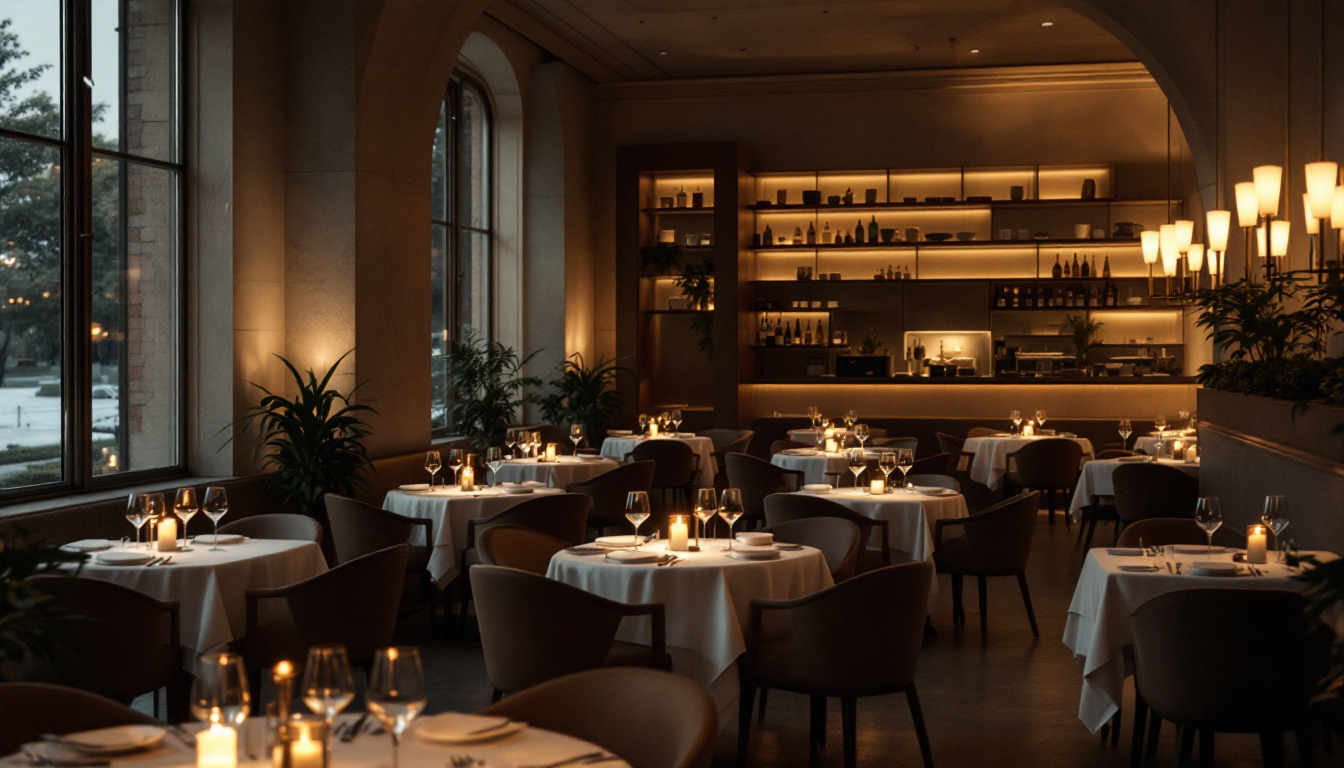
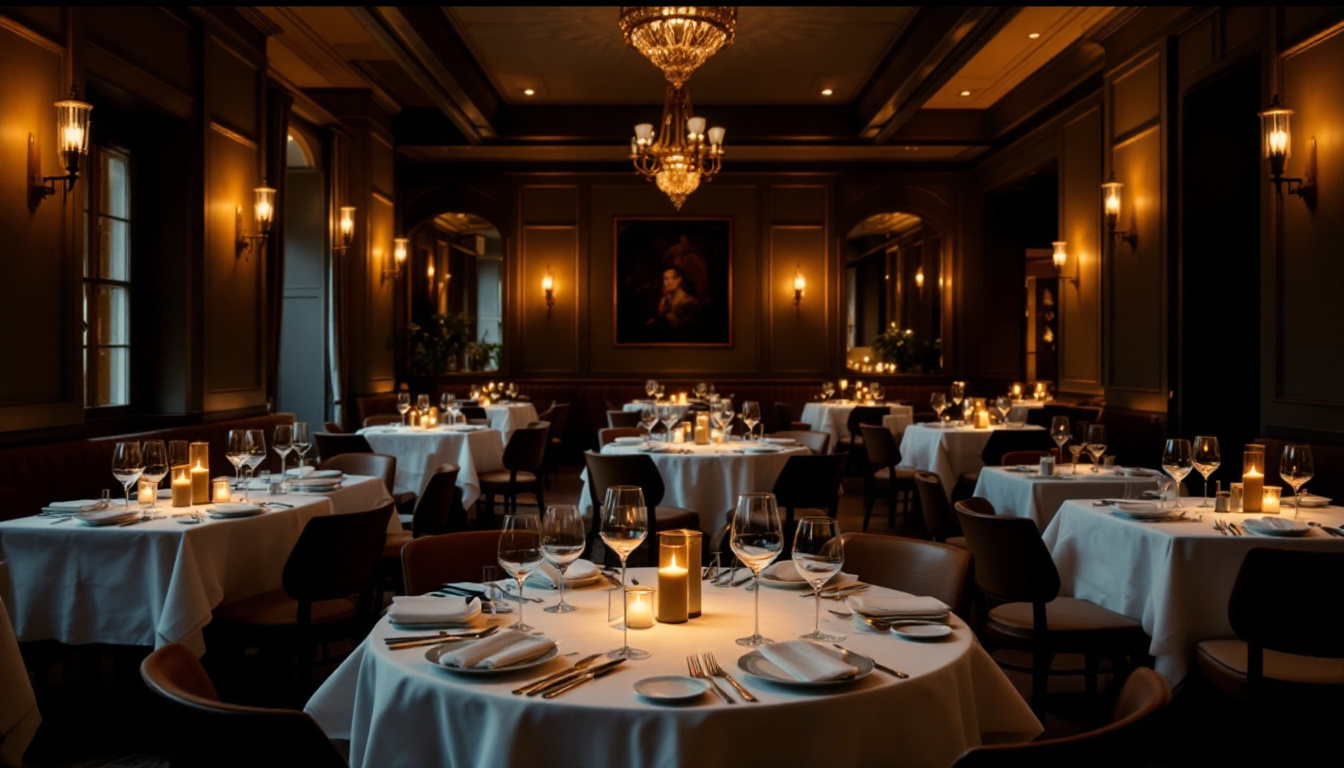
The Fat Duck dining room takes the ground floor of the seventeenth-century cottage — approximately 1,200 square feet, organised in two small connected rooms (a front room of six tables and a back room of four tables) with a low coffered ceiling, exposed wooden beams along the rooflines, and pale-cream walls. The aesthetic is the deliberate small-village English vocabulary that Blumenthal has retained through multiple renovations — warm and quiet and explicitly unmodern in a way that, in the context of the menu’s contemporary multi-sensory framework, creates a productive tension.
The room takes approximately forty covers across ten tables. Service is led by Karina Gourova with a brigade of eight on the floor for the Saturday evening service. The pacing on this evening was the carefully managed Fat Duck pace — courses arrived at calculated intervals across approximately four hours, the multi-sensory components (the conch shells, the eye masks, the small audio devices) were brought to the table at the right moments without performance, the wine glasses were refilled at the right intervals.
The kitchen at the Fat Duck is not visible from the dining room — the open-kitchen vocabulary that defines much of contemporary fine dining is deliberately absent here. The cooking happens in a closed kitchen behind the back room, and the multi-sensory framework of the menu is constructed in the space between the kitchen and the table by the floor team.
The Mad Hatter’s opening
The opening course of The Journey is the kitchen’s most direct piece of theatre — Mad Hatter’s Tea Party. The course arrives at the table as a small wooden box containing a small ceramic teapot, a small chequered tablecloth, and a small individual cup. The server places the box at the centre of the table, opens the lid, and pours from the teapot a small clear liquid that looks like tea. The ‘tea’ is, in fact, a clear vegetable consommé — made from a single batch of slow-cooked beef and root vegetables, clarified to crystal clarity through the kitchen’s standing technique of egg-white raft clarification.
Before pouring the consommé, the server places at the centre of the cup a single small object — a small encased pocket watch made from gold leaf and a thin layer of edible jelly. When the warm consommé is poured into the cup, the gold-leaf pocket watch dissolves slowly across approximately ninety seconds, releasing a thin layer of edible gold and a small inner pocket of mango puree that disperses through the consommé. The course is meant to be eaten in two or three small sips with the small ceramic spoon provided, with the diner observing the dissolution of the pocket watch across the eating.
The course is the menu’s most direct expression of Blumenthal’s working principle that the meal is a narrative arc rather than a sequence of unrelated plates. The Mad Hatter’s opening sets the meal’s emotional register at childlike curiosity and surprise; the subsequent courses build the arc from there.
The Sound of the Sea
The course that, more than any other, has defined The Fat Duck in the global food press across the past two decades is Sound of the Sea. The course arrives at the table as a single large ceramic plate containing a small composition of raw and cured seafood (a small piece of cured Atlantic mackerel, a small piece of raw scallop, a small slice of cured Norwegian salmon, a small mound of various seaweeds), arranged beside a small sand-and-foam composition that resembles a small section of beach. Alongside the plate, the server places a small conch shell with a small set of earbud headphones inside.
The diner places the headphones in the ears. The conch shell, when held up, plays a small audio recording — a soundscape of crashing waves, seagulls calling, and the distant sound of beach voices. The audio runs for approximately three minutes. The diner eats the seafood while listening to the audio.
The course is, in the strict sense, theatre. The audio does nothing to the cooking on the plate. But the multi-sensory framework genuinely alters the perception of the food — Blumenthal’s working research, conducted in collaboration with the University of Oxford’s Crossmodal Research Laboratory since approximately 2008, has demonstrated that ambient sound systematically alters the perceived flavour of seafood, with ocean sounds making cured seafood taste perceptibly fresher and more saline. The Sound of the Sea course is the most fully developed application of this research in any restaurant in the world.
The course was, on this evening, the meal’s most distinctive single moment. The cooking on the plate was technically precise (the cures were at the right depth, the seaweeds were the right textures, the scallop was the right firmness). The audio component was the framework’s most direct demonstration of effect — the experience of eating the cured mackerel while listening to the gull calls was genuinely different from the experience of eating the same mackerel in silence.
The seven other defining courses
The third course was the kitchen’s Snail Porridge — a small bowl of warm parsley-and-garlic porridge with a single small piece of cooked snail and a small dressing of fennel-and-anise butter. The course is one of the kitchen’s longest-running standing dishes (it has been on the menu in essentially the same form since the late 1990s) and is the menu’s clearest demonstration that the multi-sensory framework is built on top of conventional French technical cooking. The porridge was the right warmth, the snail was the right firmness, the fennel butter was the right depth.
The fourth course was a small piece of Hot & Iced Tea — a single small cup containing a layered liquid that, when sipped, presents alternating bands of hot and cold tea. The course is one of the kitchen’s most-discussed technical achievements; the layered liquid is built at the pass through a careful temperature-and-density technique that maintains the two temperature bands across approximately forty-five seconds before they begin to mix. The course is meant to be sipped quickly, and the technical demonstration is the menu’s most direct piece of physics theatre.
The fifth course was a small piece of Salmon Poached in a Liquorice Gel — a single piece of cured salmon, briefly poached at low temperature in a liquid gel of liquorice and vegetable stock, served with a small mound of asparagus and a thin layer of grilled artichoke. The course is the kitchen’s most technically demanding piece of cooking and is the menu’s quietest piece of work.
The sixth course was the menu’s substantial main — a single piece of slow-roasted lamb saddle, dry-aged for fourteen days at the restaurant, served with a small puree of fermented black garlic and a thin reduction of lamb jus finished with a touch of Madeira. The lamb was sourced from a small farm in the Cotswolds the kitchen has worked with since 2012. The dry-ageing was the kitchen’s contribution of depth; the cooking was the kitchen’s most direct expression of the conventional French technique that the multi-sensory framework is built on top of.
The seventh course was the menu’s transition to dessert — a small dish of Whisky Wine Gum — a small individual whisky-flavoured gum, presented on a map of Scotland with each region of the map representing a different malt whisky region. The diner is asked to identify the region of Scotland the gum represents by tasting it. The course is the menu’s most direct expression of Blumenthal’s working interest in memory and recognition.
The eighth and ninth courses were the formal dessert sequence. The eighth was a small piece of BFG (Black Forest Gateau) — the kitchen’s deconstruction of the classic chocolate-cherry-and-cream dessert, served as a single composition with three distinct layers each prepared with a different technique. The ninth was the closing Off to the Land of Nod — the most theatrically elaborate single dessert in the menu, served with a small eye mask that the diner is asked to wear for the first bite. The course is a small individual chocolate dome filled with warm chocolate sauce and topped with a small piece of crystallised sugar; the eye mask is meant to focus the diner on the flavour and texture of the first bite without visual input. The eye mask is removed after the first bite and the rest of the course is eaten conventionally.
The closing mignardise programme — brought to the table as a small wooden box of eight individual pieces of pastry and confectionery, each in a small individual wrapper — was the meal’s quiet close.
The wine
The wine list at The Fat Duck runs to approximately 1,800 references and is led by sommelier Isa Bal (who came in from the Connaught in 2014). The list is heavily weighted toward Burgundy and Bordeaux with a useful smaller programme on grower Champagne, German Riesling, and a small but serious section on English sparkling wine — the kitchen has been an early supporter of the contemporary English sparkling-wine scene and the cellar carries deep allocations from Nyetimber, Gusbourne, and Hambledon.
The classic pairing on The Journey at GBP 195 ran seven wines across the eleven courses. The standout pairings were a 2017 Domaine Roulot Meursault Tessons with the Snail Porridge and a 2010 Henri Bonneau Châteauneuf-du-Pape with the lamb. Both were the right wines for the courses.
The verdict
The Fat Duck is the most theatrically ambitious single restaurant in the United Kingdom and is the most influential single multi-sensory kitchen in the world. The framework is genuinely Blumenthal’s own contribution to contemporary fine dining and has shaped the broader UK restaurant scene across two decades. The standing courses — Mad Hatter’s, Sound of the Sea, Off to the Land of Nod — are the meal’s defining moments and are the reason to book the room.
The bill, for The Journey with the classic pairing and service, came to GBP 685 per guest. The drive back to central London at 23:15 took fifty minutes on the empty M4. The Fat Duck is the right UK three-star booking for a serious eater who wants to understand the multi-sensory framework that has shaped contemporary global fine dining since the early 2000s; book it once.
Verification
Filed against the following sources, last verified on February 18, 2026. The desk re-checks the source URLs on every dated modification of the piece.
- https://thefatduck.co.uk/
- https://guide.michelin.com/gb/en/windsor-and-maidenhead/bray/restaurant/fat-duck
- https://en.wikipedia.org/wiki/The_Fat_Duck
- https://www.thecaterer.com/news/the-fat-duck-to-launch-30th-anniversary-menus
- https://www.thecaterer.com/news/fat-duck-restaurant-tasting-menu-heston-blumenthal-price
Standing Questions
- Where is Bray and how do I reach it from London?
- Bray-on-Thames is a small village in Berkshire, twenty-eight miles west of central London on the south bank of the Thames between Maidenhead and Windsor. The drive from central London takes approximately seventy-five minutes via the M4 in moderate traffic, ninety minutes on a Friday evening. The train from Paddington to Maidenhead takes thirty minutes; a taxi from Maidenhead station to Bray High Street is six minutes. The restaurant occupies a small converted seventeenth-century cottage at the centre of the village's main commercial street; the building has a small wooden facade and a sign reading 'The Fat Duck' in white letters on the front. Parking is in the village car park behind the High Street.
- What are The Journey and The Trip menus and which should I take?
- The Journey is the kitchen's full eleven-course tasting menu and is the format the restaurant is best known for — a structured narrative menu that runs the guest through a deliberate emotional arc from morning (the opening Mad Hatter's tea-party course) through the day to evening (the Off to the Land of Nod closing). The Journey runs GBP 395 per guest. The Trip is a shorter version (approximately seven courses) at GBP 275 and is offered at lunch only on weekdays. For first-time visitors, The Journey is the right format — the kitchen's signature multi-sensory pieces (Sound of the Sea, Mad Hatter's, Off to the Land of Nod) are all in the longer menu and are the meal's defining moments. The Trip is the right choice for returning diners who want a shorter version.
- How does the multi-sensory framework actually work?
- Blumenthal's working framework since the early 2000s has been the deliberate integration of senses beyond taste and smell into the dining experience. The kitchen treats sound, sight, touch, and even memory as components of the course. The most famous single example is Sound of the Sea — a course of various raw and cured seafood served on a small ceramic plate beside a sand-and-foam composition, with a small conch shell containing earbud headphones that play a soundscape of crashing waves and seagulls for the duration of the course. Off to the Land of Nod, the closing dessert, includes an eye mask the guest wears for the first bite. The framework is, in the strict sense, theatre — but the underlying cooking is precise, and the multi-sensory components are calibrated to specific emotional and gustatory effects.
- How do I book and how strict is the cancellation?
- Reservations open via the restaurant's website ninety days in advance. Prime weekend windows (Friday 19:00, Saturday 19:00) are allocated within ten minutes of the window opening; weeknight slots are achievable inside thirty days. A full deposit equal to the menu price is taken at booking. Cancellation is permitted up to thirty days before service for a full refund; within thirty days the deposit is partially refundable up to seven days before, then non-refundable. The restaurant is closed Sunday and Monday.
- Where should I stay?
- The right answer is the Waterside Inn — Bray's other three-Michelin-star property, a 1972 Roux family restaurant with eleven rooms above the dining room, two minutes' walk from the Fat Duck. The Waterside is the only on-site high-end accommodation in Bray itself and is the right close to a Fat Duck dinner. The second choice is the Macdonald Compleat Angler at Marlow, fifteen minutes' drive northwest, which has rooms looking onto the Thames at the lock. For visitors who prefer central London, return after the dinner — the M4 to central London is forty minutes at 23:00.