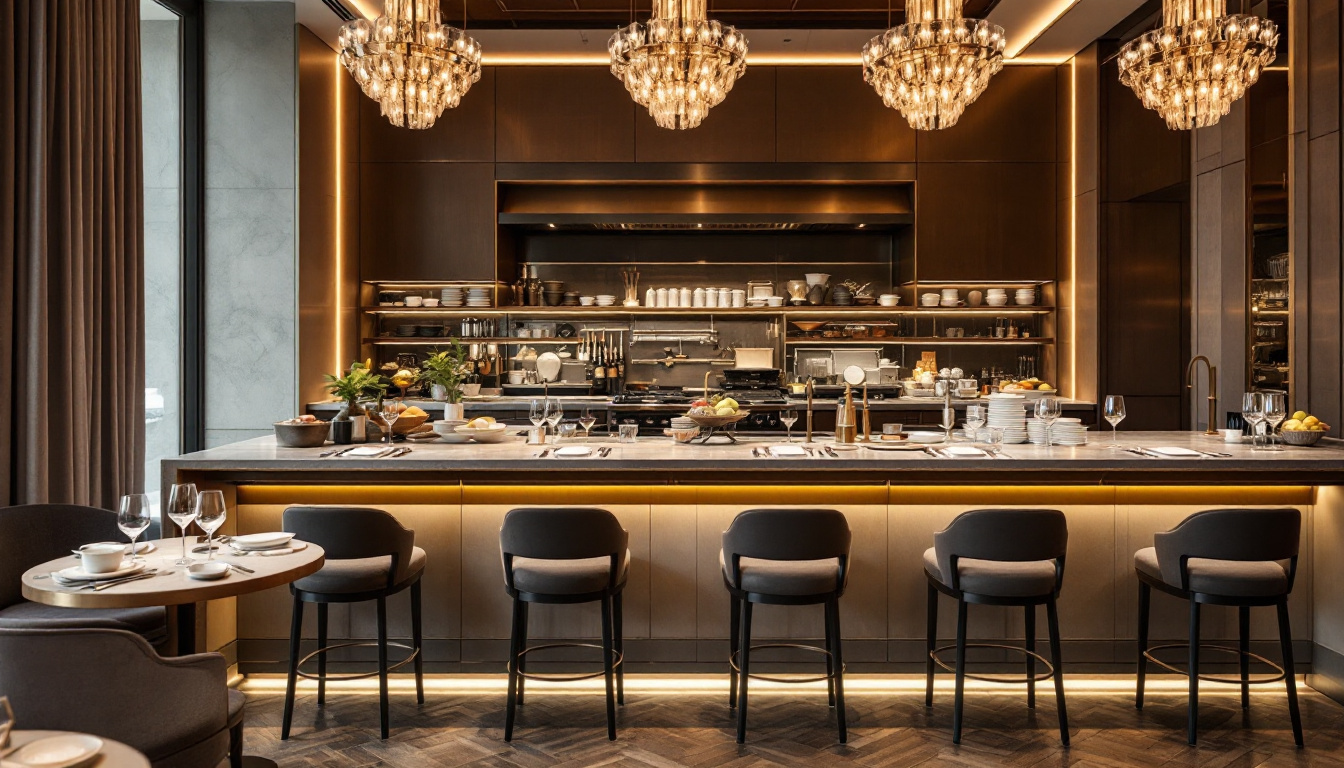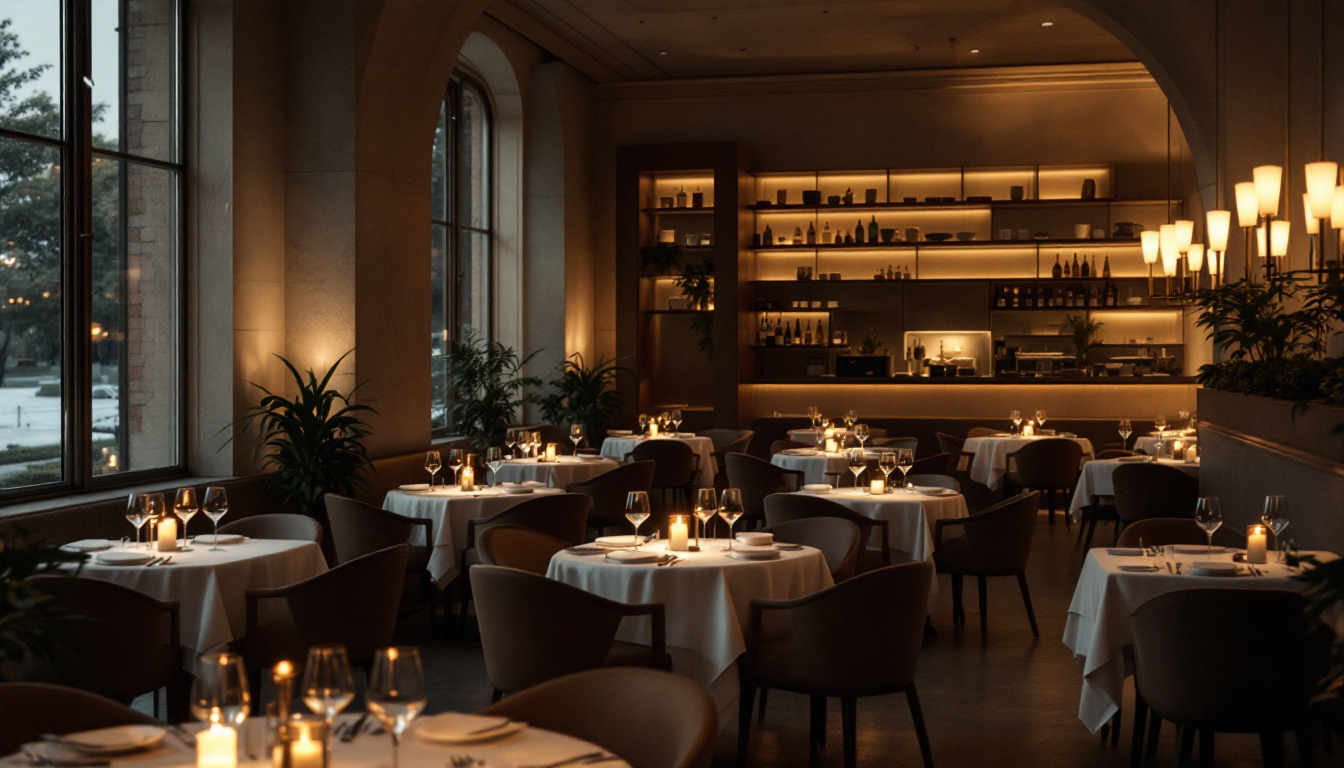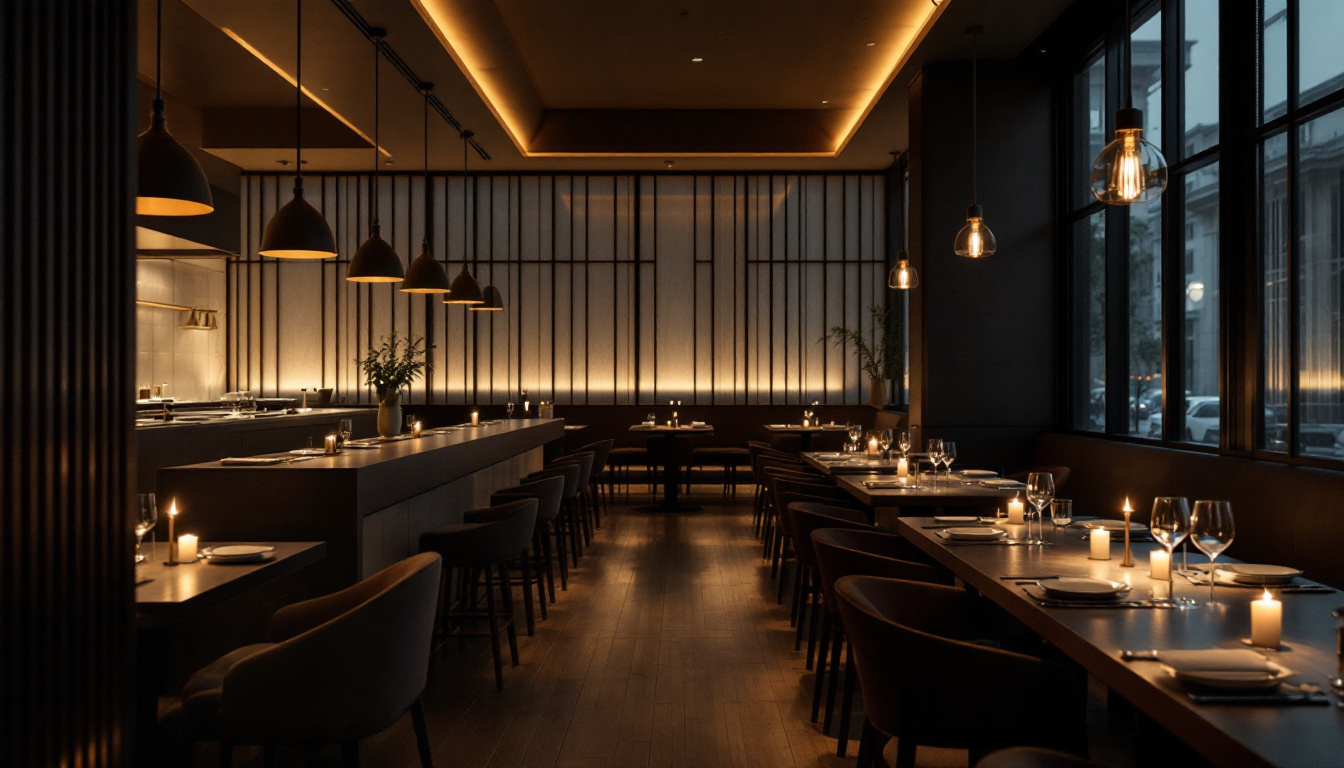
I sat at table six at Maido on a Tuesday evening in late January 2026, a corner two-top against the southern window with a partial sight line to the open kitchen, having walked the seven minutes from the Atemporal Hotel through the Miraflores grid in a mild summer evening (late January in Lima is the height of the southern-hemisphere summer; the evening temperature was twenty-three degrees and the streets were quiet). The room — narrow, with approximately fifty seats across two floors, a substantial open kitchen visible from most tables on the ground floor, and a small upstairs lounge for aperitifs and post-meal coffees — is essentially unchanged since the 2018 refurbishment, when Tsumura reworked the lighting, the kitchen window, and the table fittings without disturbing the underlying shell.
I had come to Lima specifically to eat at Maido in its first full year as the World’s 50 Best No. 1. The room took the No. 1 designation at the 50 Best awards ceremony in Turin on June 19, 2025 — climbing from the No. 5 position in the 2024 list, where it had held a fixture position in the global top ten for nearly a decade — and the announcement was, by the standards of the modern 50 Best cycle, almost without controversy. Maido is one of the few rooms in the top twenty whose international press coverage has been broadly positive across the full eight-year run-up to the No. 1 designation; the kitchen’s quiet ascent through the rankings was matched by the cooking’s actual development across the same period.
The chef
Mitsuharu Tsumura — known universally as “Micha” — was born in Lima in 1981 to a Japanese immigrant father (Tsumura’s grandfather had arrived in Peru from Osaka in 1903 as part of the second wave of Japanese immigration to South America) and a Peruvian mother. He trained at the Johnson & Wales culinary school in Providence, Rhode Island, and then completed a sushi apprenticeship in Osaka before returning to Lima to open Maido on Calle San Martín in 2009. He was twenty-eight years old at the opening. The room operated for its first three years as a more conventional Nikkei sushi-and-rice counter; the conversion to the contemporary tasting-menu format began in 2012 and was complete by 2014, in time for the room’s first entry on the Latin America’s 50 Best list at No. 12 that year.
The Nikkei culinary tradition that Tsumura works within is older than the Maido kitchen and is not Tsumura’s personal invention. The tradition developed in Lima from the 1899 arrival of the first Japanese immigrant ships and the subsequent four generations of cultural integration; the contemporary Nikkei vocabulary — the use of Peruvian chillies in Japanese-style ceviche preparations, the use of Peruvian potato and corn in Japanese-style nimono and tempura, the use of soy and mirin in the seasoning of Peruvian tiraditos — was largely established by the third generation of Japanese-Peruvian cooks working in Lima between roughly 1960 and 1990. Tsumura’s contribution has been to position the Nikkei tradition within the international fine-dining frame, to develop the technical vocabulary into a tasting-menu format, and to source the seafood and the Peruvian ingredients at a level that no previous Nikkei kitchen had attempted.
He is at the kitchen pass for almost every service. The kitchen brigade is approximately twenty-five. The service team is approximately twelve.
The opening
The meal opens with a small sequence of three snacks served at the second-floor lounge before the guest is brought down to the dining room. The snacks are accompanied by a small pour of Peruvian pisco sour made with grilled pineapple syrup (the kitchen’s signature welcome cocktail since 2018).
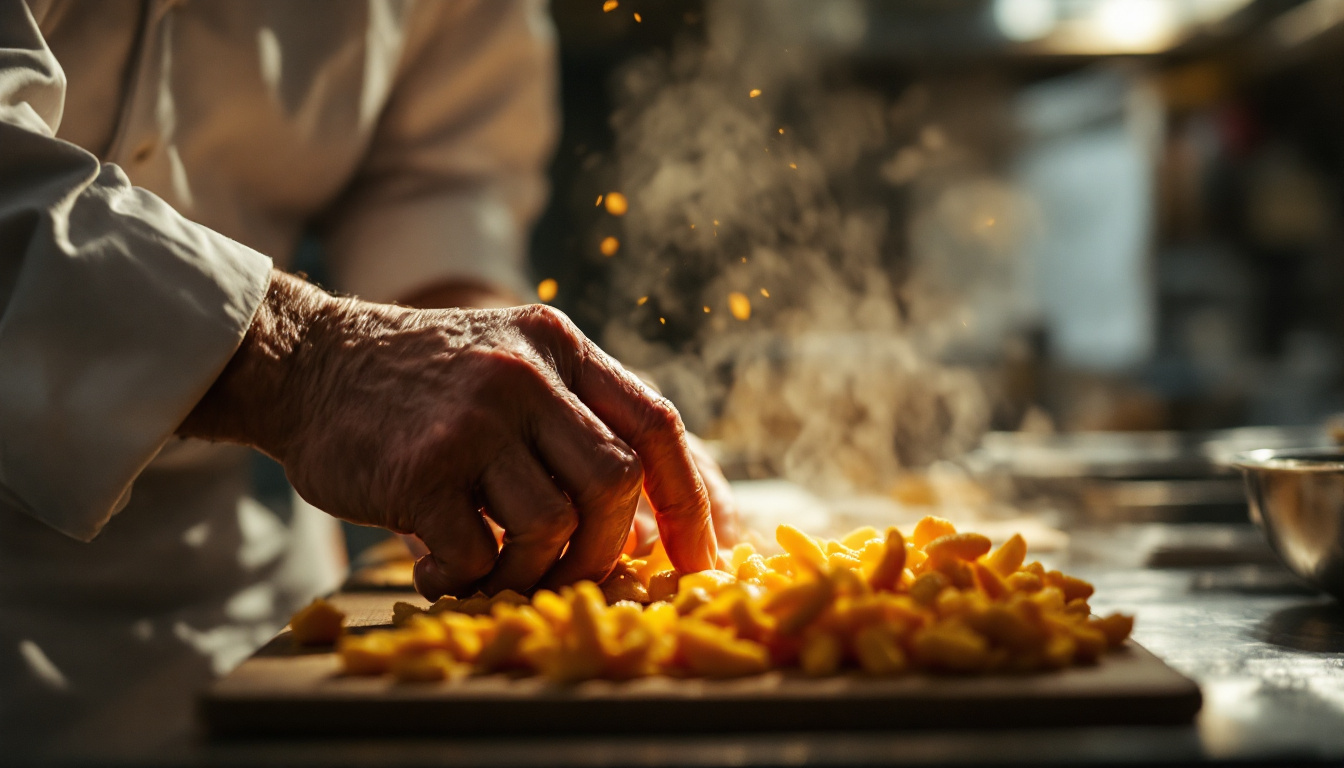
The first snack on my evening was a small piece of warm tempura — a single hand-cut cube of yellowtail amberjack from a Peruvian Pacific supplier, dipped in a tempura batter the kitchen makes with both Japanese cake flour and Peruvian quinoa flour, fried to order at a single small station in the lounge. The second was a small bite of marinated octopus from a Chilean Pacific supplier (the kitchen has used the same supplier in Iquique for fourteen years), dressed with a Peruvian aji amarillo sauce and a small dab of grilled-corn purée. The third was a small piece of cured trout from a Peruvian Andean producer (the trout is farmed in lakes at altitude in the Puno region; the kitchen has used the same producer for eleven years), with a single quenelle of fermented cassava cream.
The guest is brought downstairs to the dining room at approximately 20:00.
The main sequence
The principal courses on my evening began with a single piece of nigiri — a piece of raw bluefin tuna from a Chilean Pacific supplier, on a small ball of vinegared rice from a Peruvian rice producer the kitchen has worked with for nine years, with a small dab of fermented Peruvian aji rocoto. The dish landed as an unusually pointed opening — the kitchen was, in the single bite, making the Nikkei argument in its most concentrated form: the Japanese sushi vocabulary, the Peruvian chilli pantry, the South American supply chain, and the technical handling of the fish at the level of the best Tokyo counters.
The second course was the kitchen’s signature ceviche preparation — a small bowl of warm tigers’ milk (the leche de tigre, the citrus-and-chilli broth that anchors the Peruvian ceviche tradition) with a small portion of cured halibut, a single piece of slow-cooked octopus, a single piece of grilled corn from a Peruvian highland producer, and a small dab of grilled-pineapple purée. The dish has been on the menu in different forms since the 2014 conversion and is one of the most-copied pieces of Nikkei cooking in the international circuit.
The third course was the kitchen’s working centre of the seafood vocabulary — a single piece of slow-cooked seabass from a Peruvian supplier, glazed with a reduction of dashi and Peruvian aji panca, set on a small fold of grilled spring onion and dressed with a sauce of fermented purple corn. The fourth was a small piece of nori-wrapped wagyu (the kitchen sources the beef from a Japanese-Peruvian rancher in the Mantaro Valley who has been raising a herd of Kobe-genetics cattle on Peruvian feed for twelve years; the beef is dry-aged at the ranch and finished at the kitchen for an additional five days). The fifth was a small bowl of warm dashi with a single piece of grilled abalone from a Chilean supplier.
The sixth through ninth courses worked through the kitchen’s pantry of less common Peruvian-Japanese preparations: a small composed plate of slow-cooked guinea pig (cuy, the traditional Andean preparation, served Nikkei-style with a Japanese mustard sauce and a small portion of grilled corn), a single piece of grilled scallop from a Peruvian supplier with a sauce of fermented ají rocoto, a small bowl of warm rice porridge with a single piece of slow-cooked octopus, and a small composed plate of grilled mountain trout from the Puno region with a sauce of preserved tomato. The tenth was the kitchen’s working centre of the meal — a single small bowl of warm broth of grilled chicken (the kitchen’s “Nikkei Pollada,” a Nikkei reinterpretation of the traditional Peruvian neighbourhood chicken-roast) with a single piece of slow-cooked chicken leg and a small portion of fried rice.
The eleventh through sixteenth courses moved into the dessert sequence — a small palate-cleansing course of preserved pineapple with a single dab of fermented honey, a small bowl of warm chocolate consommé with a single piece of grilled banana, a small composed plate of preserved Andean passion fruit, the kitchen’s signature pre-Columbian chocolate course (a small chocolate sphere made with single-origin cacao from a Peruvian Amazonian producer the kitchen has worked with for seven years), a single warm bite of toasted Peruvian quinoa with a small dab of honey, and a final small petits-fours sequence.
The drinks
The cocktail programme — run by head bartender Renato Carbajal, with the room since 2019 — is built around Peruvian pisco and Japanese sake, with a small inclusion of Peruvian craft beer. The pairing runs ten drinks at USD 165 and is, in my working view, the strongest pisco-based pairing in Lima and possibly in South America. The wine pairing at USD 145 is run by sommelier Camille Velasco (with the room since 2021) and is built around Chilean and Argentine producers supplemented by a small selection of grower Champagne and a tight Burgundy programme; the pairing is good but is not the strongest expression of the kitchen’s cooking. The non-alcoholic pairing at USD 85 is built around fermented chichas (the pre-Columbian corn-fermented beverage), garden distillates, and house-made juices.
What the No. 1 designation means
The No. 1 designation at the 50 Best 2025 ceremony was, in my reading, the first time in several years that the ranking system has named a No. 1 whose cooking matches the institutional weight of the position. The 2022 No. 1 (Geranium in Copenhagen) was a technically peak room that subsequently restructured its menu. The 2023 No. 1 (Central in Lima) and the 2024 No. 1 (Disfrutar in Barcelona) were both rooms whose cooking was, in my working view, slightly behind the institutional weight of the No. 1 position. Maido in 2025 is the first No. 1 in several years whose cooking is, on the evidence of a Tuesday in late January 2026, fully at the level the position implies.
The room is in its strongest creative period. The technical handling of seafood is at the global frontier — better than at most Tokyo counters in the precision of the seasoning, better than at most European three-star rooms in the freshness of the source product. The Nikkei argument is more coherent than it was in the 2018-2022 menu; the kitchen has moved away from the more obvious fusion gestures and into a more confident integration of the two traditions. The pricing — USD 280 for the food, USD 165 for the cocktail pairing — places the room at the lower end of the global No. 1 bracket while operating at the upper end of the technical scale. The booking is harder than it was in 2023 but is, with three months of planning, landable for a serious foreign guest.
For a guest who is making one South American fine-dining booking in 2026, Maido is the strongest single argument the continent is currently making. The room is genuinely worth the trip.
Standing Questions
- How do I book?
- Reservations open three months in advance at maido.pe at 12:00 Peru Time (UTC-5) on the first day of each month for the corresponding month three months ahead. The booking window closes within ten to fifteen minutes for prime weekend services. Tuesday and Wednesday evenings hold availability for several hours. Full prepayment is required at booking. The kitchen will accommodate severe allergies and dietary restrictions with twenty-four hours' notice; please flag at booking rather than at the table.
- What is Nikkei cuisine?
- Nikkei is the working term for the culinary tradition that developed in Lima from the 1899 arrival of the first Japanese immigrants to Peru and the subsequent four-generation integration of Japanese cooking technique with the Peruvian ingredient pantry. The tradition is recognisable but not identical to Japanese cooking — the seafood handling, the rice tradition, and the soy-and-vinegar seasoning vocabulary are Japanese-derived; the chillies, the citrus, the corn, and the potato are Peruvian. Tsumura's Maido is the most internationally recognised Nikkei restaurant in the world and is the room that has done the most to position Nikkei as a distinct fine-dining tradition rather than as a fusion category.
- Take the wine pairing?
- The wine pairing at USD 145 is good but is not the strongest expression of the kitchen. The cocktail pairing — built around Peruvian pisco and Japanese sake, with a small inclusion of Peruvian craft beer — is the kitchen's preferred pairing and is in my view the right answer for most guests at USD 165. The non-alcoholic pairing at USD 85 is built around fermented chichas, garden distillates, and house-made juices and is genuinely serious.
- How does Maido compare to Central?
- The two rooms — Maido in Miraflores and Central across the city in Barranco — are the twin anchors of the contemporary Lima fine-dining scene and are best understood as complementary rather than competing arguments. Central, run by Virgilio Martínez and Pía León, operates on an explicitly Peruvian ingredient framework organised around altitude (the menu walks the guest from sea-level to 4,100 metres above sea level). Maido operates on a Nikkei framework organised around the Peruvian-Japanese culinary integration. The cooking at Central is more conceptually ambitious; the cooking at Maido is more technically refined in its handling of seafood. For a Lima trip, both rooms are bookable and both are worth the trip.
- Where do I stay in Lima?
- The Country Club Lima Hotel (a 1927 hacienda-style property in San Isidro, twelve minutes by taxi from Maido) is the right answer for a first-time Lima visitor. The Atemporal Hotel (a small twelve-room boutique property in Miraflores, six minutes by taxi from Maido) is the right answer for a more atmospheric stay. The JW Marriott Lima (on the Miraflores cliff, eight minutes by taxi) is fine but is over-scaled for a one- or two-night stay. The Belmond Miraflores Park is the strongest answer if you want a Belmond-quality room within walking distance of the restaurant.