I had a 12:30 lunch reservation at Pierre Gagnaire on a Wednesday in late April 2026, the lunch tasting deliberately chosen for the relaxed midweek timing. I walked from my hotel near the Champs-Élysées up Avenue de Friedland to rue Balzac, arrived at the small hotel entrance at 12:22, and was met at the dining-room door by the maître d’, Jean-François Sicard (who has been at the restaurant since 1998 — the opening year of the rue Balzac property). He walked me to table seven, a small table by the south window looking onto the small interior courtyard.
Pierre Gagnaire is the most consequential single conceptualist working in contemporary French cooking. He opened the original Pierre Gagnaire restaurant in Saint-Étienne in 1976 at the age of twenty-six, having trained at his father’s small regional restaurant outside Saint-Étienne through his teens and at a series of small French regional kitchens through his early twenties. The early years at Saint-Étienne were conventional — Gagnaire cooked in the conservative French regional vocabulary of the 1970s. The pivot to the conceptual framework that has defined his career came in the early 1980s, when Gagnaire began the multi-component-plate experiments that became the kitchen’s working format.
The first Michelin star came in 1981. The second came in 1985. The third came in 1993 — Gagnaire was the first chef in the Saint-Étienne region to hold three Michelin stars, and the kitchen was, in the early 1990s, one of the most-watched single rooms in contemporary French cooking. The restaurant went bankrupt in 1996 (Saint-Étienne’s industrial decline through the early 1990s eliminated the local high-end clientele that had supported the kitchen), and Gagnaire lost the three stars with the closure. He moved to Paris in 1996 and opened the rue Balzac property in 1998, recovered the three stars in the 1998 guide, and has held three stars continuously since.
The kitchen has held three stars continuously through 2026 — twenty-eight consecutive years. In 2026, the Michelin France guide awarded Gagnaire the Mentor Chef Award, recognising his commitment to training across his fifty-year career. The award is the guide’s most direct acknowledgement that Gagnaire is, more than any other contemporary French chef, the structural mentor of his generation.
I am writing this review three days after the lunch.
The room
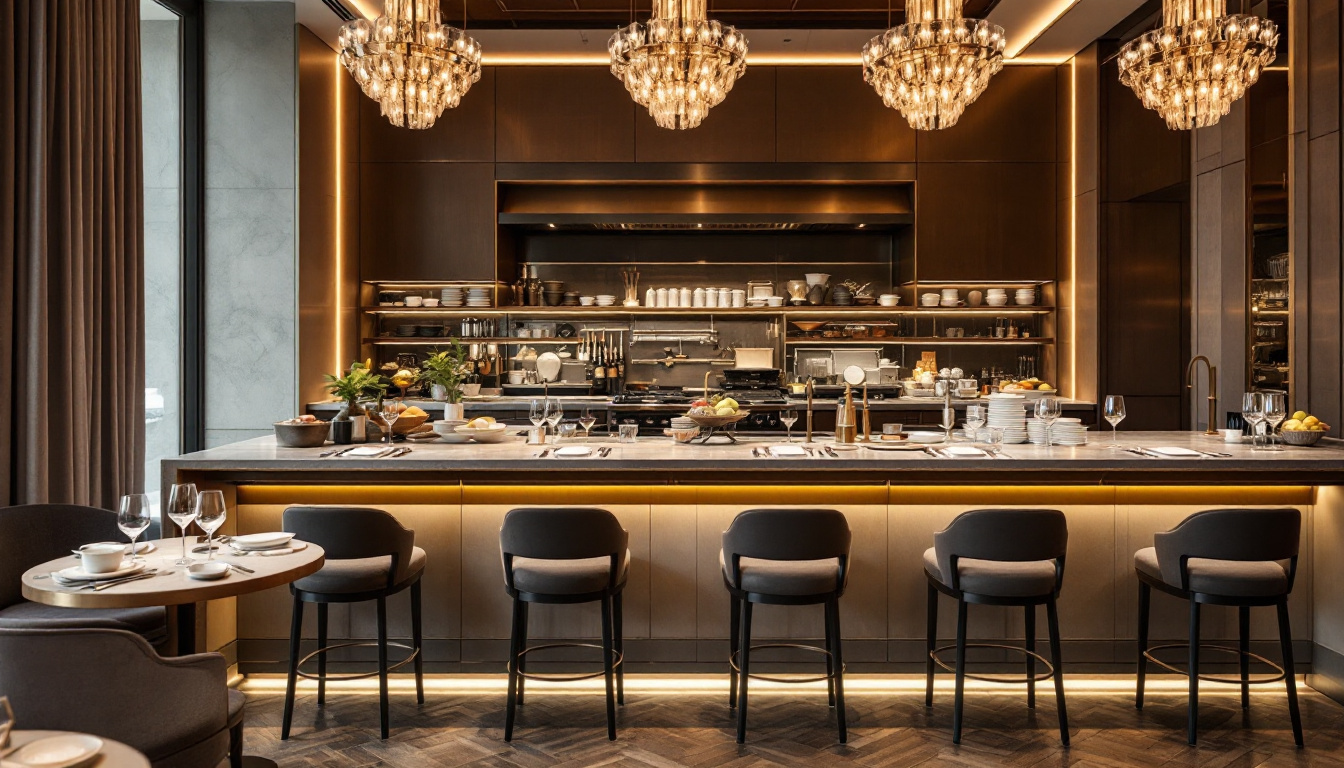
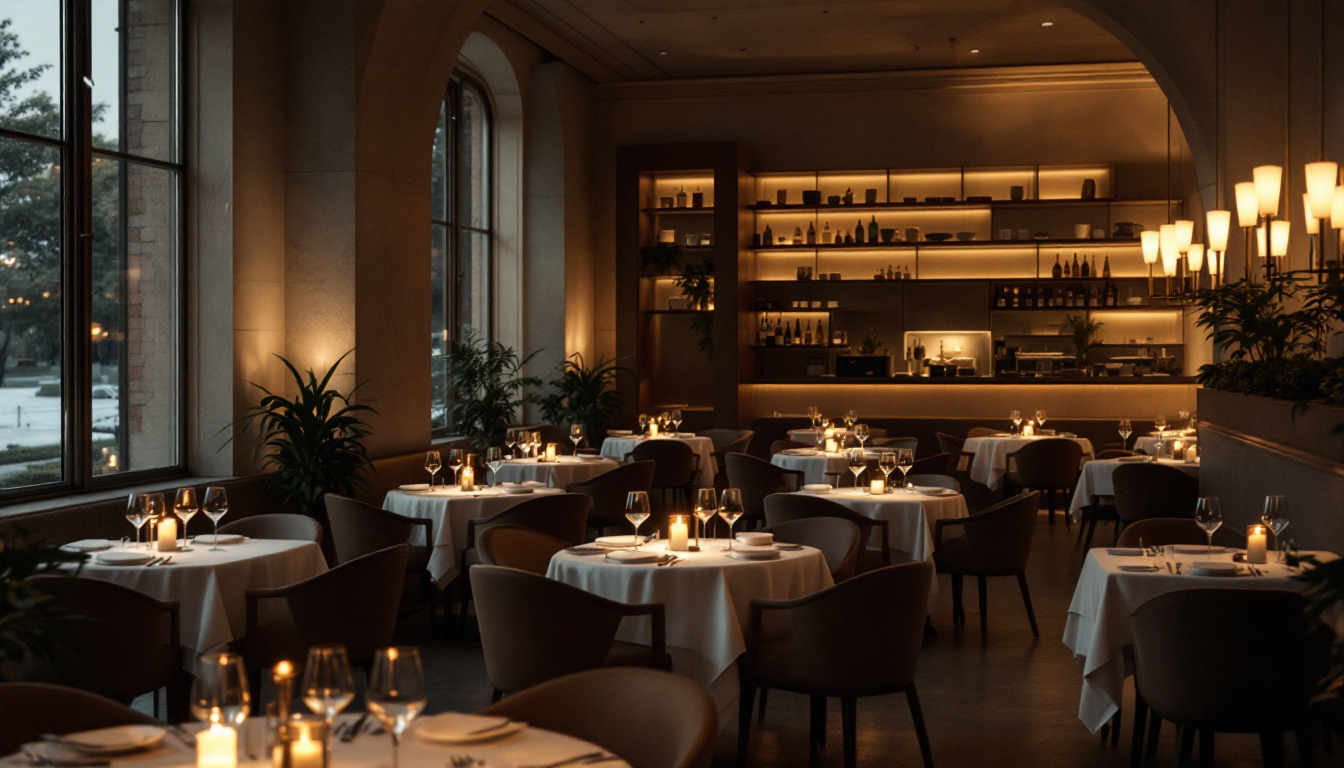
The Pierre Gagnaire dining room takes the ground floor of the small Hôtel Balzac — approximately 1,200 square feet, organised in a single rectangular hall with floor-to-ceiling windows on the south side looking onto a small interior courtyard. The aesthetic is the deliberate restrained vocabulary that Gagnaire has used at the Paris property since the 1998 opening: warm cream walls in a soft fabric finish, contemporary French-design furniture in muted greys, ivory linen tablecloths, low warm lighting from small individual sconces.
The room takes approximately thirty-five covers across twelve tables. Service is led by Jean-François Sicard with a brigade of seven on the floor for the lunch service. The pacing on this lunch was the relaxed Parisian three-star standard — courses arrived at calculated intervals across approximately two hours and forty minutes, the conversation at the table was permitted to set the rhythm, the wine glasses were refilled at the right moments.
The room is, in the strict sense, conservative — there are no theatrical design elements, no overt contemporary statements, no immediately distinctive single visual piece. The room is the deliberate quiet framework against which the conceptual framework of the menu becomes the meal’s focus.
The opening
The opening course of the lunch tasting was the kitchen’s signature multi-component opener — a single composition arriving as four small individual dishes on a single rectangular slate tray. The four dishes were: a small bowl of warm consommé made from a single batch of root vegetables and dried mushroom; a small individual plate containing a single piece of raw langoustine dressed with a small drop of estate olive oil; a small bowl of fermented vegetable puree topped with a single petal of edible flower; and a small individual plate containing a single warm savoury madeleine.
The four dishes arrived simultaneously. The server placed the tray at the centre of the table, walked through each component briefly (this is consommé, this is langoustine, this is the puree, this is the madeleine), and stepped back. The diner is asked to eat the four in whatever sequence they prefer; there is no kitchen-prescribed order.
The course is the kitchen’s clearest demonstration of the multi-component framework. The four dishes contribute four distinct flavour registers — a warm umami broth, a raw sweet seafood, a fermented vegetal puree, a warm savoury bread. The integration of the four happens in the diner’s own perception across approximately five minutes of eating. The framework is, in the strict sense, an extension of the classical French amuse-bouche concept to the full structural status of a single course; the working principle is that the diner’s own choices about sequencing and proportioning become part of the course’s compositional intelligence.
The course was, on this lunch, the right opening to the menu. The four dishes were each individually well-cooked. The integration across the four was the kitchen’s quietest piece of work.
The four other defining courses
The second course was a single piece of poached turbot, sourced from a North Sea producer, served on a single warm slate with a small dressing of estate olive oil and a single petal of nasturtium. Alongside the slate, the server placed a small individual side dish containing a small mound of slow-cooked leek-and-cream gratin and a small individual bowl containing a small pour of fennel-and-anise broth. The three-component course was the kitchen’s quieter expression of the multi-component framework — the turbot itself was the central protein, and the side components contributed a textural counterpoint (the gratin) and an aromatic top note (the broth).
The third course was a single piece of slow-roasted Anjou pigeon, dry-aged for fourteen days, served on a single white plate with a small reduction of pigeon jus. Alongside the plate, the server placed three small individual side dishes: a small bowl of fermented black-currant puree, a small bowl of pickled cherries, and a small individual bowl of a thin pigeon-and-foie consommé. The four-component course was the kitchen’s most direct demonstration of the framework at the substantial-main course position — the pigeon itself was the primary protein, and the three side components contributed three distinct flavour registers (the black-currant for fermentation, the cherries for acid, the consommé for liquid depth).
The fourth course was the menu’s transition course — a small individual cheese plate containing a single small piece of aged Comté, dressed with a small drop of estate honey and a single sliver of crystallised walnut. The cheese was the kitchen’s quietest single piece.
The fifth course was the dessert sequence — and was, on this lunch, the meal’s most precisely composed multi-component piece. The course arrived as a single large rectangular tray containing six small individual pastry components: a small bowl of warm dark-chocolate ganache, a small individual plate containing a thin chocolate sablé biscuit, a small bowl of fresh raspberry puree, a small individual plate containing a thin layer of crystallised meringue, a small bowl of cocoa sorbet, and a small individual plate containing a single piece of crystallised candied orange peel. The six components were meant to be eaten in whatever sequence the diner preferred; the kitchen’s working principle was that the integration of dark chocolate, fresh berry, and citrus is the cluster of flavour registers the course is built around, and that the diner’s own sequencing determines how the integration is perceived.
The closing mignardise programme — brought to the table on a small tiered silver stand with six small individual pastries — was the meal’s quiet close.
The wine
The wine list at Pierre Gagnaire runs to approximately 1,600 references and is led by chef sommelier Patrick Borras, who has been with Gagnaire at the Paris property since the 1998 opening. The list is heavily weighted toward Burgundy and the Rhône, with a useful smaller section on Bordeaux and a thoughtful programme on grower Champagne. The list is the conservative French three-star standard, run by the most senior French sommelier of the kitchen’s generation.
The classic pairing on the lunch tasting at EUR 145 per guest ran five wines across the eight courses. The standout pairings were a 2019 Domaine Roulot Meursault Tessons with the multi-component opener and a 2015 Domaine Jamet Côte-Rôtie with the pigeon — both were the right wines and were poured at the right moments in the multi-component structure (the wine was poured before the main course component arrived, with a small additional pour timed to the arrival of the side components).
The Mentor Chef framework
The Michelin 2026 Mentor Chef Award is the most direct acknowledgement of Gagnaire’s role as the structural mentor of his generation. The chefs who have trained at the Saint-Étienne and Paris kitchens across the past fifty years include an unusually broad cross-section of the contemporary French fine-dining scene: senior members of the late Joël Robuchon’s kitchen team, several of the current Paris three-star chefs, the head chefs of the Mandarin Oriental Hong Kong and Dubai signature programmes, and approximately twenty senior chefs at one and two Michelin-star kitchens across France.
Gagnaire’s mentorship style — as described by chefs who trained at his kitchens, in published interviews — is the deliberate encouragement of conceptual independence. Trainees at the Gagnaire kitchens are explicitly encouraged to develop their own working frameworks rather than to replicate the Gagnaire multi-component vocabulary, and the kitchens have produced an unusually diverse range of subsequent chef styles. The Mentor Chef award is the guide’s recognition that this structural contribution to the broader French fine-dining scene is itself a culinary achievement worth celebrating at the same level as the cooking on the plate.
The verdict
Pierre Gagnaire is the most consequential single conceptualist working in contemporary French cooking and is, at fifty years into his career, the most influential single mentor of his generation. The multi-component framework is genuinely Gagnaire’s own contribution to global fine dining. The Paris kitchen, twenty-eight years after the rue Balzac opening, continues to operate at the three-star standard. The Mentor Chef award is the guide’s most direct recognition of the broader systemic contribution.
The bill, for the five-course lunch with the classic pairing and service, came to EUR 412 per guest. The walk back down to the Champs-Élysées through the soft Paris afternoon at 15:30 was the right close to the meal. The Paris May afternoon in the 8th arrondissement, in the slow post-meal half-hour, was the meal’s quiet end.
Pierre Gagnaire is the right Paris three-star booking for a serious eater making a first visit to the city and is, in my reading, the kitchen that more than any other defines the conceptual framework of contemporary French fine dining. The lunch tasting is the most efficient way to experience the kitchen; book the lunch ninety days ahead and plan a slow afternoon walk down the Champs-Élysées as the post-meal close.
Verification
Filed against the following sources, last verified on January 29, 2026. The desk re-checks the source URLs on every dated modification of the piece.
- https://www.relaischateaux.com/us/restaurant/pierre-gagnaire/
- https://guide.michelin.com/us/en/ile-de-france/paris/restaurant/pierre-gagnaire6112
- https://www.parisinsidersguide.com/michelin-star-restaurants-in-paris.html
- https://pierregagnaire.com/en/pages/culinaire-vitae
- https://www.sortiraparis.com/en/where-to-eat-in-paris/restaurant/guides/69996-michelin-guide-2026-the-new-starred-restaurants-in-paris-and-ile-de-france
Standing Questions
- Where is the restaurant and what is the room like?
- Pierre Gagnaire occupies the ground floor of the Hôtel Balzac at 6 rue Balzac in the 8th arrondissement, three minutes' walk north of the Champs-Élysées between Avenue de Friedland and Avenue Hoche. The closest metro stops are George V (line 1, four minutes south) and Charles de Gaulle-Étoile (lines 1, 2, 6, five minutes northwest). The room takes the ground-floor footprint of the hotel and is organised in a single long rectangular hall with floor-to-ceiling windows on the south side looking onto a small interior courtyard. The aesthetic is the deliberate restrained vocabulary that Gagnaire has used at the Paris property since the 1998 opening: warm cream walls, contemporary French-design furniture in muted greys, ivory linen tablecloths, low warm lighting from small individual sconces.
- What does the menu look like and what does it cost?
- The kitchen runs an eight-course tasting menu at EUR 420 per guest at dinner and a shorter five-course lunch tasting at EUR 215 (weekdays only). The menu structure is conceptual — Gagnaire is known for the multi-component plate format, where a single course arrives as three or four small individual dishes presented simultaneously, each contributing a distinct flavour register to the overall course. The framework is genuinely Gagnaire's own and has shaped a generation of French conceptual chefs. Wine pairings run at EUR 245 (classic) and EUR 480 (reserve).
- What is the multi-component-plate framework?
- Gagnaire's signature single working format since the early 1990s is what he calls the 'composition à plusieurs assiettes' — a course presented as three or four small individual dishes that arrive at the table simultaneously, each contributing a distinct flavour or textural register to the course as a whole. A single seafood course, for example, may arrive as one small dish of raw fish, one small dish of cured fish, one small dish of cooked fish, and one small dish of a fish-based sauce or broth, all served at the same time on a single tray. The diner eats the four dishes in whatever sequence they prefer; the kitchen's working principle is that the overall course is the integration of the four registers, with the integration happening in the diner's own perception across the eating.
- What is the 2026 Mentor Chef award?
- The Michelin France 2026 guide (released in March 2026) awarded Pierre Gagnaire the Mentor Chef Award, recognising his commitment to mentorship and training across his fifty-year career. Gagnaire has, across his career, trained an unusually large number of chefs who have gone on to earn Michelin stars at their own kitchens — including the late Joël Robuchon's senior kitchen team, several of the contemporary Paris three-star kitchens, and a significant proportion of the contemporary French chef diaspora across Hong Kong, Tokyo, and Dubai. The Mentor Chef award is the guide's most direct recognition of the broader systemic contribution a chef makes to the discipline.
- How do I book?
- Reservations open via the restaurant's website ninety days in advance. Prime weekend dinner windows are allocated within thirty minutes; weekday lunch is more achievable inside thirty days. A deposit of EUR 100 per guest is required at booking. Cancellation is permitted up to seventy-two hours before service. The kitchen is closed Saturday lunch and Sunday all day. For first-time visitors, the lunch tasting at EUR 215 is the most efficient way to experience the kitchen — it includes the kitchen's signature multi-component framework at a lower price commitment than the dinner tasting.