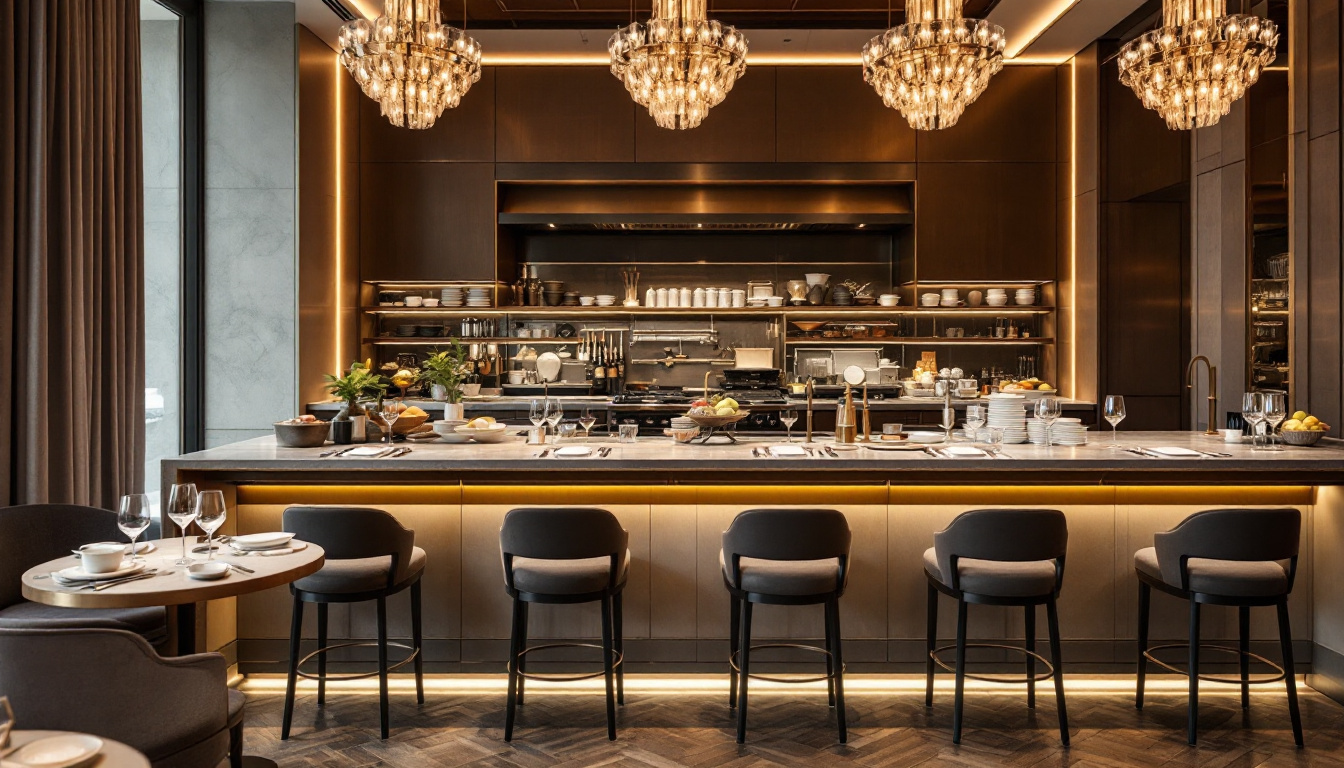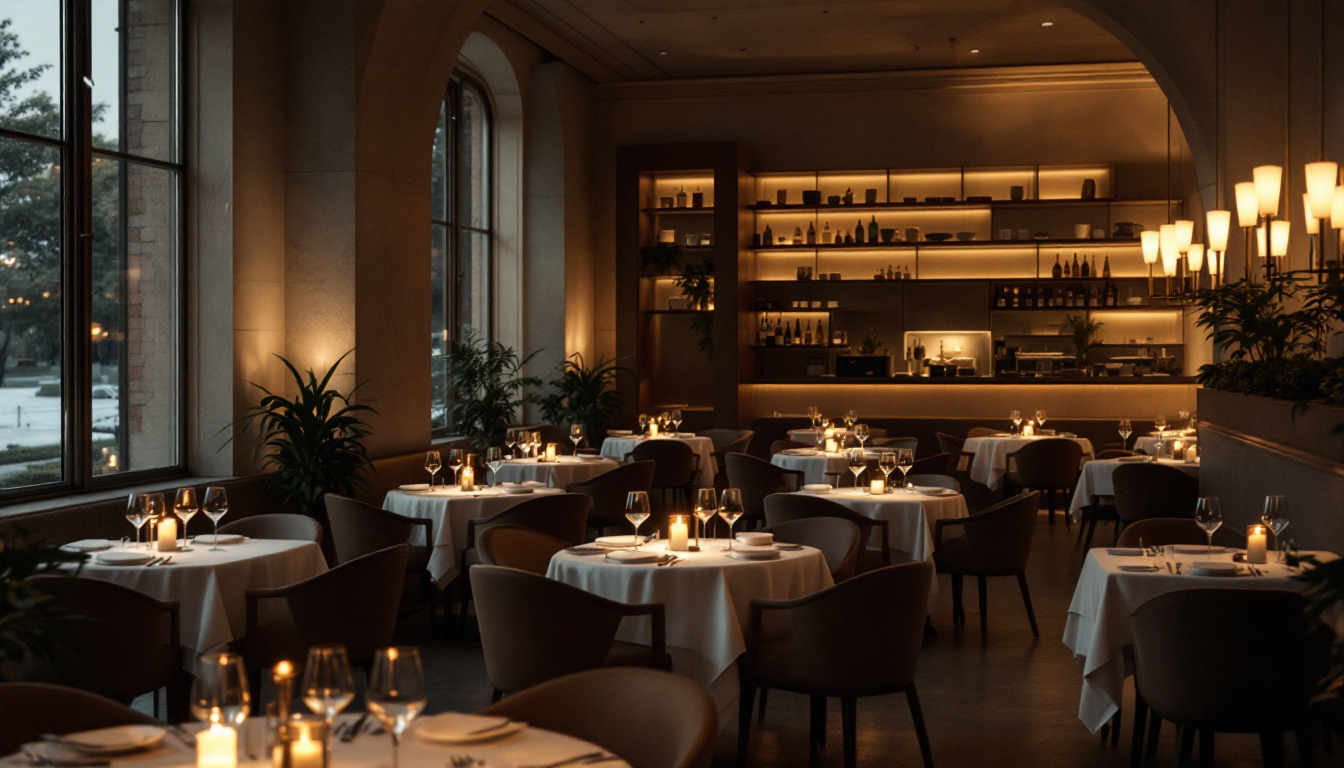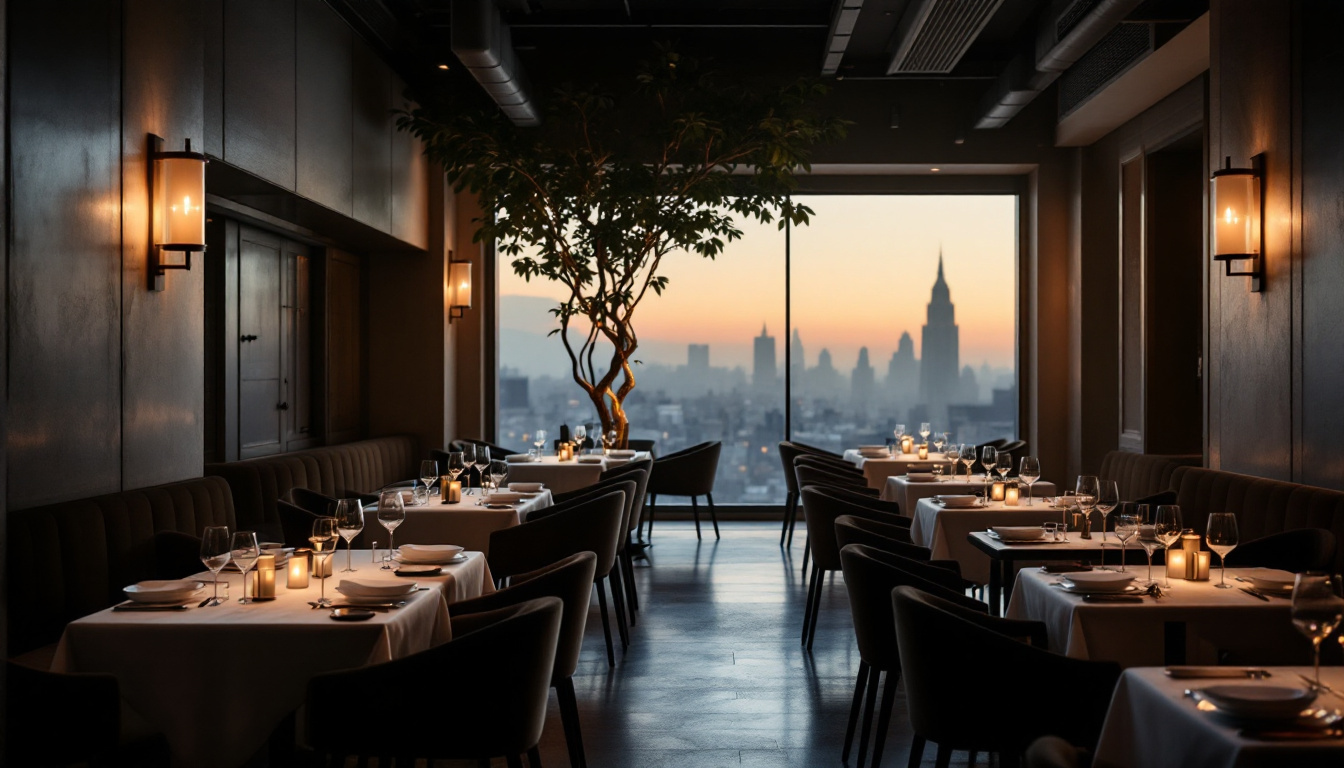
I sat at table eleven on a Thursday evening in mid-March 2026, the round four-top in the centre of the upstairs dining room at Quintonil, having walked the six minutes from the Hotel Camino Real Polanco through the upper-Polanco grid in a cool spring evening. The room — the second floor of a renovated 1940s townhouse on Calle Newton, with approximately forty-five seats across two connected dining rooms and a small open kitchen visible from most tables — is unchanged in its essential architecture since the 2019 refurbishment, when Vallejo and Flores reworked the lighting, the flooring, and the front-of-house service flow without disturbing the underlying shell of the building.
I came to Mexico City specifically to compare the current state of the city’s two Michelin two-star rooms — Quintonil and Pujol, six blocks apart on either side of the Polanco district — in the second year after the inaugural Michelin Guide Mexico in May 2024. The two rooms are the working twin anchors of contemporary Mexican fine dining. Both have, in my view, gained from the Michelin arrival; the institutional weight of the rating has tightened the kitchens and has formalised the international press attention that the rooms had been receiving informally for a decade.
The chef
Jorge Vallejo was born in Mexico City in 1979. He trained at the Centro Culinario Ambrosía in Mexico City and then completed stages at Pujol (under Enrique Olvera, 2005-2007), at Noma in Copenhagen (under René Redzepi, 2008), and on a Hyatt-sponsored programme aboard a luxury cruise ship in the Mediterranean (2009-2011). He returned to Mexico City in 2011 to open Quintonil with his wife Alejandra Flores in November 2012. The room was twenty-eight seats at the original opening; the current forty-five-seat configuration dates to the 2017 expansion into the second floor of the building.
The room took its first Latin America’s 50 Best entry at No. 23 in 2014, climbed steadily through the rankings (No. 13 in 2015, No. 6 in 2017, No. 3 in 2019), took the Latin America’s 50 Best No. 1 designation in 2022, and has held a top-ten position on the World’s 50 Best list since 2019. The Michelin arrival in 2024 brought two stars at the inaugural guide announcement on May 14, 2024; the 2025 and 2026 guides retained the two-star designation. The World’s 50 Best 2025 list ranked Quintonil at No. 3.
Vallejo is at the kitchen pass for almost every service. Flores runs the floor and is the working co-owner. The kitchen brigade is approximately twenty. The service team is approximately twelve.
The menu framework
The kitchen’s working ingredient framework — Vallejo describes it as “98 percent Mexican” — is one of the most disciplined ingredient programmes in any major contemporary fine-dining kitchen. The constraint is genuine. Caviar is imported (from a Polish producer the kitchen has used since 2015). Olive oil is imported (from a small Italian producer Vallejo’s wife sources personally). A small selection of wine-pairing fish — particularly Atlantic turbot and Atlantic monkfish, which do not have working Mexican Pacific equivalents — is imported. Everything else on the menu is sourced from within Mexico, including the rice (a single producer in Morelos), the salt (a small artisanal producer in Guerrero), the chocolate (a single-origin cacao programme in Tabasco), and the wide spectrum of corn, beans, squash, chili, and herbs that anchor the indigenous Mexican pantry.
The room is named for the quintonil — the wild Mexican amaranth (Amaranthus hybridus) that has been a staple of indigenous Mexican cooking for at least three thousand years and that is treated by the kitchen as a working symbol of the pre-Hispanic ingredient tradition. The amaranth appears in some form on every menu the kitchen has run.
The opening
The meal opens with five small bites served at the table across the first thirty minutes, accompanied by a small glass of Mexican sparkling wine from a Valle de Guadalupe producer (Casa Madero’s Tres Crianzas Brut, the kitchen’s longstanding house opener).
The first bite on my evening was a small tartlet of grilled corn with a single piece of cured hibiscus flower and a small dab of fermented avocado. The tartlet shell was made with stone-ground white corn from a Tlaxcala producer the kitchen has worked with for nine years. The second was a small piece of grilled quintonil leaf with a single dab of preserved ant larvae (escamoles, the pre-Hispanic luxury ingredient harvested from the roots of agave plants) and a single drop of grilled-pumpkin-seed oil. The third was a small cracker of toasted blue corn topped with a single piece of cured wild tuna from a Baja California supplier the kitchen has used for seven years. The fourth was a small bite of grilled grasshopper (chapulines, the traditional Oaxacan ingredient, here served as a single bite on a small biscuit of toasted amaranth) with a small dab of preserved pasilla chili. The fifth was a single warm tortilla — the kitchen’s house tortilla, made from stone-ground heirloom corn in three colours (white, blue, and red), produced at a small workshop on the ground floor of the building — with a single dab of cultured cream and a small piece of warm grilled fish.
The main sequence
The principal courses began at approximately 20:25 and ran through nine dishes across the next ninety minutes.
The opening principal was the kitchen’s signature ceviche-style preparation — a small composed plate of cured sea bass from a Baja California supplier, dressed with a sauce of fermented green chili, a small dab of avocado purée, and a single piece of grilled green mango. The dish has been on the menu in different forms since 2014 and is one of the most consistent expressions of contemporary Mexican seafood cooking in the country.
The second course was a small bowl of warm consommé of grilled corn — the corn roasted in the wood oven for forty minutes, the consommé clarified through a raft of egg white, served at exactly 65 degrees — with a single quenelle of smoked-trout mousse from a producer in Veracruz and a small dab of pickled jicama. The third was the kitchen’s working centre of the corn vocabulary — a small composed plate of three corn preparations from a single Tlaxcala heritage variety (a small tamale, a single piece of grilled corn on the cob, and a small spoonful of warm corn purée), with a single sauce of preserved black truffle from a producer in the Sierra Madre (the truffle producer is the only Mexican commercial truffle operation; the kitchen has supported the producer since 2019).
The fourth was a small piece of slow-cooked octopus from a Yucatán supplier, glazed with a reduction of fermented chili. The fifth was a small bowl of warm pearl-barley risotto with a single piece of grilled scallop. The sixth was the kitchen’s working centre of the meal — a piece of slow-cooked Mexican wagyu (the beef from a Sonoran ranch the kitchen has used for six years; the cattle are a Wagyu-Charolais cross raised on local feed) with a sauce of fermented pasilla chili and a small portion of stone-ground white-corn polenta. The seventh was a small composed cheese course (the kitchen retains a small cheese course on the menu — a single small triangle of aged Chihuahua-style cheese from a Mennonite producer in the northern state). The eighth was a small palate-cleansing course of preserved citrus with a single dab of fermented honey. The ninth was the kitchen’s signature mole-style course — a small piece of slow-cooked turkey with a sauce of black mole (the kitchen’s mole is made from a base of thirty-two ingredients including six chilies, four nuts, three seeds, two chocolates, and a long list of spices and dried herbs; the sauce is cooked for sixteen hours and is matured for at least three days before service).
The dessert sequence
The dessert programme is run by pastry chef Alondra Toledo (with the room since 2020) and is, on the evidence of two visits across the post-Michelin era, one of the strongest pastry programmes in contemporary Mexican fine dining. The sequence runs three bites across thirty minutes.
The opening dessert was a small composed plate of preserved Mexican vanilla (from a single Veracruz producer the kitchen has worked with for eleven years), with a quenelle of corn-silk ice cream and a small dab of grilled-pumpkin-seed oil. The second was a small bowl of warm chocolate consommé (made from a single-origin Tabascan cacao) with a single piece of grilled banana and a small dab of fermented cream. The third was a small petits-fours sequence of three chocolates — one with chili, one with vanilla, one with grilled corn — from the kitchen’s own single-origin programme.
The wine
The cellar is run by sommelier Daniel Pacheco and is, in my view, the most coherent Mexican-focused wine programme in any Mexican fine-dining room. The list runs approximately 1,400 bins. The Mexican weighting is heavy — approximately 60 percent of the bins are from Mexican producers (overwhelmingly from the Valle de Guadalupe in Baja California, with a smaller selection from the Querétaro and Coahuila regions). The room has been a leading champion of the Mexican wine industry since the 2012 opening and was, in the working judgement of three Mexican wine producers I spoke with on this trip, the single most important fine-dining client of the Valle de Guadalupe through the 2015-2022 period when the industry was still establishing its international reputation.
The standard pairing runs ten glasses at MXN 3,200 (approximately USD 160) and is the right answer for most guests. The reserve pairing — heavier on Burgundy and on aged Mexican wines — runs MXN 5,800. The non-alcoholic pairing at MXN 1,800 is built around fermented aguas frescas, agave distillates (alcohol-free, made by the kitchen from raw agave juice), and house-made juices; the pairing is on the level of the best non-alcoholic pairings in the Americas.
The argument
The argument that the room has been making since 2012, and that the Michelin two-star designation in 2024 and the World’s 50 Best No. 3 ranking in 2025 have formalised, is that contemporary Mexican fine dining can sustain a 98-percent Mexican ingredient framework while operating at the highest technical level of contemporary European-trained cooking. The argument has been settled. The two-star designation in the inaugural Mexico guide was unsurprising. The continued World’s 50 Best top-ten position is unsurprising. The cooking, on the evidence of a Thursday in mid-March 2026, is at the strongest sustained creative period in the room’s fourteen-year history.
For a guest who is making one Mexico City fine-dining booking in 2026, the Quintonil-Pujol pair — Quintonil for a Thursday evening, Pujol for a Saturday lunch — is the right structural answer. The two rooms make the case for contemporary Mexican fine dining together in a way that neither room makes alone. Both are bookable with two months of planning. Both are worth the trip.
Standing Questions
- How do I book?
- Reservations open two months in advance at quintonil.com on the first day of each month at 09:00 Mexico City time. The booking window closes within twenty to thirty minutes for weekend services; Tuesday and Wednesday evenings hold availability for several hours. Full prepayment is no longer required (the room moved to a credit-card hold model in early 2025); the cancellation window is 48 hours before service. The kitchen will accommodate severe allergies and dietary restrictions with 24 hours' notice.
- What is the cooking like?
- Contemporary Mexican fine dining with an unusually pure ingredient framework. Vallejo describes the menu as 98 percent Mexican-sourced — only caviar, olive oil, and certain wine-pairing fish are imported. The menu vocabulary is built around the indigenous Mexican pantry (corn, beans, squash, chili, cacao, vanilla, the wild quintonil amaranth that gives the room its name) prepared through European-trained technique. The cooking is more restrained and less explicitly traditional than at Pujol; the dishes are more compositionally minimal than at Sud777 or Rosetta.
- Pairing or no pairing?
- Take the wine pairing. The cellar is run by sommelier Daniel Pacheco (with the room since 2018) and is built around Mexican wines from the Valle de Guadalupe (the kitchen has been a leading champion of the Mexican wine industry since the room opened, and the list runs approximately 60 percent Mexican producers) supplemented by a tight selection of Burgundy and a small grower-Champagne programme. The standard pairing runs ten glasses at MXN 3,200. The non-alcoholic pairing — built around fermented aguas frescas, mezcal-free agave distillates, and house-made juices — is MXN 1,800 and is genuinely serious.
- How does Quintonil compare to Pujol?
- The two rooms — Quintonil in the upper Polanco at Newton 55 and Pujol in the lower Polanco at Tennyson 133 — are the twin anchors of contemporary Mexico City fine dining and operate at the same Michelin two-star tier in the 2026 guide. Pujol (Enrique Olvera, opened 2000) is the older, more institutionally recognised room and operates with a more explicit narrative connection to traditional Mexican cooking history (the room's signature mole madre, the months-old mother sauce that anchors the menu). Quintonil (Vallejo and Flores, opened 2012) is the more technically focused room and operates with a more contemporary fine-dining sensibility. For a Mexico City trip, both rooms are bookable and both are worth the trip; the two-restaurant pairing is the right answer for a serious food guest.
- Where do I stay in Mexico City?
- The Hotel Camino Real Polanco (Mariano Escobedo 700, opened 1968, designed by Ricardo Legorreta, eight minutes by taxi from Quintonil) is the right answer for a guest who wants a serious modernist hotel in walking distance of both Quintonil and Pujol. The Las Alcobas (Presidente Masaryk 390, six minutes by taxi) is the right answer for a smaller luxury property. The Four Seasons Mexico City on Reforma is twenty minutes by taxi in working evening traffic and is the wrong answer if your trip is built around Polanco dinners. The St. Regis Mexico City on Reforma is the same.