I had a 20:00 reservation at Reale on a Saturday in early April 2026 — the second weekend after the kitchen’s Easter reopening, with a room booked at the Casadonna hotel above the restaurant for the night. I had driven east from Rome on the A24 at 16:00, climbing through the central Abruzzo highlands across the Apennine plateau in clear late-afternoon light, with the snow still visible on the highest peaks. The drive from Rome to Castel di Sangro takes two hours fifteen minutes in light traffic and runs through some of the most architecturally consequential mountain landscape in central Italy — small medieval villages set into the hillsides, stone bell towers visible from the autostrada, the Apennine ridge running south-southeast through the centre of the peninsula.
The Casadonna sits on a hillside two minutes south of the centre of Castel di Sangro, at the end of a small road that climbs the slope from the town square. The building is a two-storey stone monastery dating to the sixteenth century, recently restored with a careful preservation of the original stonework and arched windows. The maître d’, Roberto Lanzilli (who has been at the restaurant since the Casadonna opening in 2011), met me at the front entrance and walked me through the small reception hall to the dining room.
Reale is the working project of Niko Romito, who opened the first iteration of the restaurant in 2000 in his family’s small pasticceria in Rivisondoli, twenty minutes north of Castel di Sangro. Romito was twenty-six at the time. He had no formal culinary training. He had been working in his family’s pasticceria as a pastry assistant since his teens, had briefly studied economics at university, and had returned to the family business in 1998 to take over from his father (who had died unexpectedly). He converted the pasticceria to a restaurant in 2000 and earned the first Michelin star in 2007 — a self-taught chef in a small town in the Abruzzo mountains, with no professional training and no high-profile kitchen experience.
He earned the second Michelin star in 2009. The third came in 2013. The progression from no stars in 2007 to three stars in 2013 was, at the time, the fastest ascent to three stars by an Italian-born chef in modern Michelin history. The kitchen has held three stars continuously since. In 2011 Romito and his sister Cristiana bought the Casadonna monastery and moved the restaurant to the new location. In 2018 Romito began the consulting programme for the Bulgari hotel restaurants worldwide. He is, at fifty-three in 2026, the most consequential single Italian chef of his generation.
The room
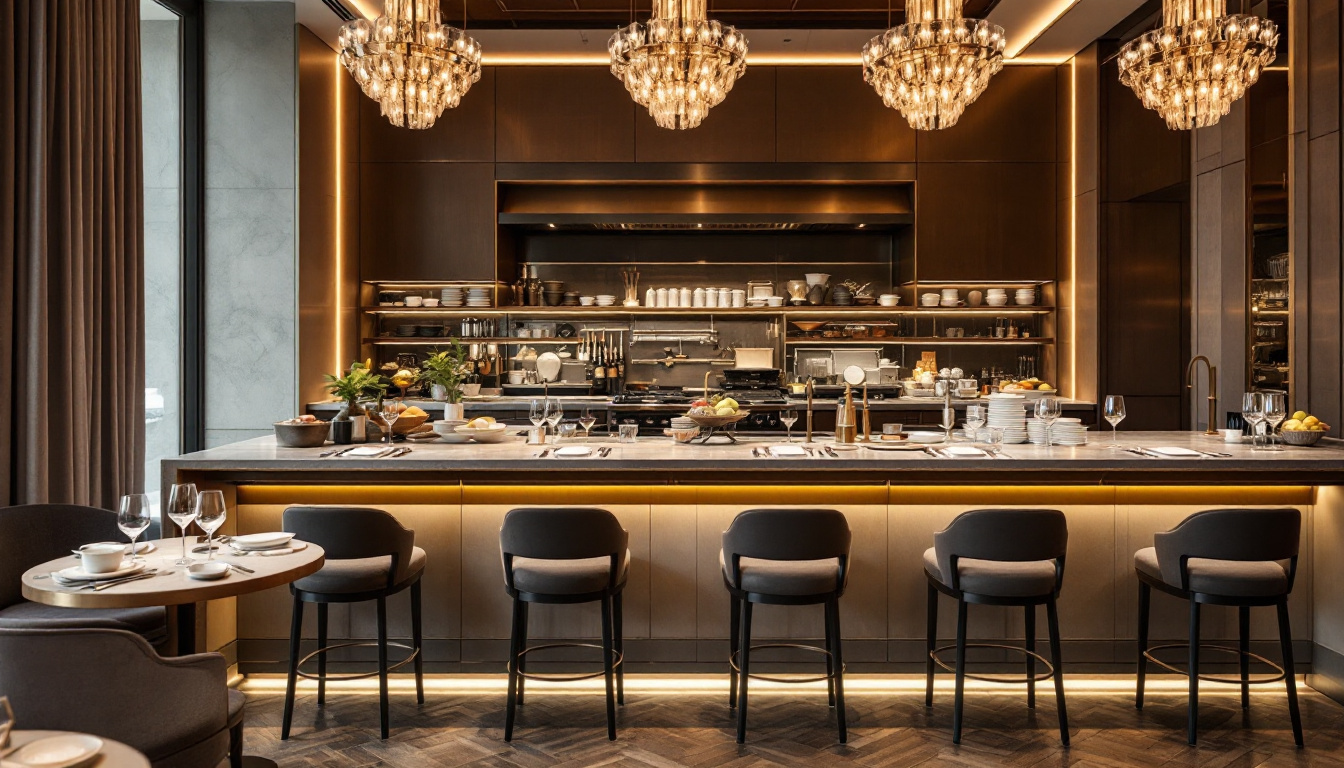
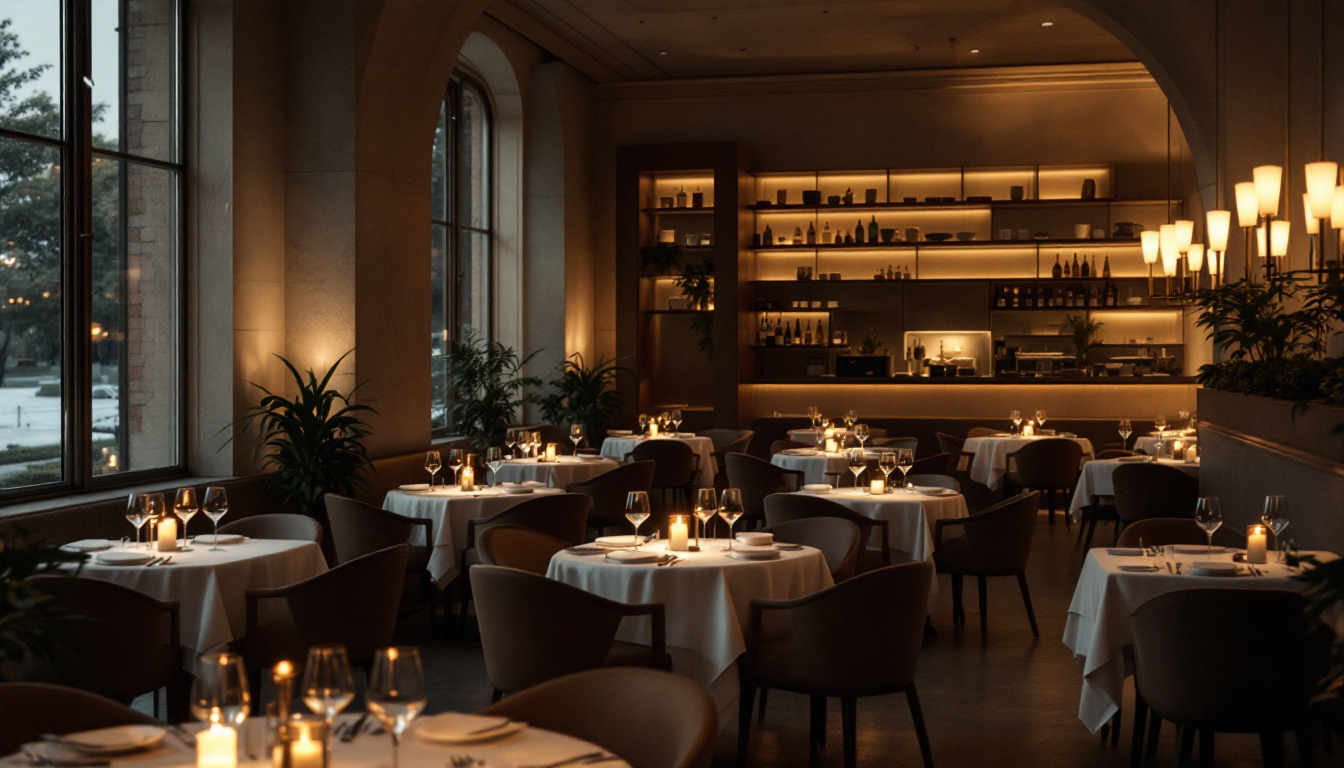
The Reale dining room takes the ground floor of the Casadonna monastery — approximately 1,400 square feet, organised in a single rectangular hall with a low coffered ceiling, exposed stone walls along the long north and south sides, and a row of arched windows on the south wall that look across the Sangro valley toward the small medieval village of Roccaraso on the far slope. The aesthetic is the deliberate restraint that has characterised Romito’s vocabulary since the Casadonna relocation in 2011: warm cream walls in a soft fabric finish, simple Italian-walnut furniture, ivory linen tablecloths, low warm lighting from small individual sconces.
The room takes approximately thirty covers across ten tables. Service is led by Roberto Lanzilli with a brigade of seven on the floor. The pacing on this evening was the relaxed Abruzzo pace — courses arrived at calculated intervals across approximately three hours, the conversation at the table was permitted to set the rhythm, the wine glasses were refilled at the right moments.
The room’s defining piece of architecture is the south wall of arched windows. The view across the Sangro valley is the meal’s quietest piece of background — the lights of Roccaraso village visible in the distance, the dark line of the Apennine ridge against the night sky, the small road below the monastery winding down to Castel di Sangro. The view is the kitchen’s deliberate framing of the meal in the Abruzzo landscape.
The opening: Assoluto di Cipolla
The opening course of the menu was Romito’s most-discussed single piece — Assoluto di Cipolla. The course is a small ceramic bowl, approximately the size of a tea cup, containing a clear consommé made from a single ingredient: onion. The consommé is built from approximately eight kilograms of yellow onions, slowly cooked at 90°C for twelve hours, pressed through a series of progressively finer filters, then clarified to crystal clarity through the kitchen’s standing egg-white raft technique. The final product is a clear amber liquid with the colour of a light beer and the aromatic depth of a long-cooked onion soup.
The course arrives at the table warm, served in the small ceramic bowl with no garnish, no spoon-side accompaniment, no contributing sauce. The kitchen’s working principle — what Romito has described in his published interviews as ‘subtraction’ — is that the highest expression of an ingredient is the ingredient stripped of all inessential components. The Assoluto di Cipolla is the most direct expression of this principle in the kitchen’s repertoire and is the dish that has, more than any other, defined Romito’s cooking across the past two decades.
The course was, on this evening, the right temperature, the right depth of the onion aromatic, the right intensity of the natural sweetness. The dish is, in the strict sense, a single ingredient prepared with maximum technical attention and minimum supporting framework. It is also one of the most technically demanding single courses in the global three-star repertoire — the consommé requires twelve hours of slow cook plus four hours of clarification, with no margin for error in either phase.
The seven other defining courses
The second course was a small plate of Reale’s signature pasta — a small portion of spaghetti, dressed with a small pour of fermented tomato water and a single piece of fresh basil. The pasta is the kitchen’s most direct demonstration of the subtraction framework applied to the most classical Italian carbohydrate. The spaghetti was made in-house by the kitchen’s pasta cook (a separate brigade member who works only on the pasta service); the tomato water was clarified through the same egg-white raft technique used for the onion consommé; the basil was from the estate kitchen garden adjacent to the monastery.
The third course was a single piece of cured San Marzano tomato, sliced thin and served raw at room temperature with a small drop of estate olive oil and a single petal of basil. The course is the menu’s most direct statement that the tomato — the most familiar single Italian ingredient — can, in trained hands, be the centre of a course on its own. The tomato was sourced from a small grower in Campania the kitchen has worked with since 2008. The cure was a brief salt-and-vinegar treatment of approximately ninety minutes.
The fourth course was a small bowl of warm white-bean soup with a single piece of cured lardo and a small dressing of estate olive oil. The white beans were the local Abruzzo Solina variety, sourced from a small grower in the Apennine highlands south of the restaurant. The lardo was the local cured-pork-fat preparation, sourced from a small Abruzzo butcher the kitchen has worked with since 2003. The soup was the kitchen’s most direct expression of the local Abruzzo culinary tradition.
The fifth course was a single piece of slow-roasted lamb saddle, dry-aged for twenty-one days, served with a small puree of fermented black garlic and a thin reduction of lamb jus. The lamb was the local Abruzzo breed (the Sopravissana, a small mountain sheep), sourced from a single small farm twenty minutes south of the restaurant. The cooking was a slow roast at low temperature for forty minutes followed by a brief rest before slicing. The course was the menu’s substantial main and was the kitchen’s quietest piece of conventional Italian technique.
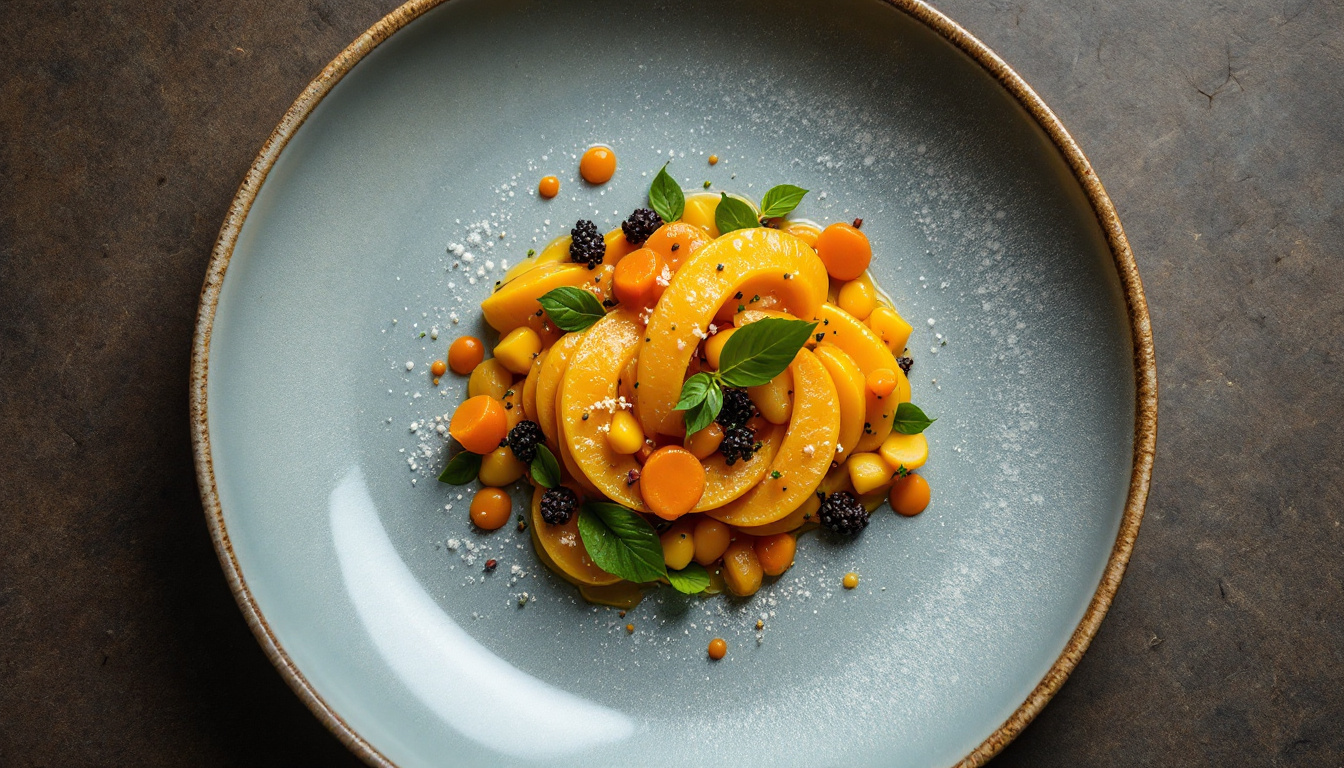
The sixth course was the menu’s transition to dessert — a small dish of grilled estate apple with a single drop of estate honey and a thin layer of crystallised verbena. The seventh and eighth courses were the formal dessert sequence — a small composition of fresh ricotta with a small spoon of estate honey and a thin layer of crushed walnut, and a closing dessert of warm dark chocolate ganache with a single piece of cured orange peel.
The closing mignardise programme — brought to the table on a small wooden tray with eight small individual pastries from the kitchen’s pasticceria heritage — was the meal’s quiet close.
The hotel and the academy
The Casadonna property includes the eight-room Casadonna hotel on the upper floor and the Niko Romito Academy in the adjacent building. The hotel rooms are spacious by the standards of contemporary Italian regional hotels — my room (room four, on the south side of the upper floor, with a small balcony overlooking the Sangro valley) was approximately 500 square feet, with a heavy wooden bed, a deep soaking tub in the marble bathroom, and a view of the valley to the south. The room rate was EUR 380 per night including breakfast.
Breakfast at the hotel was served in the small ground-floor dining room from 08:00 to 10:30, on a continental menu with estate honey, local Abruzzo cheese, two breads from the in-house bakery, soft-boiled eggs from a small farm twenty minutes south, and coffee from a small Pescara roaster.
The Niko Romito Academy occupies the small stone building adjacent to the monastery and operates as a culinary school the Romitos founded in 2011 to train Italian cooks. The academy runs three programmes — a foundation programme for cooks entering the profession, an advanced programme for cooks already working in fine-dining kitchens, and a pastry programme. The academy graduates approximately forty cooks per year, many of whom go on to work in the Bulgari hotel restaurant programme that Romito consults on globally.
The Bulgari programme
The Bulgari hotel restaurant programme is the most consequential global element of Romito’s working portfolio outside the Reale kitchen itself. Since 2018, Il Ristorante Niko Romito has opened at Bulgari hotels in Milan, Dubai, Beijing, Shanghai, Paris, Tokyo, and Rome — seven properties, with additional openings planned for Miami and Maldives in 2027. The Milan property, the longest-running, earned its own Michelin star in the 2019 Italian guide. The Bulgari hotel restaurants are the way most international travellers will encounter Romito’s cooking — the menu at each Bulgari property is the simplified expression of the Reale framework, focused on the kitchen’s signature pasta and fresh-produce courses.
The Bulgari programme is also the most consequential single example in contemporary global fine dining of the chef-and-hotel-group integration model. Romito has built the menus, the working techniques, the staff training programme, and the supplier networks for all of the hotel restaurants from a single design framework. The model has shaped how other chef-and-hotel partnerships are structured across the industry.
The wine
The wine list at Reale runs to approximately 1,500 references and is heavily weighted toward Italian wines from across the peninsula, with a particular depth in central and southern Italian appellations. The list is led by sommelier Gianni Sinesi, who has been with the Romito operation since the original Rivisondoli days in 2006 and who is the kitchen’s longest-tenured floor member.
The pairing programme on the dinner tasting was the classic pairing at EUR 145, which ran five wines across the eight courses. The standout pairings were a 2020 Valentini Trebbiano d’Abruzzo with the white-bean soup and a 2014 Edoardo Valentini Montepulciano d’Abruzzo with the lamb — both were the right wines and the pairing as a whole was the most considered Abruzzo regional pairing I have taken at any kitchen.
For diners who prefer to drink by the bottle, the cellar’s deepest section is the central Italian programme — the Valentini and Tiberio bottlings from Abruzzo, the Paolo Bea from Umbria, and a small but serious section on natural wines from Lazio.
The verdict
Reale is the most consequential single Italian three-star kitchen of the contemporary era. The subtraction framework is genuinely Romito’s own contribution to global fine dining; the Assoluto di Cipolla is the framework’s defining single course; the property at Casadonna is the integration of restaurant, hotel, and academy that has shaped a generation of Italian cooks. The Bulgari programme extends Romito’s reach across the global luxury hotel scene in a way no other Italian chef has matched.
The bill, for the eight-course tasting with the classic pairing and service, came to EUR 458 per guest. The walk upstairs to the hotel room at 23:35 was the meal’s quiet close. The valley below the monastery in the Abruzzo night was dark, with only the distant lights of Roccaraso visible across the valley.
Reale is the right Italian three-star booking for a serious eater making a first visit to central Italy, and the right second booking for a returning visitor who has already done one of the Tuscan or Piedmontese rooms. The framework is the kitchen’s defining contribution; the drive through the Abruzzo highlands is the trip’s defining context. Book the dinner and the hotel together.
Verification
Filed against the following sources, last verified on March 7, 2026. The desk re-checks the source URLs on every dated modification of the piece.
- https://www.bulgarihotels.com/en_US/rome/dining/il-ristorante-niko-romito
- https://www.tastytrip.com/en/reale-20220813/
- https://www.lacucinaitaliana.com/trends/restaurants-and-chefs/chef-niko-romito-3-michelin-stars
- https://italianfoodacademy.com/en/cucina-degli-hotel-bulgari-niko-romito/
- https://luxeatguide.com/restaurants/niko-romito-at-bulgari/
Standing Questions
- Where is Castel di Sangro and how do I reach it?
- Castel di Sangro sits in the Abruzzo mountains, approximately two hours east of Rome by car. The drive runs east on the A24 through Tagliacozzo and then south on the A25 to Sulmona, then a final fifty minutes east on the SS17 across the central Abruzzo highlands. From Naples, the drive is two and a half hours northeast via the A1 and A14. There is no useful public transport — the nearest train station is Sulmona, ninety minutes north by car. Fly into Rome Fiumicino (FCO) or Pescara (PSR, on the Adriatic coast, ninety minutes east by car) and hire a car. The route through the Abruzzo highlands is one of the most consequential drives in central Italy.
- What is the Casadonna and how does the monastery framework work?
- Casadonna is a sixteenth-century former monastery that Niko Romito and his sister Cristiana bought in 2011 to relocate the original Rivisondoli restaurant. The property — a stone two-storey building on a hillside above Castel di Sangro, with views across the Sangro valley — houses the dining room on the ground floor, the Casadonna hotel (eight rooms) on the upper floor, the Niko Romito Academy (a culinary school the Romitos founded in 2011 to train Italian cooks), and the kitchen gardens. The monastery framework is the kitchen's working physical setting and the academy is the kitchen's working training programme — the cooks who staff Reale come up through the academy, and many of the cooks who staff the Bulgari hotel restaurants worldwide have come up through the same programme.
- What is Romito's signature technique?
- Romito's working framework is what he has described as 'subtraction' — the systematic removal of inessential components from a dish to reveal the essential character of the primary ingredient. His most famous single dish, Assoluto di Cipolla (Absolute of Onion), is a small ceramic bowl containing a clear consommé made from a single ingredient (onion) — clarified, reduced, served warm with no garnish, no additional protein, no contributing sauce. The dish is the menu's clearest demonstration of the subtraction framework and is the kitchen's most-discussed single piece. The framework is genuinely Romito's own contribution to contemporary Italian fine dining and has shaped a broader generation of Italian cooks.
- What is the Bulgari programme?
- Since 2018, Romito has been the executive consulting chef for the Bulgari hotel restaurant programme worldwide. Il Ristorante Niko Romito has opened at Bulgari hotels in Milan (which earned its own Michelin star in the 2019 guide), Dubai, Beijing, Shanghai, Paris, Tokyo, and Rome. The Romito hotel programme is the deepest single chef-and-hotel-group integration in contemporary global fine dining — Romito has built the menus, the working techniques, and the staff training programme for all of the hotel restaurants, and he visits each property on a rotating quarterly schedule. The Bulgari programme is the way most travellers will encounter Romito's cooking outside Italy.
- How do I book Reale and when does it open?
- Reservations open via the restaurant's website three months in advance. The kitchen is closed January through mid-March for the annual winter break — Reale reopens for Easter (in 2026, the reopening date is 26 March). Prime weekend windows allocate within twenty minutes of the booking window opening; weeknight slots are achievable inside thirty days. The Casadonna hotel above the restaurant is the right answer for accommodation — book the eight rooms simultaneously with the dinner reservation. The hotel reopens on the same calendar as the restaurant.