The drive from San Francisco to Healdsburg on a Friday in late January 2026 took two hours and ten minutes from the rental-car lot at SFO. I had a 17:30 reservation at SingleThread and a room upstairs at the inn for the night, and I rolled into the public garage behind the Healdsburg Plaza at 16:50, walked the two blocks east to North Street, and stood for a moment under the wood-shingled facade of the corner building that has, since 2016, housed the most-decorated restaurant in California’s wine country.
SingleThread is the working partnership of Kyle Connaughton (chef, husband) and Katina Connaughton (farmer, wife), and the two halves of the business — the restaurant and the farm — operate as a single integrated unit in a way that almost no other three-star kitchen in North America attempts. Kyle trained at the Royal Hotel in Hokkaido under chef Michel Bras and spent a formative decade at the Fat Duck in Bray as head of research and development before returning to California to open his own room. Katina runs the 24-acre farm in Dry Creek Valley, five miles north of the restaurant, with a team of nine, and every plant, vegetable, fruit, and flower that arrives in the kitchen is harvested by her crew that morning. The restaurant holds three Michelin stars (awarded in 2018, retained every year since) and the inn upstairs holds three Michelin Keys (awarded in the 2025 Keys guide); the property is one of a small handful in the United States to hold both.
I am writing this review four days after the meal. What follows is one diner’s account of a single dinner — eleven courses across three hours, served at table seven in the south corner of the dining room — together with the night that followed in room three upstairs.
The room
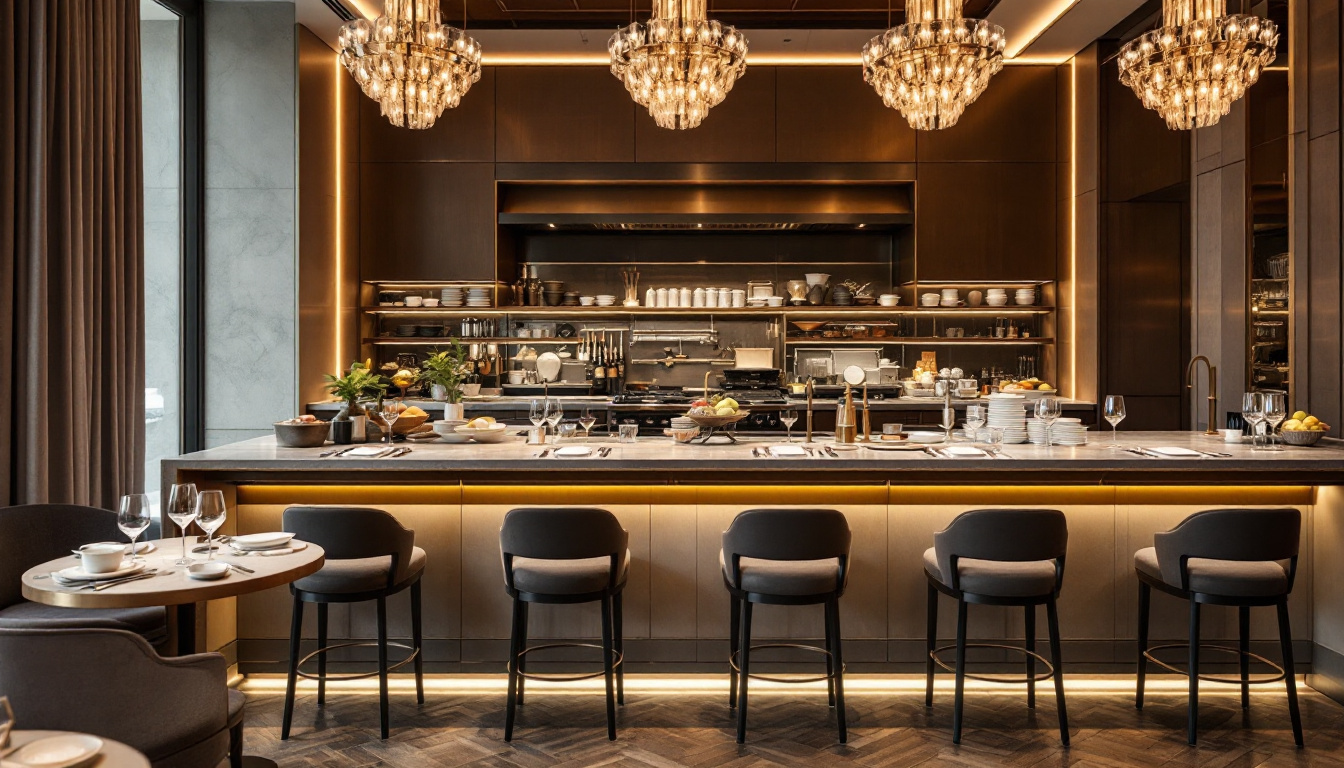
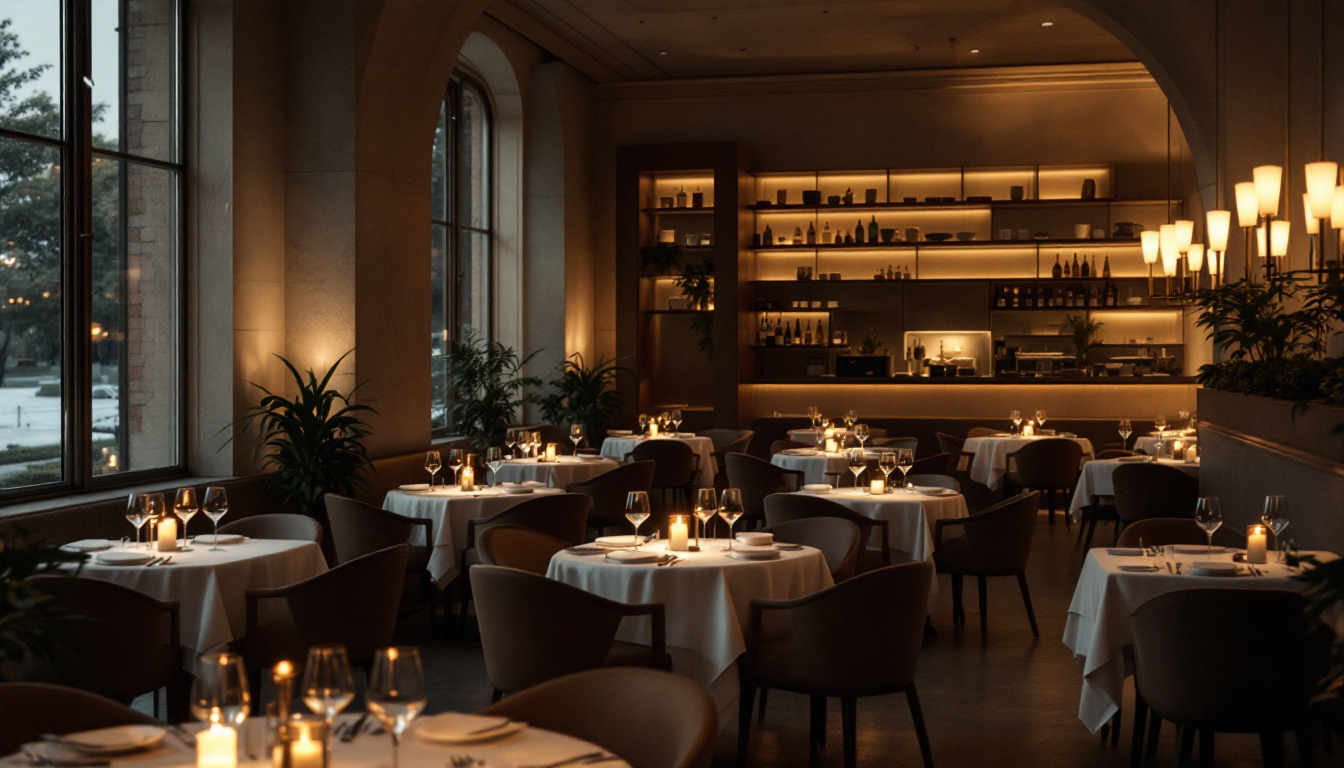
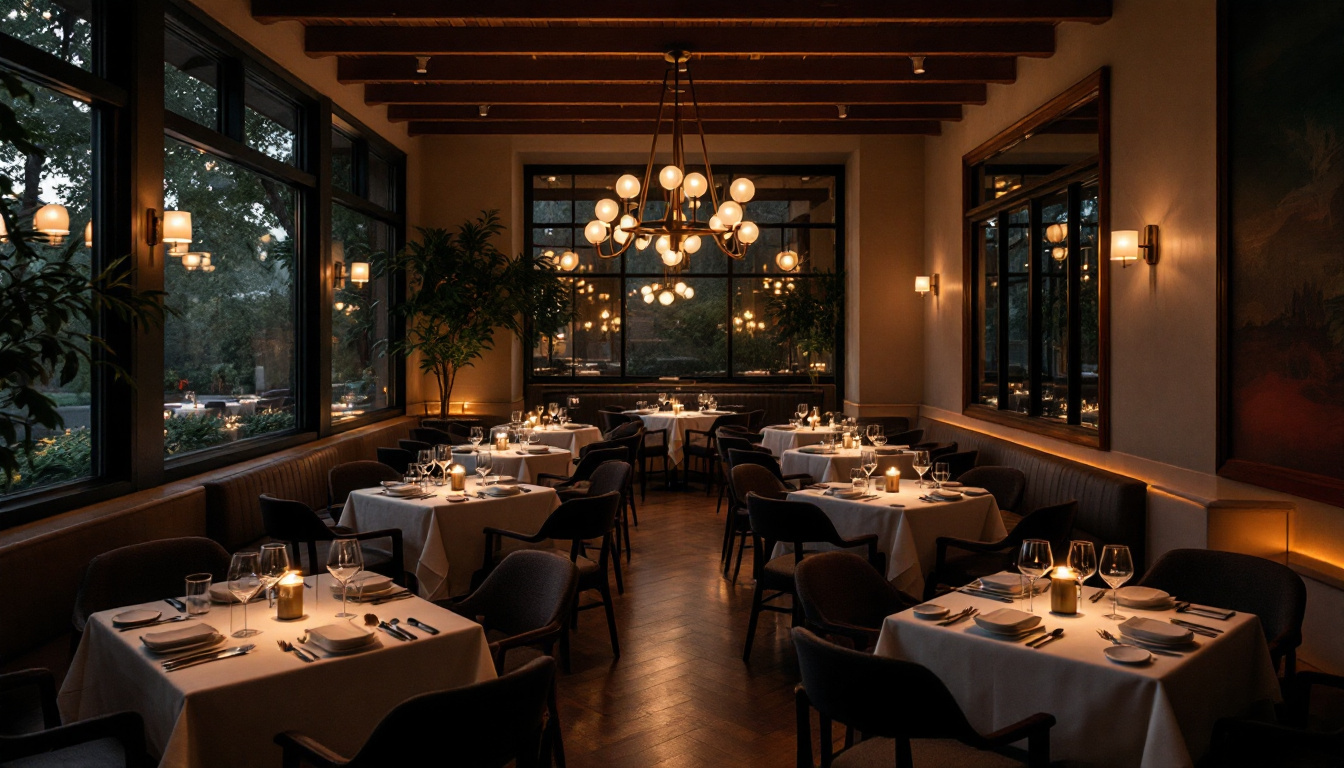
The dining room sits on the ground floor of a purpose-designed building that occupies the corner of North and Center Streets. Architecturally, the room is the work of San Francisco firm AB Design Studio and reads as a contemporary American take on a Japanese ryokan: a high coffered ceiling in pale white oak, a long open kitchen along the north wall behind a low marble pass, banquettes in stone-coloured leather along the south wall, and a four-seat chef’s counter directly in front of the pass. The lighting is warm and dropped low over the tables. There is no music. The tableware is custom — many of the plates and bowls are by Sonoma County potter Aaron Wittman, and several of the larger serving vessels were thrown specifically for the menu’s opening course.
The room takes twelve tables and the chef’s counter, for approximately fifty covers across the two seatings (17:30 and 20:30) on a Friday or Saturday. Service is led by general manager Eric Railsback (the former proprietor of Notary Public Wines, recruited to SingleThread in 2022) with a brigade of eight on the floor for the early seating. The pacing was good. The room felt unhurried in the way that the best fine-dining rooms manage — there were natural pauses between courses where the conversation at the table could find its own rhythm.
The opening
The opening course at SingleThread is the dish that, more than any other, has come to define the restaurant in food-press coverage since 2016. It arrives on a heavy slab of slate, roughly the size of a serving platter, set down at the centre of the table for two. On the slate that night were thirty-one separate small bites, arranged in a still-life pattern that read, at first glance, as a winter forest floor: a half-dozen small dishes containing single oysters dressed with a citrus mignonette; a small wooden box of warm chawanmushi with grilled trumpet mushroom; cured persimmon with a single curl of dried scallop; a small ceramic spoon holding a slice of dry-aged duck liver torchon; a tiny stone bowl with grilled chestnuts and miso; and approximately twenty additional one-bite preparations, each made that day from farm produce that morning.
The opening course takes thirty minutes to eat. It is meant to. The course is the menu’s introduction, the kitchen’s full statement of what the farm is producing on this particular Friday in late January 2026, and it is also a deliberate piece of theatre — the slate is heavy enough that the server brings it to the table with both hands, and the table is asked to take a moment with it before beginning. The course was extraordinary. I noted, in the table notes I was keeping, that of the thirty-one bites I would happily have eaten any of them as a full small plate. Three or four — the chawanmushi, the persimmon-and-scallop, a single perfect bite of grilled radish with white miso — would have been signature plates at almost any other kitchen in California.
The eleven courses
After the opening slate, the meal moves through a structured kaiseki sequence that runs ten more courses across the next two hours. The structure does not change month to month — it follows the classical kaiseki framework of sakizuke through mizumono — but the produce inside each course rotates with what the farm is delivering.
The second course on the January menu was a single piece of Hokkaido scallop, briefly grilled over Japanese binchotan charcoal, served on a warmed ceramic plate with a single drop of citrus and a single petal of nasturtium from the rooftop garden above the restaurant. The scallop was sourced from Honokaa Marketplace, the Bay Area specialist Japanese supplier that ships overnight from Hokkaido twice weekly; the sourcing detail is part of the kitchen’s stated working method. The course was a single bite. It is intended to clear the palate from the opening slate and to introduce the kitchen’s other defining ingredient: live charcoal.
The third course — a small bowl of dashi with a single piece of poached Pacific halibut, a few slivers of grilled leek, and a yuzu zest — is the menu’s clearest demonstration of kaiseki technique. The dashi is made from a single batch of Hokkaido kombu and bonito flakes, infused at low temperature for forty minutes, strained, then re-warmed at service. The bowl arrives at the table with the lid still on; the server lifts the lid at the seat. The aroma of the kombu and yuzu is the course’s first moment.
The fourth course was a small plate of dry-aged Liberty Farms duck, sliced thin and served raw over a warm pickled-vegetable salad. The fifth course — the menu’s mid-meal demonstration — was a single hand roll of farm-grown wasabi, sushi rice, and a small piece of grilled wagyu sirloin, prepared at the chef’s counter and walked individually to each table within sixty seconds of being formed. The roll is meant to be eaten in two bites, in the format of the traditional Edomae sushi technique.
The sixth and seventh courses sit at the heart of the meal. The sixth is the menu’s takiawase — a simmered dish, here a small clay pot of slow-cooked daikon and farm carrots with a single piece of grilled mackerel and a dashi reduction. The seventh is the shiizakana, the meal’s substantial mid-section course; on this menu, the shiizakana was a single piece of A5 Miyazaki wagyu (sourced from the same Honokaa Marketplace supplier as the scallop) grilled over binchotan to a deep crust and served sliced over a small mound of fermented black-garlic puree. The wagyu was the meal’s highest-end ingredient and was treated with appropriate restraint — a single piece per guest, no sauce on the plate beyond the puree, no garnish beyond a single curl of crispy garlic chip.
The eighth course was the gohan — the meal’s rice course — and is the kitchen’s most consistent dish across the year. SingleThread serves the gohan as a single small bowl of perfectly cooked koshihikari rice, topped with a small spoonful of seasonal accompaniment (in January 2026, this was shaved black truffle from Oregon’s Willamette Valley over a thin slice of dashi-cured trout roe). The rice is cooked in a small donabe at the chef’s counter and finished at the pass. The bowl is the meal’s most modest course in presentation and one of its most technically demanding in execution.
The ninth and tenth courses are the dessert sequence — first a small palate cleanser of pomelo sorbet with grated yuzu zest and a single petal of edible flower, then a more substantial dessert of warm persimmon cake with a quenelle of grilled-cream ice cream and a small pour of dark-amber maple syrup from a Vermont producer the kitchen has worked with since 2017. The eleventh and final course is the kitchen’s signature mignardise board — a small wooden box, set down at the centre of the table, holding eight separate small bites of pastry, candied fruit, and chocolate from the patisserie team.
The complete meal, served at the early seating, finished at 20:32 — two hours and forty-two minutes after the slate was set down. The pacing was, again, well-judged for the format.
The farm
The farm is the half of the operation that most diners never see directly but that the kitchen organises itself around. I had asked at booking whether a farm visit was possible, and the team arranged a 09:30 visit on the morning after the meal — the farm receives small groups by prior arrangement, generally only for diners staying at the inn upstairs.
The farm sits five miles north of the restaurant, on a 24-acre parcel in Dry Creek Valley that the Connaughtons leased in 2014 and purchased outright in 2019. The land runs along a small creek and is divided into approximately forty separate growing beds organised by produce category — alliums in one section, brassicas in another, stone fruit and citrus in two small orchards at the east end, a half-acre of edible flowers in raised beds along the south fence. The farm produces between sixty and eighty percent of the restaurant’s vegetable and herb requirements through the year, with the remainder sourced from a small network of Sonoma and Marin producers that the kitchen has worked with since opening. Katina Connaughton runs the farm with a permanent team of nine, plus a small rotation of apprentices.
The most striking detail of the farm, for a visitor, is the harvesting schedule. The farm crew harvests for the dinner service that evening between 06:00 and 09:30, and the day’s produce is driven down to the restaurant in a single small refrigerated truck that arrives at the back kitchen door at 10:00 sharp. Nothing held in a walk-in for more than twenty-four hours; nothing held outside refrigeration for more than four. The morning’s harvest defines the evening’s menu in a literal sense — the kitchen has a standing twelve-course framework, and the produce assigns to courses as it arrives.
The inn
The inn upstairs is five rooms on the second and third floors of the restaurant building, accessed through a separate street entrance and run as a single small property by general manager James Marsh. The rooms are spacious by the standards of contemporary American boutique hotels — my room (room three, on the second floor, looking south toward the plaza) was 580 square feet, with a wood-burning fireplace, a deep soaking tub, a king bed with custom linens by Frette, and a small private balcony overlooking the street. The room rate at the time of booking was USD 1,485 per night including breakfast, plus tax.
Breakfast the following morning was the inn’s signature touch — served in the same dining room as the previous night’s dinner, on a five-course kaiseki structure, from 08:30 to 10:30 by reservation. The breakfast ran from a small dish of warm congee with cured trout roe through a course of grilled persimmon and yogurt to a small bowl of dashi-poached eggs with farm-grown spinach. The breakfast took approximately seventy minutes and was, in its own quieter way, as serious a piece of cooking as the dinner had been.
The inn also includes a small library on the third floor (well-stocked with cookbook first editions and a useful run of Burgundy reference texts), a sake-and-cocktail bar that opens at 17:00, and a small rooftop garden where some of the kitchen’s herbs are grown.
The wine
The wine list at SingleThread runs to approximately 2,400 references and is anchored by a deep Sonoma and Napa programme. The list is run by Evan Hufford, who came in from Notary Public Wines (his own retailer in Healdsburg) in 2022 and who has built one of the most thoughtful regional programmes in the country. The Williams Selyem section runs to thirty-plus single-vineyard bottlings across multiple vintages; the Aubert Chardonnay vertical is among the deepest on any restaurant list in the United States.
The pairing programme comes in two formats. The ‘classic’ pairing at USD 245 per guest runs seven wines across the eleven courses and is the right choice for first-time visitors. The ‘reserve’ pairing at USD 450 runs seven wines drawn from the cellar’s older and more singular bottles and was the pairing I took on this visit; the highlight was a 1990 Domaine Romanée-Conti Échezeaux poured with the wagyu course, which the kitchen had decanted ninety minutes ahead of service.
For diners who want to drink by the bottle, the most interesting work on the list is in the sake section — a thirty-bottle programme heavy on small Niigata and Yamagata producers, including several junmai daiginjo bottlings that are simply unavailable elsewhere in California.
The verdict
SingleThread occupies a category of one in American fine dining. There is no other three-star restaurant in the United States that operates an integrated working farm; there is no other three-star restaurant in California that operates a three-Key inn above the dining room. The cooking is rigorous, deeply researched, structurally Japanese, and consistently dialled to the produce that the farm is sending down at any given week of the year. The opening slate is the kitchen’s signature; the farm visit is the experience that, for serious eaters, will define the trip; the night at the inn is the right way to extend the meal into the following morning.
The constructed package — dinner, room, breakfast, farm visit — runs in the USD 2,400-3,000 band per couple for a single overnight at 2026 rates. That is genuinely expensive even by the standards of three-star American hospitality, and it is, in my reading, fairly priced for what the operation delivers. The food alone would justify the dinner price; the combined property is the rare case where the inn and the farm justify the rest.
I would book SingleThread twelve months ahead for a milestone occasion, and within ninety days for a serious eater’s first visit to wine country. The dining room remains, eight years after opening, the single most consequential reservation in California.
Verification
Filed against the following sources, last verified on May 8, 2026. The desk re-checks the source URLs on every dated modification of the piece.
- https://guide.michelin.com/us/en/california/healdsburg/restaurant/singlethread
- https://singlethreadfarms.com/
- https://en.wikipedia.org/wiki/SingleThread
- https://guide.michelin.com/en/article/travel/singlethread-three-key-hotel-healdsburg-california-michelin-guide-superlative
- https://www.relaischateaux.com/us/united-states/restaurant/singlethread-healdsburg
Standing Questions
- Where exactly is SingleThread and how do I reach it?
- SingleThread sits at 131 North Street in downtown Healdsburg, on the corner of North and Center, two blocks from the Healdsburg Plaza. The drive from San Francisco runs roughly ninety minutes north on US-101 in light traffic, typically two hours from the airport on a Friday afternoon. Charles M. Schulz Sonoma County Airport (STS) in Santa Rosa is twenty-five minutes south of Healdsburg and accepts daily Alaska and American service from Los Angeles, Seattle, San Diego, Portland, and Phoenix. If you are flying in for dinner the same evening, fly into STS rather than SFO.
- What does the tasting menu actually look like in 2026?
- Eleven courses across roughly three hours, structured along Japanese kaiseki lines (sakizuke, mukozuke, hassun, takiawase, shiizakana, gohan) but built around what the farm sent down that morning. The signature opening — a slate set with dozens of small bites arranged like a still life — has been the kitchen's calling card since the original Healdsburg location opened in 2016. The closing courses lean toward charcoal and dry-aged proteins (a recent winter menu finished with grilled Wagyu over binchotan and a roasted-grain rice course); the desserts are restrained and frequently feature persimmon, fig, or stone fruit from the farm depending on month.
- Is the chef's counter worth the upgrade?
- The four-seat counter looks directly into the open kitchen and is hosted, when he is in service, by Kyle Connaughton himself. The format adds two or three additional small courses and runs roughly USD 100-150 over the dining-room price; the value is the access more than the food. If you are a working cook or a serious eater who wants to ask questions across three hours, take the counter. If you are dining as a couple and want a conversation, take a banquette in the main room.
- Should I stay at the inn upstairs?
- Yes if you can secure one of the five rooms — they are the right answer to the question of where to sleep after a SingleThread dinner. The inn earned its third Michelin Key in 2025, and breakfast (included) is served in the dining room the following morning and is itself a small kaiseki sequence built from farm produce. Rooms are in the USD 1,200-1,800 band depending on season. If the inn is full, Hotel Trio (a six-minute walk south) and Harmon Guest House (across the plaza) are the credible second and third choices.
- What is the right wine programme to commit to?
- The cellar runs heavily Sonoma and Napa with a substantial Burgundy spine and a useful Japanese sake selection. Sommelier Evan Hufford runs the floor; pairings come in two formats — a 'classic' pairing in the USD 250 band and a 'reserve' pairing closer to USD 450 — and both are well-calibrated to the kaiseki structure. If you are drinking by the bottle, the Williams Selyem and Aubert Chardonnay sections are the cellar's two strongest. The sake list, while shorter, is one of the most thoughtful in California.