I had a 19:00 reservation at Central on a Saturday in early May 2026 and an 11:30 reservation at Mil the following Wednesday, three days into the Sacred Valley portion of the trip. The two visits — taken together with a Mater Iniciativa office visit on the Monday afternoon between them — cover the breadth of what is one of the most ambitious single ecosystems in contemporary global fine dining.
Virgilio Martínez is, at forty-eight in 2026, the most consequential single chef in South America and the most influential individual in the systematic codification of native Peruvian ingredients into a contemporary fine-dining vocabulary. He opened Central in Lima’s Miraflores district in 2009 at the age of thirty-one, having trained at a series of European kitchens through his twenties (including stages at Restaurant Daniel in New York, at El Bulli, and at Astrid y Gastón in Lima under Gastón Acurio). Central earned its first national recognition in 2011, entered the World’s 50 Best Restaurants list at No. 50 in 2013, and reached No. 1 on the list in 2023 — the first South American restaurant ever to hold the global top position. The kitchen also holds two Michelin stars in the 2025 Peru-Ecuador guide (the first edition of Michelin’s coverage of the region) and was at No. 4 on the 2025 World’s 50 Best (following the standard one-year demotion of past No. 1s).
The Lima property moved to its current Barranco location in 2018, into a purpose-built three-storey building that the operation designed specifically to house the three integrated arms of the programme: Central on the second floor, Pía León’s separate restaurant Kjolle on the ground floor, and the Mater Iniciativa research offices on the third floor. Mil opened the same year in the Sacred Valley above Moray, designed by Lima architect Sandra Iturriaga as a single-storey property integrated into the high-Andean landscape.
I am writing this review four days after the Mil visit.
The Central dining room
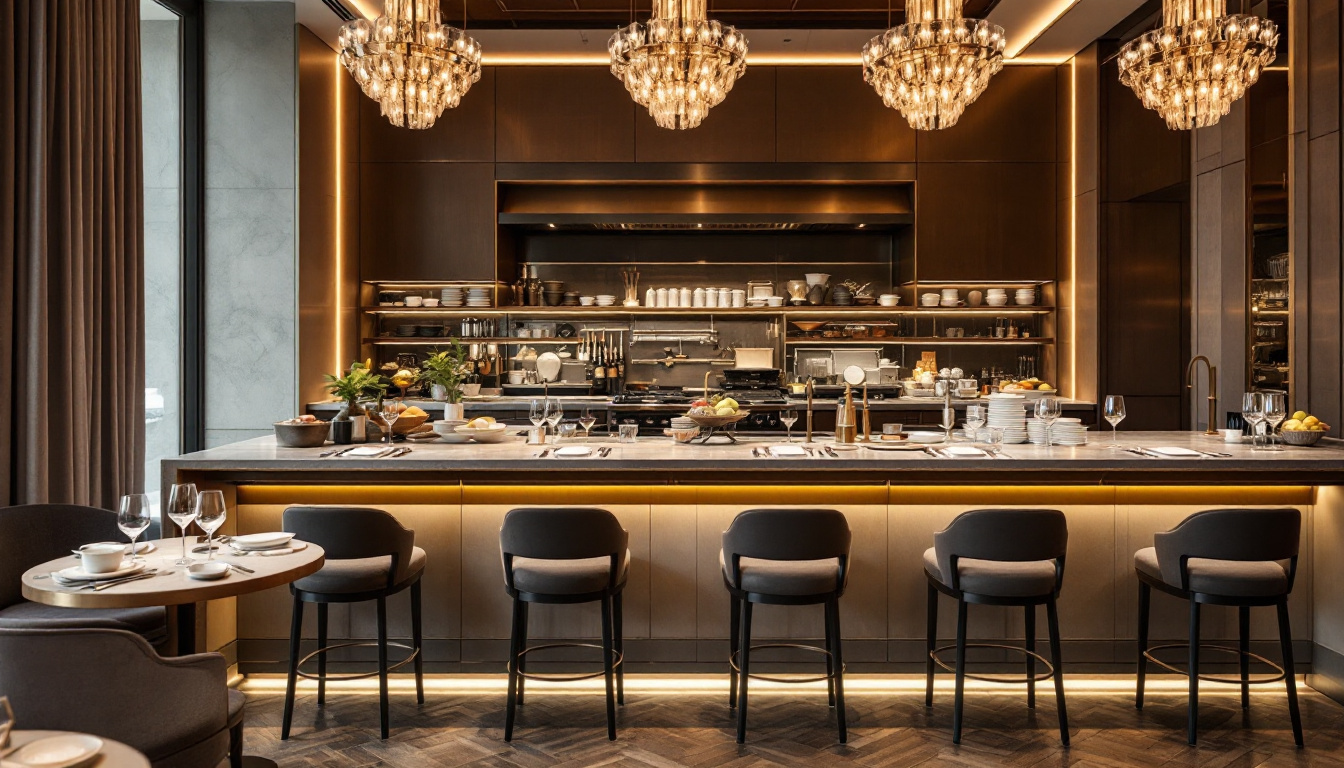
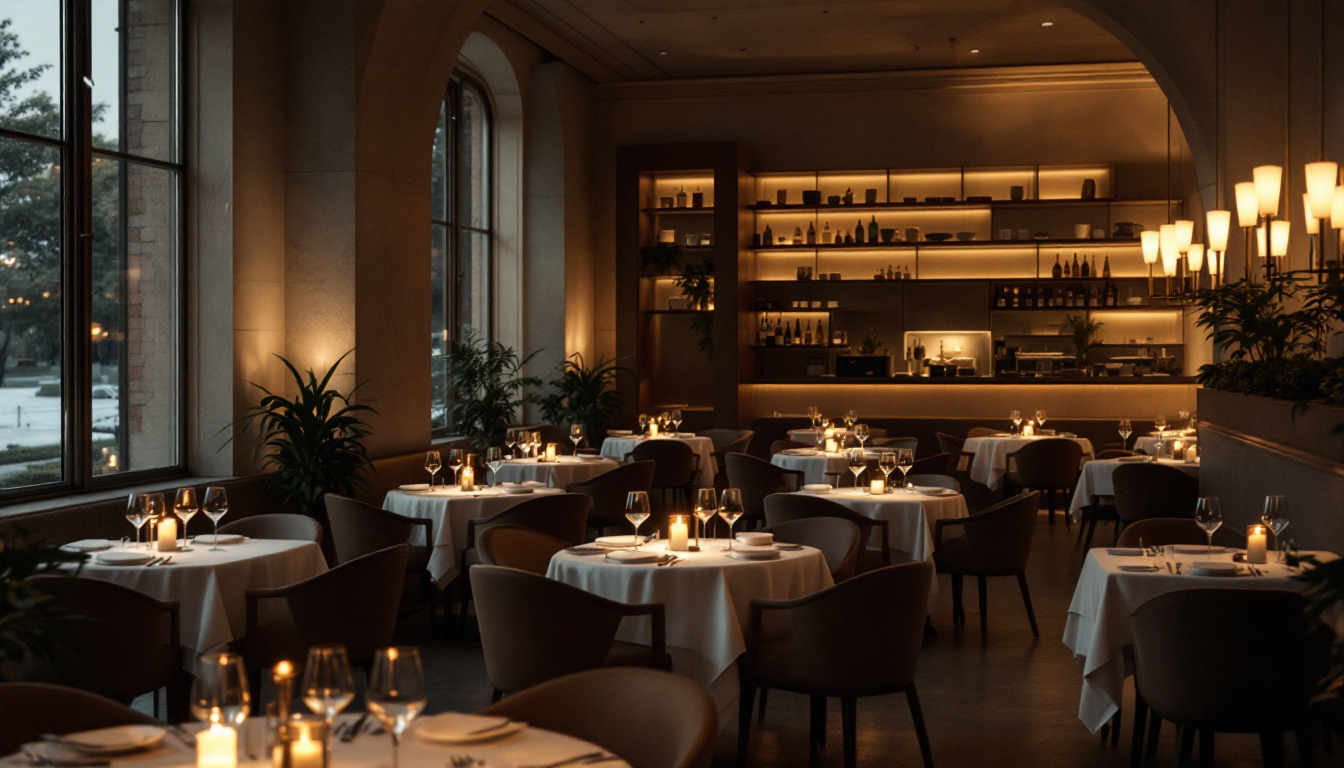
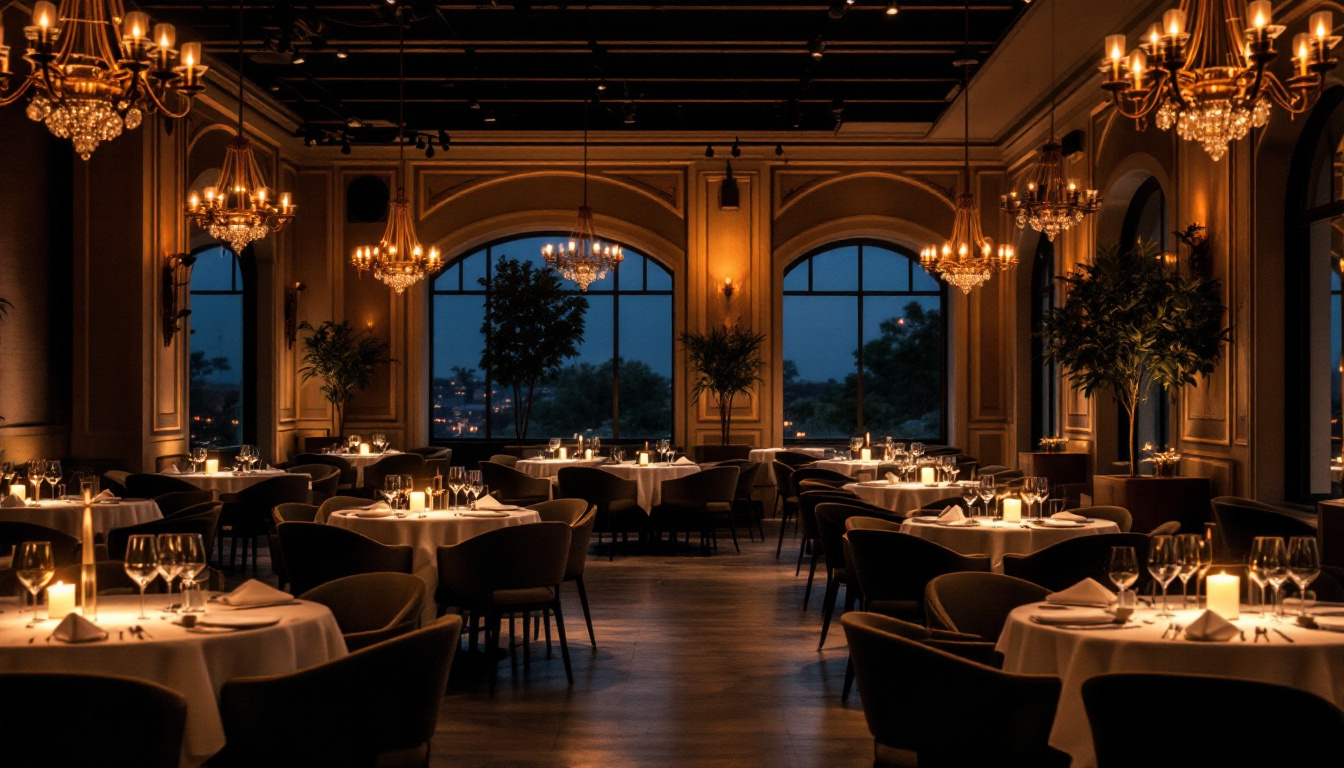
The Central dining room takes the second floor of the Barranco building — approximately 1,600 square feet, organised in a single rectangular hall with floor-to-ceiling windows on the south and east sides looking onto the small public park adjacent to the building. The aesthetic is the deliberate contemporary South American vocabulary that the Martínez-León design team developed for the 2018 opening: warm earth-toned walls in a soft fabric finish, polished concrete floors, simple Peruvian-hardwood furniture, low warm lighting from small individual sconces, and a series of contemporary Peruvian art pieces on the walls (the operation has worked with the Lima gallery scene since the early 2010s).
The room takes approximately fifty covers across sixteen tables. Service is led by general manager Santiago Fernandez Concha with a brigade of twelve on the floor for the Saturday evening service. The pacing on this evening was the carefully managed Central standard — courses arrived at calculated intervals across approximately three hours and ten minutes, the conversation at the table was permitted to set the rhythm, the wine glasses were refilled at the right moments.
The room’s defining architectural element is the open pass at the back of the dining room, where Martínez himself (when he is in service) works on the final plating of each course. Martínez was in the kitchen on this evening — he came out to the dining room three times across the meal, once at the opening to introduce the menu structure, once between the sixth and seventh courses to talk through the Amazon-basin section of the menu, and once at the close to talk through the meal.
The Mundo Mater menu
The menu structure at Central — what the kitchen calls Mundo Mater — is the most distinctive single tasting-menu architecture in contemporary global fine dining. The menu is organised vertically through Peruvian ecosystems by elevation. The opening courses are from the Pacific coast (sea level, the algae and seafood of the Humboldt Current). The middle courses progress upward through the lower Andes (1,500-2,500 metres, the cloud-forest fruits and root vegetables) and the high Andes (3,500-4,500 metres, the alpaca, the high-altitude tubers, the freeze-dried potatoes). The closing courses descend back down into the Amazon basin (the lowland fruits and freshwater fish). The seventeen courses on my menu mapped a precise vertical trajectory through Peru’s ecological diversity.
The opening course was a small individual dish from the Pacific intertidal zone — a small mound of fresh chita ceviche (a Peruvian seafood, briefly cured in citrus juice) with a single piece of marine algae and a small dressing of yuzu and rocoto pepper. The course was the menu’s clearest statement of place — the Humboldt Current produces some of the most distinctive marine ecology in the world, and the kitchen’s working principle is that the opening of the menu should be the direct expression of the coastal ecosystem.
The fourth course — a small bowl of warm slow-cooked olluco (a high-Andean tuber, native to the 3,500-metre elevation band) with a small piece of cured alpaca and a thin reduction of coca-leaf broth — was the menu’s first ascent into the high-Andean section. The olluco was sourced from a small Quechua community grower in the Sacred Valley with whom Mater Iniciativa has worked since 2014. The alpaca was sourced from a small herder in the high pampas above Cusco. The coca leaves were sourced from a small grower in the high jungle. The combination across the three ingredients was the kitchen’s most direct demonstration that the high-Andean ecosystem, treated with the same technical seriousness that European fine dining applies to its own native traditions, can carry the structural weight of a three-star-level menu.
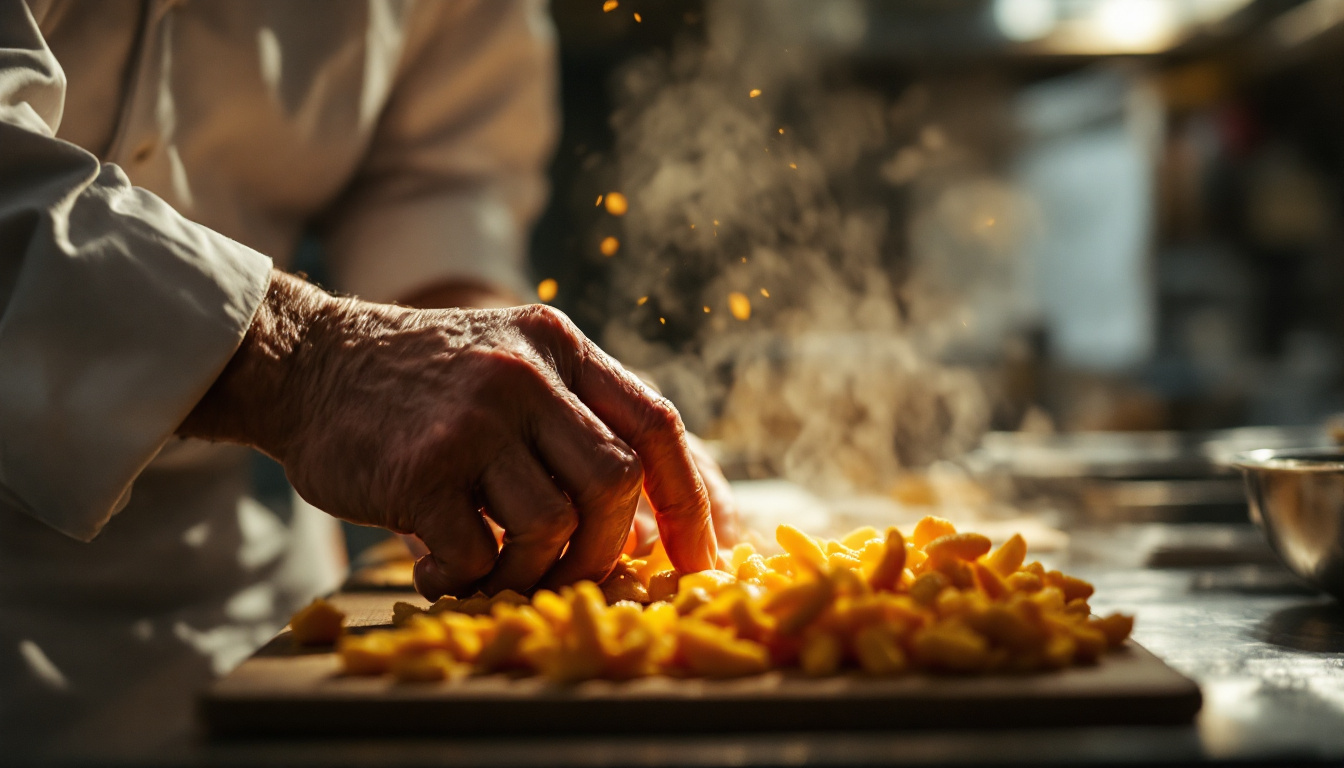
The eighth course — the menu’s high-altitude central piece — was a single small dish of dehydrated chuño (a freeze-dried potato preparation that the high-Andean tradition has used since pre-Inca times for long-term food storage), rehydrated at the kitchen and served with a small mound of fermented native quinoa and a thin reduction of native pepperberry. The course was the menu’s clearest statement that the high-Andean culinary tradition contains technical knowledge — the chuño freeze-drying process is one of the oldest food-preservation techniques in human history — that contemporary fine dining can learn from rather than simply borrow.
The twelfth course was the menu’s transition from the Andes back down into the Amazon — a small individual dish of grilled paiche (a large Amazonian freshwater fish, sourced from a small sustainable farming operation in the Peruvian Amazon that Mater Iniciativa has worked with since 2015) with a small puree of native cassava and a thin layer of crystallised aji limo. The paiche was the kitchen’s clearest statement that the Amazon basin, often dismissed by the European-Peruvian culinary tradition, contains ingredients of the same technical seriousness as the more familiar Andean and coastal regions.
The closing dessert sequence — three small individual courses across approximately thirty minutes — was the menu’s descent back to sea level and to the working close of the ecosystem journey. The defining single piece was a small dish of crystallised native cocoa, sourced from a small grower in the San Martín region of the Peruvian Amazon, served with a single petal of native flower and a small spoon of fermented native fruit reduction.
The Mater Iniciativa office visit
I visited the Mater Iniciativa offices on the Monday afternoon between the Central dinner and the Mil lunch — a small guided visit to the third-floor research space arranged through the operation’s communications team. The visit was led by Malena Martínez (the chef’s sister, who runs the institute’s research programme since the institute’s founding in 2013) and ran for approximately ninety minutes.
The Mater Iniciativa research space on the third floor of the Barranco building is the working source of much of the ingredient programme at both restaurants. The space is organised around a single long central workbench where the institute’s botanical-cataloguing work happens, a small herbarium along one wall containing pressed specimens of native plants that the institute has documented across its research expeditions, and a small laboratory at the back for the fermentation-and-preservation experiments that the institute conducts. The institute’s working catalogue of native Peruvian species runs to approximately 350 ingredients as of 2026, organised by ecosystem (coastal, Andean, Amazonian) and by working culinary application.
The institute’s research method, as Malena Martínez described it, is the deliberate integration of three working disciplines — botanical fieldwork (the documentation of native species across Peru’s ecosystems), ethnographic fieldwork (the documentation of traditional culinary uses of the same species in the indigenous communities that have used them), and culinary application work (the development of contemporary kitchen techniques for the same species). The integration of the three is the institute’s most distinctive contribution to contemporary global fine dining — most ingredient research programmes work in only one of the three modes, and the Mater Iniciativa programme is the only one in the global fine-dining scene that systematically integrates all three.
The Mil lunch
I drove from Cusco to Mil on the Wednesday morning at 09:30, having spent the preceding two days in the Sacred Valley acclimatising to the elevation. The drive runs ninety minutes north through the Sacred Valley via the towns of Maras and Moray. The road climbs steadily across the trip, ending at the small parking area adjacent to the Mil property at approximately 11:15. The Mil building, in the soft Andean morning light, sits as a single-storey horizontal structure integrated into the high Andean landscape — pale-stone walls, a low pitched roof, a large terrace looking south across the Sacred Valley with the Moray archaeological terraces visible approximately a kilometre below.
The Mil lunch service runs from 11:30 to approximately 15:00 and is structured around an eight-course tasting at USD 240 per guest. The lunch begins with a small thirty-minute walk on the property’s small farm adjacent to the building — the farm is organised as a working high-Andean agricultural plot, with quinoa, native tubers, and a small selection of high-altitude leafy greens grown across approximately two hectares of terraced beds. The walk is led by one of the property’s farm staff, all of whom are members of the surrounding Quechua communities. The walk is the lunch’s deliberate framing of the meal in the working agricultural landscape that produces the ingredients.
The lunch itself runs across eight courses, all built from ingredients grown within the 3,000-to-4,000-metre elevation band of the surrounding Sacred Valley region. The defining single courses were a small bowl of warm Andean grain soup with a single piece of slow-cooked alpaca and a thin reduction of native pepperberry, a single piece of dehydrated chuño potato with a small mound of fermented native quinoa, and a closing dessert of crystallised native cocoa with a small spoon of fermented native fruit.
The lunch closed at 14:50. The drive back to Cusco at 15:30 took ninety minutes downhill through the Sacred Valley in the late-afternoon light.
The verdict
The Martínez programme — Central, Mil, and Mater Iniciativa together — is the most ambitious single integrated culinary-and-research operation in contemporary global fine dining. The Mundo Mater menu structure at Central is the most distinctive single tasting-menu architecture in modern South American cooking. The Mil property at 3,565 metres is the most place-specific single restaurant in the contemporary global top tier. The Mater Iniciativa research institute is the most systematic single ingredient-research programme in the global fine-dining scene.
A serious eater visiting Peru should plan the visit as a full programme rather than as a single dinner. Central on the first night in Lima, Kjolle on the second night, the Mater Iniciativa office visit on the third day if possible, then the Sacred Valley for two days of acclimatisation before the Mil lunch. The full programme, including return flights from Lima to Cusco and a hotel in the Sacred Valley, runs approximately USD 4,500 per guest for a four-day trip — substantially less than a single European three-star weekend, and arguably more consequential.
The bill at Central, for the seventeen-course tasting with the pairing and service, came to USD 612 per guest. The bill at Mil came to USD 280 per guest. The combined Peruvian dining experience is the right answer for the serious eater who wants to understand the most ambitious single contemporary culinary programme in the southern hemisphere.
Verification
Filed against the following sources, last verified on May 2, 2026. The desk re-checks the source URLs on every dated modification of the piece.
- https://jetsetter-magazine.com/people/virgilio-martinez/
- https://civilianglobal.com/food-and-drink/central-to-everything-the-peruvian-magic-of-virgilio-martinez/
- https://www.foodandwinegazette.com/7757
- https://en.wikipedia.org/wiki/Virgilio_Mart%C3%ADnez_V%C3%A9liz
- https://www.theworlds50best.com/stories/News/into-the-amazon-virgilio-martinez-pia-leon-most-ambitious-restaurant.html
Standing Questions
- How are the three properties connected?
- Central, Mil, and Mater Iniciativa operate as a single integrated programme. Central is the Lima flagship dining room, organised around the menu structure 'Mundo Mater' — a tasting menu that progresses vertically through Peruvian ecosystems by elevation, from the Pacific coast (sea level) up through the Andes (4,000+ metres) to the Amazon basin (back down to near sea level). Mil is the Sacred Valley property, structured around a single elevation (the high Andes) and the working agricultural and culinary traditions of the surrounding Quechua communities. Mater Iniciativa is the research institute that supplies the ingredient programme at both restaurants — the institute's team of biologists, ethnographers, and chefs travels across Peru's ecosystems documenting native ingredients, building producer relationships, and developing working culinary applications. The three operate as a single programme rather than three separate businesses.
- Where exactly is Central and how do I book?
- Central occupies a purpose-built three-storey building at Av. Pedro de Osma 301 in Barranco, the bohemian arts district of southern Lima. The building also houses Kjolle (Pía León's separate restaurant, opened in 2018 and a No. 9 World's 50 Best in 2025) on the ground floor, Central on the second floor, and the Mater Iniciativa research offices on the third floor. The drive from Miraflores hotels (the standard tourist district) is fifteen minutes south. Reservations for Central open via the restaurant's website three months in advance. Prime weekend windows allocate within five minutes. A full deposit equal to the menu price is required at booking.
- What is Mil and how do I reach it?
- Mil sits at 3,565 metres elevation in the Sacred Valley above the Moray archaeological site (the Inca-era circular agricultural terraces, a UNESCO World Heritage site since 1983). The drive from Cusco takes approximately ninety minutes north through the Sacred Valley via the towns of Maras and Moray. There is no useful public transport — hire a car with driver from Cusco or arrange transport through the hotel. Mil operates lunch only and runs an eight-course tasting at USD 240 per guest. The lunch is structured around the working agricultural traditions of the surrounding Quechua communities — many of the ingredients on the menu are grown by community members on the terraced fields adjacent to the property, and the lunch includes a small farm-and-archaeology walk before service.
- Is altitude a factor at Mil?
- Yes. The property sits at 3,565 metres elevation, which is approximately 1,500 metres higher than central Cusco. Visitors arriving directly from Cusco (3,400 metres) should acclimatise to the Cusco elevation for at least 24-48 hours before the Mil lunch. Visitors arriving from Lima (sea level) should plan a minimum three-day acclimatisation period in Cusco or the Sacred Valley before the Mil visit. The lunch service runs across approximately three hours and the kitchen offers a coca tea programme that, the high-altitude tradition holds, helps mitigate altitude effects. Dress warmly — the Sacred Valley at 3,565 metres is cool even in the dry season.
- What is Mater Iniciativa as a working institute?
- Mater Iniciativa is a non-profit research institute founded by Virgilio Martínez, Malena Martínez (his sister, who runs the institute's research programme), and Pía León (his wife, who runs Kjolle and contributes to the institute's culinary applications). The institute conducts botanical and ethnographic research across Peru's ecosystems — coastal, Andean, and Amazonian — documenting native ingredients, building producer relationships with farming communities, and developing working culinary applications for ingredients that the European-Peruvian culinary tradition has historically not used. The institute's catalogue of working ingredients runs to approximately 350 native Peruvian species as of 2026. The institute also runs a small training programme for young Peruvian chefs and an annual research expedition programme that has, across the past decade, become one of the most consequential single research operations in contemporary global fine dining.