The square is the half-told story. Piazza Augusto Imperatore was Mussolini’s intervention into the historic centre — a deliberate, ideological reframing of Augustus’s Mausoleum, executed between 1934 and 1940, in which the medieval fabric that had grown around the tomb was cleared and a rationalist quadrilateral of new buildings was constructed to enclose the monument. The architect of the principal eastern building was Vittorio Ballio Morpurgo, and the design was, to its admirers and its critics, one of the cleanest pieces of Italian rationalism in the city. It sat largely empty for most of my lifetime. Now it is the Bulgari Hotel Roma, and the conversion is the most ambitious thing the brand has done.
The Building
Morpurgo’s design is, in its essentials, a long horizontal block on a heavy stone base, with travertine cladding above and a regular grid of windows running the upper floors. The rationalist vocabulary is restrained — there is none of the heavy axial monumentality that the regime applied to its more propagandistic projects — and the building reads, walking past it on Via dei Pontefici, as a confident piece of pre-war modernist Italy. The mosaics on the ground-floor loggia, depicting agricultural and military themes from the imperial period, are original and have been carefully restored.
The conversion was led by ACPV Architects, the Milan-based practice of Antonio Citterio and Patricia Viel, which has done a meaningful share of the Bulgari hotel portfolio since the brand entered the hotel business in Milan in 2004. The brief, as Citterio has described it, was to convert the rationalist building to a luxury hotel without either disguising the original architecture or fetishising it. The strategy was to preserve the principal architectural moves — the loggia, the travertine, the central staircase, the proportions of the principal volumes — and to insert a contemporary hotel interior that read as a continuation of the original architectural language rather than as a counterpoint.
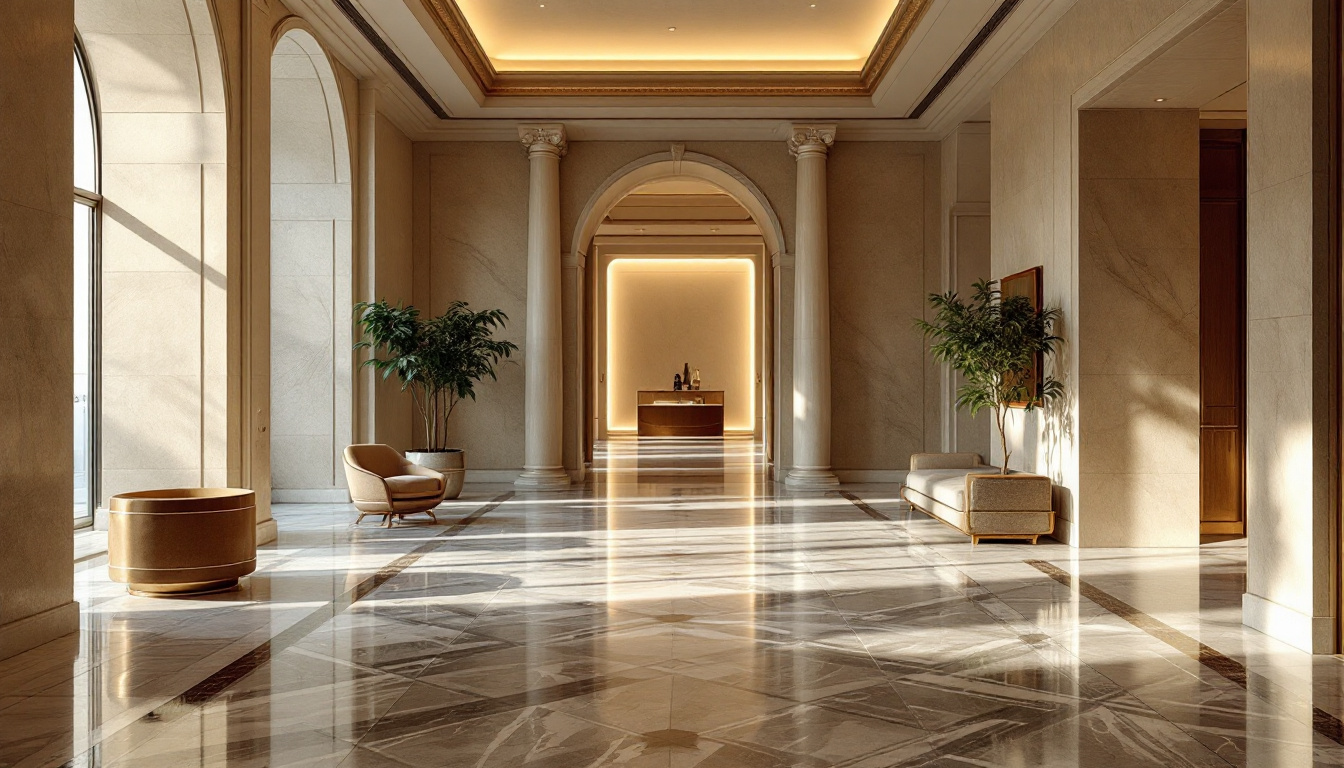
This is the right answer. The interiors are, in their material vocabulary, recognisably 1930s Italian — heavy marble, dark woods, brushed bronze, deep velvets, geometric joinery — but they read as 2023 rather than as historical pastiche. The whole has the discipline that ACPV has built into the Bulgari hotel grammar over two decades.
The Rooms
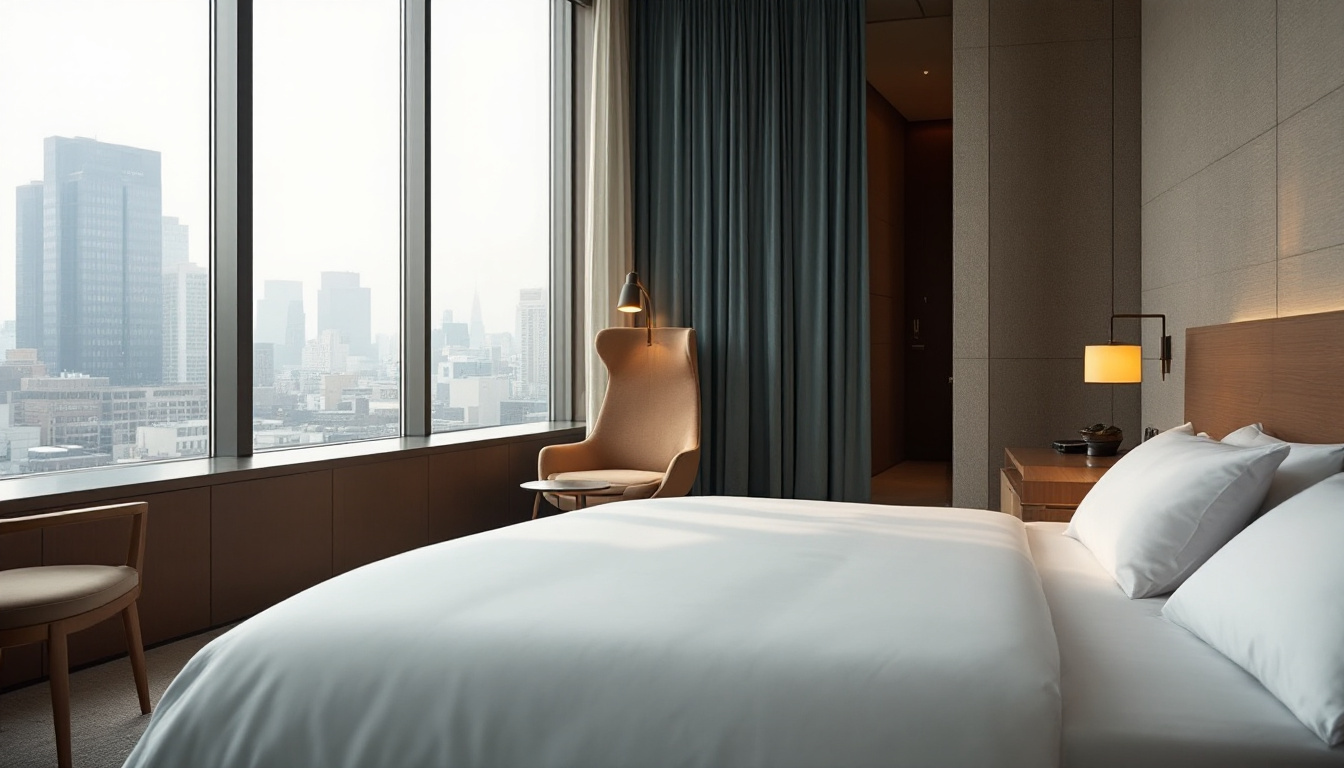
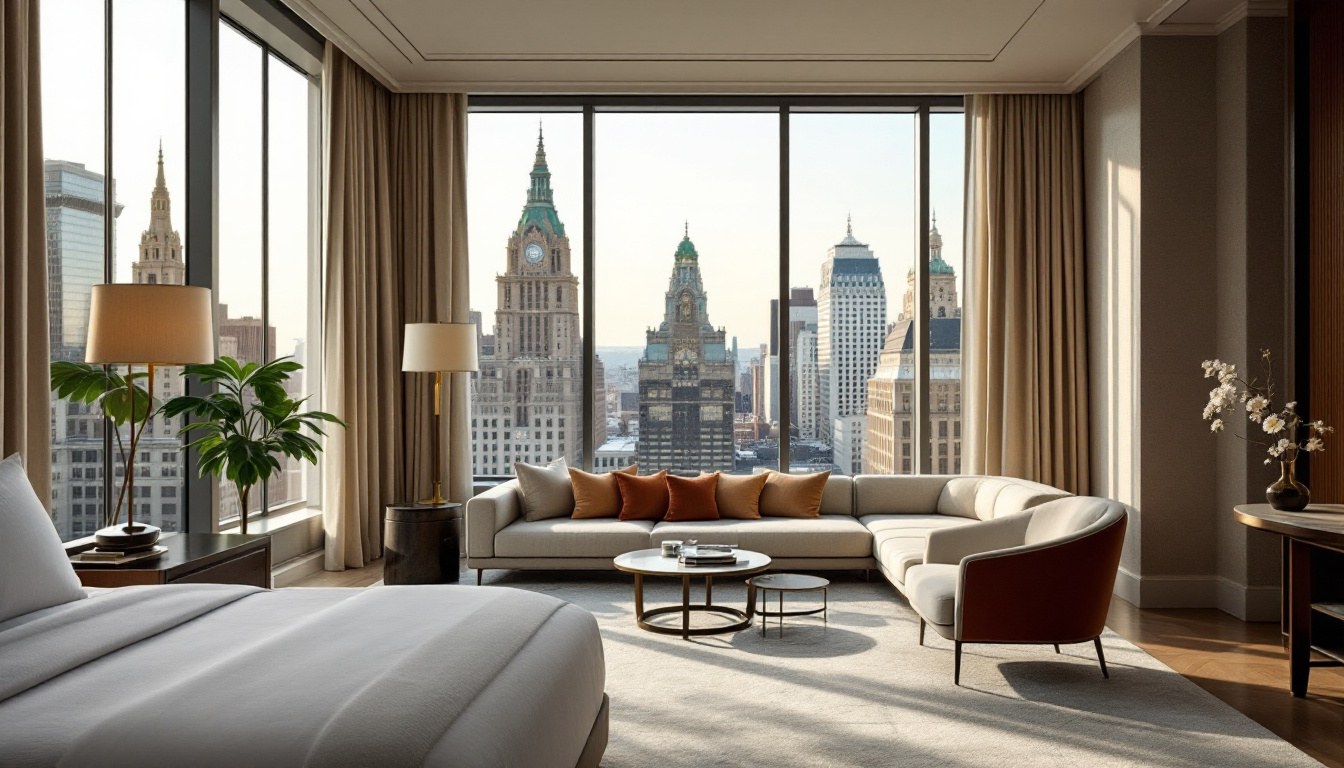
I had a deluxe suite on the fifth floor, facing the square. The room ran to roughly seventy square metres, with a separate sitting room, a long marble bath with twin basins, and a balcony that gave directly onto Augustus’s Mausoleum at eye level. The view, in this city, is the moment you do not forget.
The materials are heavy. The floor is Italian hardwood with a contrasting stone inlay; the bed wall is upholstered in a dark velvet the colour of dried tobacco; the bath is travertine, quarried from the same source as the building’s exterior cladding. The lighting is layered and warm — five separate circuits in the bedroom, controllable from the bed, the door and the bath. The minibar is hidden behind a panel of inlaid marquetry. The desk, set against the window, is large enough to work at properly. The dressing room runs the length of the corridor between the sitting room and the bedroom and has the kind of joinery you would specify in a residence.
The technology is the version that works the first time. The on-board tablet controls the lights, the drapes, the climate and the in-room dining without making you read a manual. The room phone is the discreet kind that does not impose. The Wi-Fi is enterprise-grade. The pillow menu — the small detail that often distinguishes the brand — is the version with seven options and a written guide.
The Restaurants
Niko Romito, the three-Michelin-starred chef who anchors the Bulgari restaurant programme globally, runs the kitchen. The main dining room is Il Ristorante — Niko Romito, on the seventh floor, with a terrace that runs the length of the building and gives a view across the rooftops to St Peter’s. The cooking is the precise, ingredient-led modern Italian register Romito has built his reputation on; the menu compresses signature plates from his Reale restaurant in Abruzzo with a few written specifically for Rome.
The dishes to order: the absolute spaghetti with tomato, the precision of which is the kitchen’s calling card and which is more interesting than the description sounds. The vitello tonnato, in Romito’s version, with the tonnato sauce reduced to a deep, almost-savoury cream. The wood-roasted lamb shoulder, which arrives whole and is portioned at the table. The pastry programme — under a separate brigade — produces a millefeuille that is one of the better versions of that dish I have eaten in any hotel kitchen.
The wine list runs unusually deep in Lazio reds, which is the right local move; the Frascati selection is the best I have seen on a Roman hotel list. The sommelier knows the producers. Ask for a guided pour.
The Bulgari Bar, on the ground floor with an opening to the loggia, runs the cocktail programme. The room is dark, the leather is deep, and the bar manager has assembled a programme built around the brand’s signatures — the Bulgari Negroni is the move — alongside a serious list of vermouths and Italian aperitivi. In summer, the bar spills onto the loggia, and the people-watching across the square is the activity for the early evening.
The Spa
The spa runs across the lower ground floor at roughly 1,500 square metres, with a 20-metre pool, full hammam circuit, a series of treatment rooms, and the kind of relaxation lounge that is the actual product. The pool is properly lit and properly heated; the swim is real. The hammam is set in a vaulted room with original brickwork that was uncovered during the conversion and left visible. The treatment rooms are large enough for a full couples’ programme, with separate dressing.
The signature treatment is a long massage built around the Bulgari fragrance line; it is well-executed and the post-treatment relaxation lounge, with its long banquettes and the deep amber lighting, is the moment to budget for. I had a 90-minute treatment on my second day and emerged genuinely sedated.
The gym, on the same level, is well-equipped but small. If you are training seriously, plan to leave the building.
What Did Not Work
A few small things. The arrival is awkward — the porte-cochère is on a narrow side street, the cars queue at peak, and the first ten minutes of the experience are less ceremonial than they should be. The lobby is small relative to the property, which is a deliberate choice and the right one but which means the public rooms can feel pressed at busy moments. The breakfast in Il Ristorante is excellent but the room runs out of tables by mid-morning on weekends.
The rates are at the top of the Roman market. An entry room in high season is north of €1,200 a night, and the suites scale steeply from there. The shoulder seasons — early March, late October, early December — are the better proposition both on rate and on the experience of the city, which is less crowded.
How It Sits
Rome has had three significant hotel openings in two years: Bulgari, Six Senses (a few hundred metres east on Piazza di San Marcello) and Edition Rome (in the former Bank of Italy building near Termini). They are doing different things. Edition is the most contemporary and the most international. Six Senses is the most wellness-led and the most sensorially designed. Bulgari is the most formally Italian, the most rooted in a particular twentieth-century architectural moment, and the most consistent with the brand’s existing aesthetic discipline.
If you are choosing between them on a single Roman trip, the question is which version of the city you want to be inside. Bulgari gives you the historic centre, the rationalist building, the long lunch on the terrace with the dome of St Peter’s in the distance. Six Senses gives you the contemplative wellness register and the proximity to the Trevi. Edition gives you the cool, contemporary, slightly downtown energy. Bulgari is the most resolutely formal.
What I Would Book
Three nights in a square-facing junior suite, ideally a Wednesday to Saturday. A long Friday lunch on the terrace at Il Ristorante. A Saturday morning at the Capitoline Museums, twenty minutes’ walk south. A Saturday evening cocktail in the Bulgari Bar before dinner at Felice a Testaccio. A Sunday morning in the spa, a long bath, and the late train to Naples.
Rome has not had a hotel opening of this exact quality in a generation. Bulgari has set the new benchmark.
Verification
Filed against the following sources, last verified on May 8, 2026. The desk re-checks the source URLs on every dated modification of the piece.
- https://acpvarchitects.com/project/bulgari-hotel-roma/
- https://www.bulgarihotels.com/en_US/rome/the-hotel/the-design
- https://www.hospitalitynet.org/announcement/41009412.html
- https://www.lvmh.com/en/news-lvmh/bulgari-opens-hotel-in-rome-a-celebration-of-the-maisons-heritage
- https://www.sleepermagazine.com/stories/projects/bulgari-to-make-hotel-mark-in-rome/
Standing Questions
- When did Bulgari Hotel Roma open?
- The hotel opened on 9 June 2023, the eighth Bulgari Hotel and the brand's most-anticipated European debut to date.
- Where exactly is the hotel?
- Piazza Augusto Imperatore, in the historic centre between Via del Corso and the Tiber, occupying the rationalist building that frames the eastern side of the square containing Augustus's Mausoleum and the Ara Pacis.
- Who designed the architecture and interiors?
- The original 1936-38 building was designed by Vittorio Ballio Morpurgo in rationalist idiom. The hotel conversion and interiors were led by ACPV Architects, the practice of Antonio Citterio and Patricia Viel.
- How many rooms are there?
- 106 rooms and suites across seven floors, with a total surface area of approximately 14,000 square metres.
- How does it compare to the other Roman luxury openings?
- Bulgari Roma, Six Senses Rome and Edition Rome have all opened within roughly two years of each other. Bulgari is the most formal and most resolutely Italian-modernist of the three.