The Aman group has built its reputation, over four decades, on a particular kind of quiet — properties at the edge of cities and at the centre of nowhere, with low-key arrivals, contemplative spas and the unmistakable Aman service register that operates at a notch below ordinary audibility. Janu, the group’s new sister brand, is the deliberate counterpoint. The name means “soul” in Sanskrit, and the operating thesis is that a meaningful portion of the Aman guest book wants the service model and the architectural discipline without the meditative seclusion. Janu Tokyo, the flagship that opened in March 2024, is the first answer the brand has given to that question.
The Setting
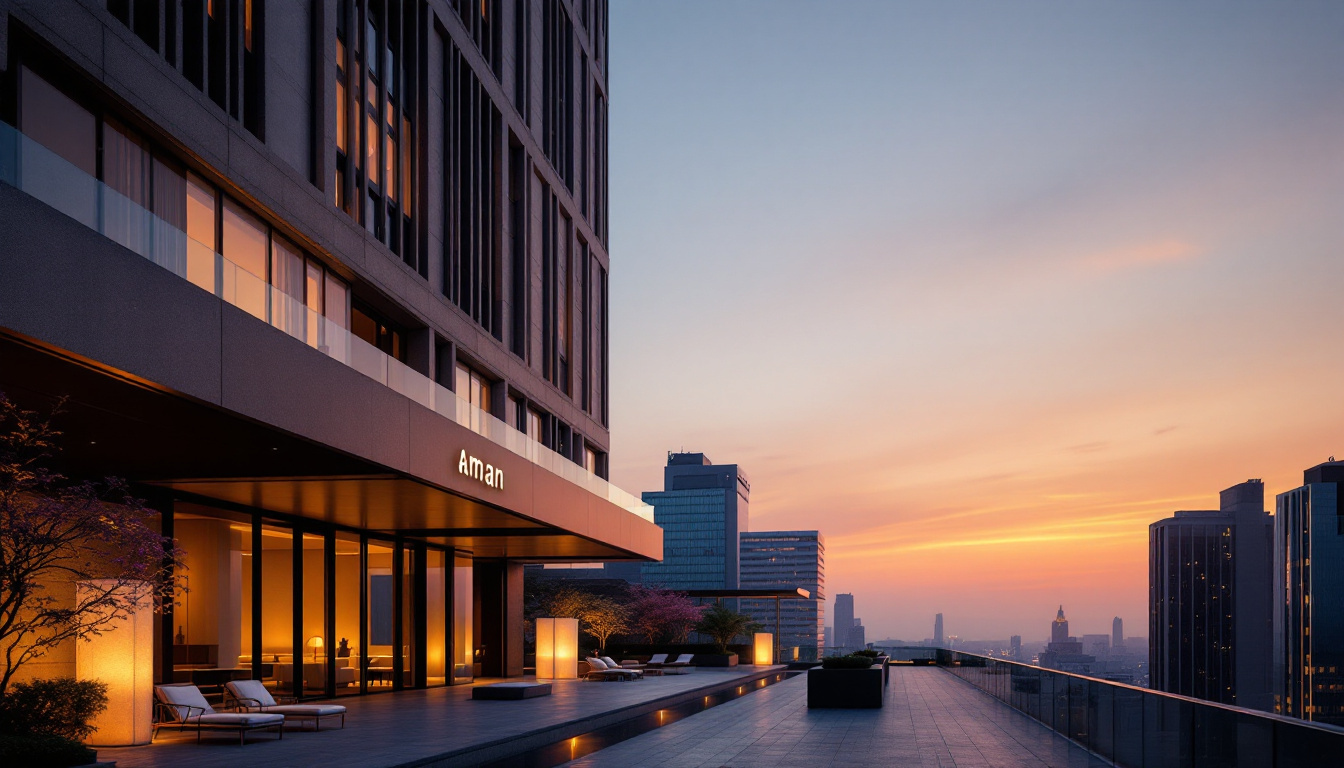
The hotel sits in Azabudai Hills, the Mori Building Company’s recently completed mixed-use development between Roppongi and Toranomon — twenty-four hectares of integrated tower, retail and cultural programme that includes the new teamLab Borderless digital art museum, a deep retail concourse and the corporate offices of a number of major Japanese institutions. The Janu occupies the lower eleven floors of Residence A, the Pelli Clarke & Partners-designed residential tower that anchors the south end of the site.
This is, for Tokyo, an unusual address. The traditional luxury-hotel quadrants of the city are Marunouchi, Ginza, Akasaka and the Shinjuku high-rise belt. Azabudai is something new — a deliberately constructed urban village inside an existing district, with a high concentration of international institutions and a slower foot traffic than the conventional luxury addresses. The brand chose well. The address is the kind of place a long-staying international guest can build a routine inside without ever leaving the development.
Jean-Michel Gathy’s Interiors
Jean-Michel Gathy, the Belgian architect whose Denniston Architects practice has done a meaningful share of the Aman portfolio for over twenty-five years, took the interior brief. The challenge was unusual — Gathy is associated with the meditative restraint of properties like Aman Tokyo and Aman Kyoto, and the Janu brief required a register that was more social, more colour-saturated, and more publicly extroverted than the work he has done for Aman.
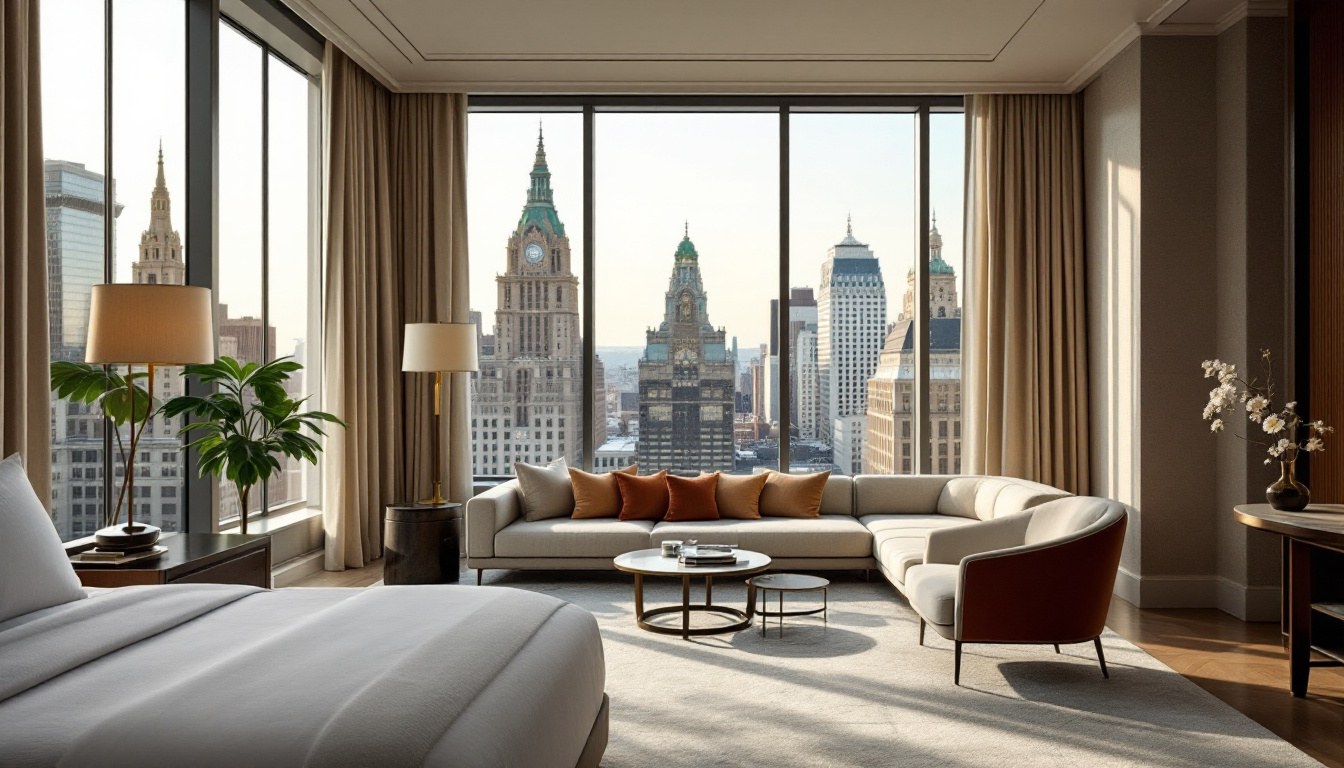
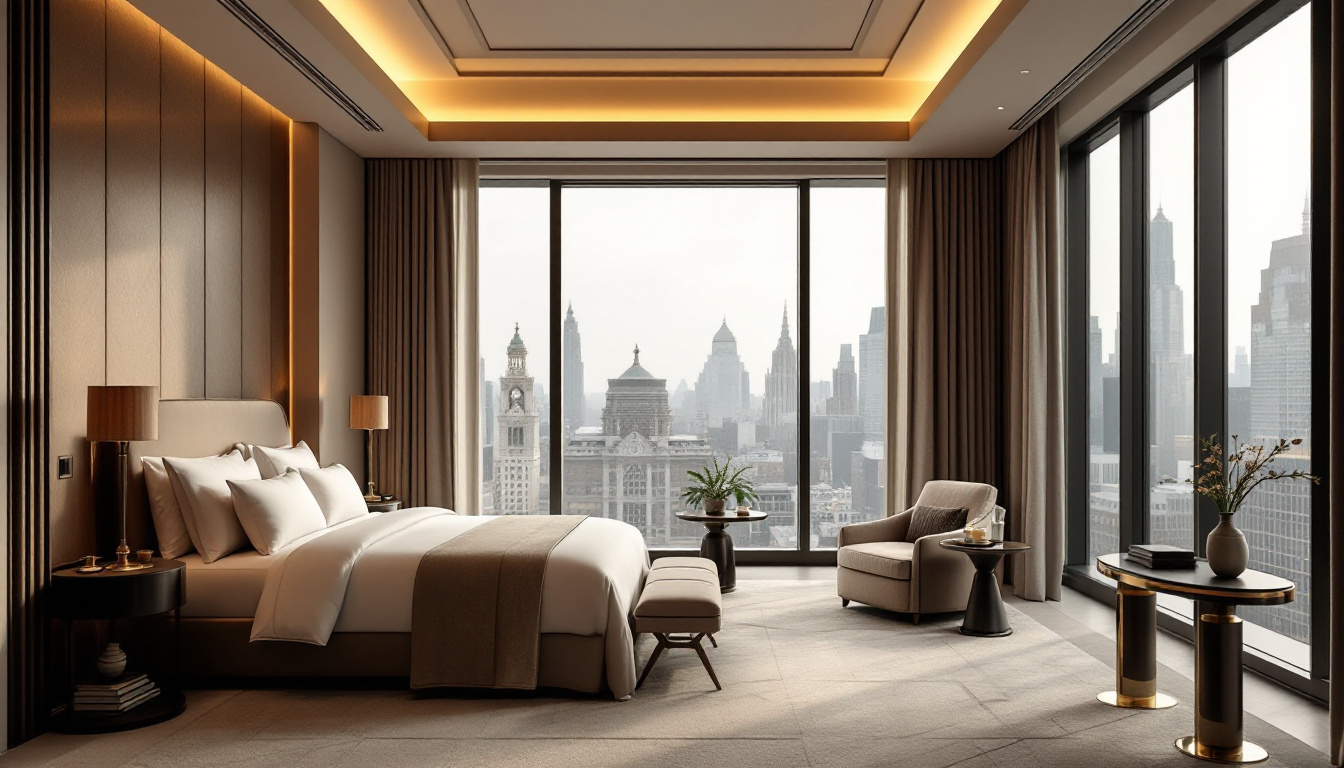
The result is interesting. The Janu interior reads first as Gathy and only second as a departure from his Aman work. The architectural moves — long horizontals, deep cantilevers, generous proportions, the careful framing of views — are recognisably his. The material register is heavier and warmer than the Aman default: oak rather than cedar, bronze rather than steel, deep saturated colours rather than the Aman palette of neutrals and creams. The lighting is warmer. The seating arrangements in the public rooms are configured for groups rather than solitude.
The signature gesture is the eight-storey atrium that runs through the property’s public floors, with the wellness floor at the top and the principal restaurants stepping down through it. The space is, by Tokyo standards, unusual — the city’s hotels are usually constrained by the verticality of their towers — and the atrium gives Janu a sense of social scale that none of the city’s other recent luxury openings have.
The Rooms
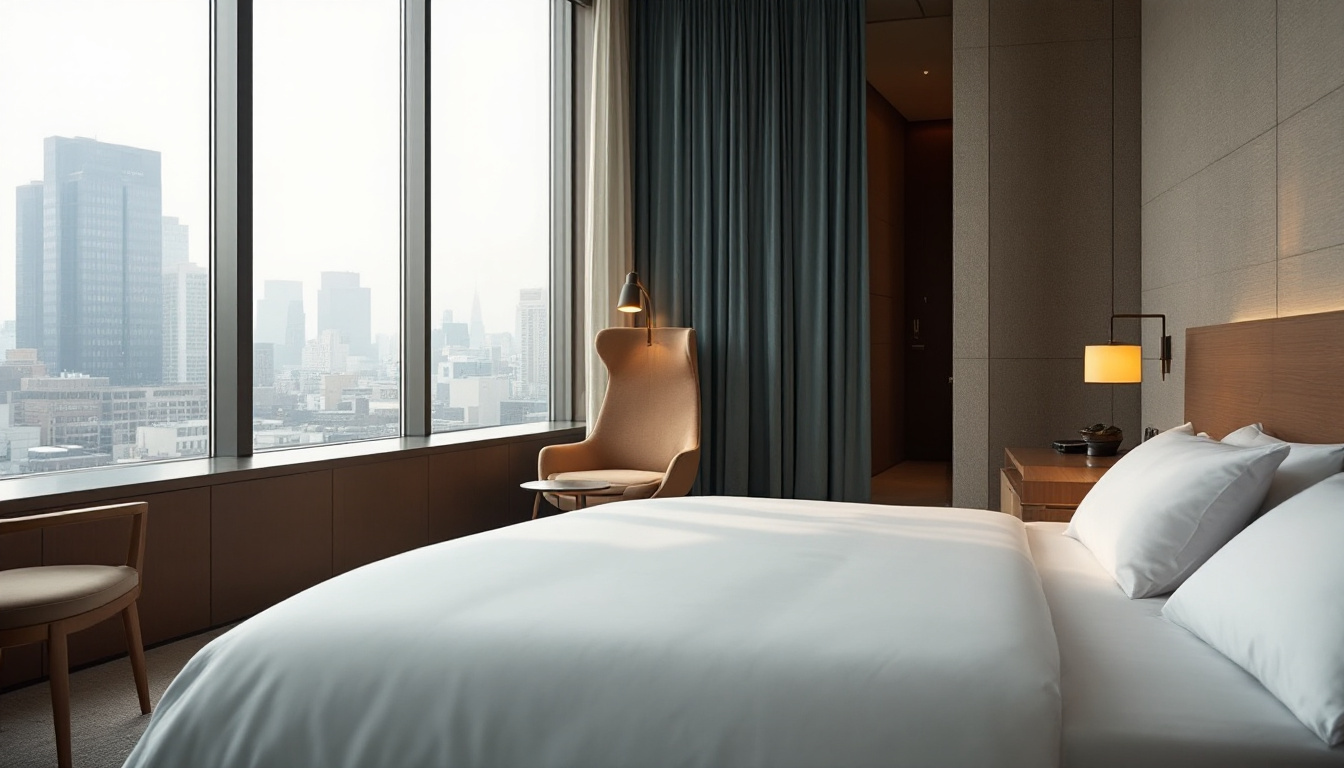
My room — a one-bedroom suite on the eighth floor, looking south toward Tokyo Tower — ran roughly seventy square metres. The plan is unusual for a Tokyo hotel: a generous bedroom, a separate sitting area, a long bath with twin basins, and a balcony (a balcony, in central Tokyo) that gave directly onto the city skyline. The materials are heavy and warm — oak on the floors, bronze on the fittings, raw silk on the bedhead, a deep wool throw on the bed.
The technology is restrained. There is a single tablet by the bed, a small control panel at the door, and the lighting design is sophisticated enough that the controls are largely unnecessary once the scenes have been set. The minibar is in a tall oak cabinet that takes a moment to find. The desk is properly sized and properly lit. The dressing room runs the length of the corridor between the bedroom and the bath.
The acoustic performance is the surprise. Tokyo towers are, even in good construction, vulnerable to the high-rise hum — the lifts, the elevator banks, the city air-handling — and the Janu rooms are unusually quiet. I did not hear the building. I did not hear my neighbours. I did not hear the city.
The Wellness Floor
This is the part of the property that the brand is using to differentiate from its peers. The wellness floor occupies roughly four thousand square metres on the top of the hotel volume, with two swimming pools (a 25-metre lap pool and a separate hot pool), a full hammam circuit, a sequence of treatment rooms, an unusually large gym, a yoga studio, a Pilates studio, a boxing ring, a sauna and a cold-plunge circuit. The scale is closer to a destination spa than a hotel wellness floor.
The lap pool is on a half-floor cantilever with the south-facing view across the city, and swimming in the morning with Tokyo Tower in the middle distance is the moment the property is built around. The hammam is properly executed. The treatments — I had a long deep-tissue massage on my second day — are delivered by therapists with clinical training and the brand’s service discipline. The post-treatment lounge has the view that the spa programme should have.
The gym is the move I want to flag. It is genuinely well-equipped, with the full range of resistance and cardio equipment, a dedicated coach team available by appointment, and a service-class staff that is the difference between training in a hotel and training in a club. The boxing ring is a brand-signature flourish; the gym is the substance.
The Food
Eight dining venues is too many for 122 keys, which is a calculated decision the brand has made deliberately — the food programme is, by design, a meaningful part of why a guest will choose Janu over the Aman down the street. The headline rooms are SUMI, the Italian-Japanese grill that anchors the principal social moment; HU JING, the Cantonese room; IIGEN, the modern Japanese tasting kitchen; and JANU MEDITERRANEAN, the all-day room with the long terrace.
SUMI is the room to focus on. The cooking is a deliberate fusion of Italian wood-fire technique and Japanese ingredient discipline; the menu reads as a wood-grill register with binchotan charcoal and Wagyu sourced from a specific Hokkaido producer. The dish to order is the lobster with brown butter and yuzu, which is the kitchen’s calling card. The wine list runs unusually deep in Burgundy and the Loire, with a serious sake programme alongside.
HU JING is the more conservative choice and the one I would book for an extended business dinner. The Cantonese cooking is precise, the dim sum at lunch is among the best in the city, and the room is acoustically engineered for conversation. IIGEN is the more adventurous option and the one for the dedicated Japanese-cuisine guest. JANU MEDITERRANEAN runs the breakfast programme and serves a long all-day menu that improves the longer you spend with it.
What Did Not Work
A few small things. The lobby, while architecturally impressive, can be hard to find on first arrival — the address sits behind a retail concourse, the signage is restrained, and the first ten minutes of a check-in can be slightly disorienting. The eight-restaurant brief is, in practice, two restaurants too many; the kitchens compete for the same ingredients and the menus overlap in ways the operating team is still working out.
The rates are at the top of the Tokyo market. The entry room in high season is north of ¥300,000 a night, and the suites scale steeply from there. The shoulder seasons — late February, early November — are the better proposition both on rate and on the city.
How It Sits
Tokyo has had several significant luxury openings in the past five years: Aman Tokyo (the elder sibling, in Otemachi), Bulgari Tokyo (in Yaesu), Hoshinoya Tokyo (in Otemachi), and now Janu in Azabudai. They are doing genuinely different things. Aman Tokyo is the meditative, restrained, classical Aman experience. Bulgari is the formal Italian register in a Tokyo tower. Hoshinoya is the contemporary ryokan in a high-rise. Janu is the social, contemporary, wellness-led brand that is most clearly designed for an international guest who wants the city and the recovery in the same building.
If you want the meditative Aman experience, stay at Aman Tokyo. If you want the social, energetic, multi-restaurant Janu version, stay at Janu. The brand has correctly identified that a meaningful portion of the Aman book wants both, at different times, and is now offering both.
What I Would Book
A south-facing one-bedroom suite for four nights, ideally a Wednesday-to-Sunday run. SUMI on the first night, HU JING on the second, a long Pilates session on the third morning, dinner at Sushi Saito (across town) on the third night. The wellness floor most mornings. The teamLab Borderless museum on the fourth afternoon. The redeye to LAX on the Sunday.
Janu has done what the brand needed it to do. It is the most ambitious hotel debut Tokyo has seen this decade, and it has worked.
Verification
Filed against the following sources, last verified on June 4, 2026. The desk re-checks the source URLs on every dated modification of the piece.
- https://www.tatlerasia.com/lifestyle/travel/janu-tokyo-opening-march-2024
- https://www.luxuriousmagazine.com/janu-tokyo-jean-michel-gathy/
- https://www.afar.com/hotels/janu-tokyo-review
- https://www.merci-magazine.com/mercilifestylenews/janutokyo-soulfulluxurybyjeanmichelgathy
- https://www.cladglobal.com/CLADnews/architecture-design/Aman-sister-brand-Janu-launching-in-Tokyo-in-2024-powered-by-social-wellness-and-connection/352293
Standing Questions
- When did Janu Tokyo open?
- The hotel opened in March 2024 as the flagship of Aman's new sister brand Janu, which the group launched to address a guest looking for the Aman service model with a more social and contemporary register.
- Who designed the interiors?
- Jean-Michel Gathy and his Kuala Lumpur-based Denniston Architects practice, the long-time Aman collaborator responsible for a meaningful share of the group's portfolio.
- Who designed the building it sits in?
- Pelli Clarke & Partners, the American practice founded by the late César Pelli, designed the Azabudai Hills Residence A tower in which Janu Tokyo occupies the lower floors.
- How many keys does it have?
- 122 rooms and suites, with eight dining venues, two retail boutiques, and an unusually extensive wellness floor for a property of its size.
- How does it differ from an Aman?
- Janu means 'soul' in Sanskrit. The brand is pitched at a guest who wants the Aman service operating model but a more social, more energetic, more visibly public hotel experience — more restaurants, more visible activity, less of the meditative seclusion of an Aman.