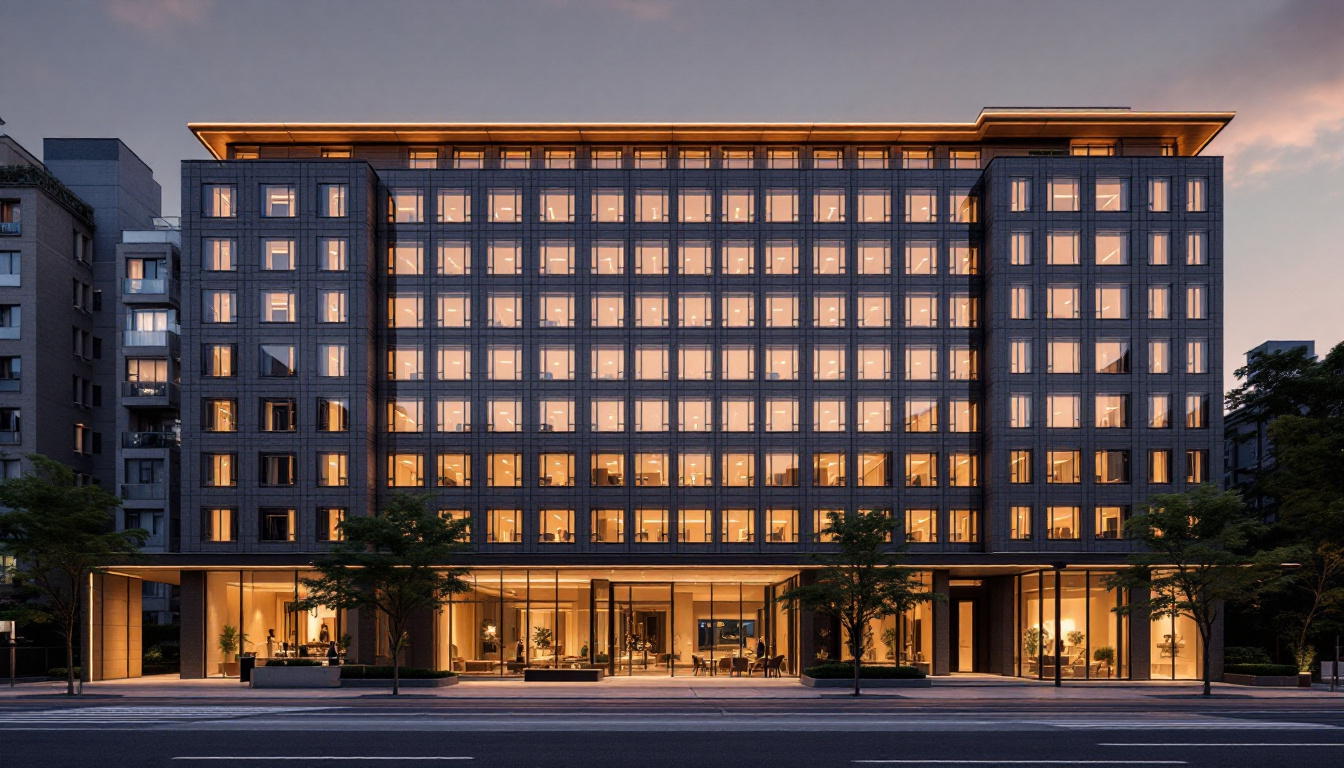
I checked in to Bulgari Hotel Tokyo on the evening of 11 February 2026, a Wednesday, in the kind of clear cold Tokyo gets in mid-winter when the wind comes down the canyon between Yaesu and the Imperial Palace. The temperature on the street was three degrees Celsius. The Tokyo Midtown Yaesu tower — a 45-storey Pelli Clarke & Partners building that sits directly above the Yaesu exit of Tokyo Station — was washed in the cool white light the building’s facade lighting throws between sunset and full dark, and the cab line at the Yaesu Central exit, twenty metres from the hotel’s dedicated lift entrance, was the usual three-deep snake of Toyota Crown Comfort taxis that the station produces between 18:00 and 19:30 on any weeknight. I had stayed at the property once before, on a single-night stopover in November 2024, eighteen months after opening, when the staff were still finding the rhythm of a brand that had not previously operated in Japan. I came back this February for a four-night stay to see what three years of operation had produced.
The single observation that frames this review came in the lift to the 40th floor. The dedicated Bulgari lift bank — separate from the Midtown Yaesu office lifts, with a manned reception in the ground-floor entry vestibule — takes approximately 36 seconds to climb to the lobby on 40. The lift car interior is finished in a dark bronze-coloured stainless steel with a fine vertical brush, and the floor is a single piece of honed nero marquina marble. The lighting is low — perceptibly lower than any other Tokyo hotel lift I have used — and the air handling produces a barely-perceptible draught of the property’s house scent (a Bulgari-blended accord with bergamot and Italian cypress notes) that you register only on the second or third inhalation. The lift is, in other words, a 36-second decompression chamber between the office tower below and the hotel above. It is the kind of choreography that ACPV does as a matter of course and that the property’s competitive set in Tokyo — the Aman, the Mandarin Oriental, the Four Seasons Otemachi — handles with varying degrees of attention. Bulgari handles it best.
The arrival
The arrival is the property’s first deliberate piece of choreography and is the principal way the hotel separates itself from the Midtown Yaesu mixed-use development around it. The Yaesu Tower is a working office building on its lower floors — Mitsubishi UFJ Bank occupies several floors, as does a coworking operator — and the Bulgari entry is engineered to take you through and past that context without making you feel it. The hotel’s dedicated lift vestibule is on the ground floor at the building’s north-east corner, accessed via a separate set of glass doors from the main office lobby, and the hand-off to the hotel begins at the doorman before you have even crossed the threshold.
My arrival was on the 23:14 Shinkansen from Kyoto into Tokyo Station on the evening of the 11th. The hotel had arranged for a porter to meet me at the Yaesu Central exit at 23:24, with a hand-luggage trolley and a printed card carrying my surname in a simple sans serif. The porter walked the 180 metres from the platform to the hotel’s lift vestibule at the right pace (neither hurried nor slow), and when we reached the vestibule the doorman — a man named Mr. Tanaka, who I would see on each of my four evenings — was holding the lift open with his left hand on the call button. The handover from station to lift took, by the watch, six minutes and forty seconds.
The lobby that opens on the 40th floor is a single double-height room with a bronze-and-marble bar at the far end (this is the Bulgari Bar, of which more below), a low-slung set of Citterio’s signature lounge furniture in the centre, and a single architectural set-piece on the back wall — a screen of vertical bronze rods, hand-finished, that runs the full eight-metre height of the room and is lit from above by a series of recessed warm-temperature downlights. The screen is the room’s principal gesture, and on a clear winter evening with the city lights of Marunouchi visible through the window line behind it, the effect is the right register of Italian design in a Tokyo room: confident, restrained, deliberately not Japanese, and the better for it.
Check-in was handled from a chair beside the bar, in eleven minutes, by Ms. Saito, the assistant front-of-house manager. I was offered a choice between a Bulgari champagne (the Pommery Cuvée Louise that the brand pours globally) and a Japanese craft gin and tonic made with a small-batch gin from a distillery in Wakayama. I took the gin. The key card arrived in a slim leather wallet stamped with the property mark; the wallet was kept by the front desk after each lift trip and replaced with a fresh one each morning, which is a small but characteristic gesture.
The suite
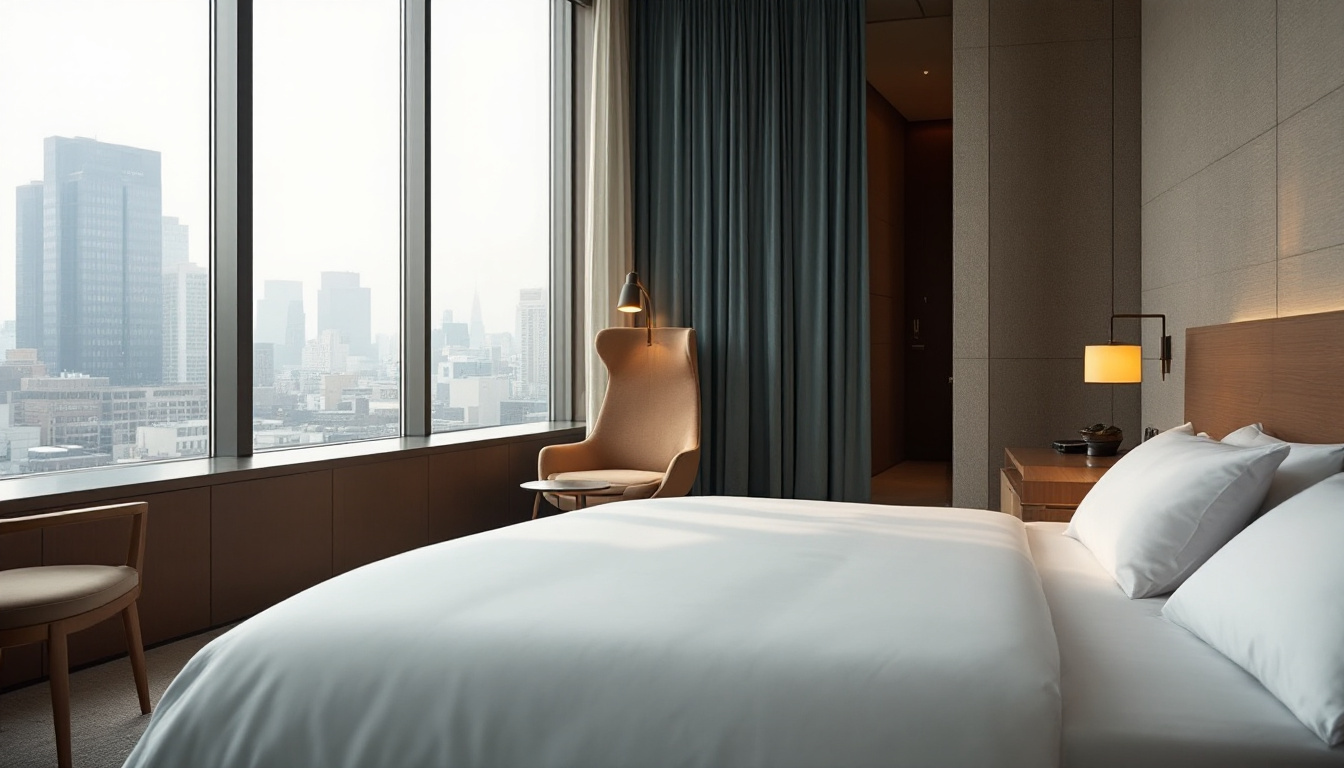
I had booked a Bulgari Suite (the entry-level suite tier, one above the Premier Room and two below the signature Bulgari Suite). Mine was suite 4203, on the 42nd floor, with a primary window line facing west-northwest across the Imperial Palace and Marunouchi toward Shinjuku. The suite measured 100 square metres on the plan, including the bathroom, and was organised as a deep single-volume room running from the corridor to the window with a low partition wall separating the bathroom in the centre.
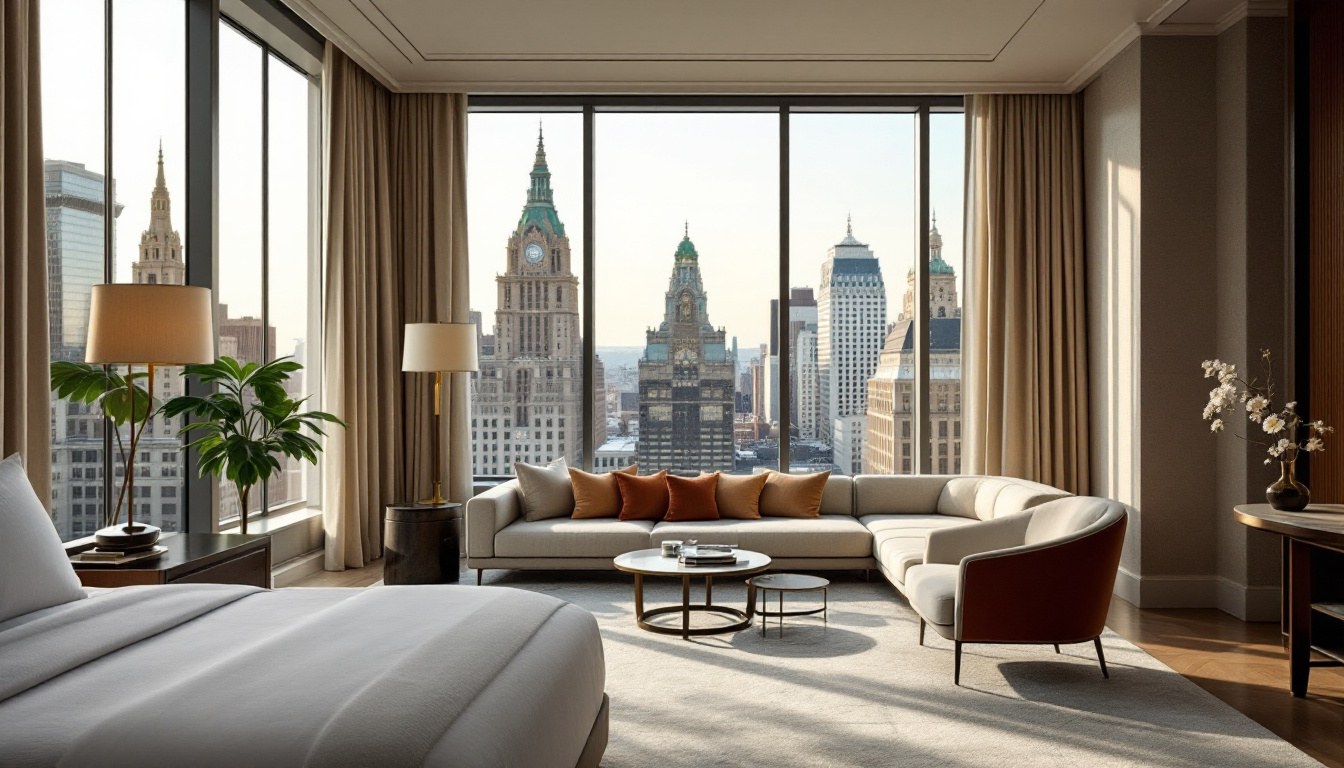
The window line is the room’s principal asset. Mine ran the full nine-metre west elevation, single-glazed in low-iron laminate, and framed a panoramic view that included Tokyo Station’s red-brick Marunouchi facade (300 metres north), the Imperial Palace grounds (700 metres west), and — on the morning of the 13th, briefly, in the clear cold before the haze closed in — the cone of Mount Fuji at roughly 240 degrees, just to the left of the Shinjuku skyline. There is a low banquette under the full length of the window, upholstered in a Loro Piana cashmere in a putty-coloured solid, and this is where you actually sit in the room. The lounge chairs and the desk feel almost vestigial in comparison.
The materiality is the property’s principal claim. The floors are wide-plank Italian walnut in a low-sheen oil finish, with a single inlaid bronze threshold at the corridor entry. The walls are a hand-troweled Venetian plaster in a warm putty above a wainscot of book-matched nero marquina marble that ACPV uses across the brand. The principal feature wall — behind the bed — is a single 4.6-metre panel of honed onyx in a pale honey colour, back-lit by a continuous LED strip that throws a soft glow into the room at night and is dimmable on the suite’s iPad control to five named scenes (Arrival, Reading, Bath, Sleep, Off). The lighting design is the strongest in any Tokyo suite I have stayed in.
The bathroom is structurally accomplished and is the suite’s set piece. The freestanding tub is a single carved block of honed nero marquina, 1.7 metres long, plumbed for a 90-second fill at full pressure. There is a separate walk-in shower with both rain and handheld heads, a steam function I tested twice, and a dual vanity in honed Calacatta with brushed-bronze fittings. The water glasses on the tub deck are Murano (a clear blown-glass piece with a faint amber tint), and the soap dish was an unmarked piece of black ceramic. Bath products are the Bulgari Eau Parfumée line — the green tea accord that the brand has used in its hotels for two decades — in 200ml ceramic refillable bottles. Robes are 480gsm waffle by Frette, embroidered with the property mark in a single bronze thread. Slippers are pressed cotton, replaced daily.
In-room technology is functional and largely hidden. Lighting is on a single iPad control beside the bed, and the curtains and blackout blinds are motorised on the same panel. The television is a 75-inch panel mounted on the wall opposite the bed, with a sliding lacquer panel that closes over it when not in use. The minibar arrangement is the now-standard considered shape: a deep walnut drawer at counter height holding a selection of Italian and Japanese spirits (Nikka From the Barrel, an Amaro Lucano, a Bulgari-branded grappa from a Veneto producer, two Suntory whiskies), a Marzocco-branded kettle, two tea caddies labelled in Japanese and English, and a single shelf of crystal glassware. The refrigerated drawer below holds water (San Pellegrino for sparkling, an Akagi mineral water from Gunma for still), a fresh-squeezed yuzu juice, and three small bottles of Italian craft beer from a Lombardy brewery I had not heard of.
What you do not get, deliberately, is any of the over-curation that defines a brand-new opening. There is no welcome platter set as a tableau, no diffused house scent running in the room, no fanned magazine display on the coffee table. The suite is set for use, not for the first photograph.
The wellness floor
The wellness floor occupies the 40th level alongside the lobby and is the second of the property’s principal claims. The Bulgari Spa is approximately 1,000 square metres and is centred on a 25-metre indoor swimming pool set in a vaulted room with a full wall of windows facing the city. The pool is lined in emerald-green mosaic tile (the brand’s signature, the same tile the Milan, Dubai, and Bali properties use), and the colour the tile throws under the pool’s underwater lighting at night is the single most photographed element of the property and one of the few times the photography lives up to the actual experience.
I used the pool on three of my four mornings. The water is held at 28 degrees Celsius — two degrees cooler than the standard hotel pool and exactly right for the way it is used in practice — and the room is held at 26 degrees, which is the right answer for swimming serious lengths rather than lounging. The pool is supervised by a single attendant at all hours, with a stack of folded white towels and a small jar of swim caps at the entry. The cap requirement is enforced. The lap-counting system at the far end is a simple analogue counter that the attendant operates from a station chair; the morning I asked for a count of fifty lengths, the attendant produced one and handed it across with no comment.
The hammam and steam room are the wellness floor’s secondary set piece. The hammam is a vaulted marble chamber, large enough for four, with a heated central marble slab and a wash trough at the back. The full hammam ritual (90 minutes) costs JPY 55,000 and includes a kese exfoliation by a trained attendant, a soap-foam wash with the Bulgari Eau Parfumée line, and a rest period on the heated slab. The execution is at the upper end of what Tokyo offers, which is a low bar (Tokyo is not a hammam city); the only Japanese hotel hammam I have used that operates at a comparable level is at the Park Hyatt Niseko.
The fitness room is the wellness floor’s weakest element — not bad, but unremarkable. The equipment is Technogym, which is the brand standard, and the room is large enough to accommodate eight to ten guests at peak. The 06:30 personal training option is a worthwhile booking for guests on Tokyo time who want a hard 45-minute session before the breakfast rush.
The service
The service has been the most-watched element of Bulgari Tokyo since opening. The brand opened the property at a moment when Tokyo’s luxury hotel service standard — set across two decades by the Park Hyatt Tokyo, the Mandarin Oriental Tokyo, and the Aman Tokyo — is exceptionally high, and the question on every visit since opening has been whether an Italian brand can operate at that standard in Japan.
The answer at three years in is: largely yes, with one specific gap.
My assigned host for the stay was Ms. Yamamoto, a fluent English-and-Italian-speaking Japanese woman who had been recruited from a private members club in Roppongi at opening. Her manner is the right register for the property — proximate but not familiar, attentive but not over-attentive, with the kind of pacing that suggests she has been trained on the Italian side rather than drilled on the Japanese side. The distinction matters here: Bulgari has chosen a service register that is recognisably Italian (warm, conversational, more proximate than the Tokyo standard) rather than attempting to emulate the Japanese style that the Aman and the Mandarin Oriental have built their reputations on. The choice is the right one. A Japanese-style Italian hotel would feel like an imitation; an Italian-style Italian hotel in Tokyo feels like itself.
Name recognition across the floor was strong but not uniform. I was greeted by name at the Bulgari Bar, at the breakfast room, at Il Ristorante - Niko Romito on the second evening, and at the lift attendant station on each of the four days. I was not greeted by name at the spa reception on the second visit, which was an oversight I noted at the time. The staff-to-guest ratio at Bulgari Tokyo is published at approximately 2.2 to 1, which is high for an urban hotel of this size and is in the right band for the property’s positioning.
The deliberate service test: at 22:48 on the third night, I called the floor desk and asked whether a pair of black leather brogues could be polished and returned before an 07:30 breakfast meeting the next morning. The shoes were collected at 23:01 by a junior staffer I had not met, and returned at 07:18 the next morning, polished to the correct degree and placed in the entry vestibule without a knock. The charge on the folio was JPY 4,400, which is the standard rate. The pickup-to-return time was eight hours and seventeen minutes, which is fast and is the kind of recovery that distinguishes a property at this rate from one a tier below.
The single service gap worth recording is language. English fluency on the floor is uniformly high, and Italian is available across most of the senior staff. Mandarin and Cantonese fluency is patchy — a German-speaking couple I rode the lift with on the third evening mentioned that the front desk had not been able to produce a German-speaker for a phone call to a Berlin doctor’s office, and had instead arranged for a translation service. The hotel maintains a published list of staff by language capability; if you need German, French, or Mandarin fluency, request it at booking.
The table
The dining at Bulgari Tokyo is the property’s single strongest element and is, on the evidence of my February visit, doing the best Italian work in Tokyo.
Il Ristorante - Niko Romito occupies the 40th floor alongside the lobby and the spa, in a single deep room with a south-facing window line that frames the Roppongi-Shinjuku-Shibuya skyline. The room seats 62 indoors and 34 on a terrace that is closed in mid-winter. The kitchen is led by a Niko Romito-trained chef di cucina who came over from Reale Casadonna (Romito’s three-Michelin-star property in Castel di Sangro) at opening; the restaurant has held one Michelin star annually since 2024, which is the correct accolade for the work I ate on the second evening.
I took the eight-course tasting menu at JPY 38,500, paired across five wines. The highlights, in sequence: a single piece of Hokkaido bafun uni on a slice of warm bread with a smear of cultured cream, a single dish that does in three components what most three-star tasting menus do in twelve; a tortelli of Parmigiano-Reggiano 36-month aged with a brown butter and Tokyo-grown shungiku reduction; an absoluto di cipolle (Romito’s signature compressed onion broth, which the kitchen sources from a single Hokkaido producer of allium and which is the single dish that justifies the room); a primary course of Iberico pluma from Joselito, cooked over binchotan rather than the usual oak, with a Sicilian caponata; and a closing pre-dessert of cioccolato e olio that was the most accomplished olive-oil chocolate preparation I have eaten outside of Castel di Sangro itself. The pacing of the meal was the right register — neither rushed nor stretched, with the pre-dessert arriving at the right moment.
The wine list runs to roughly 950 references, with the expected depth in Tuscany and Piedmont and a more interesting depth in Japanese wine — twelve references from Coco Farm in Tochigi, six from Domaine Takahiko in Hokkaido. I drank a half-bottle of the 2019 Coco Farm Tannat Noir with the pluma; the wine director, Mr. Watanabe, walked me through three alternative pairings before settling on the Tannat.
Sushi Hōseki, the 8-seat omakase counter, is the property’s other principal dining room and the hardest reservation. The room sits behind a sliding cedar curtain that is drawn at service; the counter is a single piece of hinoki, plumbed for a small running-water trough at the itamae’s side. The chef-patron — itamae Kenichi Tomura, formerly of a small Ginza counter — runs an omakase at JPY 58,000 per person for approximately 18 to 22 courses depending on the morning’s market. I did not eat at Hōseki on this visit, having had a meal there in November 2024 that I would describe as the most considered single sushi seating I have had in Tokyo in the last five years.
The Bulgari Bar is the third principal eating-and-drinking room and is the property’s most successful social space. The room sits at the far end of the lobby, with the same west-facing window line as the lobby itself and a long bronze counter that ACPV designed in a single 12-metre run. The cocktail list runs to approximately 30 references, divided across a classics card, a signature card (with three drinks built around Bulgari-branded ingredients including a custom amaro), and a Japanese craft card (with a focus on shochu and Japanese whisky long drinks). I ate two light suppers at the bar across the four nights and would do it again — the bar food shape (a small composed plate of cicchetti, a selection of arancini, a single pasta) is the right format for a 22:30 supper after the city has slowed.
Breakfast is served in the 40th-floor lounge from 06:30 to 10:30, with the same west-facing window line that runs the length of the public floor. The breakfast is buffet-supplemented à la carte; the à la carte side is the better choice. The pastries are made in the property’s in-house bakery and are at the upper end of what Tokyo offers (the croissant is the strongest item). The Japanese set option is competent but not the equal of what The Cafe by Aman serves three blocks west.
The Detail
The single specific signature gesture at Bulgari Tokyo is the door key wallet.
When you check in, you are handed a slim hand-stitched leather wallet stamped with the property mark in a single bronze foil impression. The wallet contains the key card. When you return to the property in the evening, you hand the wallet to the lift attendant or the front desk, who replaces it with a fresh wallet for the next departure. The replacement is silent — there is no ceremony — but the wallets you receive across a four-night stay are visibly different (the leather varies by batch, the stitching by hand), and by the third evening you start to notice that no two are identical. The gesture is the kind of thing that exists because someone at ACPV insisted on it during the operational build-out and that the front desk has chosen to maintain through the early operating period. It is a small thing. It is also the kind of small thing that signals the property is being run by people who care about the operational layer, not just the design.
The other detail worth recording is the lobby’s coffee service. At 17:00 every afternoon, the lounge sets out a complimentary coffee cart with espresso, macchiato, and (on weekdays) a small selection of Italian biscotti and amaretti from a Milan bakery the front desk would not name. The cart is operated by a barista who pulls the shots to order. The coffee is the same Bulgari-branded blend that the lobby restaurant serves; the espresso pull is consistently in the right range (25 seconds, 18 grams in, 32 grams out, no channeling). For guests in the lounge between 17:00 and 19:00 — which on a winter afternoon in Tokyo is when you actually want to be in the lounge — the cart is a quietly considered piece of choreography.
The Standard
Setting — 4.7. The Yaesu Tower position is the strongest urban hotel location in Tokyo for business travel (direct Shinkansen access in the same building, walking distance to Marunouchi, ten minutes by car to Roppongi or Akasaka). The view from the principal west-facing rooms is the equal of the Aman Tokyo’s view across the same Imperial Palace grounds, with the secondary advantage of the Mount Fuji line on clear winter mornings. The deduction is for the fact that the building is a working office tower below the hotel, which produces a small but consistent friction in the arrival experience that the Aman and the Mandarin Oriental do not have. Four-point-seven.
Suites — 4.7. The materiality is the best in any urban Bulgari I have stayed in, and the bathroom is structurally accomplished. The Loro Piana banquette under the window and the back-lit onyx panel behind the bed are the two single most considered design moves in any new Tokyo room. The deduction is for the absence of a separate powder room at the Bulgari Suite tier and for the in-room technology, which is functional but is one generation behind the Aman Tokyo’s. Four-point-seven.
Service — 4.6. The Italian register is the right choice for the property, and Ms. Yamamoto’s conduct, the shoe-polishing recovery, and the lift attendant system are at the upper end of what Tokyo offers. The deduction is for the language gap (German and Mandarin) and for the missed name recognition at the spa reception on the second visit. Four-point-six.
Table — 4.8. Il Ristorante is doing the best Italian work in Tokyo, Sushi Hōseki is the hardest reservation in the building for the right reasons, and the Bulgari Bar is the most successful social space in any Tokyo hotel I can name. The breakfast is competent without being the property’s principal claim. The deduction is for the absence of a dedicated all-day dining option for solo travellers between meals (the bar covers this in practice but is not the same thing). Four-point-eight.
The Detail — 4.5. The leather key wallet, the lift decompression chamber, the 17:00 coffee cart, the supervised pool, the brushed-bronze hardware, the calibration of the gin and tonic on arrival. The half-point deduction is for the absence of an intermittent turn-down note of the kind that Aman New York and Aman Tokyo do; the Bulgari turn-down is conservative and consistent rather than considered and intermittent. Four-and-a-half.
Average: 4.7. At the Standard.
Verdict
At the Standard. Bulgari Hotel Tokyo at three is a property that has done in three years what most Asian openings need five to do: settled into a recognisable register, with a kitchen that is performing at the property’s nominal level and a service team that has stopped trying to copy the Aman and has chosen its own Italian voice. The lift, the bar, and the back-lit onyx panel behind the bed are the three moments at which the property is most itself.
Best for: a three-to-five-night Tokyo base that combines two or three days of Marunouchi or Otemachi meetings with two days of leisure. Best for couples and for solo business travellers. Best for guests who want a Shinkansen-adjacent base for a multi-city Japan itinerary. Not for: families with young children (the property is adult-coded in the way the Aman is), large parties, or guests who want a high-energy bar scene attached to the property (the Bulgari Bar is the right register but is not the New York Bar at the Park Hyatt).
Reservation lead times: I would book three to four months out for the cherry-blossom window (mid-March through mid-April), six to eight weeks for autumn maple (early to mid-November), and two to three weeks for the late-winter shoulder. Reserve direct through Bulgari Hotels or through the Marriott Bonvoy Luxury Collection portal (Bulgari operates within Marriott’s Luxury Group, which means Bonvoy points and tier benefits apply). Rates from approximately JPY 280,000 for the Superior Room, rising to JPY 600,000 for the Bulgari Premier Suites and JPY 4,500,000-plus for the signature Bulgari Suite.
Standing Questions
When did Bulgari Hotel Tokyo open?
The hotel opened on 4 April 2023, occupying the 40th through 45th floors of the Tokyo Midtown Yaesu tower above Tokyo Station’s Yaesu exit.
Who designed the interiors?
ACPV ARCHITECTS — the Milan practice of Antonio Citterio and Patricia Viel — designed the interiors, as it has for every Bulgari hotel since the brand’s launch.
What is the entry-level rate?
Superior Rooms (around 50 square metres) start at approximately JPY 280,000 per night in shoulder season; the Bulgari Suite ranges JPY 4,500,000+.
How does Il Ristorante - Niko Romito compare to the property’s other dining?
Il Ristorante - Niko Romito is the property’s flagship Italian room, with one Michelin star awarded annually since opening. Sushi Hōseki, an 8-seat omakase counter, is the harder reservation and is the kitchen at its most considered.
Is the property a better business or leisure choice?
The Yaesu position above Tokyo Station — including direct Shinkansen access in the same building — makes it the strongest business-traveller property in Tokyo. The spa, pool, and dining make it equally serious for leisure stays. It does both with equal credibility.
Verification
Filed against the following sources, last verified on February 21, 2026. The desk re-checks the source URLs on every dated modification of the piece.
- https://www.bulgarihotels.com/en_US/tokyo
- https://www.bulgarihotels.com/en_US/tokyo/the-hotel/overview
- https://www.bulgarihotels.com/en_US/tokyo/dining/sushi-hoseki
- https://www.bulgarihotels.com/en_US/tokyo/spa-and-fitness/the-bulgari-spa
- https://www.bulgarihotels.com/en_US/tokyo/spa-and-fitness/the-pool
- https://www.bulgarihotels.com/en_US/tokyo/dining
- https://www.thatsmags.com/gba/post/35639/bulgari-hotels-resorts-expands-to-tokyo-on-april-4-2023
- https://www.hospitalitynet.org/announcement/41009095.html
- https://cpp-luxury.com/bulgari-hotel-tokyo-open-april-4th-2023/
- https://www.luxeat.com/blog/bulgari-hotel-tokyo-blending-italian-elegance-with-tokyos-pulse/
- https://guide.michelin.com/gb/en/tokyo-region/tokyo/restaurant/bvlgari-il-ristorante-luca-fantin
Standing Questions
- When did Bulgari Hotel Tokyo open?
- The hotel opened on 4 April 2023, occupying the 40th through 45th floors of the Tokyo Midtown Yaesu tower above Tokyo Station's Yaesu exit.
- Who designed the interiors?
- ACPV ARCHITECTS — the Milan practice of Antonio Citterio and Patricia Viel — designed the interiors, as it has for every Bulgari hotel since the brand's launch.
- What is the entry-level rate?
- Superior Rooms (around 50 square metres) start at approximately JPY 280,000 per night in shoulder season; the Bulgari Suite ranges JPY 4,500,000+.
- How does Il Ristorante - Niko Romito compare to the property's other dining?
- Il Ristorante - Niko Romito is the property's flagship Italian room, with one Michelin star awarded annually since opening. Sushi Hōseki, an 8-seat omakase counter, is the harder reservation and is the kitchen at its most considered.
- Is the property a better business or leisure choice?
- The Yaesu position above Tokyo Station — including direct Shinkansen access in the same building — makes it the strongest business-traveller property in Tokyo. The spa, pool, and dining make it equally serious for leisure stays. It does both with equal credibility.