I checked in to Capella Bangkok on the afternoon of 9 January 2026, a Friday, in the kind of late-dry-season Bangkok that the city does best between the post-Songkran haze and the first April heat — a flat thirty-two degrees, the river running olive-green and full, the air carrying the mid-afternoon mix of charcoal smoke from the open-air kitchens on the opposite bank and the slightly mineral note of the Chao Phraya itself. I had stayed at the property once before, in March 2023, in its third year of operation. I came back this January for a five-night stay to see what five full years had produced — and, specifically, to test whether the property’s reputation, which has hardened across the last eighteen months into the kind of consensus that produces World’s 50 Best top-three rankings, was matched by the experience on the ground.
The single observation that frames this review came on the riverside lawn at 17:40 on the first afternoon. I had walked out of the lobby pavilion onto the lawn — a deep band of manicured grass, perhaps thirty metres river-to-back, with a row of mature mango and frangipani trees on the inland edge and the river at the front — and stopped at the third lounger from the south end, where the property’s grounds team had set a small folded blue-and-white cotton blanket and a single brass bell on a teak side table. I had not asked for either. The blanket was for the breeze that comes up off the river around dusk; the bell was for ringing if I wanted service. A grounds staffer was at my elbow within forty-five seconds when I tested the bell. The whole arrangement was the kind of thing that on a brand-new property reads as theatre and on a five-year-old property reads as a team that has worked out how guests actually use the lawn. The lawn arrangement is, in some sense, the answer to whether Capella Bangkok at five is the property the rankings claim.
The arrival
The transfer from Suvarnabhumi (BKK) to Capella Bangkok runs about an hour in midday traffic and longer in the late-afternoon rush, depending on which route the driver chooses and how late in the day the Chinatown approach gets clogged. The hotel meets guests at the gate-side arrivals exit (the dedicated Premium Lane on level 2) with a printed card and a hand-held cold towel; the host I was met by was a woman named Khun Praew, who carried both my bags to the curb without asking and walked me to a black BMW 7 Series that had been positioned in the dedicated hotel lane rather than the general drop-off.
The driver, Khun Anan, took the Expressway north and west and exited onto Charoen Krung Road, the long riverside artery that runs from Saphan Taksin Bridge south through Bang Kho Laem. The property occupies a 5.5-acre slice of land on the eastern bank, on a site that was originally a 19th-century customs warehouse and later — across the 20th century — a series of teak-trading compounds. The entry from Charoenkrung is unsignposted from the main road; the access road runs through a security gate, past a small grove of old rain trees, and into a forecourt that is paved in honed grey granite and shaded by a single mature banyan that the property’s architecture team kept rather than removed.
The lobby pavilion is a deep two-storey teak-and-glass structure that opens at both ends — to the forecourt on one side and to the riverside lawn on the other — with a polished concrete floor that runs straight through, without a threshold, from gravel to grass. There is no front desk in the conventional sense. I was led to a low chair facing the river, handed a glass of butterfly-pea-flower tea and a chilled lavender-scented towel by Khun Praew, and joined three minutes later by my host for the stay — a woman named Khun Nan, who carried a tablet and walked me through the property geography on a hand-drawn map before walking me to my room.
The walk from the lobby pavilion to the room is, deliberately, longer than it needs to be. The property’s circulation is organised around a central tree-lined spine that runs the full length of the site, with the lobby at the north end, the dining pavilions in the middle, the pool deck and lawn on the river side, and the residence wings on either side. The walk takes about four minutes at the slow pace Khun Nan set. Along the way she pointed out the entrance to Cote (which I would eat at on the second evening), the path to the spa, and the small library room that the property had quietly added in 2024 and that I had not seen on my 2023 visit.
The suite
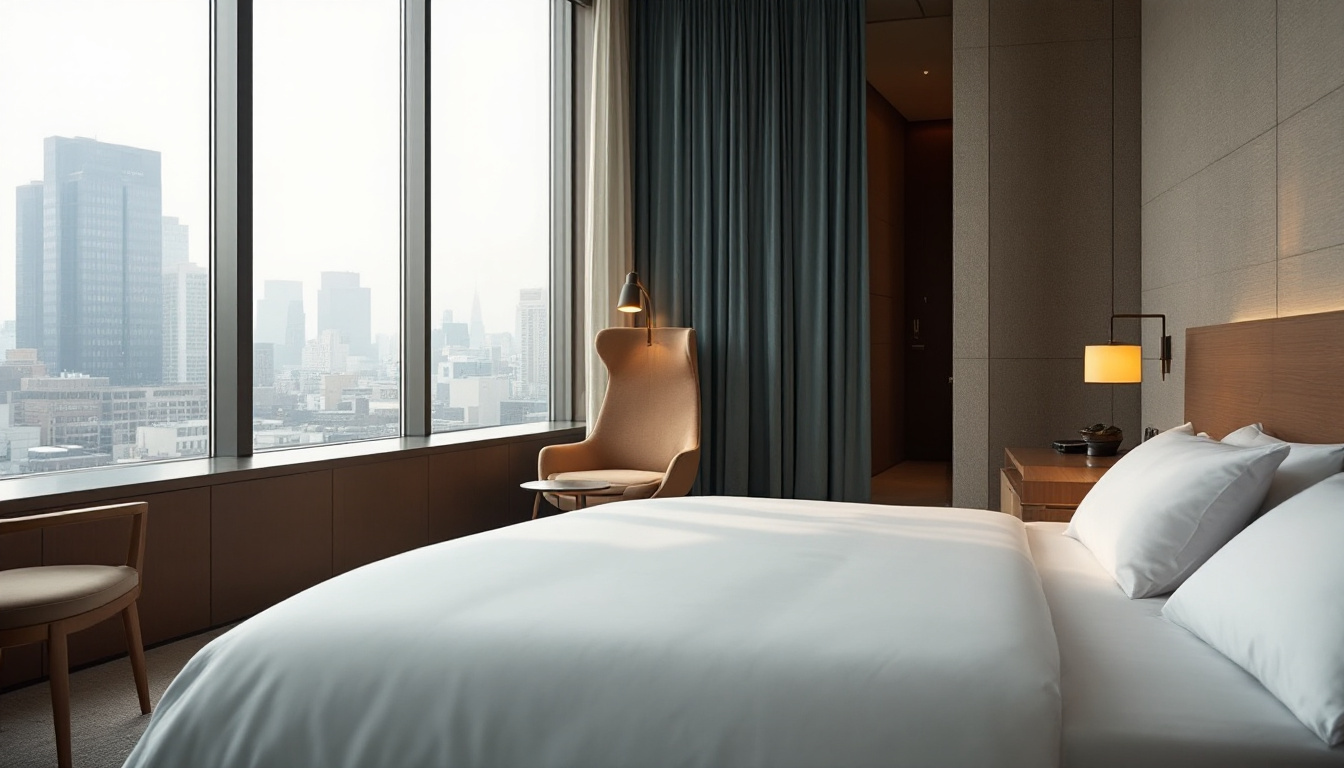
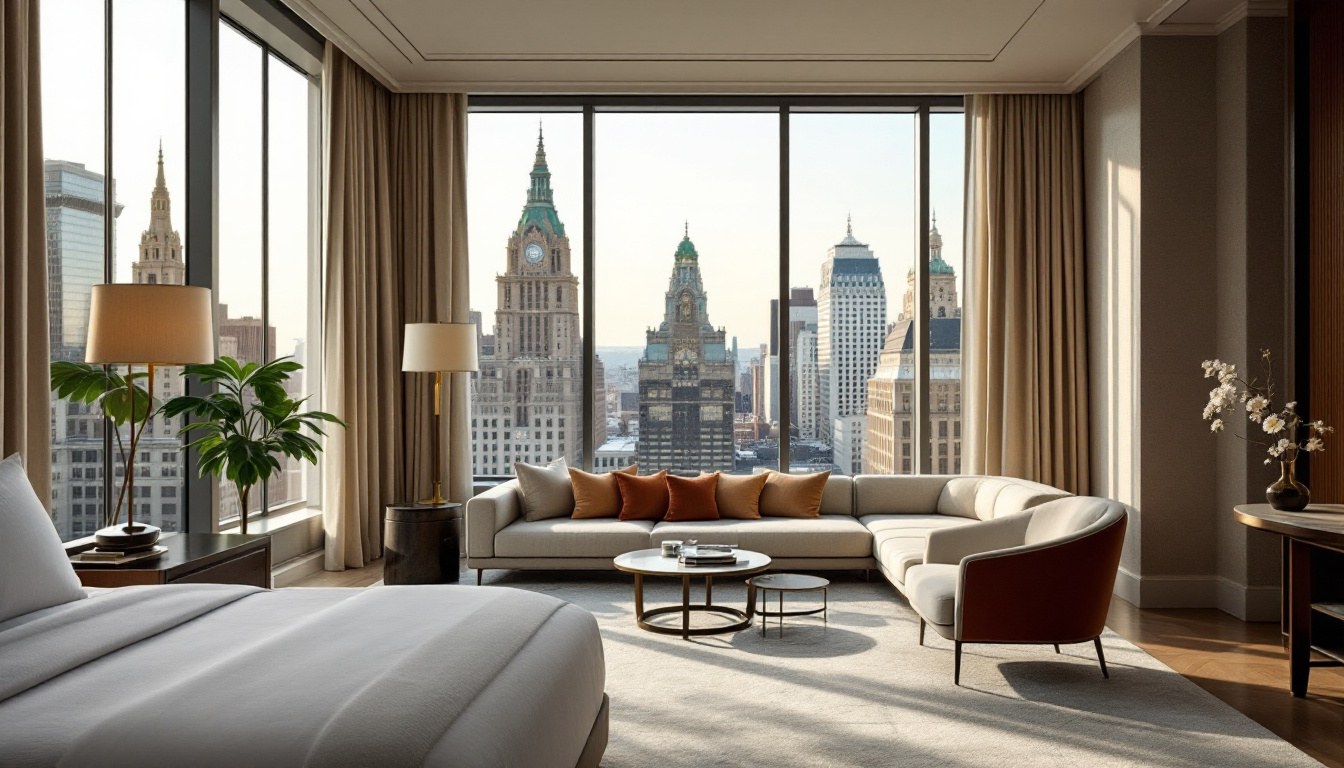
I had booked a Riverfront Premier Room, the entry tier of the property’s accommodations, which sits one tier below the Personal Riverfront Suite and four tiers below the Capella Villa. Mine was room 412, on the fourth floor of the south wing, with a primary window line and a private terrace facing west across the Chao Phraya toward the silhouette of Wat Yannawa and, further north on the opposite bank, the Holy Rosary Church. The room measured 80 square metres on the plan, including the bathroom; the terrace was an additional 12 square metres of teak decking, with a single daybed under a retractable awning.
Every room at Capella Bangkok faces the river. This is the property’s principal architectural decision and is the single most-important thing to understand about the experience. The competitive set in Bangkok — the Mandarin Oriental Bangkok across the river, the Four Seasons Bangkok at Chao Phraya River three kilometres north, the Peninsula Bangkok directly across — all rotate guests across river-facing and non-river-facing rooms; Capella does not. There is no city-view room category. The site is large enough and the building footprint shallow enough that every guest, on every night, gets the same fundamental orientation. This is also why the entry-level rate is high: the property has no inventory below the river-facing standard.
The materiality is deliberate and restrained. The floor is wide-plank teak from a salvaged Thai source, oiled rather than varnished. The walls are limewashed plaster above a low wainscot of honed Thai limestone in a pale grey. The bed wall is a single hand-loomed silk panel in a Thai-tobacco brown, woven by a Bangkok-based atelier the property commissions on rotation. The ceiling is a soft cove with a continuous indirect LED that throws a warm wash and is dimmable on the suite’s iPad control to five named scenes (Arrival, Reading, Bath, Sleep, Off — the same five-scene structure the BAMO team uses across the Capella portfolio).
The bathroom is the suite’s structural set piece. The freestanding tub is a single carved block of honed Thai limestone, 1.7 metres long, positioned in front of a full-height window with a louvered teak screen that opens to the river. The screen is the room’s quiet gesture — closed, it is a textured wall; open, it frames a 90-degree view of the river and the opposite bank from the tub. There is a separate walk-in shower with both rain and handheld heads, a wet-room layout with a teak duckboard floor, a steam function I tested twice, and a dual vanity in honed Thai marble with brushed-brass fittings sourced from a Chiang Mai metalworker. The bath products are a Capella-blended line with lemongrass, pandan, and tamarind notes; the shampoo and conditioner are in 300ml ceramic refillable bottles. Robes are 480gsm waffle by Frette, embroidered with the property mark in undyed thread. Slippers are pressed cotton, replaced daily.
The terrace is the suite’s underrated asset. The daybed is sized for two adults to read on at the same time without crowding; the small teak side table is plumbed for a power outlet and a USB; the awning retracts on a simple manual crank. At 18:30 on the first evening, with the late dry-season sun dropping behind Wat Yannawa across the river and a single long-tail boat passing slowly upstream toward the Grand Palace, the terrace was the right answer for a pre-dinner gin and tonic and an hour with a book. The grounds team had topped up the small ice bucket on the side table without my asking; the ice was clear-block, single-pour, the right size for a long drink.
The grounds and pool
The property’s principal claim, after the riverside orientation, is the grounds.
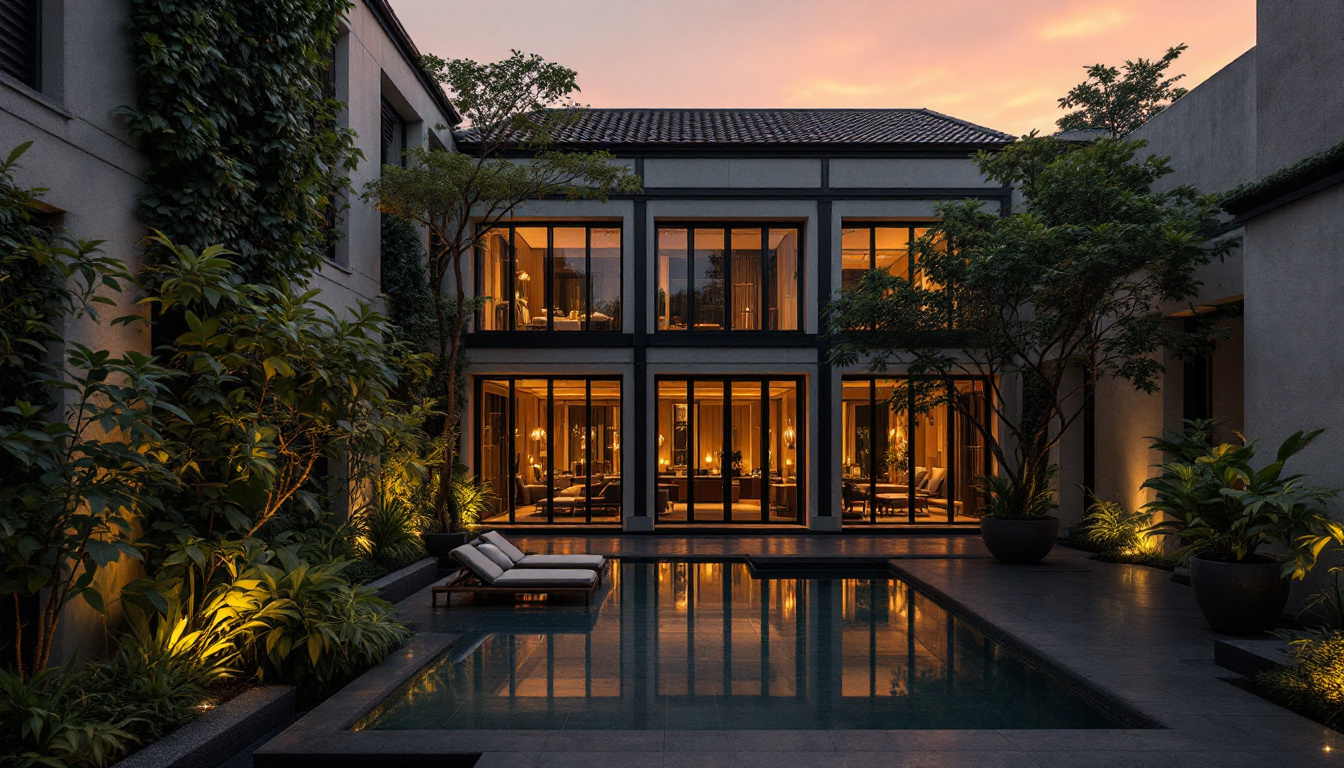
The site is 5.5 acres — extraordinary for a Bangkok urban property — and the architecture is deliberately low. There is one main wing, four storeys high, set perpendicular to the river; the rest of the inventory is in low-rise pavilions of two and three storeys. The result is that approximately 60 percent of the site is open ground: lawn, tree canopy, the spine path, the pool deck, the dining gardens, the gardens around the spa. The mature trees — a mix of banyan, rain tree, frangipani, and mango — pre-date the development, which is why they have the size they do. The grounds team is uniformed in a deliberately understated dark green linen rather than a hotel-uniform white, and at any time of day there are between four and eight team members visible in the grounds doing the kind of quiet, slow work that good gardens require.
The pool is set perpendicular to the river, twenty metres west of the lawn. The pool is 30 metres long and tiled in a honed Thai limestone that throws a pale jade colour under the afternoon sun. There are 16 daybeds along the long sides, with shade cabanas at the four corners; the daybeds are dressed in white linen with a small folded cotton blanket on each (the same blue-and-white cotton I had on the lawn). The pool is supervised by a single attendant at all hours, with a fresh stack of pool towels at the entry and a small jar of swim caps for serious lap swimmers. The pool bar — a small detached structure at the southern end — serves a tight menu of light food (a tom yum tortellini, a green papaya salad, three composed sandwiches) and a wider drinks list (the cocktail list runs to about 18 references, including a coconut-and-pandan twist on a daiquiri that is the right answer for a hot afternoon).
The lawn is the property’s other principal social space and is where most of the guests-by-themselves-in-the-late-afternoon end up. The lawn arrangements I mentioned at the start — the folded blue-and-white blanket, the brass bell, the teak side table — are placed at each lounger by the grounds team during the late-afternoon turn-down of the outdoor spaces, between 17:00 and 17:30 every day. There is no charge for the lawn, no minimum spend, no allocated reservation system. You walk out and sit.
The service
The service at Capella Bangkok is the principal reason the rankings have hardened around the property in the last eighteen months. The Capella brand operates a one-personal-assistant-per-guest model called the Capella Culturist, which is a marketing label for what is, in practice, the most considered single-point-of-contact service system in any Southeast Asian urban hotel.
My assigned Culturist for the stay was Khun Wit, a Thai man in his early forties who had been on the property since opening and had — he mentioned on the second day, prompted by my question about the library — turned down a transfer to Capella Sydney in 2025. His English is fluent and almost accent-free; his German, which I tested briefly, is conversational. The Culturist arrangement here is one assistant per guest, not one per room or one per booking, which means that he was my single point of contact for everything from restaurant bookings to the small request on the third evening to have a pair of black trousers steamed.
The deliberate service test: at 22:48 on the second evening, I called Khun Wit on his mobile and asked whether a black silk pocket square could be steamed and pressed for an 08:00 breakfast meeting the next morning. The pocket square was collected at 22:54 by a junior member of the laundry team, returned at 06:42 the next morning on a wooden hanger, folded in the property’s house style (a four-point fold with the points oriented up), and presented in a small linen pouch. The bill on the folio showed THB 250, which is the standard rate, with no rush charge.
Name recognition across the property was uniform. I was greeted by name at the lobby on each entry, at the pool bar each of the three times I ordered there, at Phra Nakhon on the third afternoon, at Cote on the second evening, at the spa on each of the two visits, and at the lawn on each of the four afternoons. The staff-to-guest ratio at Capella Bangkok is published at approximately 3.5 to 1, which is exceptional for an urban hotel and shows in every public space.
The single service detail worth recording is the way Khun Wit handled the rebooking of a Cote reservation. I had been booked for the 19:30 first seating on the second evening; in the late morning, the property’s restaurant team called my Culturist to say the table had been moved to 20:00 because the 19:30 had been over-allocated. Khun Wit called me at 11:18 to say so, offered three alternatives (move to 20:00 at Cote, move to the same time at Phra Nakhon, or move to the riverside lawn for an in-grounds tasting menu by Cote’s sous-chef), and let me decide. I took the 20:00. The bottle of welcome champagne that arrived in the room at 18:30 — a small unannounced apology gesture — was the correct register: visible enough to register, modest enough to feel proportionate.
The table
The dining at Capella Bangkok is the property’s other principal claim and is, on the evidence of my January visit, the strongest single hotel dining programme in Bangkok.
Cote by Mauro Colagreco is the property’s flagship and occupies the second floor of the central dining pavilion, with a 270-degree window line that frames the river to the west and the property’s central lawn to the east. The room seats 48 across two seatings (19:30 and 21:30). The kitchen is overseen by Colagreco (whose three-Michelin-star Mirazur on the French-Italian border is the principal reference point for the work here) and is run on a day-to-day basis by a head chef the property would not name to me at the table but who, by the conversation I had with the sommelier, has been in the role since opening. Cote has held two Michelin stars in the MICHELIN Guide Thailand 2025, and the property as a whole was recognised among the top three hotels globally by The World’s 50 Best Hotels 2025.
I took the carte blanche tasting menu (nine courses, THB 7,800) paired across five wines. The highlights, in sequence: a single piece of locally-caught river fish (a snakehead, which the kitchen sources from a small fisherman on the lower Chao Phraya), cured for six hours and served with a kaffir lime granita; a tortelli of fermented Thai garlic and brown butter with a single shaved black truffle from a producer in Chiang Mai that has been producing truffles since the early 2010s; the Mirazur signature dish — the four seasons salad, here adapted to local Thai produce with five seasonal vegetables — which was the most accomplished single course of the meal; a primary course of Australian wagyu cooked over Thai charcoal with a tamarind-and-palm-sugar glaze; and a closing pre-dessert of coconut-and-jasmine ice cream that was the only weak element of the meal (the jasmine had been over-extracted and the ice cream carried a slight bitterness). The pacing was the right register — neither rushed nor stretched, with the table held for the full three hours.
The wine list runs to about 720 references, with the expected depth in Burgundy and Bordeaux and a more interesting depth in Mediterranean French wines (twelve references from Languedoc producers, eight from small Provençal estates that Colagreco’s Mirazur sommelier has championed). I drank a half-bottle of the 2019 Domaine Tempier Bandol with the wagyu; the pairing was generous.
Phra Nakhon, the Thai restaurant, sits on the ground floor of the same dining pavilion with a riverside terrace that opens to the lawn. The room is built around an open central kitchen with a wood-fired charcoal grill at one end and a curry-paste preparation station at the other. The kitchen is overseen by a Thai chef who came from a traditional Bangkok kitchen rather than from a hotel background, which is the right answer for the room. I took dinner at Phra Nakhon on the third evening, à la carte. The highlights: a small pomelo salad with crispy shallots and dried shrimp, served at exactly the right temperature; a single piece of grilled prawn over a charcoal fire with a green chilli nam jim; a beef massaman that the kitchen had braised for nine hours and which was the most accomplished single Thai dish I have eaten in a hotel setting in the last three years; and a closing dessert of mango and sticky rice that was correctly executed (the rice was warm, the mango was room temperature, the coconut cream was the right thickness). The meal ran THB 4,200 per person before wine, which is fair for the work.
The Auriga Wellness lounge, in the spa building, serves a separate and very limited lunch menu — six dishes built around the spa’s wellness philosophy — that is worth knowing about for spa-day stays. I had the steamed barramundi and quinoa bowl after a spa session on the third day; it was competent and unremarkable.
The Detail
The single specific signature gesture at Capella Bangkok is the lawn turn-down.
Between 17:00 and 17:30 every day, the grounds team walks the riverside lawn and sets each of the fifteen loungers — whether occupied or not — with three small items: a folded blue-and-white cotton blanket for the evening breeze, a small brass bell on a teak side table for service, and a single small lacquer dish containing two pieces of dried mango from a producer in Petchaboon. The dish is replaced fresh each afternoon. The blanket is laundered daily. The bell is the same brass bell that the property’s grounds team has used since opening, with each lounger keyed to its own bell (each bell carries a small engraved number on the underside, matched to the lounger position). The arrangement is the kind of choreography that exists because someone on the operations team decided, in the property’s first eighteen months, that the lawn was the principal social space and needed to be treated as such. The decision was the right one. The lawn turn-down is the single most-considered signature gesture in any urban hotel in Bangkok.
The other detail worth recording is the in-room turn-down. At 19:30 each evening, the housekeeping team enters the room, performs a standard turn-down (bed turned, slippers placed, water replaced), and adds two further elements: a small woven palm-leaf basket on the bedside table containing two pieces of Thai chocolate from a Bangkok maker the property would not name, and — on alternate nights — a small printed card carrying a single Thai proverb or poem in both Thai script and English translation. The cards were present on two of the four nights of my stay; they were not present on the first or third. The intermittent cadence is the right one. A nightly card would be theatre; an alternating one reads as a property paying attention to its own register.
The Standard
Setting — 4.9. The 5.5-acre riverside site is the strongest urban-hotel grounds in Southeast Asia. Every room is river-facing. The lawn is the right size and orientation for the way it is used. The view across the Chao Phraya to Wat Yannawa and the silhouette of the opposite bank is the single most-photographed urban hotel view in Thailand and is, on the evidence, justified. The one-tenth deduction is for the Charoenkrung access road, which is functional but unsignposted in a way that costs first-time guests an extra five minutes on arrival. Four-point-nine.
Suites — 4.7. The Riverfront Premier is the right entry tier — generously sized, with the private terrace as the unexpected gift — and the materiality (the teak, the limestone, the loomed silk bed wall) is the best in any Bangkok hotel. The bathroom is structurally accomplished. The deduction is for the in-room technology, which is functional but is one generation behind the latest Aman and Bulgari operating systems, and for the absence of a separate powder room in the entry tier. Four-point-seven.
Service — 4.8. The Capella Culturist arrangement is the strongest single service decision in any Asian urban hotel, and Khun Wit’s conduct (the pocket square, the Cote rebooking, the unprompted ice on the terrace) is at the upper end of what the region offers. Name recognition is uniform. The grounds team’s quiet density is the operational asset that supports everything. The deduction is for one specific lapse on the second morning — a wake-up call that came four minutes late and was not followed by a written acknowledgment — and for one moment at the pool bar on the third afternoon when the bar staff were slow to respond to a returning guest. Four-point-eight.
Table — 4.9. Cote is doing the most accomplished river-facing fine-dining work in Bangkok, Phra Nakhon is the most accomplished hotel Thai kitchen I have eaten at, and the Auriga lunch menu rounds out the offering for spa-day stays. The wine programme is serious. The pre-dessert at Cote was the only weak moment across the four meals I took at the property. Four-point-nine.
The Detail — 4.7. The lawn turn-down, the alternating in-room poetry cards, the clear-block ice on the terrace, the brass bells, the silk bed wall, the louvered teak screen at the bath window, the unprompted welcome champagne after the Cote rebooking. Four-point-seven.
Average: 4.8. At the Standard.
Verdict
At the Standard. Capella Bangkok at five is the rarer kind of mature property: it has settled into itself with the kind of quiet confidence that is hard to engineer and harder to maintain. The grounds, the river orientation, the Culturist service model, and the Cote kitchen are the four operational decisions that compound on one another and produce the experience the rankings have correctly identified. The lawn turn-down is the property’s signature; the river is its argument.
Best for: a four-to-seven-night Bangkok base, particularly in the cool dry season (mid-November through mid-February). Best for couples who want a city-and-resort combination without the friction of leaving Bangkok for the islands. Best for solo travellers who want a long-form base for the Bangkok museums and the Chao Phraya. Best for older children — twelve and up — who can use the pool and lawn without disrupting the property’s register. Not for: parties of more than two adults seeking a shared villa at this rate (the pool villas accommodate it but the inventory is limited), or guests who want a high-energy bar scene attached to the lobby (the bar at the pool is the property’s social space and is deliberately quiet).
Reservation lead times: I would book three to four months out for the cool-dry-season peak (late December through late January), six to eight weeks for the early dry season (November), and two to three weeks for the green-season shoulder (May through October). Reserve direct through Capella or via a brand-recognised travel adviser for the Capella Curates welcome amenity. Cote is bookable from sixty days out and the carte blanche tasting menu books out for the cool-season weekends by twenty days before arrival. Rates from approximately THB 38,000 for the Riverfront Premier Room, rising to THB 95,000 for the Premier Riverfront Pool Villa and THB 450,000-plus for the signature Capella Villa.
Standing Questions
When did Capella Bangkok open?
The hotel opened on 1 October 2020, mid-pandemic, on a 14-rai (5.5-acre) site on the eastern bank of the Chao Phraya River at Charoenkrung Road.
Who designed the property?
The architecture is by Hamiltons International (London); the interiors are by BAMO (San Francisco). The 101 keys include 16 suites and 7 villas, all river-facing.
What is the entry-level rate?
Premier Riverfront Rooms (around 80 square metres) start at approximately THB 38,000 per night in shoulder season; pool villas and the Capella Villa range THB 95,000 to 450,000.
How does Cote by Mauro Colagreco rank in Bangkok?
Cote holds two Michelin stars in the MICHELIN Guide Thailand and was recognised among the top three hotels globally by The World’s 50 Best Hotels 2025. It is doing the most accomplished river-facing fine-dining work in the city.
Is the property suitable for families?
Yes — the multi-bedroom suite and villa configurations work for families, the children’s programme is well-resourced, and the riverside lawn and pool deck are designed for the use. The register, however, is quieter than the kid-coded competitive set on Phuket or Koh Samui.
Verification
Filed against the following sources, last verified on May 25, 2026. The desk re-checks the source URLs on every dated modification of the piece.
- https://capellahotels.com/en/capella-bangkok
- https://capellahotels.com/en/capella-bangkok/accommodation
- https://capellahotels.com/en/capella-bangkok/dining/cote-by-mauro-colagreco
- https://capellahotels.com/en/capella-bangkok/wellness
- https://www.remotelands.com/travelogues/luxury-capella-bangkok-accepts-first-guest/
- https://onemileatatime.com/reviews/capella-bangkok/
- https://theluxuryeditor.com/review/capella-bangkok-bangkoks-chic-urban-riverside-resort-with-michelin-starred-cuisine/
- https://theshutterwhale.com/blog/2020/10/3/capella-bangkok-officially-opens-with-exclusive-capella-bangkok-101-package-up-to-36-hours-stay-with-spa-treatment-welcome-cocktails-and-meals
- https://capellahotels.com/assets/docs/bangkok/EN-Press_Release_Capella-Bangkok_Named_Best_Global_Hotel_For_Food_And_Drink_In_Food_Wine_2026_Global_Tastemakers_Awards.pdf
- https://www.timeout.com/bangkok/restaurants/cote-by-mauro-colagreco
- https://www.tripadvisor.com/Attraction_Review-g293916-d23398431-Reviews-AURIGA_WELLNESS-Bangkok.html
Standing Questions
- When did Capella Bangkok open?
- The hotel opened on 1 October 2020, mid-pandemic, on a 14-rai (5.5-acre) site on the eastern bank of the Chao Phraya River at Charoenkrung Road.
- Who designed the property?
- The architecture is by Hamiltons International (London); the interiors are by BAMO (San Francisco). The 101 keys include 16 suites and 7 villas, all river-facing.
- What is the entry-level rate?
- Premier Riverfront Rooms (around 80 square metres) start at approximately THB 38,000 per night in shoulder season; pool villas and the Capella Villa range THB 95,000 to 450,000.
- How does Cote by Mauro Colagreco rank in Bangkok?
- Cote holds two Michelin stars in the MICHELIN Guide Thailand and was recognised among the top three hotels globally by The World's 50 Best Hotels 2025. It is doing the most accomplished river-facing fine-dining work in the city.
- Is the property suitable for families?
- Yes — the multi-bedroom suite and villa configurations work for families, the children's programme is well-resourced, and the riverside lawn and pool deck are designed for the use. The register, however, is quieter than the kid-coded competitive set on Phuket or Koh Samui.