The arrival is, by design, an exercise in scale. The Department of Education building is one of the larger sandstone piles Sydney built before the Great War — three storeys of Edwardian baroque, with a deep rusticated base, paired Corinthian columns running the second-storey order, and a heavy entablature that has weathered to the warm honey colour Sydney sandstone always settles into. It occupies an entire block on the corner of Bridge and Loftus Streets, two minutes’ walk from Circular Quay. For ninety years it was civic; now it is the city’s most ambitious hotel.
The Restoration
Pontiac Land Group, the Singapore-based developer that owns and operates the Capella brand, acquired the lease in the late 2010s with the brief of converting the building to a hotel while preserving the heritage fabric. The constraints were serious. The exterior is listed at every available level; the principal interior spaces — the grand staircase, the former art gallery, the council chamber — are also protected; and the building had been adapted, badly, over its long civic life, with partitions and dropped ceilings that obscured the original volumes.
Make Architects, the London-based practice led by Ken Shuttleworth, won the architectural commission. The strategy was twofold: strip back the unsympathetic interventions to reveal the original spaces, and add the contemporary infrastructure — services, sound insulation, fire compartmentation — invisibly. The team worked through every original window, every cornice, every section of sandstone. The result, walking through the lobby in 2026, is a building that reads as both original and new. The volumes are nineteenth-century. The detailing is twenty-first.
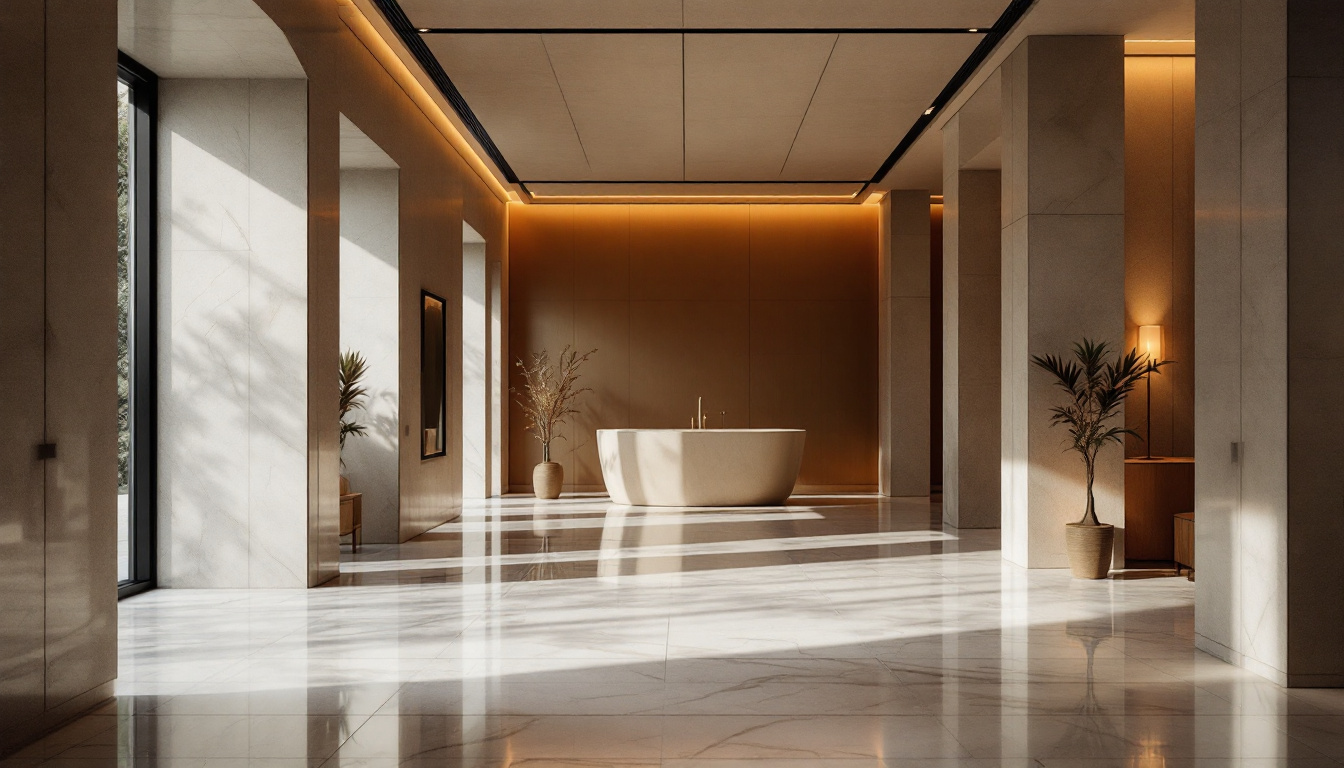
BAR Studio, the Australian interior-design firm responsible for a meaningful share of the high-end Asian-Pacific hotel market, handled the interiors. The brief, as the studio has described it, was to set the contemporary inside the historic without either competing or apologising. The colour palette is muted — deep greens, warm bronze, the particular grey of polished sandstone — and the materials are heavy: brushed metals, deep-pile wool carpets, leather and timber on the joinery. The lighting is warm and low. The art programme runs to Australian contemporary, with significant commissions in the public rooms.
The Rooms
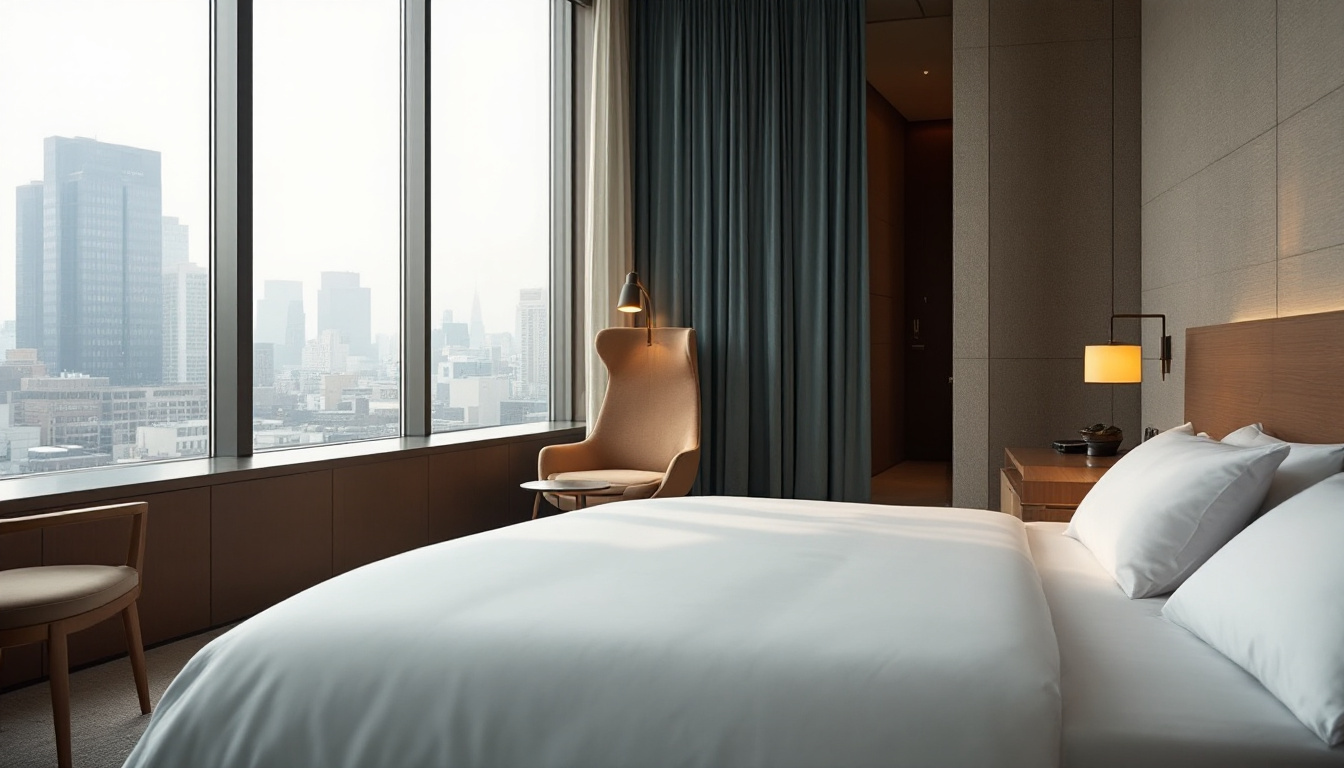
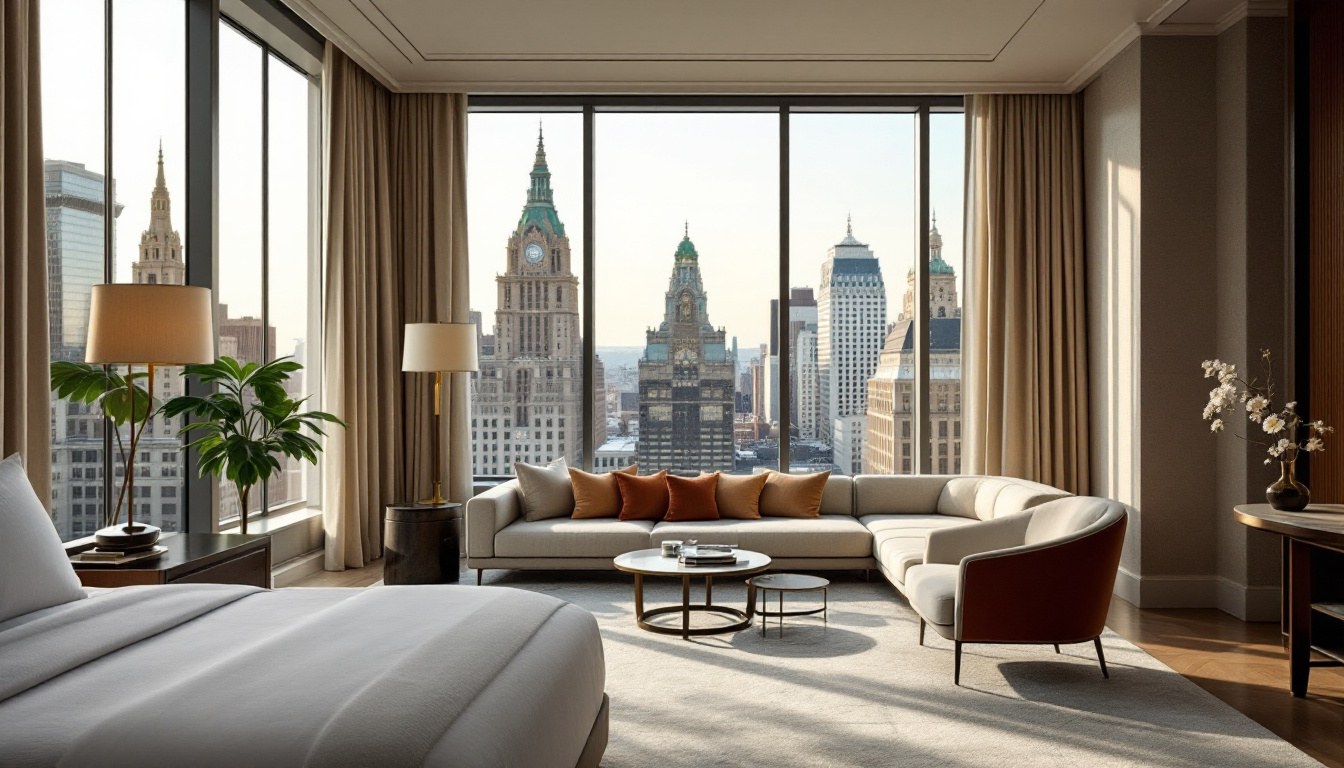
Capella opened with 192 keys, which is unusually generous for a heritage conversion of this kind. The base entry-level room averages over fifty-five square metres, which is, by international comparison, large. My room — a one-bedroom suite on the seventh floor, facing the harbour — ran closer to eighty. The footprint is residential. There is a separate entry vestibule, a sitting room with a fireplace, a bedroom with a deep upholstered headboard, and a bath with a window over the sandstone façade of the building next door.
The materials are the part of the brief that I want to flag. The floor is timber, not carpet; the carpet runs only in the bedroom. The desk is a single slab of Australian hardwood. The minibar is hidden behind a leather-clad panel. The bath is set in a stone block. The lighting is layered — five or six discrete circuits in the bedroom — and the controls are at the bed, the door and the bath, which is the level of consideration you want and rarely get.
The signature Capella Suite occupies most of the ninth floor at 235 square metres. I did not stay in it; I had drinks in it on my last evening. The scale is genuinely residential, with a full kitchen, a dining room for ten, a separate study and a wraparound terrace with a harbour view. If you have the budget and the occasion, it is the room of choice in central Sydney.
The Food
Brasserie 1930 anchors the ground floor and is the room everyone will end up eating in. The kitchen is led by a team with serious credentials — the executive chef came from the Melbourne fine-dining circuit — and the menu is a contemporary brasserie register: a long raw bar, a wood-grill section, a pasta programme that improved over the days I was there. The room is the original council chamber, with double-height ceilings and the original plasterwork restored; the acoustic treatment is the only modern intervention, and it is invisible.
The dish to order is the steak tartare with smoked egg yolk and the sourdough that comes from the in-house bakery. The wine list is unusually deep in Hunter Valley Semillon, Margaret River Chardonnay and the Yarra Valley Pinots; ask the sommelier for the by-the-glass run if you are eating à la carte. The bread programme alone justifies a long lunch.
McRae Bar, named for the architect of the building, sits off the main lobby and runs the cocktail programme. The room is intimate, lit by candles after sundown, and the programme is built around classical methods executed with local Australian botanicals. The signature drink is built around Tasmanian gin and a house-made shrub. Aperture, the smaller third room on the ground floor, runs the daytime coffee programme and serves a short lunch menu.
The Wellness Floor
Level six houses the wellness zone, which is the conversion the architects are most proud of. The space was originally the Department of Education’s art gallery — a long, top-lit volume with a high pitched ceiling and a series of bays running the long walls. BAR Studio has converted the bays into treatment rooms and set the swimming pool in the centre of the original gallery space. The result is a pool experience that is closer to a Roman bath than a hotel gym.
I swam morning and evening. The pool is heated and properly lit, with the original gallery skylights still in place above; the morning swim has natural light, the evening swim has lamp light. The hammam and the steam room are separate, properly executed, and quieter than is usually the case in a city hotel. The gym is a level down and is, for a hotel of this size, generously equipped.
The treatments are run by an in-house team. I had a long massage on my second day that worked through a tight shoulder; the therapist was Sydney-trained and asked the right questions. The price, as in all of Sydney, is at the top of the market.
How It Sits
Sydney did not have a hotel of this exact register before Capella opened. The Park Hyatt at the other end of Circular Quay is the obvious harbourside comparison; the Four Seasons sits two blocks away; the QT and the Crown One sit further along the waterfront. Capella is doing something different. It is a city hotel, not a harbour hotel — you do not get the bridge view from your room, and that is fine — and it is doing the heritage conversion in a way none of the other Sydney addresses are.
If you are a guest who wants the bridge view from the bath, stay at the Park Hyatt. If you are a guest who wants the city, the sandstone, the long lunch in the council chamber and the swim in the gallery, stay at Capella. The choice is genuinely between two different ideas of Sydney, both of which are correct.
What Did Not Work
A few small things. The arrival is impressive but slightly compressed at busy times; the porte-cochère is set inside a building that was not designed to receive cars, and the queue can stretch. The pool, while excellent, is small relative to the demand at peak hours — go at six in the morning or after eight at night. The breakfast in Brasserie 1930 books out on weekends and the in-room breakfast service, while well-executed, runs at a pace that suggests the kitchen is over-stretched at peak.
The rates are at the top of the Sydney market. The entry room in high season is north of A$1,200 a night. The suites scale from there. The shoulder seasons — March-April, October-November — are the better proposition on both rate and weather.
What I Would Book
A one-bedroom suite for three nights, Wednesday to Saturday. The long Friday lunch in Brasserie 1930 with a friend who can hold their own with the sommelier. A Saturday morning at the Art Gallery of New South Wales, ten minutes’ walk away. A long swim before breakfast on the Sunday. The ferry from Circular Quay to Manly in the afternoon. The drive to the airport on Monday morning.
Sydney has not had an opening of this seriousness in twenty years. Capella has set the new bar.
Verification
Filed against the following sources, last verified on March 21, 2026. The desk re-checks the source URLs on every dated modification of the piece.
- https://www.makearchitects.com/projects/sandstone-precinct-capella-sydney/
- https://www.executivetraveller.com/news/capella-hotel-sydney-opening-march-2023
- https://www.thehotelconversation.com.au/profiles/2023/02/08/capella-sydney-announces-official-opening-date-15th-march-2023/1675830553
- https://www.signatureluxurytravel.com.au/capella-sydney/
- https://amazingarchitecture.com/hotel/capella-sydney-hotel-australia-by-make-architects-bar-studio
Standing Questions
- When did Capella Sydney open?
- The hotel opened on 15 March 2023, the first Capella property in Australia and one of the most significant heritage restorations Sydney has executed this century.
- What is the building?
- The Department of Education building, designed by Government Architect George McRae in the early 1900s in an Edwardian baroque idiom and built from Sydney sandstone.
- Who handled the restoration?
- Make Architects led the architectural restoration; BAR Studio designed the interiors. The owner is Pontiac Land Group, the Singapore-based developer behind the Capella brand.
- How many keys does it have?
- 192 guestrooms and suites, with rooms averaging over 55 square metres and the Capella Suite on the ninth floor running to 235 square metres.
- Where exactly is it?
- On the corner of Bridge and Loftus Streets, two blocks from Circular Quay in the Sandstone Precinct of the CBD.