The address tells you what kind of hotel you are walking into. 22 Hanover Square sits one block off Oxford Street and two blocks from Bond Street, in a quadrant of Mayfair that has, until very recently, been quieter than it should have been. The square itself is a small park with mature plane trees and the church of St George Hanover Square at the south end, where Handel was a vestryman and most of the Mayfair weddings in the nineteenth-century novels took place. Now it has the first new-build hotel Mayfair has seen in over a decade.
The Building
Rogers Stirk Harbour + Partners — the practice that gave London the Lloyd’s building, the Cheesegrater and a meaningful share of its postwar civic architecture — designed Mandarin Oriental Mayfair, which is not a sentence I expected to write about a luxury hotel. The brief was unusual. The site sits inside a conservation area, the planning constraints are severe, and the building had to deliver fifty hotel keys plus seventy-seven private residences without overpowering the eighteenth-century townhouses around it.
The façade is brick — burnt-red, vertically banded with what the architects call “baguettes,” which are slender ceramic mullions that throw shadow lines down the elevation and modulate the light at different times of day. The building reads as contemporary but not as an interruption. The structural innovation is invisible from the street: it is a Vierendeel frame, one of the first in the UK at this scale, which permits column-free residential floors and the long, uninterrupted glazing that makes the apartments unusually liveable.
I mention this because it matters for the hotel experience. The architecture is, in places, the experience. The atrium that runs through the lobby brings daylight down through six storeys, and the public rooms are sized to a domestic register rather than a hotel one. Walking into the lobby on a Tuesday morning, I had the sensation of arriving at someone’s house rather than checking into a property.
The Rooms
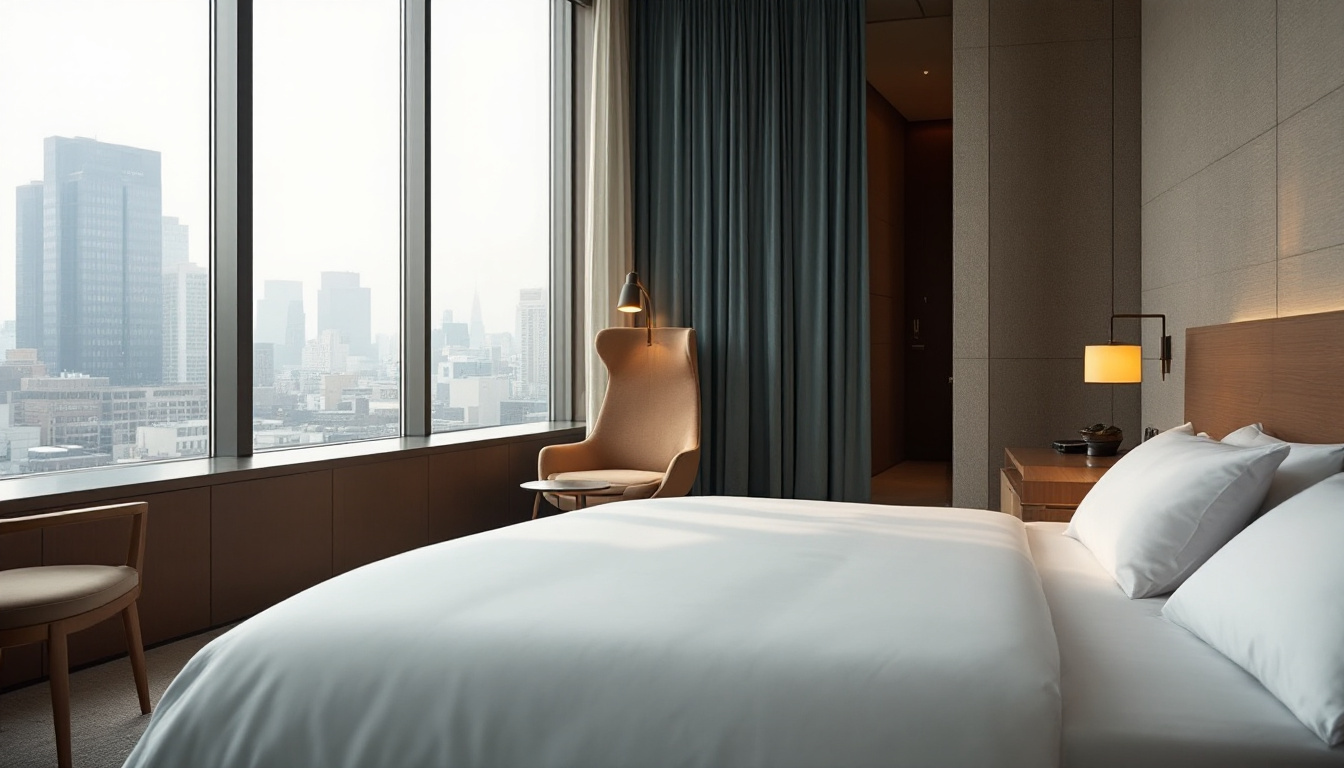
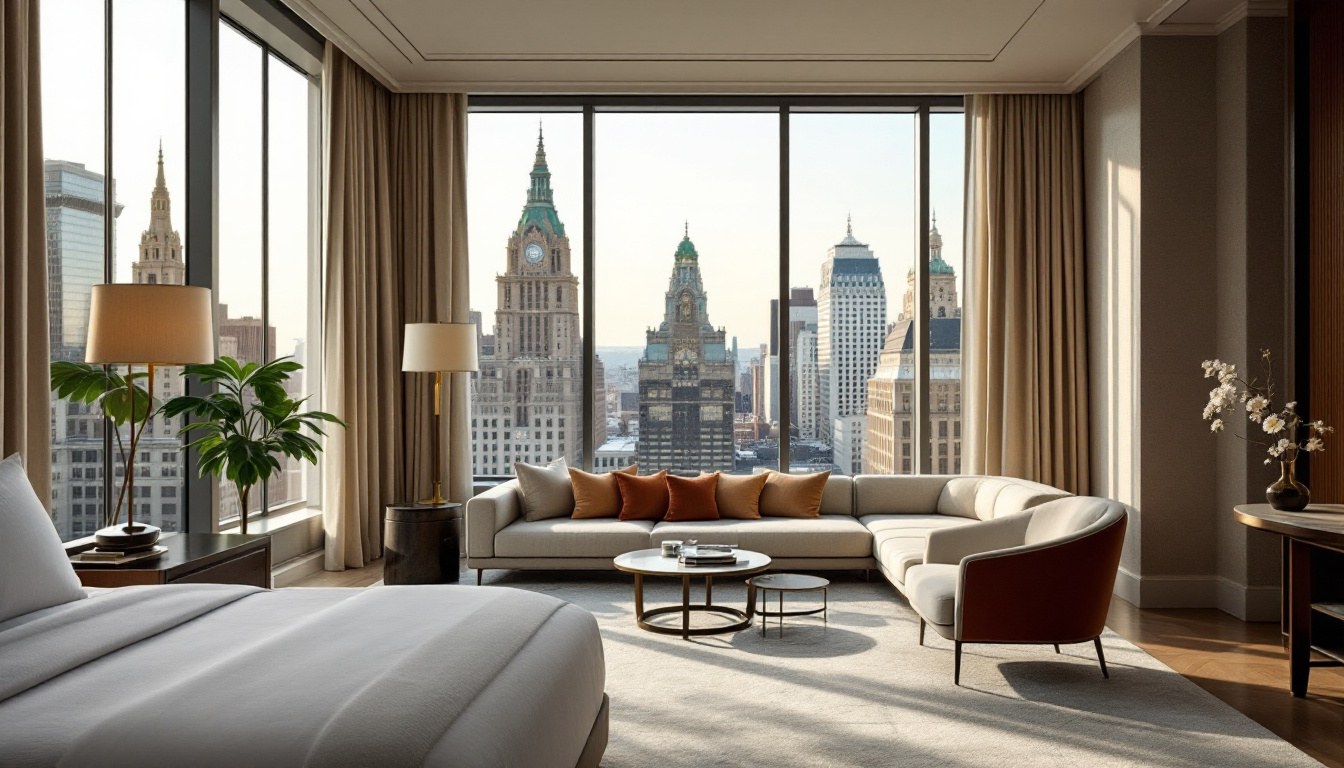
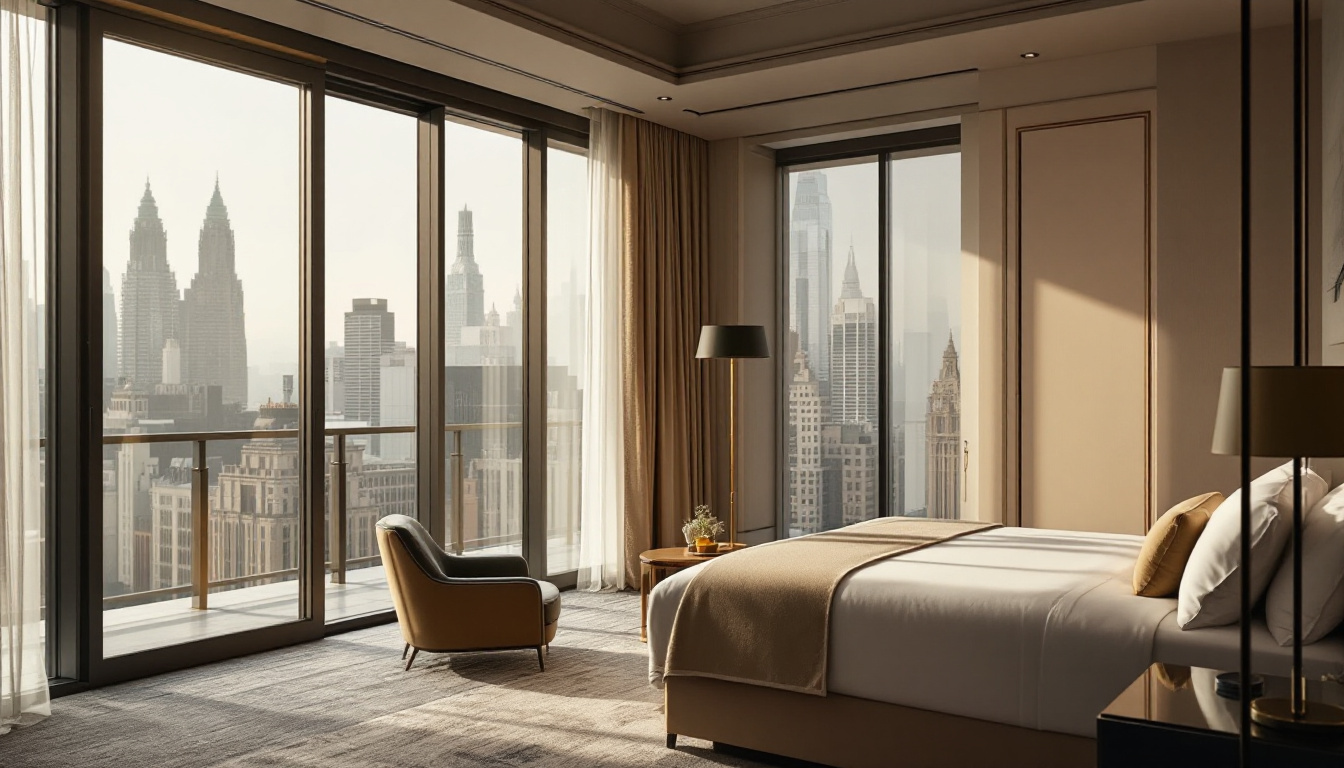
The fifty hotel keys sit on the lower floors. The interior work was led by Studio Indigo, the British firm that has done a meaningful share of the Mayfair residential market over the past two decades. The brief, as the designers have described it, was to translate Mandarin Oriental’s Asian heritage into a London-residential idiom — and the rooms read that way. The colour palette is jade, oxblood, deep mustard and the particular grey that English designers have used for window joinery since the 1970s. The materials are heavier than you expect: brushed bronze on the door fittings, lacquered hardwood on the desks, raw silk on the bedheads.
My room — a junior suite on the third floor — had a small but real entrance vestibule, which is the move that converts a hotel room into a flat. The bath was an open volume, walk-in shower at one end, freestanding tub at the other, with a window that gave onto the back of the building. The bed was deeper than the British average; the linen was, as expected from the group, irreproachable. The technology was discreet — one tablet by the bed, no panels of switches, room controls that worked the first time.
What surprised me, and is worth flagging, is the soundproofing. Hanover Square is not a quiet address. The hotel’s location, the bus routes that thread Oxford Street, and the construction noise from a neighbouring site should all have been audible. None of it was. I slept harder in this hotel than I have in central London since The Connaught reopened its rear rooms.
Akira Back London
The ground-floor restaurant is the chef’s London debut. Akira Back, born in Seoul and trained across Las Vegas and Tokyo, runs a small portfolio of restaurants that braid Korean and Japanese ingredients into a dining register that sits somewhere between contemporary kaiseki and modern American. The London room is the largest format I have seen him execute; the menu compresses signature plates from his other rooms with a handful written specifically for Mayfair.
The opening dish to order is the AB tuna pizza — a thin, crisp dough base topped with truffle aioli, white truffle oil and a perfect ring of tuna sashimi. It is the dish that built the chef’s reputation, and the kitchen here executes it as well as any I have eaten. The sea bass with miso sits at the other end of the menu and is the conservative choice. The chilled noodle course in the middle of a long tasting was the dish I am still thinking about a month later.
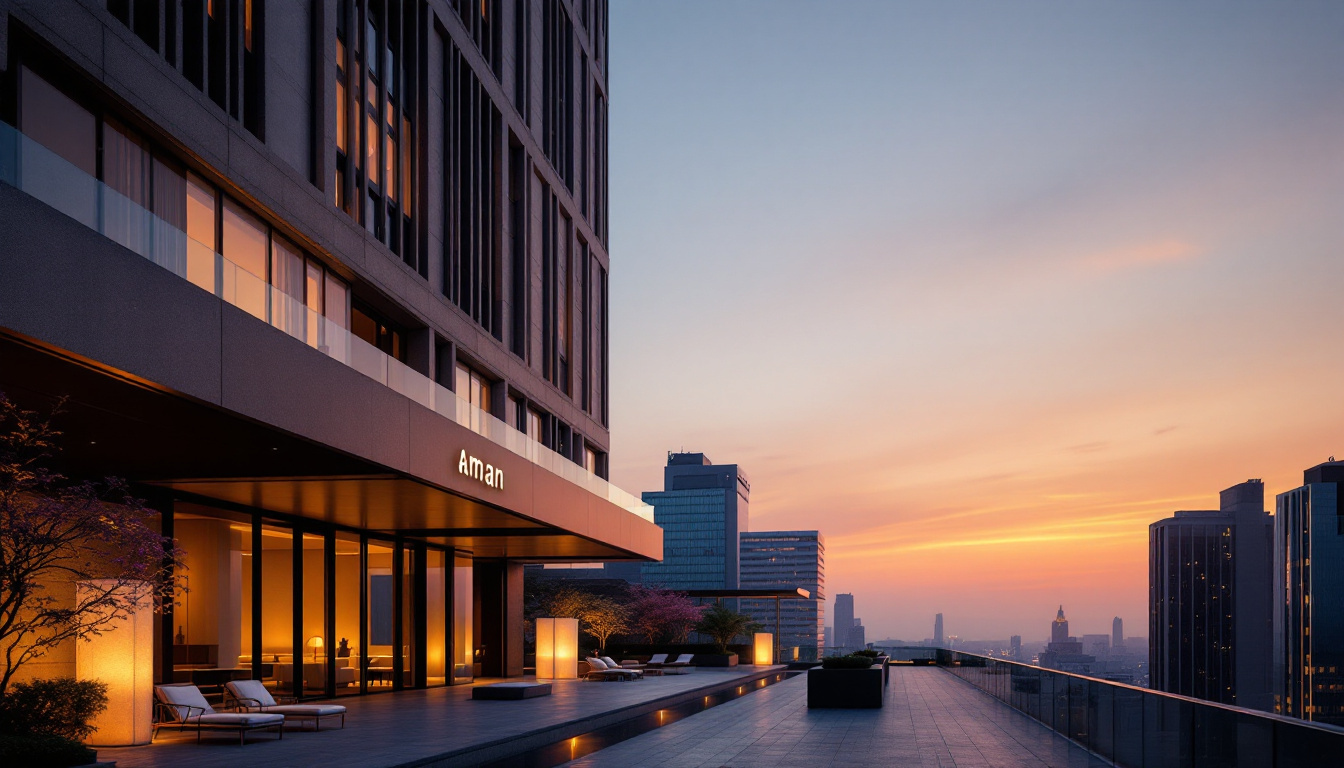
The wine programme leans heavily into Burgundy and the Loire — which is the right call for the cooking — and the sake list is unusually deep for a hotel restaurant. ABar, the rooftop opened later in 2024, gives you a fifth-floor view across the square; it serves cocktails and a short bar menu, and the design is more glamorous than the restaurant downstairs.
The Spa
The spa sits two levels below ground and is the move that sets the property apart from its siblings. The headline programme is binaural biohacking — twenty-two-minute treatments designed around audio frequencies, breath work and a particular kind of low-impact recovery. The science is contested. The experience is genuinely restorative. I tried a session on my second day, after a long flight, and the post-treatment hour was one of the more peaceful intervals I have had in central London in some time.
The traditional treatments are present and well-executed. The hammam is small. The pool is functional rather than ceremonial; this is not the hotel you book for the swim. The fitness studio is, however, unusually well-equipped for a property of this size, with a heavy emphasis on recovery — compression sleeves, infrared sauna, a small cryotherapy chamber — that suggests the brand has read its guest demographic accurately.
How It Compares to Hyde Park
The Mandarin Oriental Hyde Park is the older, larger, more public property — the grande dame of the London portfolio, the room you book for the Pierre White-era weight, the Heinz Beck dining room and the address that anchors Knightsbridge. The Mayfair property is doing something different. It is smaller, more contemporary, more residential in its register; it is the hotel you book when you want to be inside Mayfair rather than across the park from it.
If your London business is in Knightsbridge or Chelsea, stay at Hyde Park. If your business is in Mayfair, Soho, Marylebone or the City — or if you are travelling with the kind of guest who wants a quiet check-in and a long bath — stay at Hanover Square. The brand has been careful not to position the two as competitors, which is correct; they serve different appetites.
What Did Not Work
A few small things. The bar on the rooftop is, in good weather, more popular than the space comfortably handles, and the queue for the lift can be longer than a guest of the hotel should be asked to wait. The breakfast room is small and books out by mid-morning on weekends; ask reception to confirm a table the night before. The all-day dining concept is, for reasons I did not understand, slightly under-imagined — the bar menu is more interesting than the lunch one.
These are commissioning-period issues rather than structural ones, and a hotel that has been open eighteen months in central London is still finding its rhythm. The fundamentals — the building, the rooms, the kitchen — are correct.
What I Would Book
Three nights, ideally a Wednesday-to-Saturday run, in a junior suite on the third floor with a square view. Akira Back on the first night, Brooklands at The Peninsula on the second, and a long Saturday lunch at Mount St. Restaurant on the third. The spa on the second morning. A walk through Bond Street between meetings. That is the London the hotel is designed for, and it executes the assignment well.
Verification
Filed against the following sources, last verified on February 13, 2026. The desk re-checks the source URLs on every dated modification of the piece.
- https://press.mandarinoriental.com/mandarin-oriental-mayfair-london-is-now-open
- https://hoteldesigns.net/industry-news/mandarin-oriental-mayfair-is-officially-open/
- https://www.businesstraveller.com/business-travel/2024/07/04/the-mandarin-oriental-mayfair-london-has-officially-opened-its-doors-to-guests/
- https://www.sleepermagazine.com/stories/projects/mandarin-oriental-lands-in-mayfair/
- https://www.mandarinoriental.com/en/london/mayfair
Standing Questions
- When did Mandarin Oriental Mayfair open?
- The hotel welcomed its first guests in spring 2024, with public openings following in June. The bar rooftop, ABar, opened later in the year.
- How many keys does the hotel have?
- Fifty guestrooms and suites, plus 77 private residences in the same building.
- Who designed the building?
- Rogers Stirk Harbour + Partners designed the architecture, with interiors by Studio Indigo. It is the first new-build hotel in Mayfair in over a decade.
- Who runs the kitchen?
- Chef Akira Back, whose namesake restaurant on the ground floor is his London debut.
- How does it compare to Mandarin Oriental Hyde Park?
- Hyde Park is the grande dame property — palatial scale, formal register. Mayfair is contemporary, intimate and pitched at a guest who wants residential discretion over public theatre.