The road up from Sierre climbs through vineyards for the first half-hour, and then the landscape changes — the slope steepens, the larches replace the vines, and at fifteen hundred metres the Crans-Montana plateau opens out. It is, by Swiss Alpine standards, an unusual address. The plateau sits south-facing, the sun lands all day, and the views run across the Rhône valley to the Pennine Alps — you can see the Matterhorn from the right vantage. The town has been a winter resort since the 1890s, golf-and-ski money for most of the twentieth century, and now, finally, has a flagship hotel that takes the address seriously.
The Site and the Long Road to Opening
Six Senses announced Crans-Montana in 2017. The original opening target was the last quarter of 2022. The project missed that mark, slipped through 2023, and finally welcomed guests on 1 December 2023. The reasons for the delay are predictable — supply chain, Alpine construction is hard, the residences component added complexity — and the result is, with the benefit of two seasons of operation, a property that landed in the right place rather than a rushed one.
The architecture is the work of AW2, the Paris-based studio run by Reda Amalou and Stéphanie Ledoux. The practice has done a meaningful share of the Six Senses portfolio globally, and the language they have developed for the brand — long horizontals, stone bases, recessed glazing, weighty cantilevers — translates surprisingly well to an Alpine setting. The building reads as Six Senses rather than as a generic Alpine project, which is what the brand needed.
The plan is two volumes joined by a stone plinth. The plinth contains the spa, the public rooms and the residences component; the upper volumes hold the forty-six hotel keys. The whole sits into the slope rather than on top of it, which is the move that makes the building look smaller than it is from the approach road and bigger than it is from the piste.
The Rooms
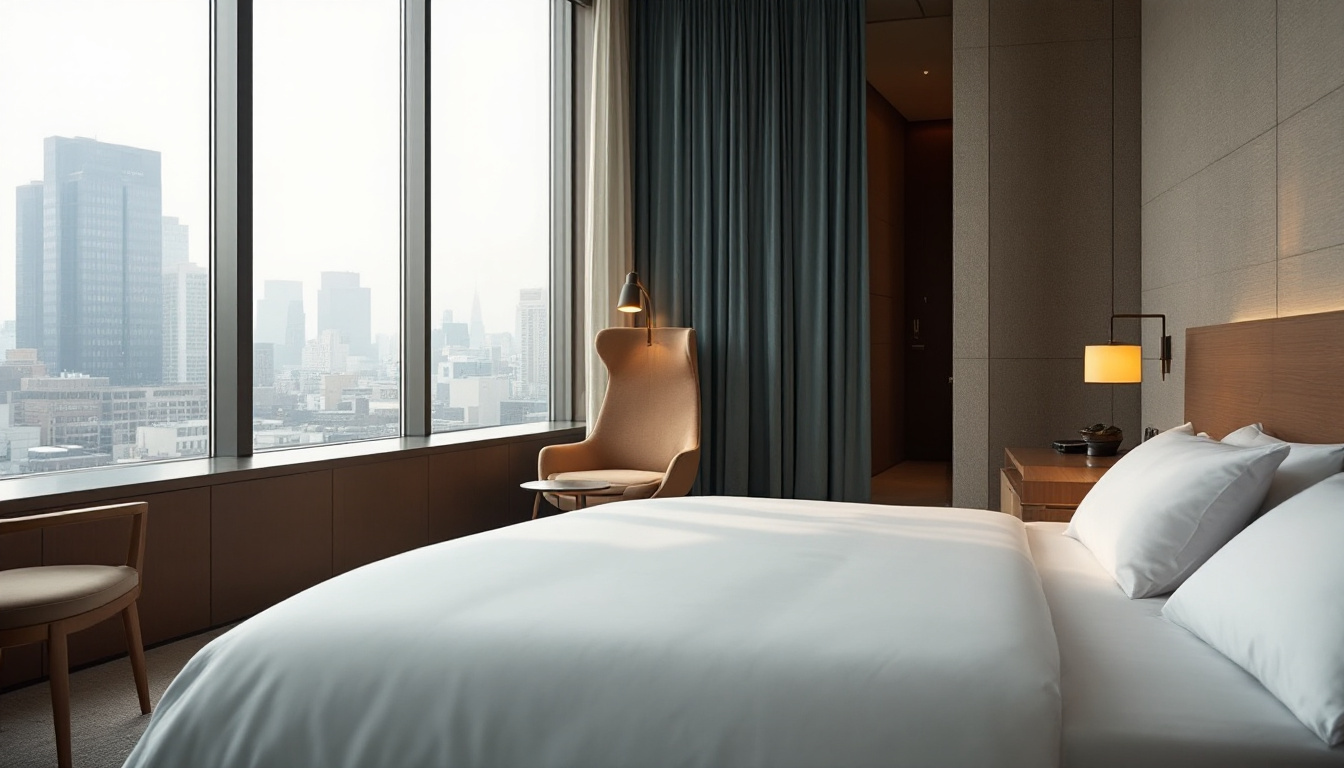
I had a one-bedroom suite on the third floor, facing south across the valley. The room is roughly fifty-five square metres, with a separate sitting area, a fireplace that actually burns wood, a deep stone bath and a balcony you can stand on without getting in your own way. The materials are heavy and local: larch on the walls, sandstone on the bathroom floor, dark bronze on the fittings. The bed is genuinely Alpine — a deep mattress, a wool throw, two duvets rather than one big one — and the linen is heavier than you might expect from a brand that operates in the tropics.
The technology is restrained. There is a tablet by the bed, a single switch panel by the door, and the lighting design is good enough that you do not need to touch either of them. The minibar is hidden in a tall larch cabinet. The desk is large and properly lit; if you work in the room, you can work in the room.
What surprised me, given how recent the construction is, is the acoustic performance. Alpine hotels are notoriously bad at sound insulation — stone reverberates, timber joinery cracks, and the corridors usually carry every footstep. The Crans-Montana property is genuinely quiet. I did not hear my neighbour. I did not hear the corridor. The piste runs close to one side of the building and the lift gondolas turn through the day; none of that reached the room either.
The Spa
This is the part of the property the brand built the case around. The spa runs across roughly two thousand square metres on two levels, with the indoor pool, the steam circuits and the treatment rooms below ground and the relaxation lounges, the gym and the outdoor pool on the level above. The headline programme is what Six Senses calls “longevity,” which in practice means full-body diagnostics — biological-age testing, cardiovascular load testing, sleep tracking — paired with a treatment plan that runs over three to seven days.
I did not take the full programme. I took the spa à la carte: an introductory consultation, a massage, a hammam session and an hour in the relaxation lounge with the wood-burning fireplace and the view down the valley. The treatment itself was excellent — the therapist, who came to the property from a serious clinical background in Lausanne, worked methodically through what was, after three days of skiing, a meaningfully tight back. The post-treatment quiet, with the snow falling outside the floor-to-ceiling glass, is the experience the brand is selling, and it sells it well.
The pool is the move I want to single out. It is twenty metres, properly heated, with a section that runs out under a glass wall to the outside. Swimming a kilometre under a sky full of stars at 1500 metres, with the snow on the deck around you, is one of the things hotel architecture can do that the home cannot, and it justifies the trip on its own.
The Skiing
Crans-Montana is not a marquee resort in the way Verbier or Zermatt are, which is part of the appeal. The lift network has 140 kilometres of marked piste, the Plaine Morte glacier gives skiable terrain into late spring, and the ski-school operation has been one of the most respected in the Valais for decades. The slopes are south-facing, which means good sun, also softer snow on warm afternoons; if you are a serious skier, take the first lifts and ski the upper bowls.
The hotel’s ski concierge is genuinely useful. Boot fitting happens on-site, the gear is moved to the gondola for you, and the team will pre-book ski-school slots with the operators they trust. The walk to the lift is roughly three minutes through a heated underground passage. If you have skied with children and equipment in an Alpine setting, you understand why that detail matters.
The Food
Three restaurants on the property. The main dining room, Wild Cabin, runs a wood-fired grill against a long charcuterie counter; the cooking is competent without being interesting. The Italian room, Byakko (named for the Japanese protector deity, which is an odd choice for an Italian kitchen and a story I did not get to the bottom of), runs a pasta programme that improved over the days I was there. Breakfast in the orangerie is the meal that works hardest — the pastry programme is serious, the eggs are properly executed, and the view down the valley at first light is one of the reasons to book a property at this altitude.
The wine list leans into Valais — Petite Arvine, Cornalin, Humagne Rouge — which is the correct register for a property at this address. The sommelier knows the producers personally. Ask for a guided pour by the glass; you will learn something.
What Did Not Work
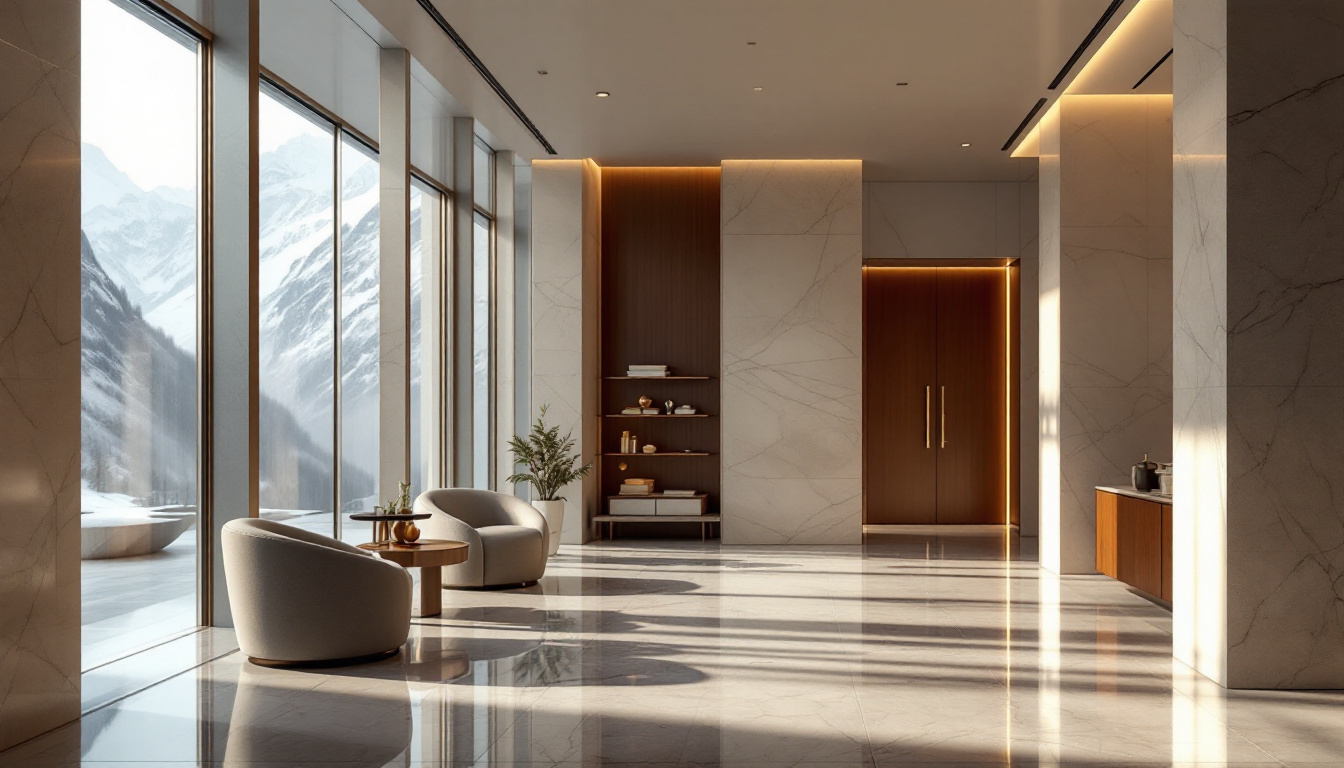
A few things. The arrival sequence is awkward — the porte-cochère is set into the building in a way that makes the first impression slightly compressed, and the lobby, which is small and densely materialled, does not quite deliver the brand-promise volume on first walk-in. The à la carte dining is, two seasons in, still finding its register; the kitchen is overqualified for the menu it is being asked to execute. The bar programme is conservative for a property of this calibre. The residences component, which runs against the hotel through the plinth, creates a small amount of cross-traffic that the operating team is still working out.
None of this is fatal. The fundamentals — the spa, the rooms, the location, the ski access — are right. The kitchen and the bar will improve. The lobby is what it is, and after a day on the mountain you will not care.
What to Book
A south-facing one-bedroom suite for four nights, ideally the week between Christmas and New Year if you have the appetite for the festive markup, or the third week of January if you would rather have the mountain to yourself. The longevity spa programme if you have the time and the budget; the à la carte spa if you do not. Two days skiing, one day walking the cross-country trails on the Plaine Morte, one day in town. Take the train from Geneva or Zurich; the drive is fine but the rail is better.
Verification
Filed against the following sources, last verified on January 30, 2026. The desk re-checks the source URLs on every dated modification of the piece.
- https://www.sixsenses.com/en/hotels-resorts/europe/switzerland/crans-montana/
- https://www.aw2.com/en/projects/hospitality/six-senses-crans-montana-suisse/
- https://www.theplan.it/eng/award-2024-Hospitality/six-senses-crans-montana-a-journey-through-the-site-towards-the-light-aw2-architecture-interiors
- https://www.sixsenses.com/en/corporate/media-center/press-releases/2023/six-senses-crans-montana-opening
Standing Questions
- When did Six Senses Crans-Montana open?
- The resort opened on 1 December 2023, after a multi-year construction process that ran significantly behind the original 2022 target.
- Who designed the building?
- Paris-based AW2, the firm of Reda Amalou and Stéphanie Ledoux, designed both architecture and interiors. They are responsible for several other Six Senses properties globally.
- How many keys does the hotel have?
- The main hotel building has 46 keys, with additional residences in the connected plinth. Total resort accommodation runs to roughly 78 units.
- Is it ski-in, ski-out?
- The property sits at the base of the Crans-Montana lift network with direct piste access. The Plaine Morte glacier, accessible by gondola, gives skiable terrain into late spring.
- How does it compare to other Alpine flagships?
- It is younger, more contemporary in its design language, and more wellness-led than the Bürgenstock or the Kulm. If you want a serious spa programme alongside the skiing, this is the answer.