The address is the part that does not advertise itself. Piazza di San Marcello is a small square set back from the Via del Corso between the Piazza Venezia and the Trevi Fountain — the kind of Roman address that is improbably central but which most visitors walk past without registering, because the corso draws the foot traffic and the smaller squares run quiet. The palazzo on the east side of the square is the Salviati Cesi Mellini, fifteenth century in its bones, eighteenth-century baroque in its principal façade by Tomaso De Marchis, and from March 2023 the home of Six Senses Rome.
This is not, in some ways, an obvious Six Senses move. The brand built its reputation on remote tropical and mountain properties — Bhutan, the Maldives, Oman, Phu Quoc — with a wellness register and an architectural language that drew heavily on local vernacular. The Rome project is the first time the brand has executed an urban European hotel, and the success of it has determined the next phase of the company’s expansion, which is increasingly weighted toward European cities. The London property, opened in 2024, is the direct sequel.
The Architect
Patricia Urquiola — the Spanish-born, Milan-based architect and designer whose studio has done a meaningful share of the contemporary Italian luxury hotel market — won both the architectural and interior commissions. The brief was unusually integrated. Urquiola was responsible for the restoration of the UNESCO-listed façade, for the conversion of the historic volumes to a hotel programme, and for the interior architecture and furnishing throughout. The integration of those three roles is one of the reasons the property reads as coherent rather than layered.
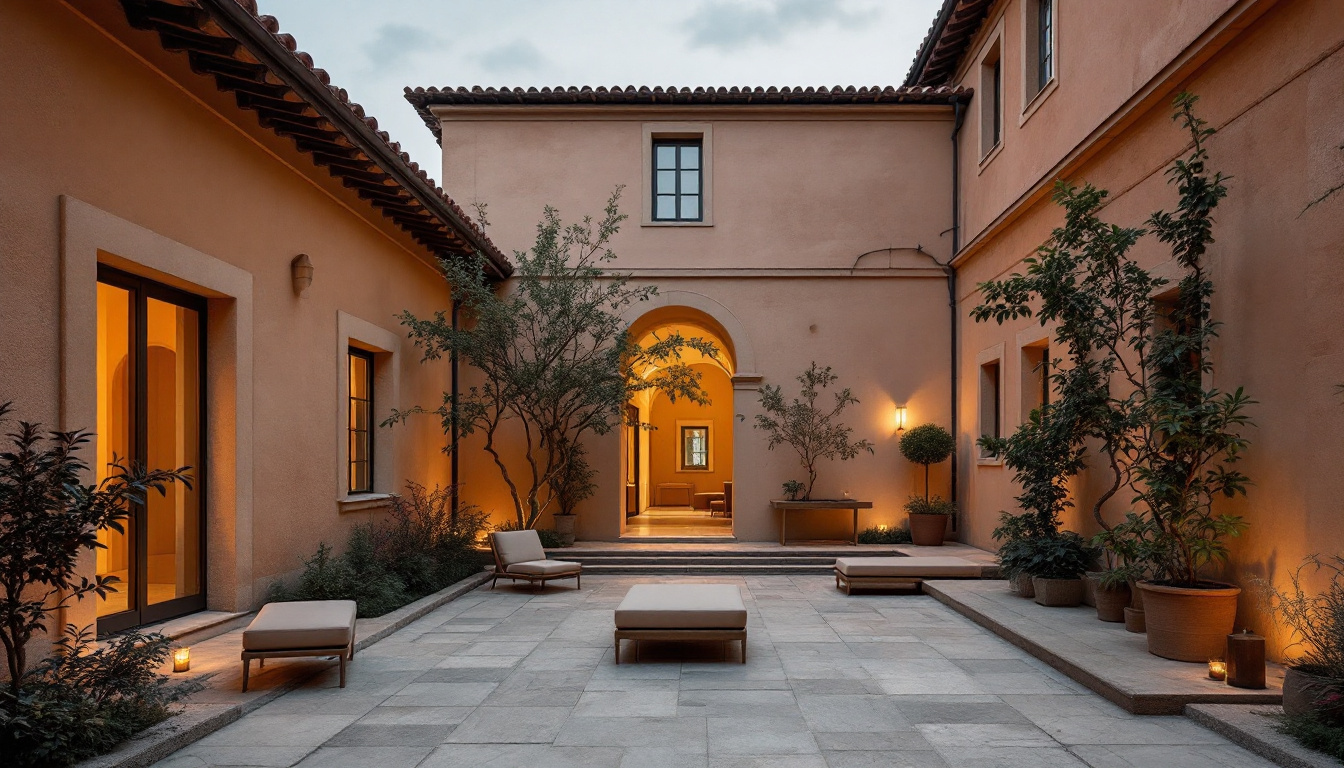
The architectural moves are restrained and intelligent. The central courtyard, which historically would have been a service space, has been opened to natural light and converted into the hotel’s principal social volume — a glazed roof, a long bar, a sequence of seating areas built around the original well-head. The grand staircase, which had been partitioned and obscured over the centuries, has been restored to its original baroque proportions and serves as the principal vertical circulation. The corridors on the upper floors are wide enough to feel like rooms rather than passages. The original ceilings have, where they survived, been preserved and revealed.
The Interiors
The interior register is the part of the property that distinguishes it most clearly from its Roman luxury peers. Urquiola’s vocabulary is contemporary, colourful, and tactile in a way that the more formal Roman hotels are not. The colour palette runs through deep ochres, terracotta reds, ocean blues and sage greens — the chromatic register of Mediterranean Italy rather than the more conservative bronze-and-cream of the luxury default. The materials are heavy and local: Italian marbles, Vietri tiles, woods from the Sila highlands in Calabria, textiles from Lake Como.
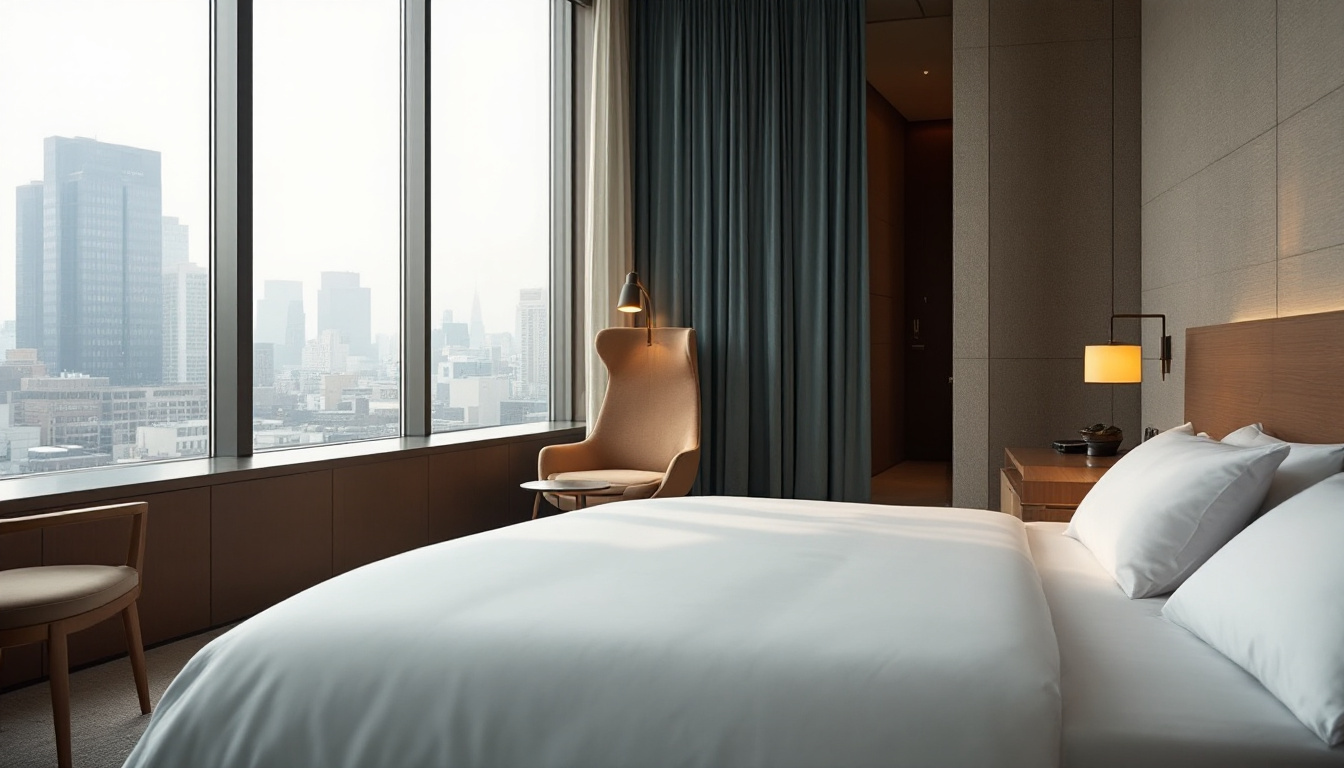
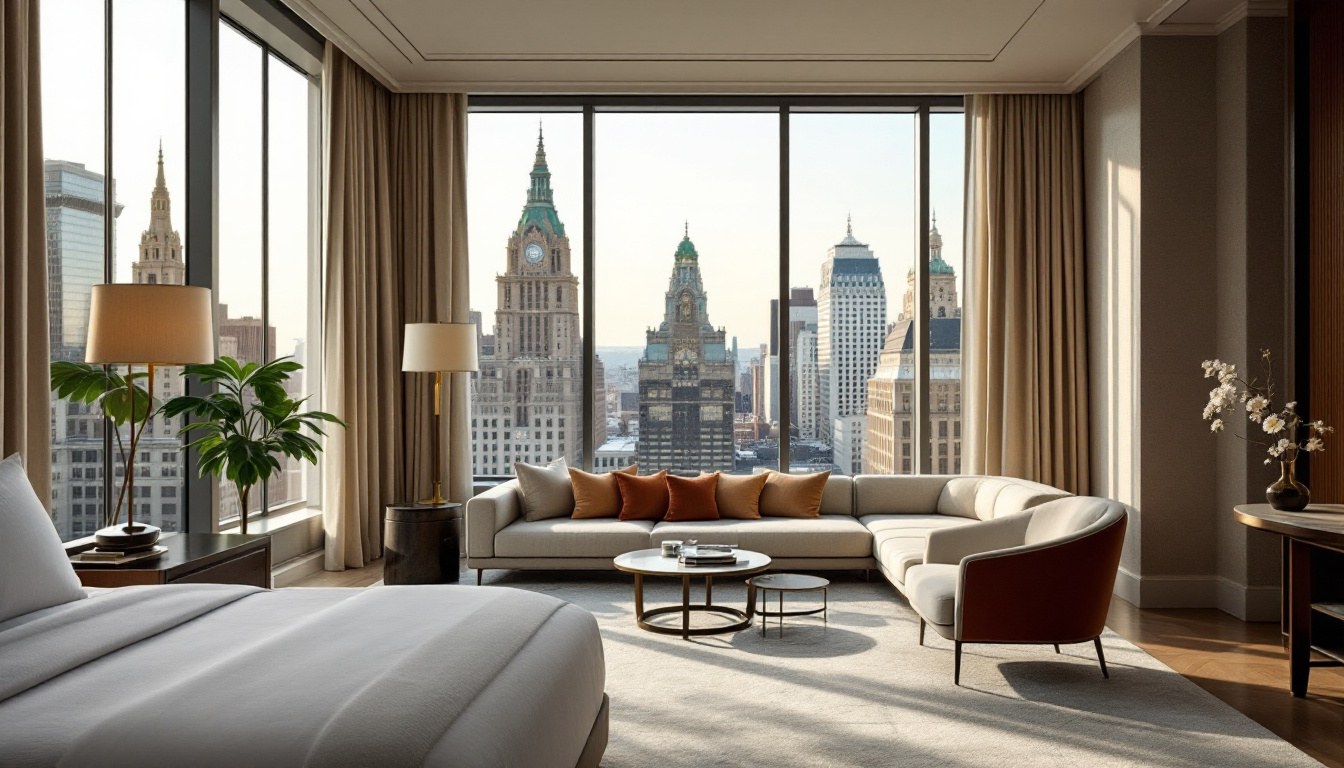
My room — a junior suite on the third floor, facing the church next door — ran a colour scheme of deep ochre on the bed wall, sage on the curtains and a tile pattern in the bath that referenced the eighteenth-century floor that had been uncovered during the conversion. The room was generously proportioned by Roman standards, with a separate sitting alcove, a long marble bath with twin basins, and a window that opened (a window that actually opened) onto the church façade with the early-evening light landing on the travertine.
The detailing is consistent. The joinery is by an Italian workshop and is the kind you specify when you intend to keep it for thirty years. The lighting is layered, warm and properly controllable. The bed is deep and the linen is the right weight. The technology is restrained — one tablet, simple controls — and gets out of the way of the experience.
The Spa and the Pool
Six Senses brought its wellness DNA to the Roman conversion in a way that is not standard in this market. The spa runs across the lower-ground floor with a 20-metre pool, a hammam, a sauna, a series of treatment rooms and the kind of relaxation lounges that justify a full afternoon. The pool is the unusual moment — it is set into a vaulted brick room that pre-dates the eighteenth-century palazzo and was excavated during the conversion, and swimming twenty lengths in a room that has been continuously inhabited since the Middle Ages is one of the experiences this hotel does that no other Roman address can replicate.
The treatment menu is conventional Six Senses — long massages, facial programmes, the wellness diagnostics — and the execution is excellent. I had a deep-tissue treatment on my second day that worked through a tight back; the therapist had a clinical background in physiotherapy and asked the right questions. The post-treatment lounge, with its low light and the vaulted ceiling, is the place to spend a long hour after the session.
The hammam is the move I want to single out. The room is small but properly built — heated stone slab, steam circuit, cold plunge — and the attendant runs the cycle without conversation, which is the right approach. The full hammam ritual takes a long ninety minutes and is the recovery move I would optimise around if I were staying multiple nights.
The Food
The principal dining room is BIVIUM Restaurant-Café-Bar, which is the catch-all name for the ground-floor food and beverage programme, a sequence of connected rooms that run the day from breakfast through evening cocktails. The kitchen is led by an Italian team and the menu is contemporary Italian with a strong Roman emphasis — cacio e pepe is on the menu, executed correctly with Tonnarelli pasta and the proper pepper, and the carbonara is the version with guanciale rather than pancetta and the precise emulsion that distinguishes the dish.
The pastry programme is unusually serious for a Roman hotel kitchen; the laminated dough at breakfast is on the croissant rather than next to it. The aperitivo programme, in the bar from late afternoon, runs a small list of cocktails built around Italian aperitivi and a serious selection of cicchetti.
The rooftop bar, NOTOS, is the social moment of the property. Set on the seventh floor with a view across the rooftops to the Quirinale, the room is small, the cocktails are precisely made and the people-watching at sunset is the activity for the early evening. Book a corner table at six o’clock.
What Did Not Work
A few small things. The arrival is awkward because the building has no porte-cochère — the address simply does not allow one — and the first few minutes are spent on a narrow Roman street with cars and small luggage. The lobby is small relative to the property and the public-room circulation can feel pressed at peak. The breakfast room books out on weekends.
The rooftop bar is, in good weather, more popular than the space comfortably handles, and the queue without a booking is real. The à la carte dinner programme has had some calibration — the menu I ate in 2024 is not the menu I would order from now, and that is a good thing — but the kitchen is still finding its register at the highest level.
How It Sits
Rome had two significant hotel openings within months of each other: Bulgari Roma and Six Senses Rome. They are doing genuinely different things. Bulgari is the formal, rationalist, polished palace; Six Senses is the contemporary, contemplative, wellness-led palazzo. The choice between them is a choice between two ideas of what Rome is for. Bulgari is the formal Italian-modernist register; Six Senses is the warmer, more residential, more sensorially-led register.
If you want the long lunch on the rooftop with the Vatican in the distance, stay at Bulgari. If you want the long swim in the medieval vault and the contemplative spa programme, stay at Six Senses. Both are correct answers. The two properties have, between them, lifted the Roman luxury market into a genuinely contemporary register that the city had not had before.
What I Would Book
A junior suite on the third floor for three nights. A long hammam ritual on the first afternoon. Breakfast in the courtyard each morning. Dinner at Armando al Pantheon on the second night. A sunset cocktail at NOTOS on the third. The long Sunday morning swim before checkout. The taxi to Roma Termini and the high-speed train to Florence.
Rome has not had a contemporary hotel of this discipline before. Six Senses has executed the assignment as well as the brand has executed anything.
Verification
Filed against the following sources, last verified on January 31, 2026. The desk re-checks the source URLs on every dated modification of the piece.
- https://www.sixsenses.com/en/corporate/media-center/press-releases/2017-2020/six-senses-rome-announcement/
- https://www.dezeen.com/2023/11/08/six-senses-rome-hotel-patricia-urquiola/
- https://theincentivist.com/six-senses-rome-opens-march-2023/
- https://hoteldesigns.net/industry-news/sneak-peek-inside-the-new-six-senses-rome/
- https://www.romeing.it/urban-hotel-six-senses-in-rome/
Standing Questions
- When did Six Senses Rome open?
- The hotel opened in March 2023, the brand's first urban European property and a meaningful shift from its conventional resort positioning.
- Who designed the conversion?
- Patricia Urquiola, the Spanish-born Milan-based architect and designer, led both the architectural conversion and the interiors. Her studio handled the restoration of the UNESCO-listed façade as part of the project.
- What is the building?
- Palazzo Salviati Cesi Mellini, originally built in the fifteenth century and updated in the eighteenth-century baroque by Tomaso De Marchis. The hotel sits adjacent to the Church of San Marcello al Corso, whose façade Six Senses also helped restore.
- How many rooms are there?
- 96 guestrooms and suites, organised around an internal courtyard and a central staircase that was restored as part of the conversion.
- How close is it to the major sites?
- Five minutes' walk to the Trevi Fountain, ten minutes to the Pantheon, fifteen to Piazza Navona, twenty to the Spanish Steps. The location is centrale in the strictest Roman sense.