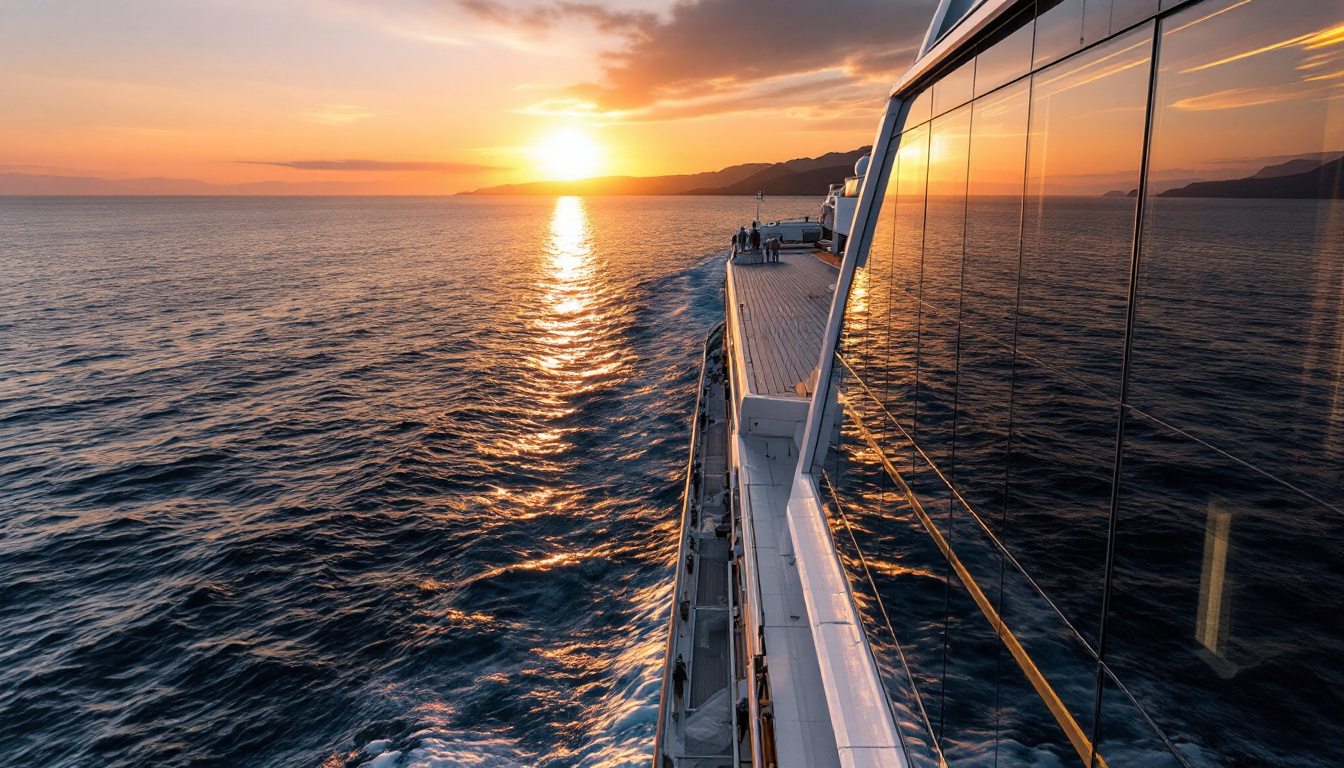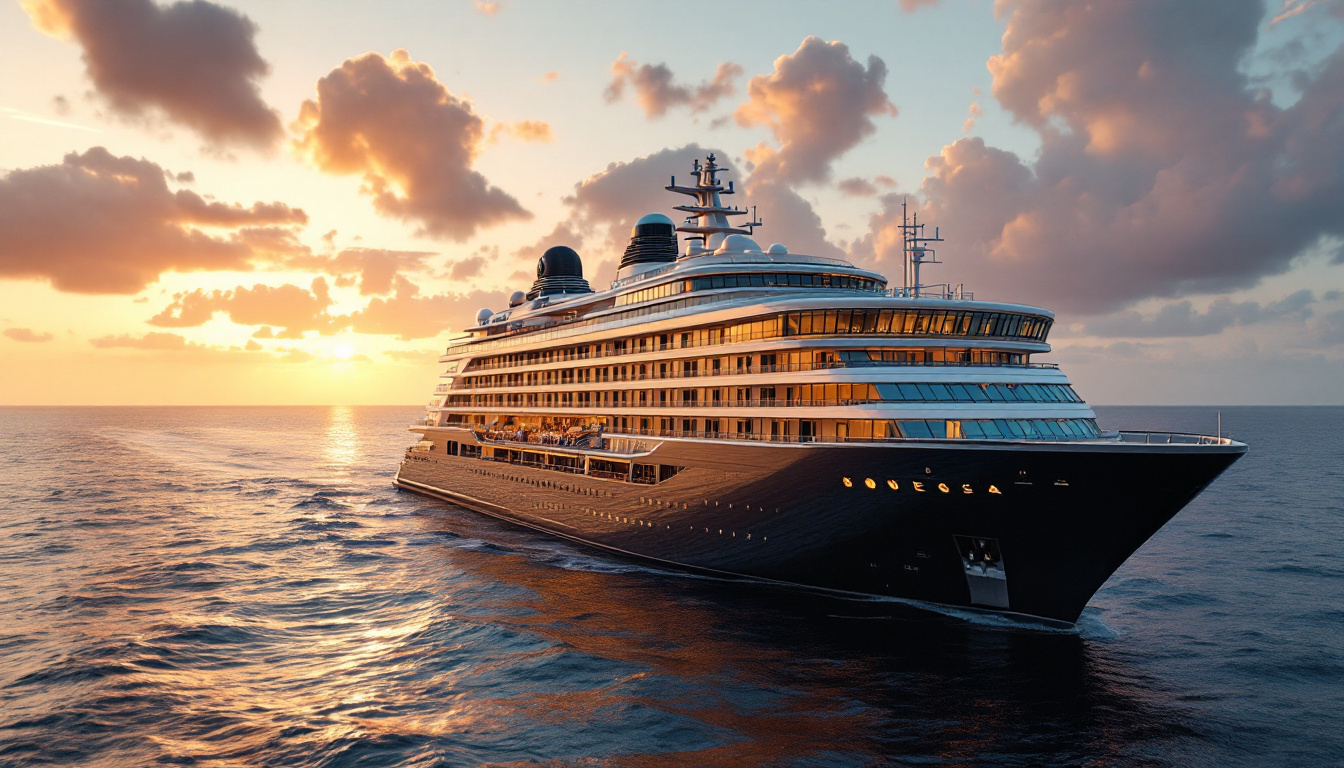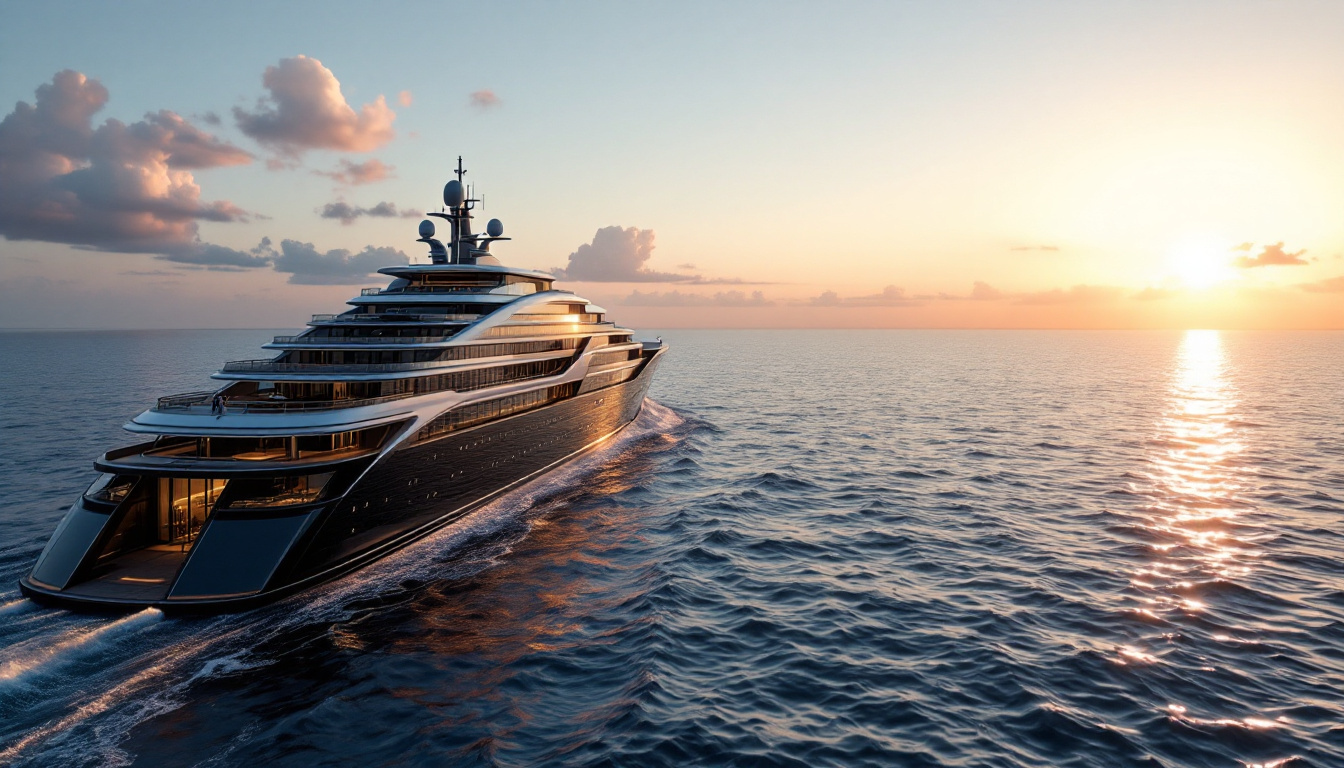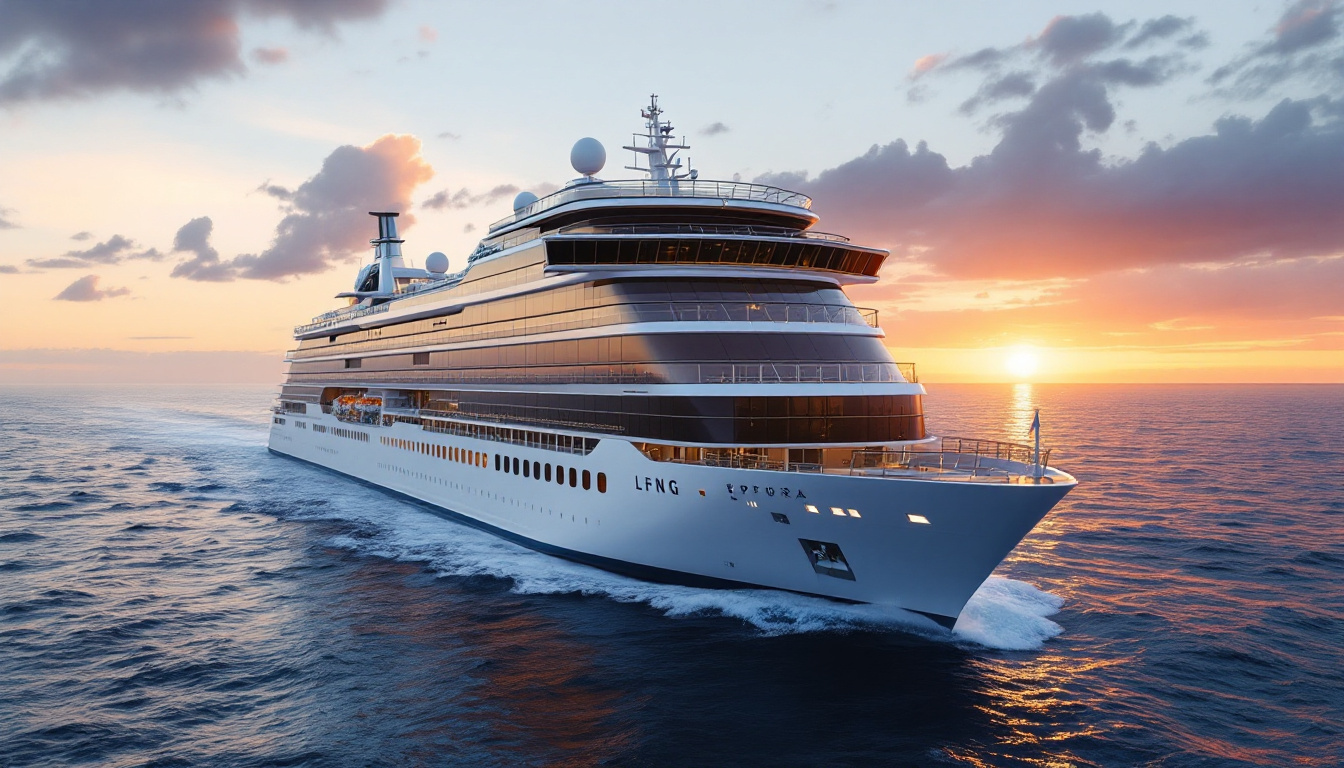
The MSC Group’s bet on the upper end of the cruise market has been the most capital-intensive luxury-cruise build programme of the last decade. Explora Journeys was announced in 2021, delivered its first ship in 2023, its second in 2024, and now takes its third — Explora III — in July 2026. The remaining three hulls in the six-ship programme are scheduled through 2028. Whether the bet pays off in commercial terms is a question that will be answered over the next four to five years; what is clear at the mid-2026 mark is that the build programme has run on time, the operational quality of the first two ships has been at the standard the brand needed to establish, and the third ship represents a meaningful technical advancement on the architecture.
This is the read on Explora III as she approaches her July 2026 delivery and August service entry. I spent six nights on Explora II in early 2025 during her first Caribbean season; the report below combines that operational observation with the publicly available information on Explora III’s specific configuration.
The delivery sequence
Explora III completed her third round of sea trials in the Mediterranean in May 2026 and is on track for delivery from Fincantieri’s Genoa yard in July. The naming ceremony is scheduled for 1 August 2026 at MSC Group’s new cruise terminal in Barcelona — the line’s new principal Western Mediterranean homeport, which has been progressively brought into service through 2025-2026. The ship’s first revenue sailings begin on 3 August.
The pre-delivery Mediterranean Prelude Journey is scheduled for 24 July, before the formal handover and naming. This is the line’s typical practice — a pre-service trial cruise that allows the operational crew to familiarise themselves with the ship under realistic guest-service conditions before the first paid sailings. The Prelude Journeys on Explora I and Explora II were used effectively to surface and correct first-week operational issues; the Explora III equivalent will do the same.
The Mediterranean Prelude itineraries lead into a series of Mediterranean summer sailings before the autumn repositioning. The 2026-2027 deployment plan for Explora III has been published partially — she will operate Mediterranean itineraries through autumn 2026, then transition to a winter programme that has not yet been fully disclosed. Industry expectation is a Caribbean or transatlantic-themed winter, consistent with the deployment pattern of her two sister ships.
The LNG architecture
The substantive technical change on Explora III versus her sisters is the LNG propulsion package. Explora I and II are conventionally powered with marine gas oil; Explora III is the first vessel in the Explora Journeys fleet to use liquefied natural gas as the principal fuel.
LNG as a marine fuel delivers measurable environmental improvements over conventional marine fuel oil — approximately 25 percent lower CO2 emissions per unit of energy, near-elimination of SOx emissions, approximately 85 percent reduction in NOx, and substantial reduction in particulate matter. The improvements matter both for the operating environments where local emissions regulations are tightening (the European emission control areas, the North American emission control areas, and the new Mediterranean ECA that comes into effect in 2025) and for the brand positioning of the line in markets where environmental performance is increasingly a guest-decision factor.
The LNG architecture also positions the line for the gradual transition to bio-LNG (renewable LNG produced from biomass) and eventually to synthetic methane (produced from green hydrogen and captured CO2). Both fuel categories can be used directly in the same LNG infrastructure with little or no modification — the bunkering equipment, fuel-handling systems, and engines all accept the renewable fuel as a drop-in substitute. The drop-in compatibility is the most important strategic argument for choosing LNG over alternatives like methanol or hydrogen at this point in the maritime decarbonisation timeline.
The Explora Journeys plan is for the LNG architecture to extend across Explora IV through VI as those hulls deliver. The line will have a substantially uniform fuel and propulsion architecture by 2028, which simplifies the bunkering logistics and the crew training programme across the full six-ship fleet.
The vessel itself
Explora III is approximately 248 metres in length overall, with 461 ocean-front suites and capacity for approximately 922 guests at double occupancy. The crew complement is approximately 640, giving a guest-to-crew ratio of approximately 1.44:1 — competitive within the luxury-cruise segment but slightly below the very-top-end ratios of Ritz-Carlton (approximately 1.2:1) or the small-ship Regent Seven Seas vessels (approximately 1.36:1).
The accommodation arrangement follows the established Explora architecture: all-suite, all-balcony, with a particularly generous standard-suite size (approximately 35 square metres for the entry-level Ocean Terrace Suite) compared to most competing luxury-cruise products. The dining venues, spa, and public spaces follow the design language of the first two sister ships, with the principal restaurant venues maintained across the fleet to enable returning guests to find a consistent experience.
The technology stack on Explora III incorporates several updates that have not been retrofitted to the older sisters. The bridge and navigation systems benefit from more recent Wärtsilä and ABB components; the in-suite technology platform has been progressively updated; the propulsion system itself reflects four years of operational learning from the first two ships.
The competitive picture
The luxury-cruise segment in 2026 is the most competitive it has been in any year of the industry’s history. The active fleet includes Ritz-Carlton (three ships: Evrima, Ilma, Luminara), Four Seasons (entered service late 2025), Explora (three ships by end of 2026, six by 2028), Silversea (Nova-class plus the older Muse and Whisper classes), Regent Seven Seas (four ships including Splendor and Grandeur), Seabourn (six-ship fleet), Oceania (Vista, Allura, and the older R-class), and Crystal (rebuilt fleet under A&K ownership). The total active luxury-cruise capacity has expanded by approximately 35 to 45 percent over the 2020-2026 period, which is the most aggressive single capacity-growth episode in the segment’s modern history.
The structural question is whether the demand will absorb the capacity at the rates the operators have built their commercial models around. The early indications through 2025 and the first half of 2026 are that the demand picture is robust — bookings are strong, repeat-guest percentages are high across the established brands, and the price points are largely holding. The Explora Journeys specific positioning is at the larger-ship, slightly-more-accessible-price-point end of the segment, which is a deliberate strategic choice to differentiate from the smaller and more expensive Ritz-Carlton and Four Seasons products.
The MSC Group’s broader cruise infrastructure is the structural advantage Explora Journeys has over its competitors. The shared procurement, the established global port and operational network, the company’s existing relationships with crew-sourcing agencies, and the existing technology platforms all reduce the unit-cost base of operating the Explora ships. The competitor lines that are part of larger cruise groups (Seabourn within Carnival, Silversea and Regent within Royal Caribbean) have similar structural advantages; the standalone luxury brands (Ritz-Carlton, Four Seasons) do not, and the cost-base differential will be visible over time.
What to book
For a guest considering Explora III specifically in 2026, the most accessible entry point is one of the Mediterranean autumn sailings — September through November, when the weather is reliable, the ports are less crowded than peak summer, and the rates are typically 15 to 25 percent below the August peak. The 7-to-10-day itineraries through the Western Mediterranean (Barcelona, Marseille, Genoa, Civitavecchia, Naples) are the standard product and offer a strong introduction to the line.
For a guest who is choosing between the three Ritz-Carlton ships and the three Explora ships in 2026, the structural difference is size. The Ritz-Carlton vessels are smaller (approximately 452 guests) with a slightly higher staff-to-guest ratio and a slightly higher rate base. The Explora vessels are larger (approximately 922 guests) with a slightly lower staff-to-guest ratio and a slightly more accessible rate base. Both are credible luxury products. The choice is a matter of preference rather than of clear hierarchy.
I will be on Explora III at some point during her first six months of service and will report on the LNG operational experience specifically — both the in-port bunkering practicalities and the in-service vibration and noise characteristics, which differ subtly from conventional diesel propulsion. The early reports from the trials sequence have been positive; the fuller picture will come over the autumn and winter as the ship works through her first full operating period.
Verification
Filed against the following sources, last verified on May 13, 2026. The desk re-checks the source URLs on every dated modification of the piece.
- https://www.luxurytravelreport.com/cruises/articles/explora-journeys-sets-july-2026-launch-for-explora-iii
- https://www.travelextra.ie/explora-journeys-first-lng-powered-ship-explora-iii-completes-sea-trials/
- https://www.prnewswire.com/news-releases/explora-journeys-celebrates-triple-maritime-milestone-as-luxury-fleet-expansion-accelerates-302708615.html
- https://www.travelandtourworld.com/news/article/explora-journeys-unveils-new-ships-and-expands-sustainability-initiatives-with-2026-fleet-expansion/
- https://www.cruisemapper.com/ships/MSC-Explora-3-2025
- https://en.wikipedia.org/wiki/Explora_Journeys
Standing Questions
- When does Explora III enter service?
- Explora III is scheduled for delivery from Fincantieri in July 2026, with a naming ceremony on 1 August 2026 at MSC Group's new Barcelona cruise terminal and maiden voyages from 3 August. The ship has completed its third round of sea trials in the Mediterranean and delivery is on track for the Mediterranean Prelude Journey scheduled for 24 July.
- What is the LNG configuration on Explora III?
- Explora III is the first vessel in the Explora Journeys fleet to be powered by liquefied natural gas. LNG is currently the cleanest commercially available marine fuel at scale, with meaningfully lower SOx, NOx, and particulate emissions than conventional marine fuel oil. The technology positions the line for the gradual transition to bio-LNG and synthetic methane as those fuels become more widely available.
- How does Explora III differ from Explora I and II?
- Explora I (2023) and Explora II (2024) are both conventionally powered. Explora III introduces LNG propulsion as the principal architectural change. The accommodation arrangement, guest amenity programme, and overall design language remain consistent across the sister ships — the line has emphasised fleet consistency as a brand value. The longer-term plan for Explora IV through VI is to extend the LNG architecture across the remaining new builds.
- What is the broader Explora Journeys fleet plan?
- Explora I (2023), Explora II (2024), Explora III (2026), Explora IV (2027), Explora V (2027), and Explora VI (2028). Two ships are already in service at full capacity, Explora III delivers in July, and four further vessels are currently under construction at Fincantieri's Genoa shipyard. The full six-ship fleet represents the most aggressive luxury-cruise capacity expansion currently in build.
- Where does Explora III fit in the luxury-cruise competitive picture?
- Explora Journeys competes primarily with Ritz-Carlton Yacht Collection, Four Seasons Yachts, Regent Seven Seas, Silversea, and the upper end of Oceania. The Explora positioning is at the larger end of this competitive set (approximately 460 to 470 suites versus the 226 suites on Ritz-Carlton's Luminara), with a slightly more accessible price point and a brand identity that emphasises the European Mediterranean heritage of the MSC parent. The LNG architecture is a meaningful differentiator in 2026.