I sailed Scenic Eclipse II for twelve nights in February 2025 — a Falklands-South Georgia-Antarctic Peninsula crossing out of Ushuaia — and have followed the deployment patterns of both Eclipse hulls since the original Eclipse delivered in 2019. The discovery-yacht class is Scenic’s bet on a particular shape of luxury-expedition product: a 228-guest hull with serious expedition hardware (two helicopters, a submersible) and a more inclusive on-board bundle than the Seabourn or Silversea equivalents. After two ships and seven years, the bet is paying off.
What follows is the state of the two ships in 2026, the Ross Sea deployment that the line ran out of Eclipse II this past summer, and how the discovery-yacht class compares to its luxury-expedition rivals.
The two ships
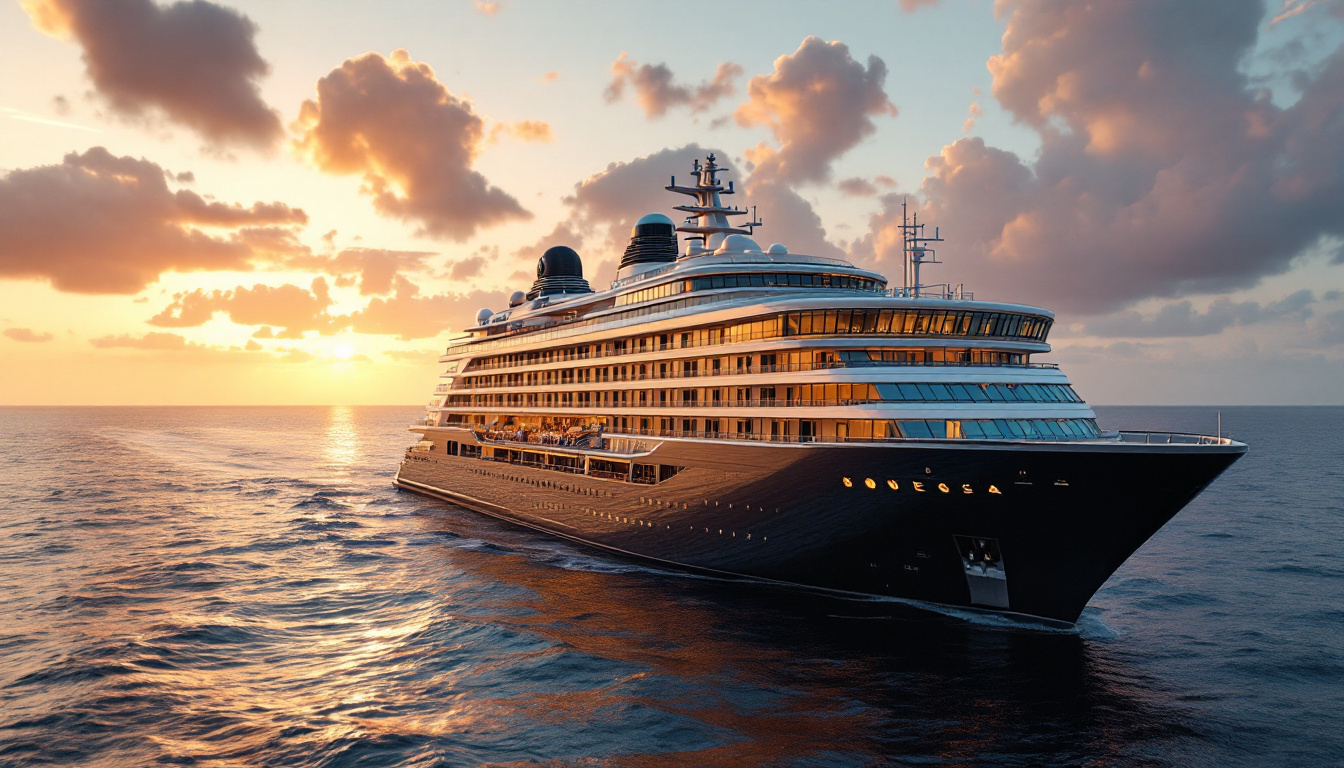
Scenic Eclipse delivered from Brodosplit Shipyard in Split, Croatia, in August 2019 — the first ocean cruise ship built at the yard, and a delivery that ran roughly six months later than originally contracted. She entered service in August 2019 with a Reykjavik to Quebec maiden. Her 2024 dry-dock at Marseille addressed the soft-product gaps versus Eclipse II — the Sky Bar on deck 10, the Vitality pool, an enhanced spa — but did not retrofit the next-generation submersible.
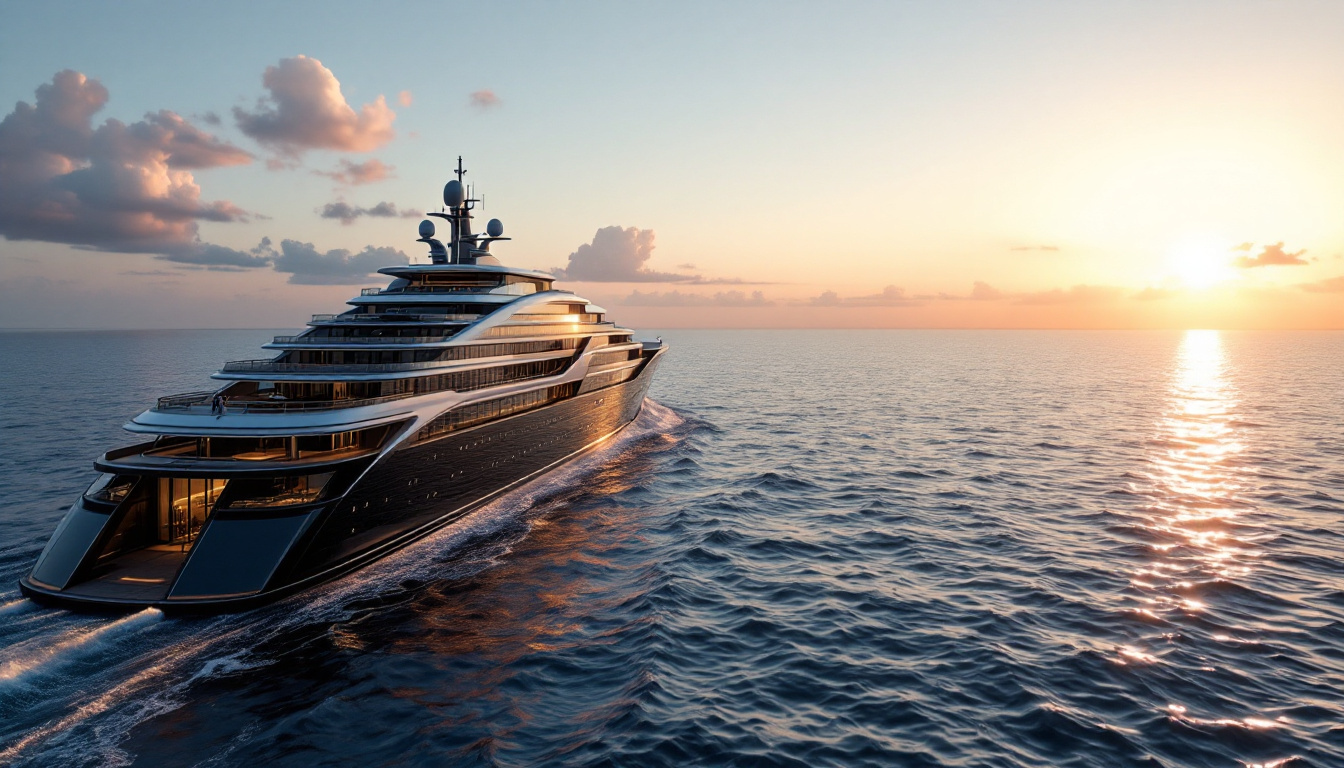
Scenic Eclipse II delivered from the same yard in April 2023, with a maiden out of Lisbon in April 2023. The build benefited from Eclipse I’s operational lessons; her first-year shakedown ran cleaner than Eclipse’s. The structural specifications are identical: 228 guests (200 in Antarctica to reduce landing-group sizes), 165 metres LOA, 17,085 GT, Polar Class 6 ice classification, Azipod propulsion, oversized stabilisers and a reinforced hull.
Each ship carries two helicopters (Airbus H125) operated under Scenic’s air-operations subsidiary, and one custom submersible rated to 300 metres. On Eclipse II the submersible is the second-generation Triton design with a larger acrylic dome and improved viewing geometry; on Eclipse I the original first-generation Triton remains in service pending a future yard retrofit.
The 2026 deployment
The two ships have been deployed deliberately on opposite sides of the world to give the line full-year polar and temperate coverage.
Eclipse II
- January through March 2026: East Antarctica and the Ross Sea out of Bluff, New Zealand. Three voyages of 24 to 32 days each. The deepest-south Antarctic deployment the line has run, reaching Cape Adare, McMurdo Sound, the Ross Ice Shelf face, and the historic huts of Scott and Shackleton at Cape Evans and Cape Royds
- April through May 2026: South Pacific repositioning northward — Tahiti, Cook Islands, Fiji
- June through October 2026: Mediterranean, transitioning into Northern Europe shoulder season
- November 2026 onward: Pole-to-pole transition; Eclipse II is the ship that holds the Arctic for the 2027 northern summer
Eclipse I
- January through April 2026: Caribbean and Central America
- May through October 2026: Mediterranean and Northern Europe — Iceland, Greenland, the British Isles, the fjords. Eclipse I holds the European deployment for the summer
- November 2026 onward: Repositions to Antarctica for the austral summer 2026-27
The deliberate East-West deployment split is what has allowed the line to programme two simultaneous polar seasons — Eclipse II in East Antarctica during the austral summer 2025-26, then in the Arctic for the boreal summer 2026; Eclipse I in the Mediterranean for the boreal summer 2026, then in the Antarctic Peninsula for the austral summer 2026-27.
The Ross Sea programme
The January-March 2026 Ross Sea voyages on Eclipse II were the season’s signature itinerary and remain, in my judgment, the most impressive operational deployment the line has executed. Three voyages from Bluff (the southernmost port of New Zealand’s South Island), each 24 to 32 days, reaching the Ross Sea deep south.
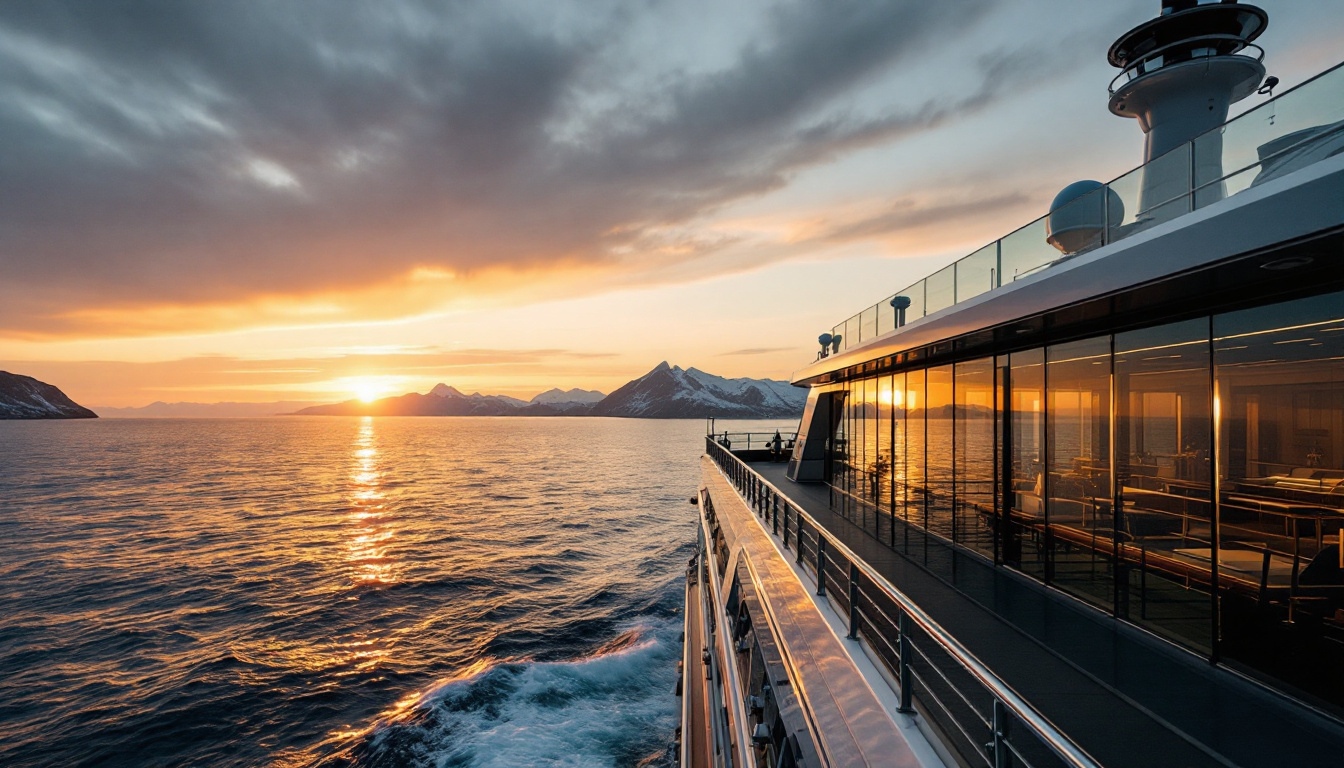
The Ross Sea is one of the few Antarctic regions that the standard Peninsula expedition cruises do not reach. Crossing the Southern Ocean from New Zealand to the Ross Sea is a four-day open-water transit that requires both PC6 capability and meaningful seakeeping. The Ross Sea itself contains: Cape Adare and Borchgrevink’s hut (the first structure built on Antarctica); McMurdo Sound and the US Antarctic Program at McMurdo Station; the Ross Ice Shelf face — a 200-metre vertical wall of ice that runs for 600 miles; and the historic huts at Cape Evans (Scott’s 1910-1913 expedition base) and Cape Royds (Shackleton’s 1908 base).
Each voyage included an average of fifteen Zodiac landings, six helicopter scenic flights per guest (included), and one submersible dive per guest (included). The longer 32-day formats added the Balleny Islands and the rarely-visited Possession Islands. Onboard programming was anchored by a 24-person expedition team including resident historians specialising in the Heroic Age of Antarctic exploration.
Pricing was AUD 65,000 per person double in an entry Veranda Suite, sold out in 2024 for the 2026 season. The 2028 Ross Sea programme is already 60 percent sold as of last week.
The on-board product
The discovery-yacht inclusive bundle is the most generous in the luxury-expedition segment. Inclusive: all beverages including a strong wine list (the line maintains a 250-bottle cellar across the ship), gratuities, butler service from the entry tier, all standard shore excursions and expedition activities including Zodiac landings, one helicopter flight per voyage (additional flights at AUD 800 to AUD 2,400 depending on duration), and one submersible dive per voyage (additional dives at AUD 750 per dive). All-inclusive of Wi-Fi and laundry from the entry tier.
The dining program is built around ten venues across both hulls, which is unusually deep for a 228-guest ship. Elements (main dining room, no surcharge). Lumière (French signature, no surcharge — chef Tom Götter consults the menu). Koko’s (Pan-Asian, no surcharge). Chef’s Garden (chef’s-table format with multi-course tasting, USD 60 surcharge). Azure (poolside grill). Night Market (street-food evening pop-up). Epicure (chef’s-counter experience). Sushi Bar. The Yacht Club (lounge-format light dining). Aperitivo (Italian-style pre-dinner snacks).
The spa, Senses, runs to 550 square metres including a hammam, salt grotto, and dedicated cryotherapy chamber — the only cryotherapy spa at sea outside the Ritz-Carlton Yacht Collection.
Suite product: 114 all-veranda suites per ship across nine categories. Entry Verandah Suite is 32 square metres including balcony. The Owner’s Penthouse is 217 square metres including two private balconies and a wraparound veranda.
Where the class sits
Three relevant comparisons.
Seabourn Pursuit and Venture: directly comparable hardware (228-guest hulls, PC6, submersibles, helicopters on Pursuit). Scenic’s inclusive bundle is more generous on helicopter and submersible access; Seabourn’s crew-to-guest ratio is higher. Scenic’s food is slightly better, in my judgment; Seabourn’s service register is slightly more polished. Both ships are strong; the choice often comes down to specific itinerary.
Silversea expedition (Endeavour, Cloud, Wind): Silversea offers a less aggressive helicopter and submersible package — Cloud and Wind have neither, Endeavour has neither. For pure expedition hardware Scenic is the clearer choice; for a more polished on-board service register Silversea wins.
Ponant Le Commandant Charcot: not a direct competitor. Charcot’s PC2 capability lets her reach destinations Scenic cannot (90°N, deep Weddell Sea, deep Ross Sea behind the ice). Scenic’s hulls are larger, more spacious, and more comprehensively included. The two ships address adjacent but different markets.
What to watch
Two items for the back half of 2026. First, the Sub Mark 2 submersible retrofit on Eclipse I, which has not been formally scheduled but which the line has indicated will happen during her 2027 dry-dock. Second, the question of a third Eclipse sister, which has been the persistent industry rumour since Eclipse II’s delivery and which the line has not confirmed. The Brodosplit relationship is intact; the yard slot would need to be placed in late 2026 to deliver before 2030. I see no evidence the line is moving on this.
For the prospective guest in 2026: book Eclipse II’s pole-to-pole transition voyages for the most distinctive itineraries; book Eclipse I’s Antarctic Peninsula deployment for the more accessible-priced expedition experience; book the Mediterranean and Northern Europe summer rotations for the discovery-yacht product at lower cost without the polar premium.
Standing Questions
- What does 'discovery yacht' actually mean and how does Scenic differ from Seabourn or Silversea expedition?
- Scenic's marketing language for the class — 228-guest hulls with Polar Class 6 classification, two helicopters, and a submersible. The hardware spec is comparable to Seabourn Pursuit and Venture. What differs is the inclusive bundle: helicopter time is included on Scenic, supplemented on Seabourn. Submersible dives are included on Scenic at one dive per voyage, with additional dives at supplement; on Seabourn they are supplemented from the first dive.
- What is the difference between Eclipse I and Eclipse II?
- Eclipse II is the more recent build (2023) and incorporates lessons from Eclipse I (2019). Both ships are structurally identical — 228 guests, 165 metres LOA, 17,085 GT, Polar Class 6 — with refinements on Eclipse II: a larger Sky Bar on deck 10, a reworked Vitality pool, an enhanced spa, and a next-generation submersible with improved viewing. Eclipse I received the Sky Bar and Vitality pool in her 2024 dry-dock; the submersible upgrade has not yet been retrofitted.
- How does the Ross Sea deployment work?
- Eclipse II's January-March 2026 East Antarctica and Ross Sea voyages are 24- to 32-day formats out of Bluff, New Zealand. The Ross Sea is the deepest-south Antarctic region accessible to passenger ships outside Charcot — Cape Adare, McMurdo Sound, the Ross Ice Shelf face, and historic huts of Scott and Shackleton at Cape Evans and Cape Royds. The 2026 deployment was the line's most ambitious Ross Sea programme to date.
- What does it cost?
- An entry-level Antarctica Veranda Suite on Eclipse II's 14-day Peninsula voyage, December 2026, books at approximately AUD 30,000 per person all-in. The 24-day Ross Sea voyage in January 2026 sold out at approximately AUD 65,000 per person in the entry suite. Owner's Penthouses on the Ross Sea voyages exceeded AUD 110,000 per person.
- Is a third Scenic Eclipse hull coming?
- Scenic has confirmed no third hull. The line has prioritised river-cruise expansion (the Scenic Discoveries series) and has not announced any further ocean new-builds since Eclipse II. The Croatian-owned Brodosplit yard that built both Eclipse hulls has no Scenic contracts on its current order book. A third sister, if ordered now, would not deliver before 2029.