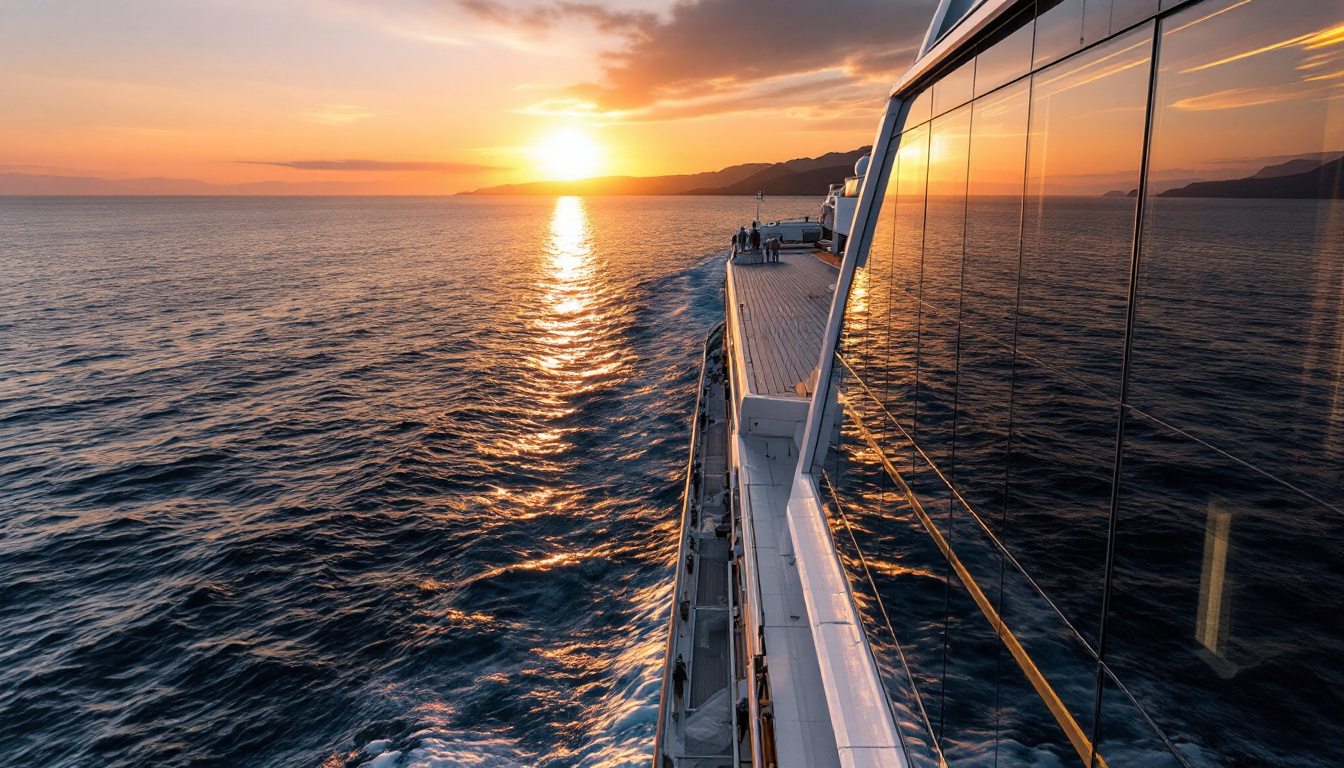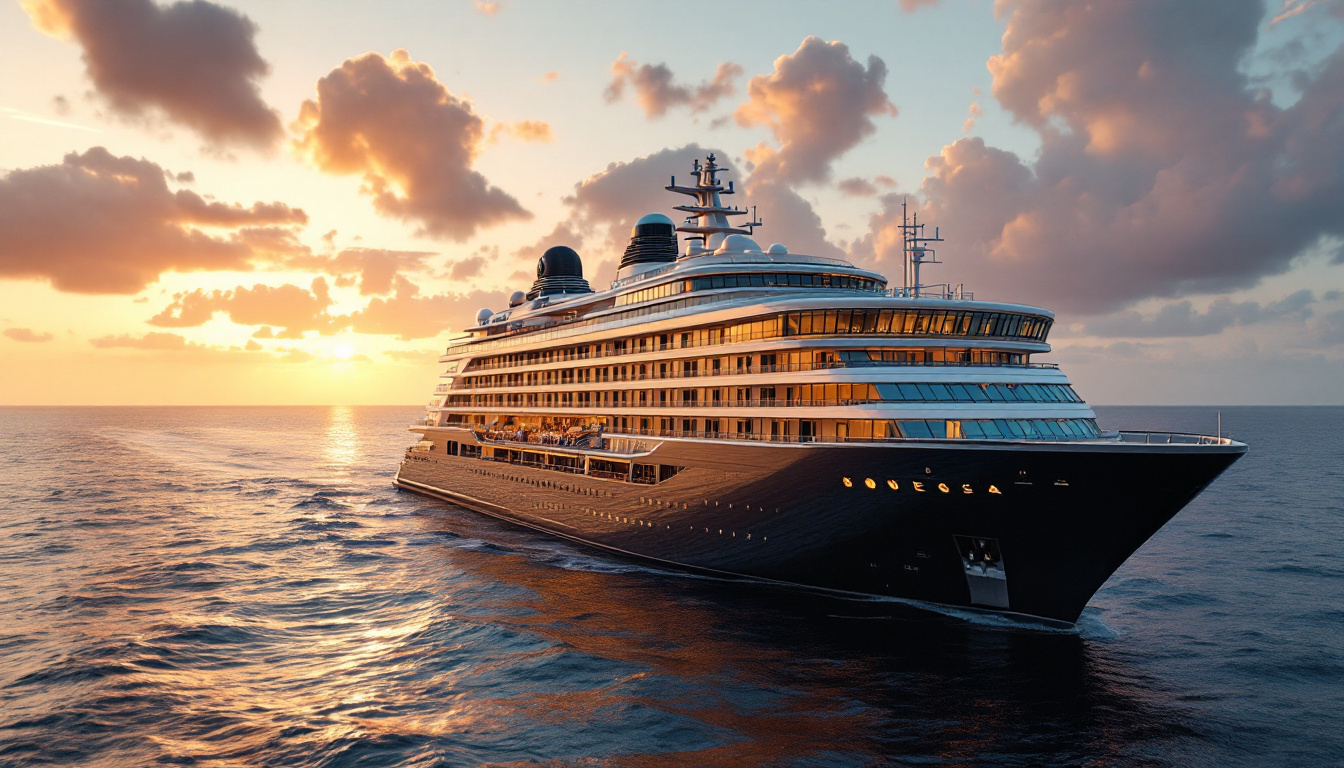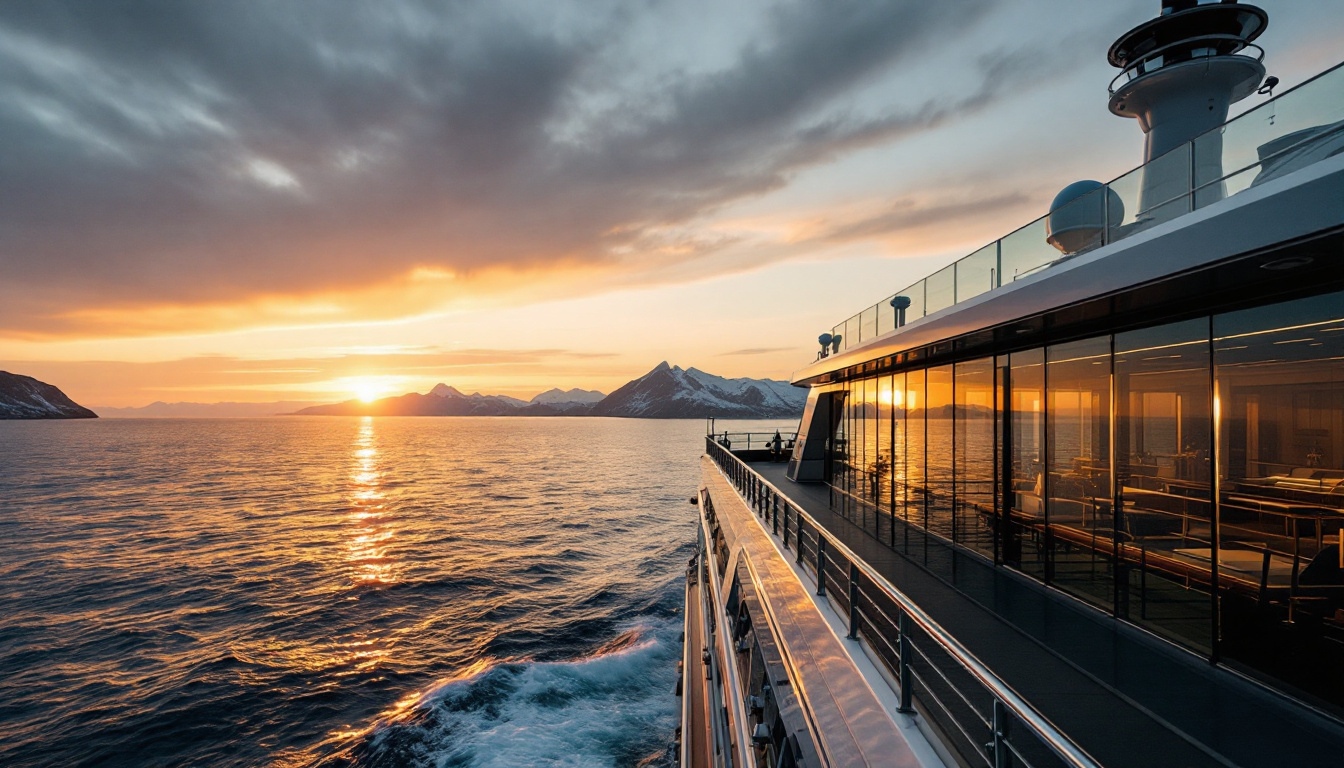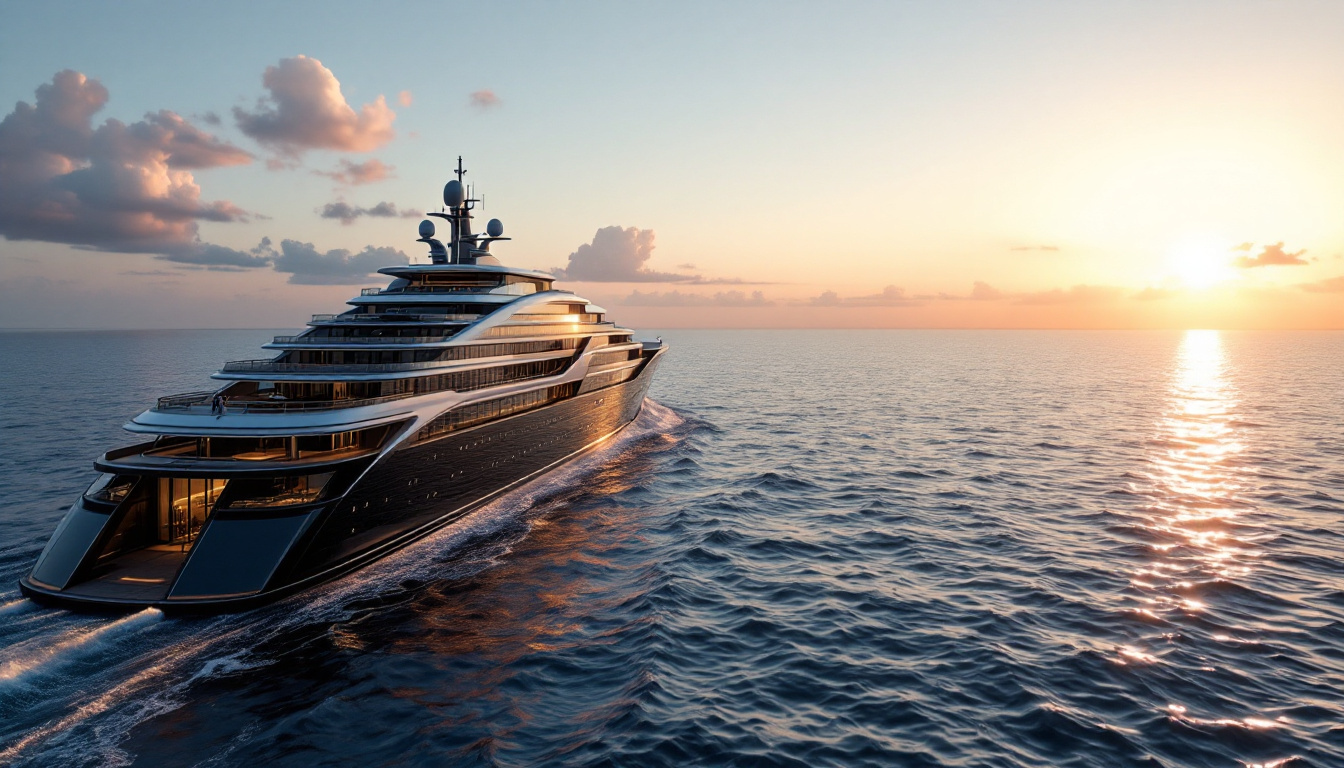
Aman has been at the design stage of a marine product since at least 2018, when the brand’s then-CEO Vlad Doronin first publicly floated the concept. The eventual decision to build, the partner choice (Sinot Yacht Architecture & Design for naval architecture, T. Mariotti in Genoa for construction), and the marketing positioning (Amangati as the inaugural yacht, with the explicit signal that further hulls will follow) all sit within a multi-year arc that the brand has been visibly disciplined about. The boat is now being built; the hull is at the outfitting quay; bookings are open for spring 2027.
What follows is what Amangati will actually be, what the pricing strategy reveals about the brand’s positioning, and how the boat fits into the broader hotel-brand-becomes-yacht-operator trend that is reshaping the luxury-cruise top tier.
The ship as designed
Specifications, drawn from the public design materials and from the brand’s commercial team:
- 94 guests across 47 suites
- Crew of approximately 130 (crew-to-guest ratio approximately 1:0.72)
- Naval architecture by Sinot Yacht Architecture & Design (the Netherlands-based superyacht studio behind a number of well-known charter yachts)
- Construction at T. Mariotti, Genoa
- Dual-fuel capability: marine diesel oil and methanol. The methanol option cuts carbon dioxide emissions by up to ninety-five percent compared with conventional marine fuels when sourced as green or e-methanol. This is the first passenger vessel of this scale designed for methanol bunker
- Four dining concepts including the Aman signature culinary programme
- Aman Spa with Japanese garden, salt grotto, hammam and thermal suite
- Jazz Club (a new format for the brand and a signal toward the music-and-entertainment programming that distinguishes the on-board product from a land-resort experience)
- Beach Club at the stern marina with watersports including paddleboards, kayaks, e-foils
- Two helipads — the most generous helicopter accommodation in the luxury-cruise fleet
The hull arrived at T. Mariotti’s outfitting quay in early 2026, which is the milestone that confirms the spring 2027 delivery window. Outfitting at this stage typically runs nine to fifteen months depending on interior complexity; the Sinot design is interior-complex enough that fifteen months is the more realistic timeline, which is consistent with the spring 2027 inaugural service window.
The pricing strategy
Amangati is the most expensive entry-tier in the luxury-cruise market, by a meaningful margin. The published rates:
- Five-night journeys from USD 38,500 per person double (USD 77,000 per couple) — approximately USD 7,700 per person per night
- Seven-night journeys from USD 54,600 per person double (USD 109,200 per couple) — approximately USD 7,800 per person per night
- Upper suite categories not yet publicly priced; expect USD 15,000-25,000 per person per night for Owner’s Suite and equivalent
For comparison, the entry-tier per-night rates on competing hulls:
- Four Seasons I: approximately USD 1,800 per person per night
- Ritz-Carlton Ilma: approximately USD 1,400 per person per night
- Silversea Silver Nova: approximately USD 770 per person per night
- Regent Seven Seas Splendor: approximately USD 970 per person per night
- Explora Journeys Explora II: approximately USD 840 per person per night
Aman is therefore pricing the entry tier of Amangati at approximately four times the entry tier of Four Seasons I and roughly ten times the entry tier of the contemporary luxury-cruise lines. This is consistent with Aman’s land-resort pricing — Amanyara in Turks and Caicos, Amangiri in Utah, and Amanzoe in Greece all price comparably or higher per night for the equivalent room category — and is the explicit signal that Amangati is positioned as a yacht experience rather than a cruise experience.
The total addressable market at this price point is meaningfully smaller than at Four Seasons or Ritz-Carlton pricing. The line is betting on Aman’s existing UHNW guest base — the typical Amanyara guest demographic — to convert at sufficient rate to maintain consistent ninety-plus percent occupancy. Whether that conversion holds at this rate is the open commercial question.
What the on-board product will likely feel like
The on-board product, as it is specified, reads closer to a private superyacht than to a hotel-brand cruise vessel. Several signals.
The 1:0.72 crew-to-guest ratio is meaningfully more generous than even Four Seasons I (1:0.83) and is in the range of a private superyacht with rotating crew. The suite count of 47 versus 95 on Four Seasons I means meaningfully larger average suites and meaningfully more deck space per guest. The four dining venues for 94 guests imply small-format dining throughout — most venues will seat 30 to 60 guests at peak, which gives each restaurant the operational feel of a single-shift land-restaurant rather than a high-volume ship-galley operation.
The Japanese garden in the Aman Spa is a signature design move that the brand has consistently used in its land resorts (Amanyangyun, Aman Tokyo) and translates to the marine context with some structural complexity. The Beach Club marina at the stern is intended to function as a private-yacht-scale watersports platform. The two helipads are the most generous helicopter accommodation in the luxury-cruise fleet, signalling that helicopter-based shore programmes will be a meaningful part of the itinerary product.
The Jazz Club is the design-language outlier. Aman’s land resorts do not typically programme live music venues; the on-board Jazz Club is a deliberate move into the music-and-entertainment programming that distinguishes a yacht stay from a land-resort stay. It is also one of the more interesting signals about the on-board ambience — Aman is positioning the boat as a more socially-active environment than its land resorts.
The itinerary strategy
The inaugural year will run Mediterranean and Caribbean rotations. The line has not published full itineraries as of writing, but the format is expected to be five- and seven-night sailings between yacht-scale ports — comparable in geography to Ritz-Carlton Evrima’s Greek isles rotation, but at meaningfully lower port density (94 guests means smaller landing groups, easier private-guide shore programming, and the option of fully chartering a port-side venue).
Aman has emphasised that the shore programme will integrate with land-side Aman resorts where the itinerary permits. The Mediterranean portfolio includes Amanzoe in the Peloponnese, Amankila in Bali (relevant to potential Asia rotations in subsequent years), Amanruya in Bodrum, and Aman Venice. A guest disembarking at a port within day-trip distance of an Aman resort would have the option of a curated private-day experience at the resort, with the brand-consistent service register translating across the boat-resort transition. This is the operational thesis that distinguishes the Aman product from Four Seasons or Ritz-Carlton, neither of which have the same depth of compact European resort portfolio.
What I am watching for the run-up to 2027
Three items. First, the actual chef appointment for the signature restaurant, which Aman has not yet announced. The land-resort dining programmes are operated by Aman’s in-house culinary team rather than by named Michelin-starred consultants; whether the boat follows the same model or follows the Four Seasons / Ritz-Carlton pattern of named consulting chef will signal the brand’s culinary positioning.
Second, the full itinerary schedule, which is expected at the Monaco Yacht Show in September 2026 along with the publication of the second-year deployment plan.
Third, the second-hull commitment. Aman has confirmed publicly that further hulls will follow Amangati; the second yacht has not been formally contracted. T. Mariotti is the likely builder. A second-hull contract announcement before Amangati’s delivery would signal confidence in the demand profile at the established price point.
For the prospective guest in 2026 considering the inaugural Amangati booking window: the price-point conversion is the structural decision. At USD 7,700 per person per night, a five-night Mediterranean sailing for two guests is USD 77,000 — meaningfully above a week at Amanzoe (currently USD 4,800 per night for the entry Pool Suite, so USD 33,600 for a week) and comparable to a week at Amangiri’s Mesa View Suite (USD 5,400 per night, USD 37,800 for a week). The on-board yacht experience needs to deliver against that internal-brand benchmark; the on-board product specification suggests it will.
Standing Questions
- When does Amangati actually deliver and enter service?
- Construction continues at T. Mariotti's Genoa yard, with the hull arrived at the outfitting quay in early 2026. Aman has guided delivery to early 2027 with revenue service starting spring 2027. The line has not published the maiden voyage date but bookings are open for sailings from May 2027 onward.
- What is the actual capacity and configuration?
- 94 guests across 47 expansive suites — meaningfully smaller than Ritz-Carlton Evrima (298 guests / 149 suites) and Four Seasons I (190 / 95). Crew of approximately 130. Each suite has a private balcony; suites range from approximately 70 square metres in the entry tier to over 200 square metres for the Owner's Suite category.
- What does it cost?
- Five-night journeys from USD 38,500 per person double in the entry tier; seven-night journeys from USD 54,600 per person — approximately USD 7,000 to USD 8,000 per night per person. This is the most expensive entry-tier in the luxury-cruise segment, meaningfully above Four Seasons (USD 1,800/night entry), Ritz-Carlton (USD 1,400/night entry), Silversea Nova (USD 770/night entry). The pricing aligns with Aman's land-resort positioning.
- Where will Amangati actually sail?
- Mediterranean and Caribbean itineraries are confirmed for the inaugural year. The line has not published full itineraries; the format is expected to be five- and seven-night sailings between yacht-scale ports — comparable to a Ritz-Carlton Evrima Greek-isles rotation but at lower density. Aman has emphasised the integration of land-side Aman resorts into shore programmes (Amankila in Bali, Amanruya in Bodrum, etc.) where the itinerary permits.
- How is it different from other hotel-brand yachts (Four Seasons, Ritz-Carlton)?
- Smaller (94 vs 190 vs 448 guests), more expensive (USD 7,000+ per person per night vs USD 1,800 vs USD 1,400), and more aligned with Aman's existing land-resort identity. The methanol fuel capability is a sustainability differentiator. The on-board product specifications — Jazz Club, Japanese garden, Beach Club marina, two helipads — read closer to a private superyacht than to a hotel-brand cruise vessel.