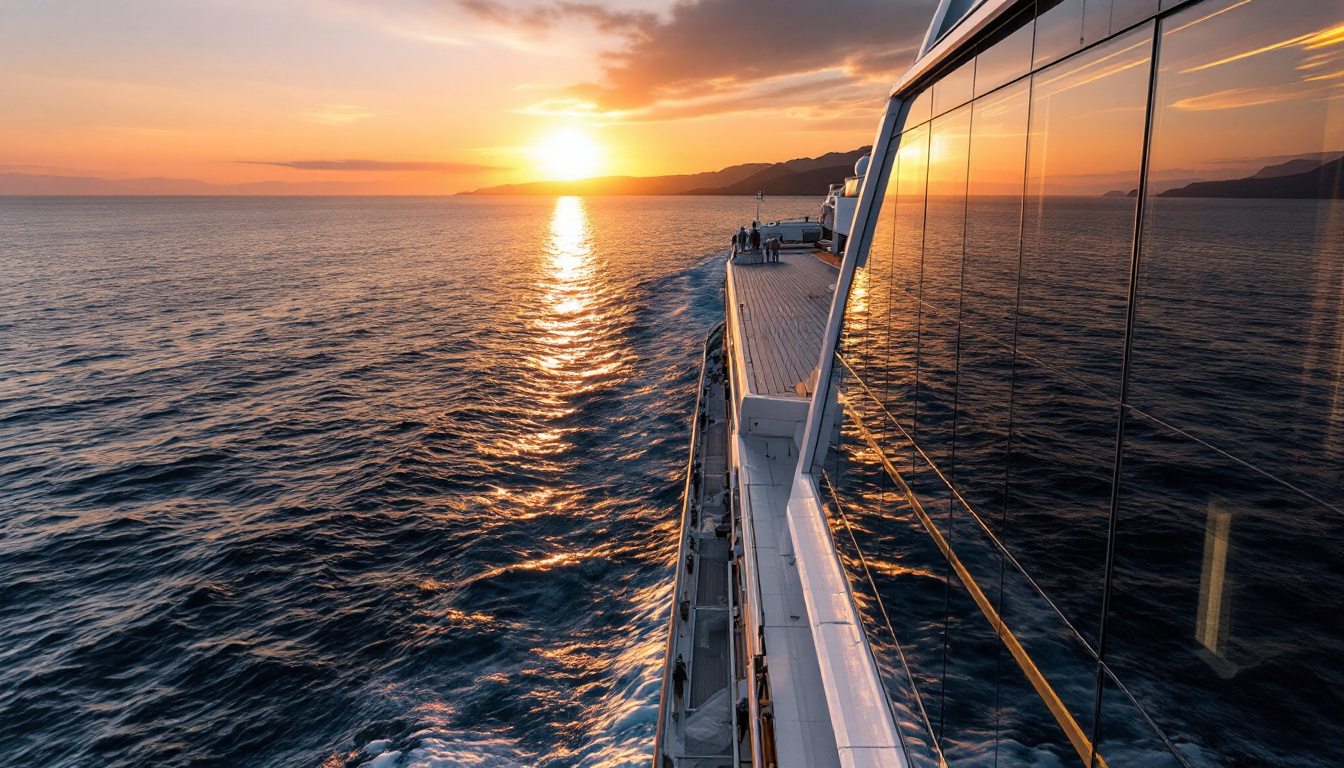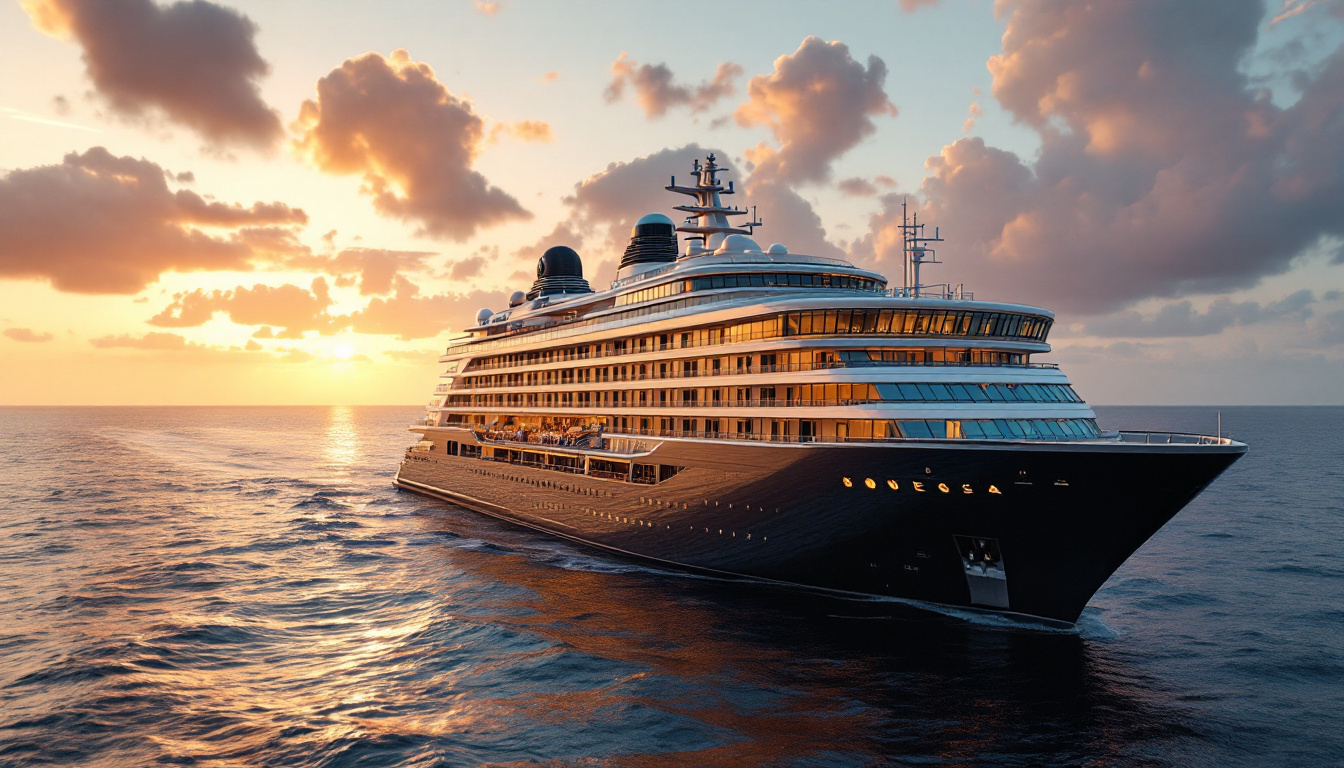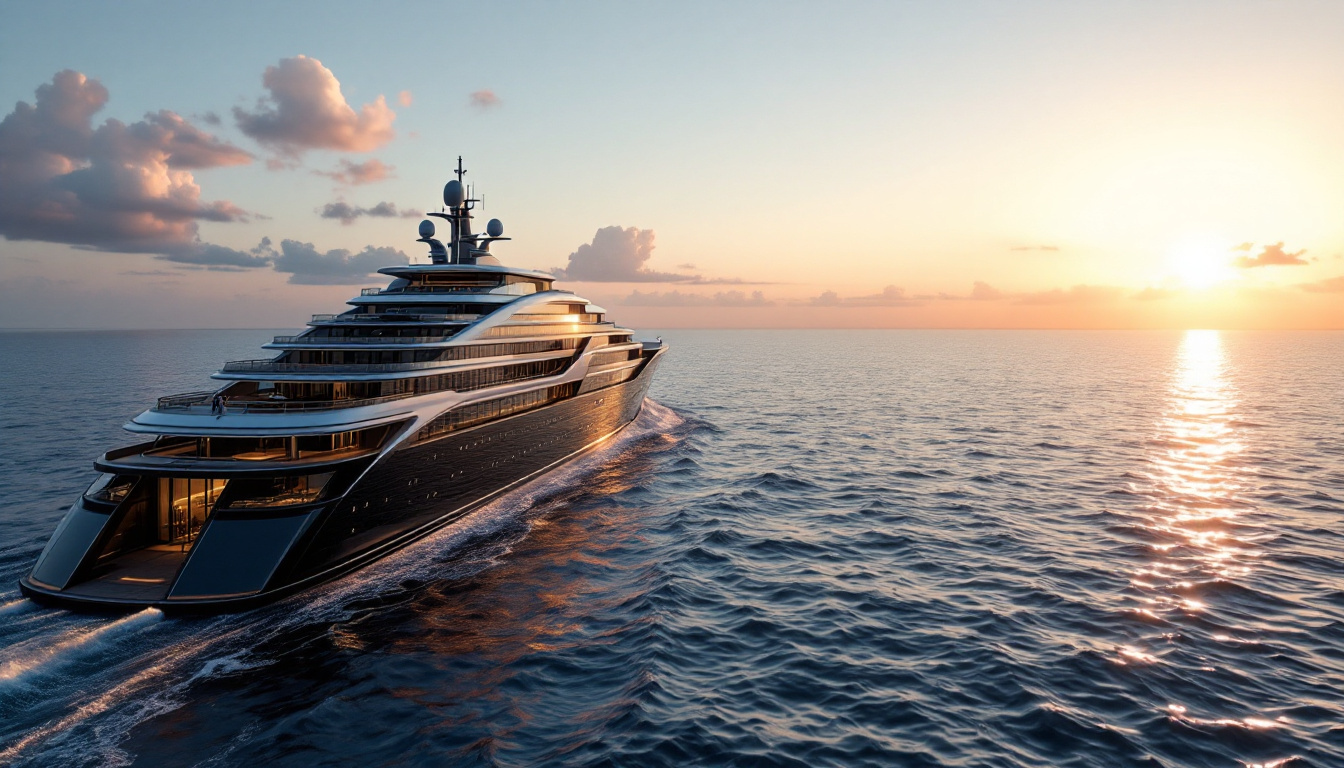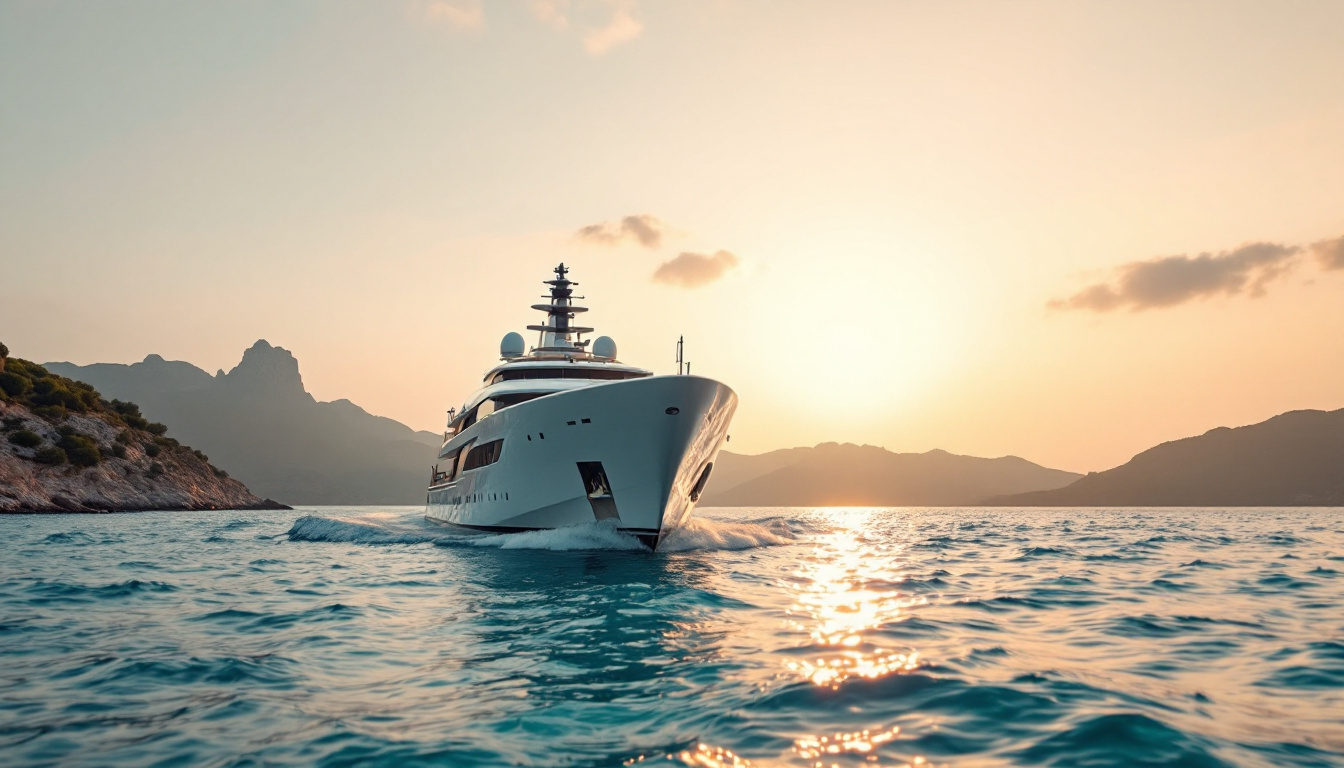
The Feadship launch that mattered most in early 2026 was not the splashy one. It was project 1014, a 101.2-metre motor yacht that slipped quietly into the water in the standard understated manner the yard has favoured for the last decade for its larger projects. The launch was not announced in advance, the first photographs surfaced through industry channels rather than a press release, and the boat has now joined the small handful of 100-plus-metre Dutch builds that will deliver in 2026.
This is a report on what we know, what we can infer, and what to watch for as 1014 works through sea trials and toward delivery. Feadship’s communication policy is conservative; the boat’s published profile is correspondingly thin. Below is the read from what is publicly available, cross-referenced against the yard’s recent pattern.
The basics
Project 1014 is a 101.2-metre motor yacht built at the Feadship Aalsmeer facility. The hull number is in the standard Feadship hull-numbering sequence — 1010 was Launchpad, the 118-metre flagship delivered in 2024; 1014 sits four numbers later in the sequence, which is consistent with the yard’s typical 18-to-24-month gap between major large-yacht launches given the Aalsmeer build cycle.
Launch occurred in early 2026, with the boat moved from the construction hall into the water in the deliberately low-profile manner that has become the Feadship standard for owners who do not want public attention on the project. The boat will now run through the standard Dutch sea-trial sequence: protected-water testing in the Markermeer and IJmeer; offshore testing in the southern North Sea and Wadden Sea; final commissioning of guest-facing systems before the formal owner acceptance. The full sequence typically runs three to four months from launch to delivery for a boat at this scale.
Specific propulsion details, accommodation plan, and interior designer have not been formally disclosed at the time of writing. The yard’s typical practice is to confirm these credits at or near delivery, and the entry in Boat International’s Superyacht Directory currently lists 1014 with a delivery year of 2026 and a 101.2-metre length overall, but with the design and interior credits still pending.
What we can infer about the design
Feadship’s 90-to-120-metre programme over the last decade has settled into a relatively consistent design language: a steel hull with aluminium superstructure, four to five guest decks, twin-screw diesel-mechanical or hybrid propulsion (the yard has been an early adopter of parallel-hybrid configurations on this size of boat), and an exterior styling vocabulary that emphasises long horizontal lines and substantial glass area in the upper decks. Without yard confirmation, the launch photographs of 1014 are consistent with this house style — there is no obvious radical departure from the design language Feadship has been refining since the mid-2010s.
The 101.2-metre length puts 1014 in a specific commercial sweet spot. At 100 metres and above, a yacht qualifies for the SOLAS large-yacht regulations, which trigger meaningful additional requirements around crew accommodation, safety systems, and bridge equipment. At 120 metres and above, the boat enters the category that requires the largest marina berths and substantially more capable port infrastructure — there are perhaps 30 to 50 berths globally that can comfortably take a 120-metre boat with a 17-metre beam. The 100-to-110-metre band is where the bulk of the recent large-yacht order book has clustered because it balances usable interior volume against operational flexibility.
For comparison, Launchpad (project 1010) is 118 metres long with a 19-metre beam and 5,528 gross tons. A 101.2-metre boat with a likely 14.5 to 15.5-metre beam will land somewhere in the 3,000 to 3,800 gross-ton range depending on the specific volume design. That is a different boat from Launchpad — smaller, more operationally flexible, more easily accommodated at the standard Med marina berths — and it is a more typical specification for the current generation of new-build buyers.
The Aalsmeer build context
The Aalsmeer facility is the larger of Feadship’s two principal yards (the other being Kaag) and is where the yard’s largest projects are built. The construction hall at Aalsmeer was extended in 2018 to accommodate boats up to approximately 120 metres, which is what enabled the Launchpad build. 1014, at 101.2 metres, fits comfortably within the Aalsmeer envelope.
The five-year build cycle for a Feadship of this size is standard. The yard’s pattern is approximately 18 months of engineering and steelwork, 30 to 36 months of construction and outfitting, and 4 to 6 months of commissioning and trials. The five-year total puts 1014’s contract date in approximately 2021, which is consistent with the post-pandemic order-book surge that brought a wave of new commissions to the Dutch yards.
The yard’s order book remains healthy. Feadship has been delivering approximately three large yachts per year (across both Aalsmeer and Kaag facilities) since 2018, and the 2025-2027 pipeline appears to support the same cadence. The next several hull numbers in the Aalsmeer sequence are reportedly in various stages of construction — though Feadship does not publish a forward delivery schedule, and the yard’s confidentiality practice means that detailed information on hull numbers between 1011 and 1020 is limited to what has been observed at launch or publicly confirmed.
The Lürssen comparison
The structural comparison for Feadship at this size is Lürssen. The two yards account for the substantial majority of the 100-plus-metre fleet currently in build. Lürssen’s 2026 programme includes the 102.4-metre Jassi (launched 6 February 2026, Q3 2026 delivery), the 110-metre Project O3, the 114.2-metre Project Cosmos with methanol fuel cells, and several other projects in the 95-to-130-metre range. Feadship’s 2026 programme includes 1014, the previously delivered 1010 in service, and the additional hulls in the pipeline.
The yards compete on different design philosophies. Feadship’s Dutch tradition emphasises a slightly lower freeboard, more glass area in the superstructure (RWD and others designing for Feadship typically push the upper-deck glazing further than they would on a Lürssen build), and a slightly more open interior architecture. Lürssen’s German tradition is more conservative on the exterior — heavier superstructure mass, more conventional bulwark heights — but generally delivers higher gross-tonnage ratios for a given length, which means more interior volume for the same waterline length.
The choice between the two is largely a function of owner taste, naval-architecture preference, and yard relationship. Both deliver to the highest standard of quality in the segment. Owners commissioning at this scale typically have a strong existing preference for one yard or the other, often built up over multiple previous ownership cycles.
What to watch
The substantive Feadship news in the back half of 2026 will be the formal delivery and the post-delivery disclosure pattern. The interior designer credit will tell us a meaningful amount about owner taste; the propulsion-system disclosure will tell us whether 1014 sits in the hybrid camp or the conventional-diesel camp; the eventual owner attribution (if it comes) will provide context on which buyer profile is currently most active in the segment.
The trials sequence itself is worth watching for what it reveals about Feadship’s current standard of finish at delivery. The yard’s reputation for delivering boats that need essentially no post-handover snagging work is the central commercial proposition behind the price premium it charges. A boat that goes from launch to delivery on the standard four-month timeline with a clean trial sequence is a boat that confirms the proposition; a boat that needs extended commissioning is the kind of signal that ripples through the broker community.
I will be at the Monaco Yacht Show (23 to 26 September 2026), where Feadship typically has at least one large delivery on the static display. If 1014 makes the show — which is plausible but not certain, depending on the owner’s preference — it will be the first opportunity for the broader market to see her in the water. If she does not make Monaco, Fort Lauderdale in late October is the next likely first showing for a US-flagged or US-itinerary boat.
Either way, 1014 joins the small but consequential 2026 cohort of 100-plus-metre Dutch and German deliveries. The market at this size is healthy; the order book at the two principal yards is full into 2028 and beyond; the price points have stabilised at the post-pandemic plateau. This is the new normal for the top end of the build market, and Feadship’s quiet launch of 1014 is the most characteristic recent example of the yard delivering exactly what it has been delivering for the last decade — without fanfare, but to a standard that the rest of the market continues to chase.
Verification
Filed against the following sources, last verified on February 16, 2026. The desk re-checks the source URLs on every dated modification of the piece.
- https://www.boatinternational.com/yachts/the-superyacht-directory/feadship-1014—14290
- https://www.yachtbuyer.com/en-us/news/101m-feadship-superyacht-project-1014-launched-after-low-profile-build
- https://scheepswerfslob.nl/en/project/project-1010-feadship-launchpad/
- https://www.boatinternational.com/yachts/the-superyacht-directory/feadship-1010—98937
- https://www.charterworld.com/news/feadship-launches-118metre-luxury-mega-yacht-project-1010
Standing Questions
- How is Feadship 1014 different from Launchpad (project 1010)?
- 1014 is a 101.2-metre motor yacht built to a different design brief from Launchpad's 118 metres. Feadship has not published the full design and naval-architecture credits at the time of writing, consistent with the yard's typical practice of waiting until delivery before the on-the-record disclosures. The two boats serve different owner profiles and are not directly comparable beyond both being Feadship products.
- When is delivery expected?
- 2026 delivery, per Boat International's Superyacht Directory entry and the YachtBuyer launch coverage. Specific quarter has not been formally published by Feadship; sea trials in the southern North Sea and Wadden Sea are the typical pre-delivery sequence and will run through the spring and summer.
- Who is the owner?
- Not publicly disclosed. Feadship's owner-disclosure practice is conservative — the yard rarely confirms owners before delivery, and frequently never confirms them on the record. Industry inference will likely produce attribution in the months following delivery, but at the time of writing the boat has been delivered into the standard owner-confidentiality structure.
- How does 1014 fit into the broader Dutch superyacht pipeline?
- Feadship's order book at 100-plus metres has remained at a stable two-to-three-build annual cadence since 2020. The Aalsmeer and Kaag facilities together produce approximately three large Feadships per year across all sizes, with the 90-plus-metre segment accounting for roughly half of recent annual output by length. The 2026-2027 pipeline includes 1014, the previously delivered 1010 in service, and additional hull numbers in the high 70-metre to 100-plus-metre range that have been launched or are scheduled for launch over the next 18 months.
- What is the Feadship-Lürssen comparison at this size?
- Both yards operate at the top of the 90-to-130-metre segment with substantially different design and engineering cultures. Feadship's Dutch tradition emphasises a slightly lower freeboard, more glass area in the superstructure, and interior layouts that reflect the De Voogt naval-architecture practice. Lürssen's German tradition emphasises propulsion-system robustness, higher gross-tonnage ratios, and slightly more conservative exterior styling. The two yards together account for the substantial majority of the 100-plus-metre fleet currently in build.