The Galápagos cruise market is structurally constrained in ways that distinguish it from any other luxury-cruise destination. The Galápagos National Park controls vessel registration, annual visitor caps, per-itinerary site rotation, and guide certification. Total cruise capacity is capped at approximately 65 registered vessels carrying no more than 250,000 visitors annually. The permit framework means the supply side of the market is essentially fixed, and the operator dynamic is competition for guest spending within a defined capacity rather than competition for total market share.
I spent eight nights on Silver Origin in November 2024 and have followed the Galápagos liveaboard segment closely since. What follows is the state of the market in 2026, the operators by tier, the on-board product comparisons, and the pricing reality.
The permit framework
The Galápagos cruise capacity is governed by the 1998 Special Law for the Galápagos and by subsequent Park regulations. The major operational constraints:
- Total registered cruise vessels: approximately 65 vessels currently
- Annual visitor cap: approximately 250,000 visitors (raised from 225,000 in 2024)
- Per-itinerary site rotation: no vessel may visit the same landing site more frequently than every fifteen days
- Landing-group size: maximum sixteen guests per certified naturalist guide
- Guide certification: all naturalist guides must be Park-certified and most must be Ecuadorian nationals
The framework means the supply side of the market is essentially fixed. Operators compete on guest spending per voyage rather than on total market share. The constraint also means that the Galápagos experience is meaningfully more curated and group-controlled than most expedition-cruise destinations — there is no scope for guest-led independent exploration; all landings are guided and group-organised.
The recent regulatory developments include the 2024 visitor-cap increase from 225,000 to 250,000 (with corresponding ticket-price increases) and the 2025 introduction of a mandatory two-week advance digital-immigration registration for all cruise guests.
The top of the market: Silver Origin
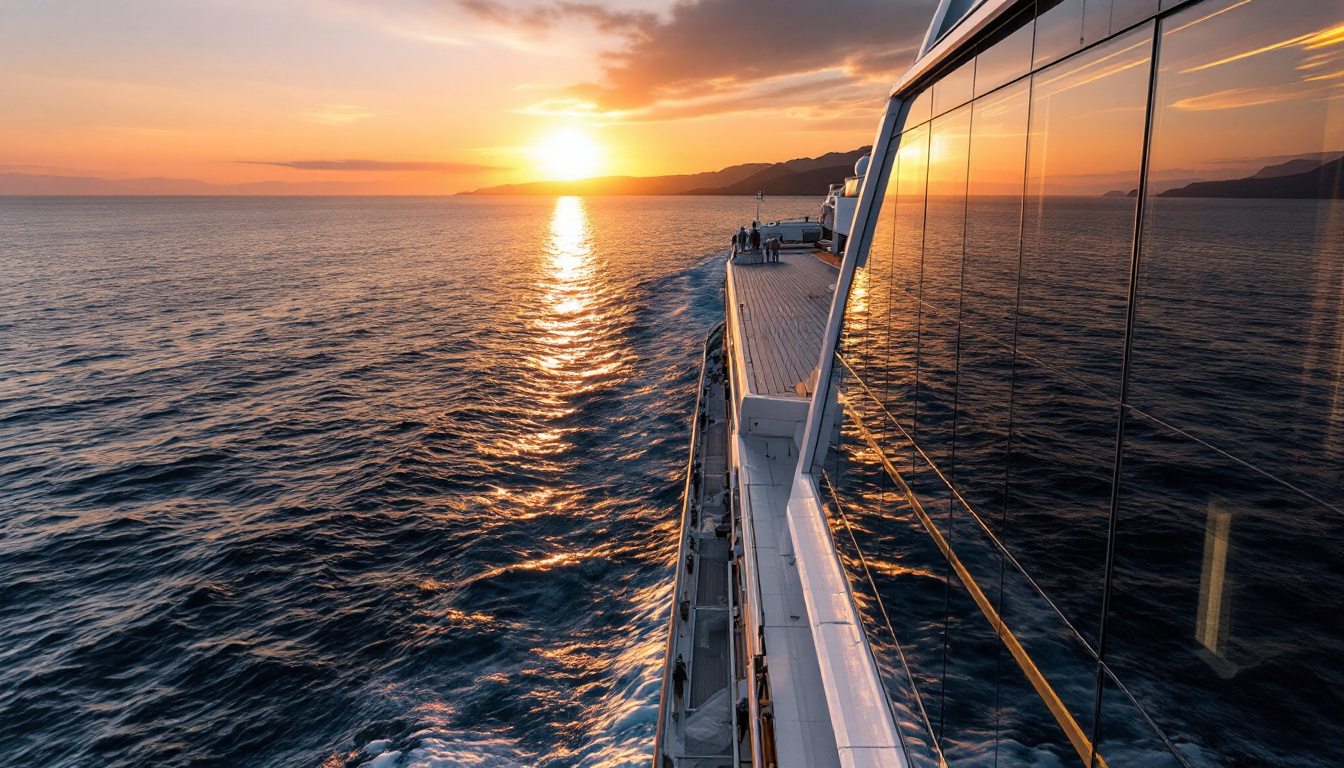
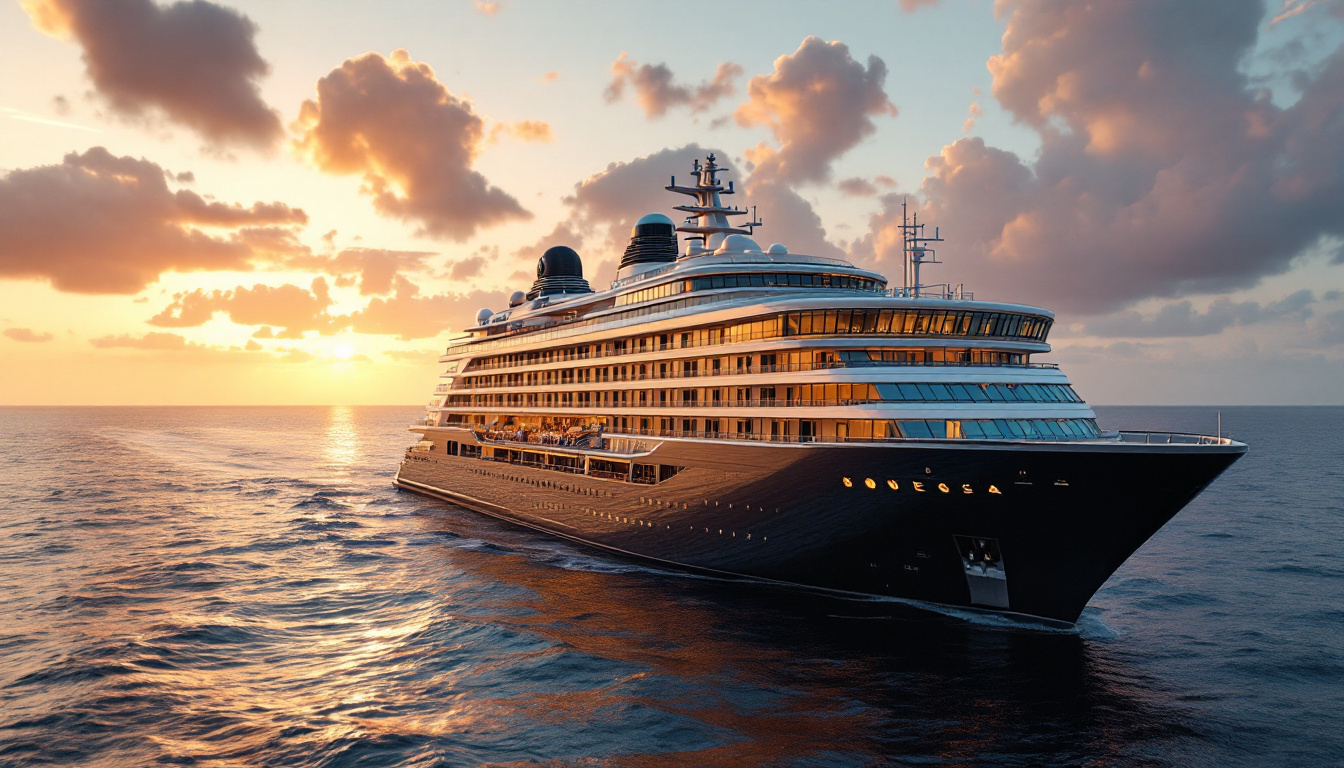
Silver Origin is Silversea’s destination-specific Galápagos vessel, delivered in 2020 and operated year-round in the islands. Specifications: 100 guests in 51 all-suite accommodation, with a crew of 96 (crew-to-guest ratio 1:1.04 — the highest in the Galápagos cruise market). 5,800 GT, 101 metres LOA.
The destination-specific design is the operative differentiation. Everything on board is calibrated for the eight-to-fifteen-day Galápagos cruise. The dynamic-positioning propulsion system eliminates the need for anchoring, protecting the delicate seabed at landing sites. Eight Zodiacs handle landings; the marina at the stern accommodates guest watercraft including kayaks and paddleboards. The naturalist guide team is Ecuadorian-national-led with the highest certified-guide-to-guest ratio in the islands.
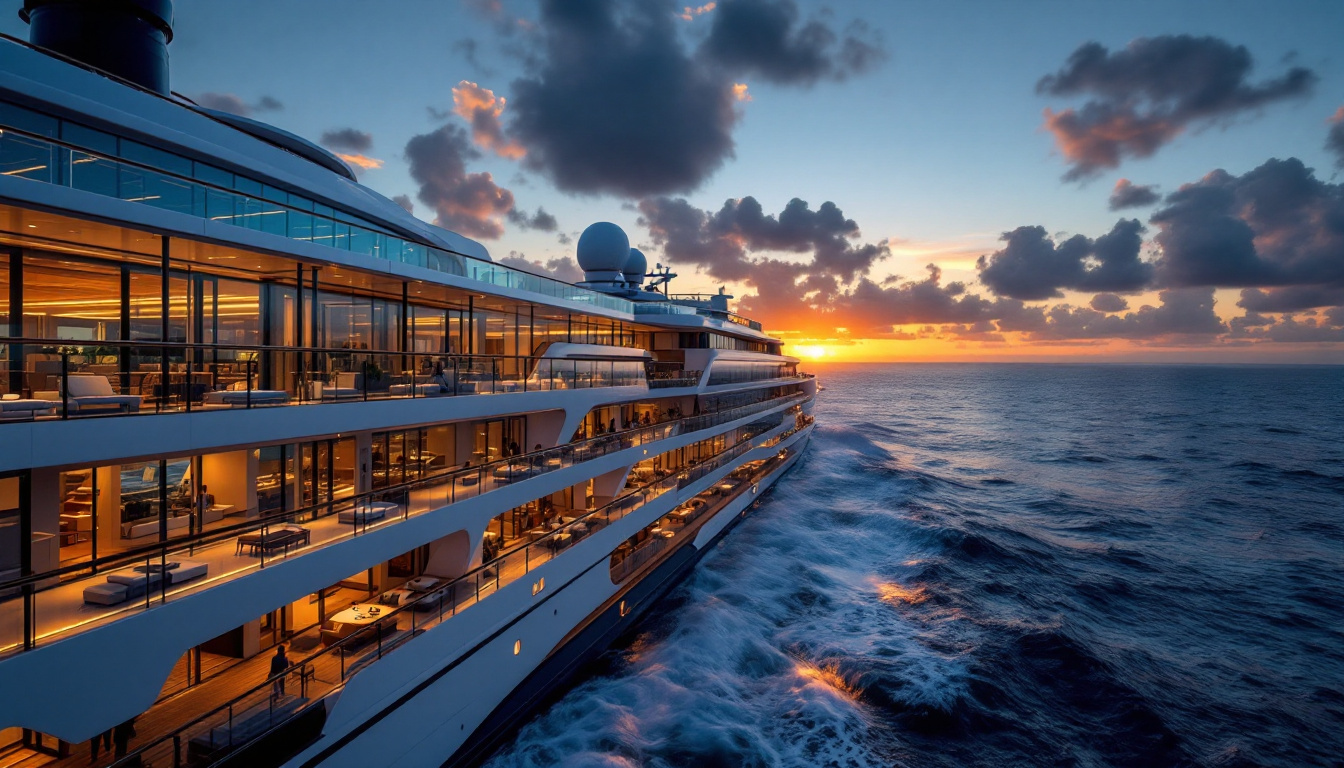
On-board product: all-suite accommodation with Horizon Balcony (a glass-fronted enclosed veranda that reduces the impact of equatorial sun on cabin temperature), butler service from the entry tier, Ecuadorian-influenced cuisine that integrates regional ingredients across the dining venues, all-inclusive bundle covering beverages and gratuities. The interactive basecamp on deck 4 is the on-board interpretive centre with displays, a presentation theatre, and naturalist briefing space.
Silver Origin operates two standard itinerary patterns: Eastern Galápagos (a seven-night loop through Genovesa, Bartolomé, Santiago, Rabida, Floreana and San Cristóbal) and Western Galápagos (a seven-night loop through Isabela, Fernandina, Santiago and Genovesa). The two itineraries are sold separately or as a fourteen-night combined experience.
The Lindblad-National Geographic operation
Lindblad Expeditions operates the longest-running luxury-Galápagos operation, in partnership with National Geographic since 2004. Two ships:
- National Geographic Endurance (2020, 126 guests, 12,786 GT) — Lindblad’s flagship global expedition hull, which deploys to Galápagos seasonally. PC5 ice classification, dual-fuel hybrid LNG propulsion
- National Geographic Islander II (2022, 48 guests, 4,690 GT) — destination-specific Galápagos vessel, smaller and more intimate than Silver Origin
The Endurance product is the more academic-leaning experience: the National Geographic partnership brings resident scientists, naturalists and photographers on board. The Islander II is the closer competitor to Silver Origin on scale and on destination-specific operation.
The Lindblad on-board register is recognisable Lindblad — slightly more academic than luxury, with a strong photo-and-video component (most voyages carry a National Geographic photographer in residence) and a more interpretive approach to expedition activities. The all-inclusive bundle covers expedition activities, naturalist guides and gratuities; beverages are partially supplemented.
The Aqua Expeditions entrant
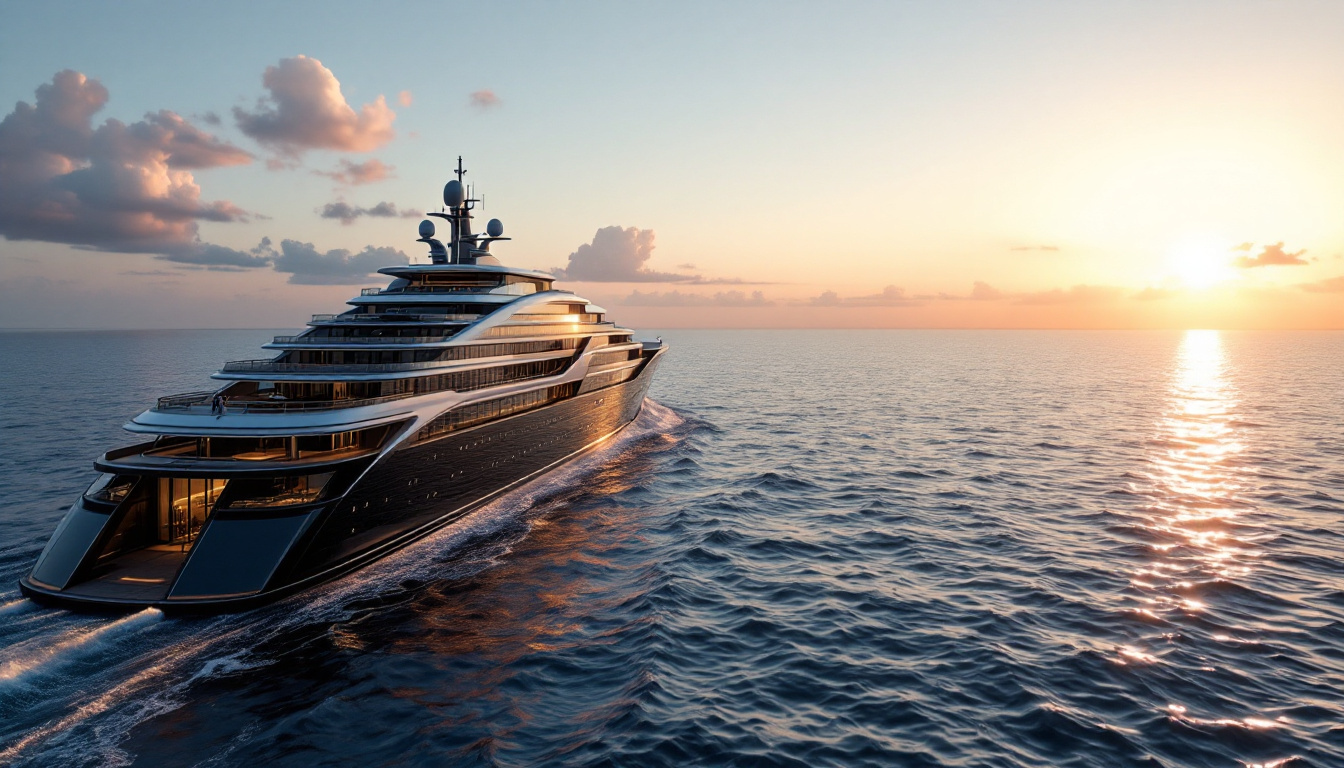
Aqua Mare is the newest entrant in the luxury-Galápagos segment, delivered in 2022 and operating year-round in the islands. The vessel is a 16-guest superyacht conversion — meaningfully smaller than either Silver Origin or Islander II — with three suites in the bow, two in the stern, and three on the upper deck. Crew of 12.
The Aqua Mare proposition is genuinely yacht-scale: the 16-guest cap means single-table dining (the entire guest list can dine simultaneously at one table), small-group landings (a single naturalist guide can accompany the full guest complement on most landings), and an itinerary flexibility that the larger ships cannot match. Trip-format options include a seven-night standard itinerary and a customisable charter format.
Pricing reflects the small-scale positioning: approximately USD 8,500-10,000 per person per week in the standard cabin categories, with the full-charter format from approximately USD 145,000 per week.
The catamaran segment
The Galápagos catamaran segment is the historic backbone of the islands’ luxury cruise market and remains commercially active in 2026. Notable operators:
- Ecoventura: three sister yachts (Origin, Theory, Evolve), 20 guests each, operated year-round
- Quasar Expeditions: Grace (18 guests), Evolution (32 guests)
- Metropolitan Touring: Isabela II (40 guests), La Pinta (48 guests), and the historic Santa Cruz II (90 guests)
- Royal Galapagos: Coral I, Coral II (36 guests each)
- Galapagos Sea Star Journey (16 guests)
The catamaran segment pricing ranges from approximately USD 5,000 to USD 9,000 per person per week, depending on operator and itinerary length. The on-board product is genuinely yacht-scale — small dining rooms, intimate lounges, modest spa-and-wellness programming — and the smaller hulls give access to landing sites that larger vessels cannot reach.
The 2026 market dynamics
The Galápagos cruise market in 2026 sits in a stable position. Permit capacity is fixed; operator competition is focused on guest experience and per-voyage spending rather than on market expansion. Three notable dynamics:
The visitor-cap increase. The 2024 increase from 225,000 to 250,000 annual visitors gave the segment roughly eleven percent more total capacity. The increase has been absorbed primarily by the contemporary-cruise operators (Metropolitan Touring’s larger hulls) rather than by the luxury segment, which remains capacity-constrained.
The pricing escalation. Across the luxury segment, per-night pricing has risen approximately eighteen percent since 2023. Silver Origin’s entry-level Veranda Suite at USD 1,800 per person per night in 2026 represents the high end; National Geographic Islander II at approximately USD 1,400 per night and Aqua Mare at approximately USD 1,250 per night sit in the upper-mid tier; the catamaran segment ranges from USD 700 to USD 1,200 per night.
The itinerary differentiation. With permit-mandated site rotation, operators have less latitude on itinerary differentiation than in other expedition markets. The differentiation is on on-board product (Silver Origin’s all-inclusive luxury versus Aqua Mare’s small-scale yacht intimacy) rather than on where the ship actually goes.
Where to book
For the 2026 prospective guest, the three viable booking decisions:
The full-luxury experience: Silver Origin’s seven-night Eastern Galápagos itinerary in October or November (the optimal weather window). All-inclusive, butler-served, the highest-crew-to-guest experience in the islands.
The small-yacht experience: Aqua Mare’s seven-night itinerary. Sixteen guests, single-table dining, the most intimate Galápagos cruise available at scale.
The academic-naturalist experience: National Geographic Endurance or Islander II. The Lindblad-National Geographic on-board programming and the resident scientist-and-photographer team distinguish the experience from the pure-luxury or pure-yacht alternatives.
The 2026 season is approximately 85 percent sold across the luxury segment as of June. The 2027 booking window is the operative consideration for guests who cannot find 2026 inventory.
Standing Questions
- What are the permit constraints on Galápagos cruising?
- The Galápagos National Park caps cruise capacity through several mechanisms: total registered vessels (currently approximately 65 cruise vessels), annual visitor caps (approximately 250,000 visitors), and per-itinerary site rotation requirements (no vessel may visit the same site more frequently than every fifteen days). The Park controls itinerary approval, naturalist guide certification, and landing-group size limits (typically sixteen guests per certified guide). These caps have been in place since the 1998 special law and have been incrementally tightened since.
- What is Silver Origin and why is it the top of the market?
- Silversea's destination-specific Galápagos vessel, delivered 2020. 100 guests across all-suite accommodation, the highest crew-to-guest ratio in the islands (1:1.2), eight Zodiacs, dynamic-positioning system that eliminates the need for anchor (protecting the seabed), Ecuadorian-national expert guide team. The destination-specific design means everything on board is calibrated for the eight-to-fifteen-day Galápagos cruise — there are no other markets the ship serves.
- How does the on-board product on Silver Origin compare to National Geographic Endurance?
- Different propositions. Silver Origin is a luxury-cruise translation to a destination-specific format — Silversea soft product, all-inclusive bundle, butler service. National Geographic Endurance is an expedition-cruise product with a stronger scientific-naturalist component — Lindblad's National Geographic partnership brings resident scientists and photographers on board, and the on-board programming is more academic. Endurance is also a global hull (Antarctica, Arctic) that comes to Galápagos seasonally; Silver Origin is Galápagos year-round.
- What about the smaller catamarans?
- The catamaran segment offers genuine 12-to-32-guest yacht-scale Galápagos cruising at meaningfully lower per-night pricing. Notable: Origin, Theory and Evolve (Ecoventura, three sister yachts, 20 guests each), Grace (Quasar Expeditions, 18 guests), Aqua Mare (Aqua Expeditions, 16 guests). The trade-off is on-board amenity scale; the upside is a small-group experience that the larger ships cannot match.
- What does a Silver Origin booking actually cost?
- A seven-night Eastern Galápagos itinerary on Silver Origin in October 2026, entry-level Veranda Suite, books at approximately USD 12,800 per person double, all-in including beverages, gratuities, two daily expedition activities, return flights from Quito or Guayaquil, and one pre-cruise hotel night. Owner's Suite pricing exceeds USD 28,000 per person. Comparable seven-night Aqua Mare bookings are approximately USD 8,500-10,000 per person; National Geographic Endurance bookings approximately USD 11,000 per person.