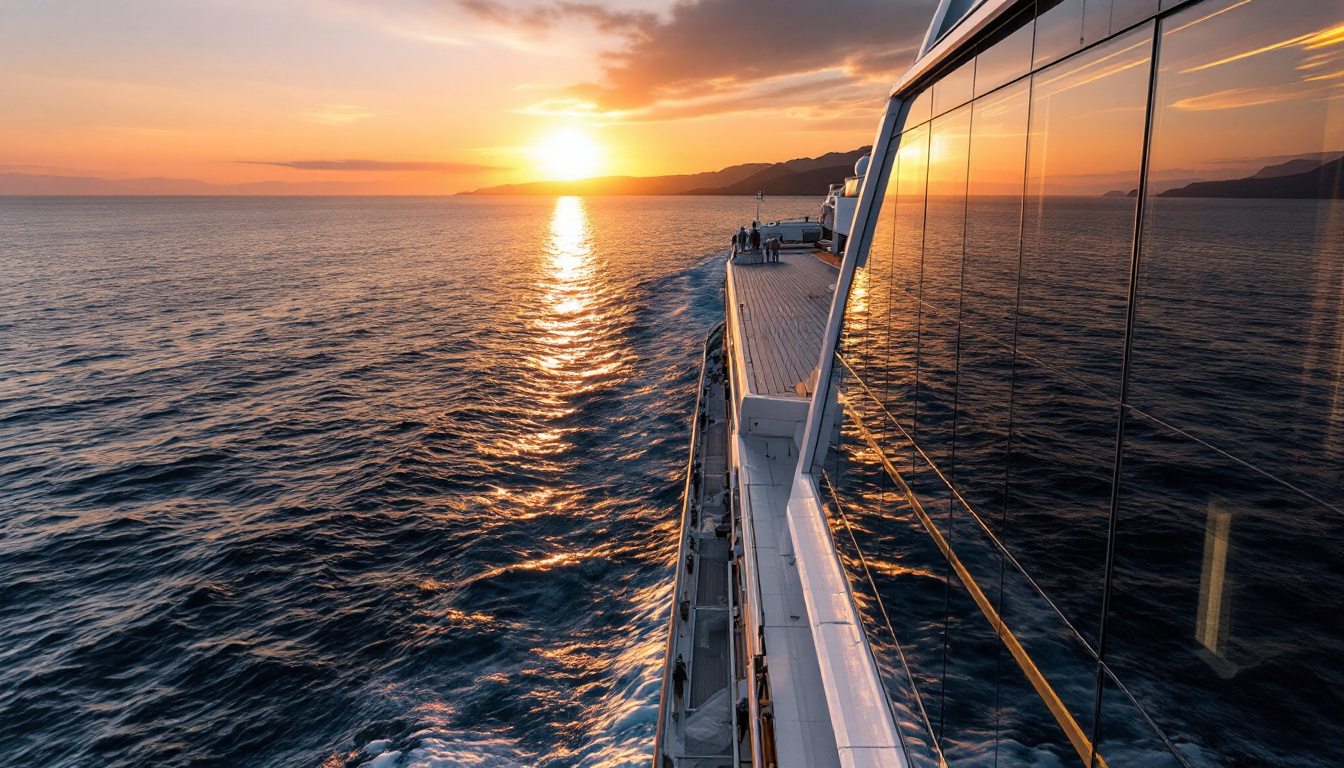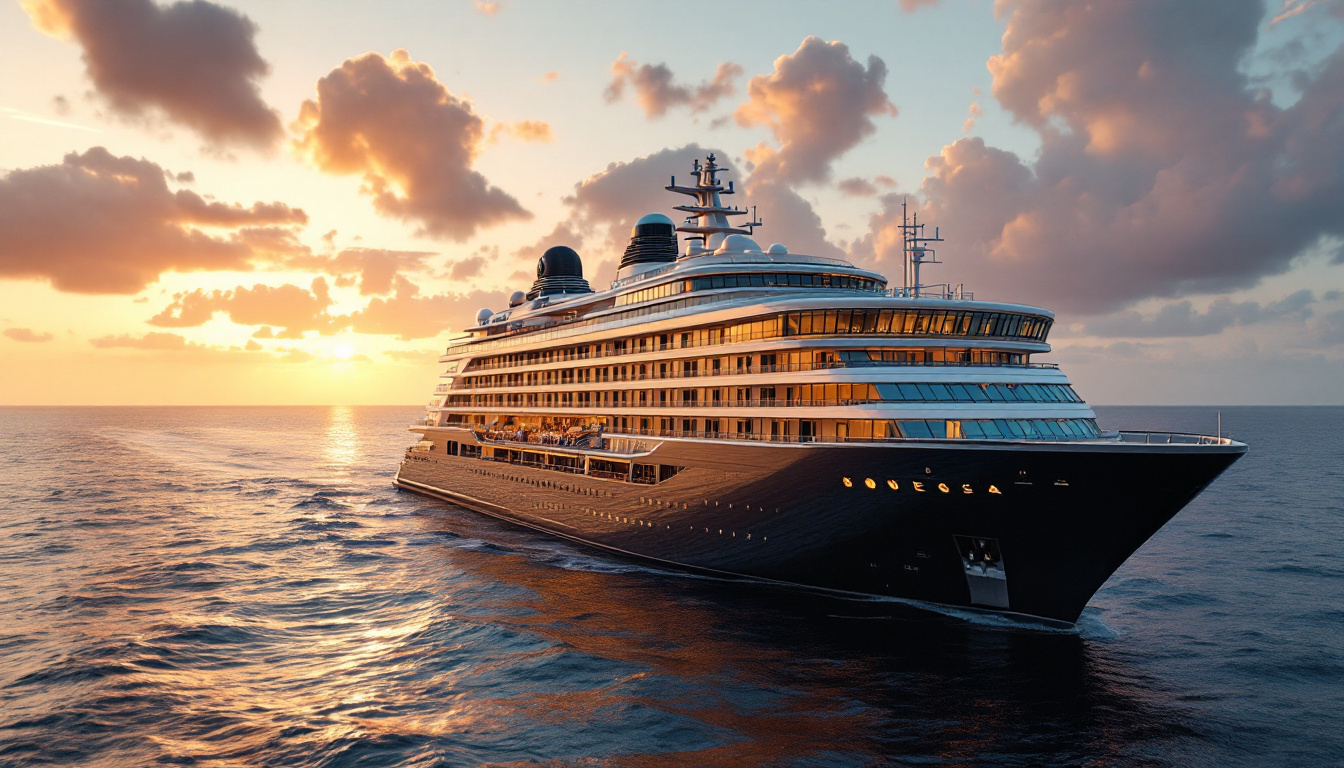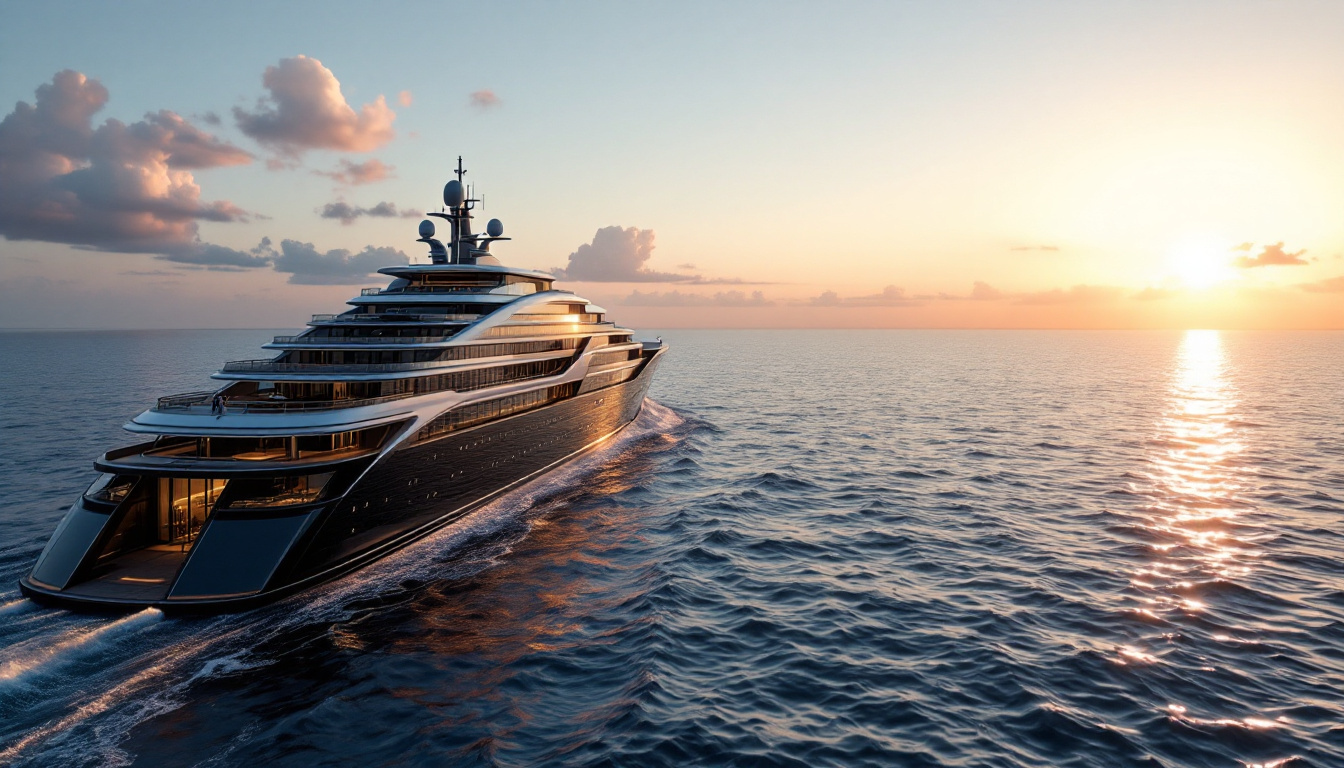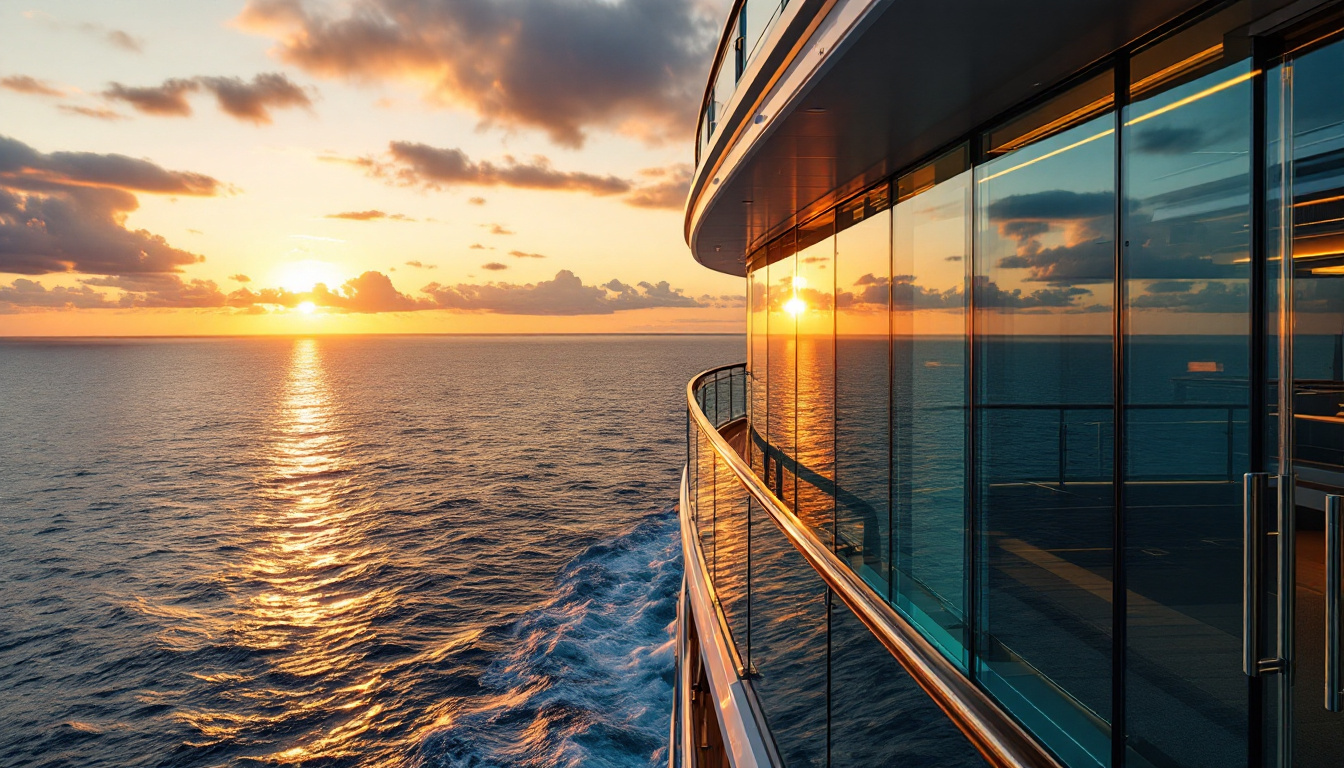
Oceania Cruises has been a difficult brand to categorise for most of its twenty-three-year history. Founded in 2002 by Frank Del Rio and a team out of Renaissance Cruises, it sits in the operationally ambiguous space between contemporary-premium (Holland America, Princess) and luxury (Silversea, Regent). The brand’s commercial positioning under Norwegian Cruise Line Holdings — which acquired Oceania in 2014 along with Regent — has been to occupy the upper-premium space deliberately, with food as the signature.
The 2026 year is the most consequential operating year the brand has had in a decade. The Allura-class new-build series is fully delivered. The fleet has gone adults-only as of 1 January. The parent-company differentiation between Norwegian, Oceania and Regent is now cleaner than it has been since the 2014 acquisition. What follows is the state of the Allura-class and the fleet, the strategic logic behind the adults-only conversion, and where Oceania actually fits in the 2026 luxury-cruise landscape.
The two Allura-class hulls
Oceania Vista delivered from Fincantieri’s Sestri Ponente yard in April 2023 and entered service on 13 May 2023 with a maiden from Trieste. Specifications: 67,000 GT, 240 metres LOA, 1,200 guests in 600 suites and staterooms, crew of approximately 800. The build was clean — Fincantieri delivered on contract — and the on-board product has been well-received in guest reviews and trade press. Vista was Oceania’s first new-build in eleven years, following Marina (2011) and Riviera (2012).
Oceania Allura delivered from the same yard in mid-2025, with a maiden from Trieste on 19 July 2025. Structurally identical to Vista with a series of refinements based on Vista’s operating learnings: a slightly enlarged spa footprint, reworked outdoor pool-deck programming, a redesigned Founders Suite (the top-tier accommodation), and a new specialty restaurant called Ember that replaced one of the more conservative Riviera concepts.
The Allura-class architecture is the brand’s first major design refresh since the Oceania-class hulls (Marina and Riviera) introduced the modern Oceania visual language in 2011-12. The contemporary interior tonality, the larger pool deck, and the expanded specialty-dining footprint all read as deliberate generation-leaps from the older hulls — though Marina and Riviera received substantial refurbishments in 2022-23 dry-docks that retrofitted some of the Allura-class soft-product moves.
The four-ship fleet
Beyond the two Allura-class hulls, the Oceania fleet in 2026 includes:
- Marina (2011, 66,084 GT, 1,250 guests) — Oceania-class flagship until Vista’s arrival. Refurbished 2022. Currently in Mediterranean and Caribbean rotation
- Riviera (2012, 66,084 GT, 1,250 guests) — Oceania-class sister. Refurbished 2023. Currently in Mediterranean and Caribbean rotation
- Insignia (1998, 30,277 GT, 656 guests) — original R-class hull from the Renaissance fleet. Smaller, older, but kept current with substantial refurbishments. The line’s primary world-cruise ship and the most flexible hull for smaller-port deployments
- Sirena (1999, 30,277 GT, 684 guests) — another R-class hull. Mediterranean and shoulder-season specialist
- Regatta (1998, 30,277 GT, 684 guests) — R-class. Asia and Pacific specialist
- Nautica (2000, 30,277 GT, 684 guests) — R-class. Deployment varies, currently in Africa and Indian Ocean
The R-class hulls (Insignia, Sirena, Regatta, Nautica) are scheduled for substantial dry-dock work over the next three years to extend their operational lives. The fleet has reached a deliberate scale — eight ships across two size tiers — that the line is unlikely to grow further before the next new-build series is announced.
The adults-only conversion
The 1 January 2026 conversion to adults-only — guests must be 18 or older to book — is the most consequential strategic move the brand has made in years. The operational impact is modest in the near term because Oceania has been informally adult-skewing for most of its history; children have always been rare on board. But the formal policy change does two things.
First, it removes the need for any family-or-children programming, freeing dedicated deck space, soft-product investment, and marketing budget toward the adult-luxury positioning. Second, it gives parent Norwegian Cruise Line Holdings cleaner brand differentiation across the three-brand portfolio:
- Norwegian Cruise Line: family-and-mixed-age contemporary
- Oceania Cruises: adult-only upper-premium
- Regent Seven Seas: ultra-luxury all-inclusive
The differentiation matters because the parent’s marketing economics depend on positioning each brand in a distinct demand bracket. Oceania has historically been the brand most prone to overlap — competing on price with Norwegian’s premium hulls and on amenities with Regent’s entry-level. The adults-only policy locks the demographic and gives Oceania a defensible upper-premium position.
The 2026 deployment
Vista runs the Mediterranean from May through October 2026, then transitions back to the Caribbean for winter. The Mediterranean rotations include the standard Western and Eastern Mediterranean loops out of Civitavecchia and Barcelona.
Allura is the more aggressive deployment ship. Mediterranean and Greek Isles through November 2026 — the Eastern Mediterranean focus is meaningful because it puts Allura against the smaller Ritz-Carlton Evrima and the larger Explora hulls in the same waters. October-November sees a Barcelona-Miami repositioning in fifteen nights via the Canaries and Caribbean. December 2026 begins a Caribbean winter rotation out of Miami.
Marina and Riviera rotate through the Mediterranean and Caribbean on standard contemporary-premium itineraries.
Insignia, Sirena, Regatta, Nautica cover the long-format and deep-deployment markets — Asia, Africa, Australia, the world cruise. Insignia handles the 2027 world voyage; Regatta runs the 2026 Asia season.
The on-board product
The food programme is the brand’s signature and the reason most guests book Oceania. Chef Jacques Pépin has been Oceania’s executive culinary director since 2002 — a 24-year relationship that is the longest-running chef-brand association in luxury or upper-premium cruise. The eight dining venues on the Allura-class:
- Grand Dining Room — main dining, no surcharge, with the most varied menu structure in the upper-premium cruise segment
- Toscana — Italian speciality, no surcharge
- Polo Grill — American steakhouse, no surcharge
- Red Ginger — Asian, no surcharge
- Jacques — French, signed by Pépin himself, no surcharge
- Aquamar Kitchen — Mediterranean wellness, no surcharge (replaces Privée on the Allura-class)
- Ember — American eclectic, no surcharge (new on Allura-class only)
- Terrace Café — buffet, no surcharge
All specialty venues are no-surcharge across the entire fleet, which is the meaningful divergence from Silversea and Regent (which carry surcharges on two or three specialty venues each).
Service register is recognisably upper-premium rather than luxury — slightly less personalised than Silversea, noticeably more professional than the contemporary-premium norm. The crew-to-guest ratio at approximately 1:1.5 on the Allura-class is below the luxury benchmark.
The all-inclusive bundle is upgrade-only on Oceania, which is the structural pricing difference from Silversea, Regent and Explora. Base fares cover stateroom, dining and basic entertainment. The Simply More upgrade — beverages, gratuities, Wi-Fi, one excursion per port — adds approximately USD 600 per person per week on the Allura-class itineraries.
Where Oceania sits in 2026
The competitive positioning is now clearer than it has been in years. Oceania occupies the upper-premium space below the luxury tier (Silversea, Regent, Crystal, Explora) and above the contemporary-premium tier (Holland America, Princess, Celebrity). The food programme is the brand’s strongest selling point and remains the genuine differentiator. The adults-only policy reinforces the upper-premium positioning.
For the 2026 booking decision: book Allura for the most contemporary ship and the strongest new-build product; book Vista as the cleaner-priced alternative; book one of the R-class hulls (Insignia, Regatta, Sirena, Nautica) for deeper-itinerary deployments where the smaller hull is the operational requirement. The brand is operating at the strongest moment of its history and is reading more coherent in 2026 than at any point since the NCL Holdings acquisition.
Standing Questions
- What does the adults-only conversion actually mean?
- From 1 January 2026, all Oceania bookings require guests to be 18 or older. The line has been informally adults-skewing for years — children have always been rare onboard — but the formal policy change locks the demographic and removes the need for any family-oriented programming. It also gives parent Norwegian Cruise Line Holdings cleaner brand differentiation: Norwegian for family-and-mixed-age contemporary, Oceania for adult-only upper-premium, Regent for ultra-luxury all-inclusive.
- How does the Allura-class differ from the older Oceania-class hulls?
- Bigger (67,000 GT vs 66,000 GT), comparable in passenger count (1,200 vs 1,250 on Marina and Riviera), more contemporary in interior design. The major architectural moves: a larger pool deck, an expanded specialty-dining footprint (Aquamar Kitchen replaces the older Privée concept), and a redesigned spa. The Founders Suite category is new and represents the line's top-tier accommodation.
- Where does each ship sail in 2026?
- Vista: Mediterranean from May through October, Caribbean for winter 2025-26 and again from December 2026. Allura: Mediterranean and Greek Isles through November 2026, then Caribbean rotations from December. The October-November 2026 Allura repositioning runs Barcelona to Miami in fifteen nights via the Canaries and Caribbean.
- What is the on-board food programme actually like?
- Oceania's food has long been the brand's strongest selling point. Eight dining venues on the Allura-class: the main Grand Dining Room, Toscana (Italian specialty), Polo Grill (American steakhouse), Red Ginger (Asian), Jacques (French, by chef Jacques Pépin), Aquamar Kitchen (Mediterranean wellness), Ember (American eclectic — new on the Allura-class), and the Terrace Café (buffet). All specialty venues are no-surcharge. The line maintains the executive culinary director relationship with chef Jacques Pépin established in 2002.
- What does an entry-level booking actually cost?
- A seven-night Mediterranean sailing on Allura in September 2026, entry-level Veranda Stateroom, books at approximately USD 2,800 per person double — substantially below the luxury bracket (Silversea, Regent, Explora) but at the top of the contemporary-premium bracket. The upgraded all-inclusive bundle (beverages, gratuities, Wi-Fi, one excursion per port) adds approximately USD 600 per person per week.