I have been writing about sushi in Tokyo for long enough to know that the eight-seat counter at the ground floor of Ark Hills South Tower is the single most difficult restaurant reservation in the city for a foreign visitor. I have also been writing about sushi in Tokyo for long enough to know that this is, in the working judgement of most of the working sushi chefs in Tokyo, the room against which the rest of the world’s Edomae sushi is currently measured. The two facts are related. They are not the same fact.
I sat at the counter at 18:00 on a Tuesday in mid-February 2026, the second seat from the left end, having walked the four minutes from the Hotel Okura through the Ark Hills complex in a cold, clear evening, and having spent the previous four months working through the concierge at the Aman Tokyo to place the booking. The seat had become available, the concierge had told me by email at 09:14 on the previous Thursday, because a Hong Kong regular had cancelled a long-standing standing booking three days before service. I had said yes within four minutes. I had then walked to the Mitsukoshi food hall on the basement floor and bought a small box of confectionary from Toraya as a thank-you to send to the concierge desk in the morning, which is the etiquette I have come to follow in these circumstances.
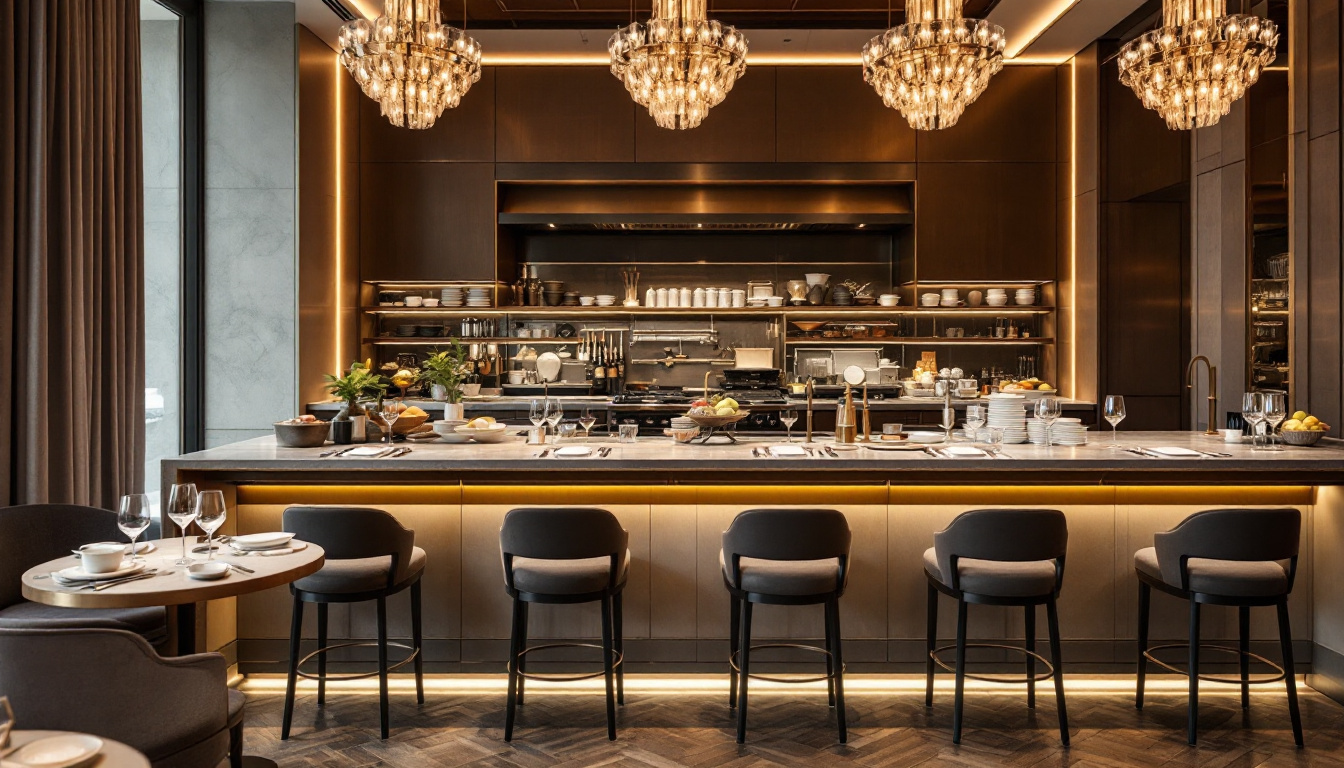
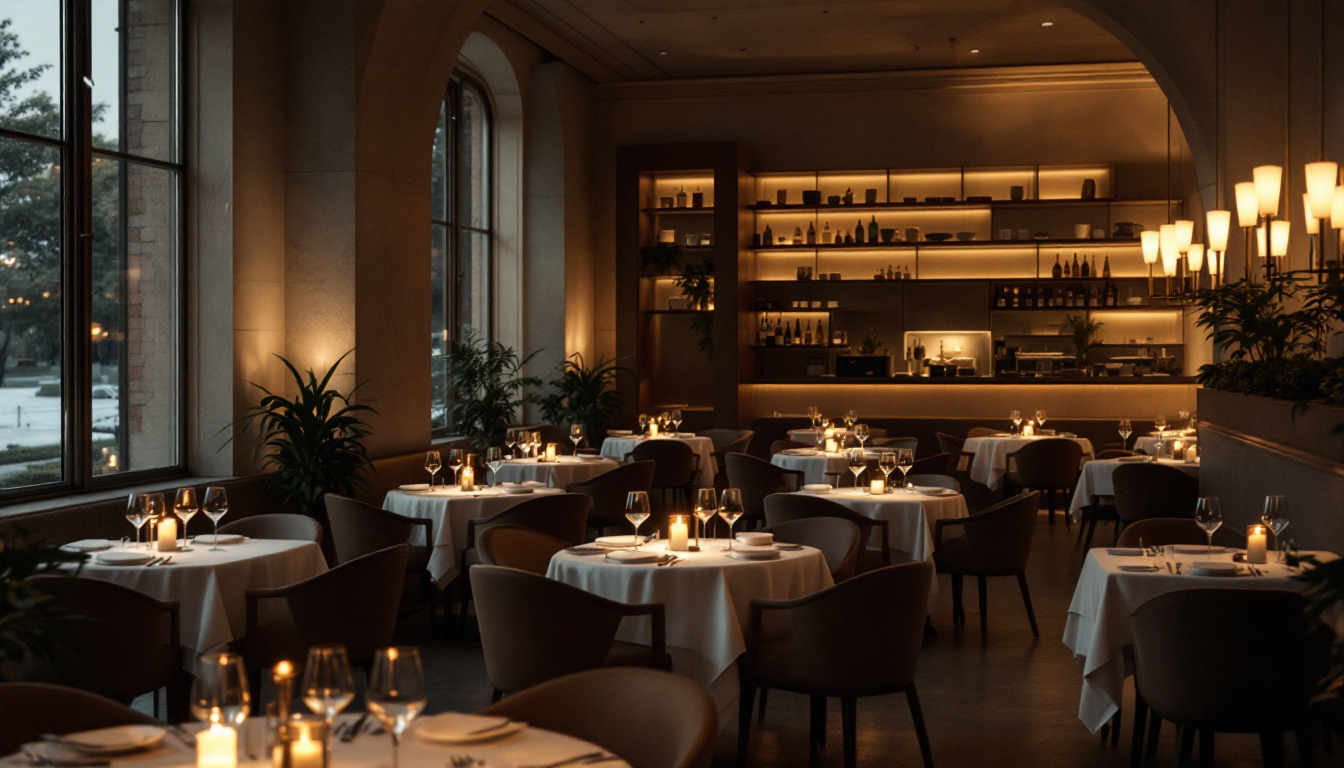
The room is one of the smallest serious restaurants in Tokyo. The counter is a single piece of hinoki, eight metres long and roughly seventy centimetres deep, with eight seats spaced at intervals of approximately one metre. The floor is dark stone. The walls are smooth lime-washed plaster, off-white, with a single small alcove on the back wall holding a seasonal flower arrangement (in February: a single branch of plum blossom and three sprigs of pine). The lighting is recessed into the ceiling and tuned warm. The whole architectural intent of the room is to direct every guest’s attention onto the counter and the chef. The room is, in this respect, doing exactly what a serious Edomae sushi counter is supposed to do.
The chef
Takashi Saito was born in Kanagawa in 1972. He apprenticed at Sukiyabashi Jiro under Jiro Ono in the late 1990s — a fact that the international press repeats more often than is useful, because the cooking at Saito does not, in practice, particularly resemble the cooking at Sukiyabashi Jiro. He opened his first independent counter in Akasaka in 2007 (a smaller eight-seat room above a karaoke bar), held three Michelin stars at that address from the 2009 edition of the Tokyo guide, and moved the kitchen to the current Ark Hills location in February 2014. He held three stars at the new address through the 2018 edition, then asked Michelin to remove the restaurant from the guide before the 2019 edition. He has not appeared in the guide since.
The decision to leave the guide is the kind of decision that the international food press treats as a controversy. Inside the working sushi world in Tokyo, it is treated as a non-event. The room is unchanged. The cooking is unchanged. The reservation policy is unchanged. The pricing is unchanged. The relationship with the Tokyo Metropolitan Central Wholesale Market at Toyosu — Saito buys personally from a small group of dealers at the morning auction five days a week — is unchanged. Saito told the Japanese-language press at the time that he wanted his clientele to come for the cooking rather than for the rating, and that he wanted to be able to refuse the foreign guests who were placing the room under pressure he did not want. The arithmetic of the room since 2019 suggests that he meant it.
He is, by reputation among the people who have eaten at the counter regularly across the eighteen years he has been working as an independent, a chef whose cooking has gradually sharpened rather than expanded. The vocabulary has narrowed. The seasoning has tightened. The neta (the fish on the rice) is presented with less garnish and less embellishment than it was at the original Akasaka room in 2008. The rice — which is the part of an Edomae meal that most foreign guests do not pay enough attention to — is, on my evening, seasoned with a stronger hand of red vinegar than is common in the Tokyo high-end and served at a temperature that is closer to body warm than to room temperature.
The opening sequence
The meal opens with five tsumami — small composed appetisers presented before the nigiri sequence begins. The kitchen does not run a separate kaiseki programme; the tsumami are short, sharp, and designed to bring the appetite to the right place before the rice arrives.
The first tsumami of my evening was a small bowl of warm steamed monkfish liver (ankimo) from a fish landed at Toyosu that morning, sliced into a single thick disc and set on a bed of grated daikon dressed with a few drops of ponzu. The seasoning was mild. The liver was the cleanest preparation of ankimo I have eaten in Tokyo this year — no metallic note, no over-steaming, the texture firm enough to hold the disc shape but yielding completely on the bite.
The second tsumami was a small grilled piece of buri (Japanese amberjack) with a single spoonful of pickled wasabi stem. The fish was from Toyama. The grilling was light, leaving the centre of the piece raw and warm. The wasabi stem cut the fat of the fish exactly.
The third tsumami — and the dish that signalled the kitchen’s seasonal awareness most clearly — was a small clear soup of grilled hamaguri clam, the clam still in its half-shell, the dashi made from kombu and bonito and held just below a simmer. The hamaguri is one of the great late-winter ingredients in the Tokyo kitchen calendar. The kitchen had timed the booking to land the dish during its three-week peak window.
The fourth and fifth tsumami were a small slice of slow-cooked octopus (sakura-dako from Akashi) and a single piece of grilled shirako (cod milt, seasonal until the end of February). The octopus was tender to a degree that I have not encountered outside the top three Tokyo counters; the kitchen does the slow-cook in a 65-degree water bath for ninety minutes, then finishes the surface with a brief grill. The shirako was creamy at the centre and lightly charred at the surface.
The nigiri
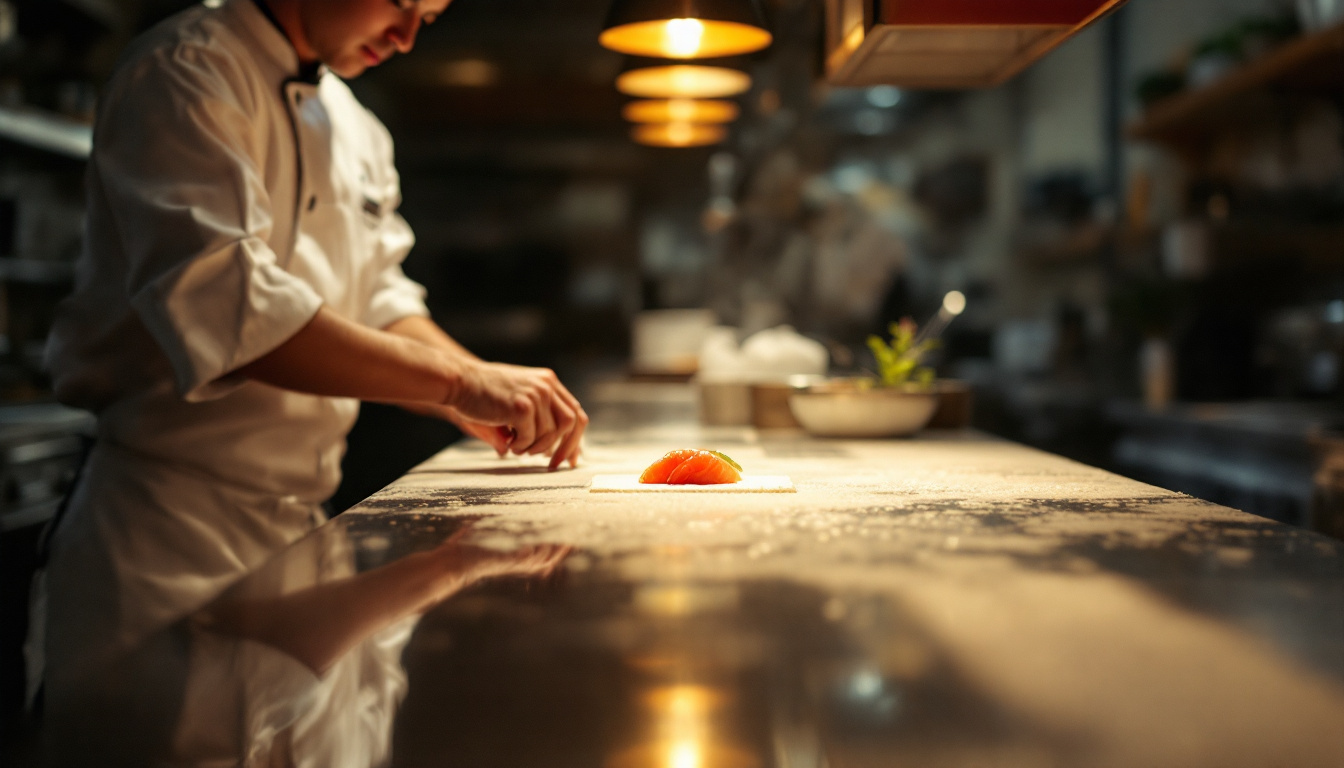
The nigiri sequence began at approximately 18:40 and ran for one piece every two to three minutes, with no pauses and no announcements between pieces. Saito places each piece directly on the lacquered counter board in front of the guest, with no plate; the convention at the counter is to eat with the hands, to eat within thirty seconds of placement, and to leave the board clean between pieces. There is a small clean cloth for the fingers and a small wooden bowl of pickled ginger to the right of each seat. The shari (vinegared rice) is held in a wooden tub behind the counter at body temperature, covered with a damp cloth, and shaped to order for each piece.
The opening piece was a single thin slice of hirame (flounder) from a fish landed at Toyosu that morning, with a small brush of soy. The fish was firm, sweet, and seasoned to about ninety percent of the way to ideal — the kitchen leaves a small margin of under-seasoning at the open of the sequence so that the palate can adjust. The shari was at the temperature of a warm hand and broke apart cleanly on the bite into individual grains, each grain coated with the red vinegar.
The second piece was sumi-ika (cuttlefish) cured for forty-eight hours in kelp, the surface scored in a fine grid that allowed the piece to take the seasoning more completely. The third piece was kohada (gizzard shad), cured for approximately ninety minutes in salt and vinegar — the kitchen’s kohada is one of the most precisely seasoned in Tokyo, balanced exactly between the fermented note and the freshness of the fish. The fourth was a piece of akami (lean bluefin from Oma in Aomori, cured in the kitchen for three days in soy). The fifth, sixth, and seventh were the chu-toro, the o-toro, and the seared o-toro from the same Oma fish — a three-piece sequence that is the kitchen’s traditional centre of the meal and that, on my evening, was the technical and emotional peak of the service.
The remainder of the sequence ran through a piece of kuruma-ebi (live tiger prawn poached to order, the head removed and presented separately), a piece of sayori (needle fish, seasonal in February), a piece of kohada-related konoshiro (the adult fish, slightly stronger), a piece of awabi (abalone, slow-cooked for six hours in sake and dashi), two pieces of uni (a comparative serving — Hokkaido bafun on one piece, Aomori murasaki on the other), a piece of anago (sea eel, freshly grilled and brushed with the kitchen’s house tare), and a final piece of tamagoyaki (the kitchen’s signature, made with grated yamaimo and prawn paste, cooked over forty minutes to a souffle texture).
The final course was a small bowl of clear miso soup with a piece of clam in the bottom. The bill arrived in an envelope at the counter at 19:32. The meal had run ninety-two minutes.
What the room is doing
The room is doing a small number of things very deliberately and is refusing to do a large number of things that the international fine-dining culture would expect of it. There is no wine pairing programme. There is no champagne by the glass. The sake list is short (six junmai, three junmai daiginjo, one daiginjo from a producer Saito has worked with personally for twelve years). There is no music. There is no service narrative. There is no story attached to any of the dishes; the kitchen does not name the producers unless asked. There is no menu, written or spoken; the kitchen does not announce the courses. The convention at the counter is that the guest watches, eats, and asks only the questions that the moment naturally produces.
This is the deepest argument that the room is making about what Edomae sushi is for. The cooking is, by Saito’s working theory, not a performance and not a narrative. It is a sequence of correctly seasoned pieces of fish on correctly seasoned rice, presented in the correct order at the correct pace, eaten with the hands, in a quiet room, in front of a chef who has been doing the same work in the same way for nineteen years. The aesthetic intent is to remove every element of the experience that is not the cooking itself, and to make the cooking itself bear the entire weight of the evening.
The room succeeds at this. The cooking does bear the weight. The technical level — the rice work especially — is at the absolute frontier of the contemporary Tokyo counter, in a city that has more serious sushi counters than anywhere else in the world. The seasoning is, on my evening, more precise than the seasoning at Yoshitake, more restrained than the seasoning at Sushi Yoshitake’s sister rooms, and more honest than the seasoning at the most fashionable of the new Tokyo counters that have opened since 2022.
The reservation problem
The room runs effectively as a private members’ club. The eight seats per service are spoken for, in practice, by a list of about sixty regular patrons (the figure is my estimate, based on conversations with three Tokyo concierges and one regular guest) who rebook at the counter at the end of each meal. The standard rebooking interval for a Tokyo regular is two to three months out for dinner, six to eight weeks out for lunch. The patrons rebook in person; they do not call. They do not email. They walk out of the room with the next booking in the diary.
Cancellations from the regular list, when they happen, are released either through the concierge network or through direct outreach from the restaurant to known regular guests who have asked to be on a standby list. Foreign visitors who do not have a relationship with the room and do not have a Tokyo concierge working for them have, in practical terms, no route to the counter.
The senior hotels in Tokyo place foreign guests at Saito with the following approximate success rates, in my experience working with the desks over the last three years: the Aman Tokyo (Otemachi) places one guest in approximately every five to seven serious attempts; the Mandarin Oriental Nihonbashi places one in eight to ten; the Bulgari Tokyo (opened 2023) places one in ten to twelve; the Park Hyatt Shinjuku and the Four Seasons Marunouchi place one in fifteen to twenty. The lead time required from any of these desks is three to four months for a target dinner service, six to eight weeks for a target lunch.
The auction market — the foreign-facing booking sites that list seats at Saito for USD 800 to USD 1,500 per cover — is not endorsed by the restaurant and the seats are not always honoured. I have heard of two cases in the last eighteen months of guests arriving at the counter with an auction booking and being turned away. I do not recommend the route.
Where to stay
The room is on the ground floor of Ark Hills South Tower, at 1-4-5 Roppongi. The nearest senior hotels are the Hotel Okura Tokyo (ten minutes on foot, twelve in light snow), the Aman Tokyo at Otemachi (twelve minutes by taxi), the Mandarin Oriental Nihonbashi (fifteen minutes by taxi), and the Bulgari Tokyo at Otemachi (twelve minutes by taxi). The Park Hyatt Shinjuku is further out and is no longer the strongest practical answer for a Saito booking.
The Aman Tokyo is, on the combination of concierge strength and proximity to the room, the right answer for a first-time visitor whose entire trip is built around the Saito reservation. The room rate runs JPY 220,000 to 280,000 a night in the standard Deluxe category; the room is genuinely large by Tokyo standards (71 square metres at the entry level); the breakfast at the Aman is the most serious hotel breakfast in central Tokyo. Book a corner room on the 36th floor or higher for the view across the Imperial Palace gardens.
The Hotel Okura — the rebuilt 2019 Okura Heritage Wing — is the right answer for a guest who wants the closest possible walk to the counter and the lowest possible logistical friction on the night of the booking. The Heritage Wing rates run JPY 90,000 to 140,000 in the standard category and the walk to Ark Hills is genuinely four minutes through the lit pedestrian arcades.
What to take from this
There are perhaps eight or ten sushi counters in Tokyo whose cooking is unambiguously at the frontier of the contemporary form. Saito is one of them. The room is not the most experimental of those counters; it is not the most architecturally ambitious; it is not the friendliest to a foreign visitor; it is not the easiest to book. What the room is — and what the regular patrons return for, year after year, in a city that has no shortage of three-star sushi — is the most consistent. Saito does the same work, in the same room, at the same counter, for two services a day, six days a week, in the same way he did it last year and the year before. The fish changes with the season. The rice does not. The seasoning does not. The pace does not.
This is, in the end, the argument that the room is making. The argument is that the highest form of Edomae sushi is not innovation but iteration — that the discipline of doing the same correct thing in the same correct way for nineteen consecutive years is itself the art form, and that the seat at the counter is, on the right evening, a chance to watch that discipline being practised in its most refined contemporary expression. The argument is, on the evidence of the eight seats at Ark Hills, correct.
Standing Questions
- Can I get a reservation as a first-time visitor from outside Japan?
- Not directly. Sushi Saito does not take public reservations and does not appear on any of the standard Japanese booking platforms (Tabelog, Pocket Concierge, OMAKASE). The two practical routes for a first visit are (1) the concierge at a senior Tokyo hotel — the Aman Tokyo, the Mandarin Oriental Nihonbashi, the Park Hyatt Shinjuku, and the Bulgari Tokyo all maintain working relationships with the room and can sometimes place a guest on a cancellation list with two to four months of lead time — and (2) an introduction from an existing regular patron, which is the only fully reliable route. Auction sites quote four-figure US-dollar prices for seats; these are not endorsed by the restaurant and the seat may not be honoured at the counter.
- What does it cost?
- The omakase at the Roppongi counter is set by the room and is not published on any menu. The working figure across the foreign press and the concierge desks in early 2026 is approximately JPY 55,000 to 65,000 per person for the food alone, before drinks and the consumption tax. Sake and tea add another JPY 8,000 to 15,000 depending on what the room is pouring. Cash is preferred; cards are accepted but the room does not advertise this and the staff appreciates a guest who arrives with the bill in an envelope.
- What is the cooking like?
- Edomae sushi in the strictest classical interpretation. The omakase runs about twenty pieces (a small selection of tsumami appetisers at the open, then the nigiri sequence, then a final piece of tamagoyaki and a clear soup), built around fish from Toyosu Market that morning, rice from a single producer in Toyama, and red vinegar that the room cures in-house. The pace is steady. The seasoning is precise. Saito does not embellish. The cooking is, by reputation and on the evidence of the room, the cleanest expression of the Edomae tradition currently being practised in Tokyo.
- Is the lunch or dinner service the better booking?
- If you are offered a seat, take it. The lunch and dinner omakase are essentially the same menu (the kitchen does not run separate programmes), the room is the same eight seats, and Saito is at the counter for both services six days a week. Practically, the lunch slot is fractionally easier to land through a concierge because business demand is lower, and the natural light from the Ark Hills atrium during the winter midday service is genuinely beautiful. The dinner service runs slightly longer because the room is less rushed.
- Where do I stay in Tokyo for a Saito dinner?
- The Aman Tokyo at Otemachi is the strongest practical answer for first-time visitors trying to land the booking, both because the concierge desk is the most reliable in the city and because the location at Otemachi puts you a twelve-minute taxi from the Ark Hills tower. The Mandarin Oriental Nihonbashi and the Bulgari Tokyo (opened 2023, also at Otemachi) are the other two rooms whose concierge desks place Saito guests with any regularity. The Park Hyatt Shinjuku and the Four Seasons Marunouchi can sometimes place, but the success rate is lower.